Location
Mount Vernon, WA 98274
Location
Mount Vernon, WA 98274



A breakthrough in synthetic biology has yielded living sensors capable of reporting real-time ecosystem changes. Deployed across remote landscapes, these engineered microbes could transform environmental monitoring by transmitting biochemical data through detectable fluorescent signals.

A pioneering spaceborne polarimeter has delivered the first high-resolution maps of magnetic fields in a supernova remnant, challenging long-standing models of cosmic ray acceleration. These results open a novel observational window on the turbulent processes that sculpt high-energy environments after a star's explosion.

What if the same cables carrying our internet traffic could also detect earthquakes, track ocean shifts, and even glimpse cosmic ripples? Researchers are injecting precision light pulses into telecom fibers to turn a global web of data highways into a versatile scientific instrument. This breakthrough could democratize environmental monitoring, improve early warning systems, and open a new band of gravitational-wave astronomy.

In cities around the globe, congregations are setting up pop-up prayer installations in public parks, inviting passersby to pause, reflect, and engage with Christian faith. Blending ancient traditions with modern outreach, these open-air chapels offer quiet sanctuary amid urban bustle.
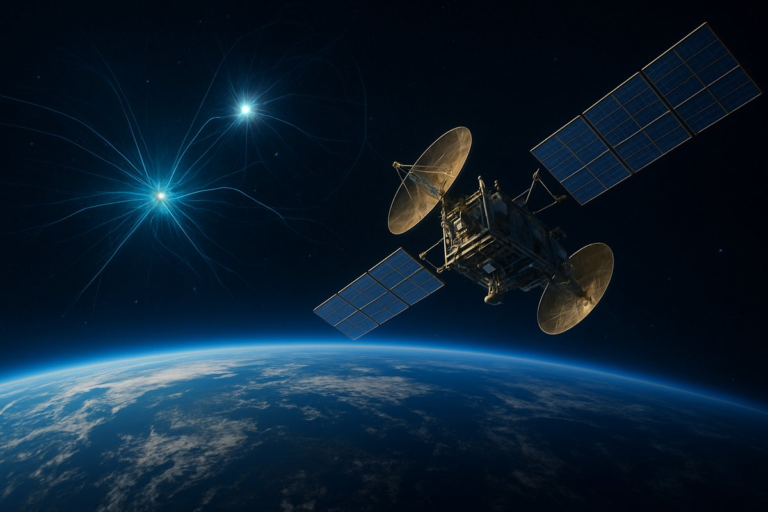
A breakthrough quantum communications satellite has taken to orbit, promising unhackable encryption across continents. This article dives into the technology of quantum key distribution in space, its potential to thwart digital surveillance, and the broader implications for privacy, ethics, and a future quantum internet.

As cities seek sustainable solutions to food security and climate resilience, urban rooftop farming is sprouting across skylines. From community initiatives to high-tech installations, this grassroots movement is reshaping how residents grow, share, and value local produce.

An ambitious cosmic survey using quantum-entangled telescopes has sparked a debate over data privacy and digital rights. As researchers push the boundaries of space-time observation, questions arise about who controls the streams of sensitive information and how to defend against ever-more-sophisticated spyware.
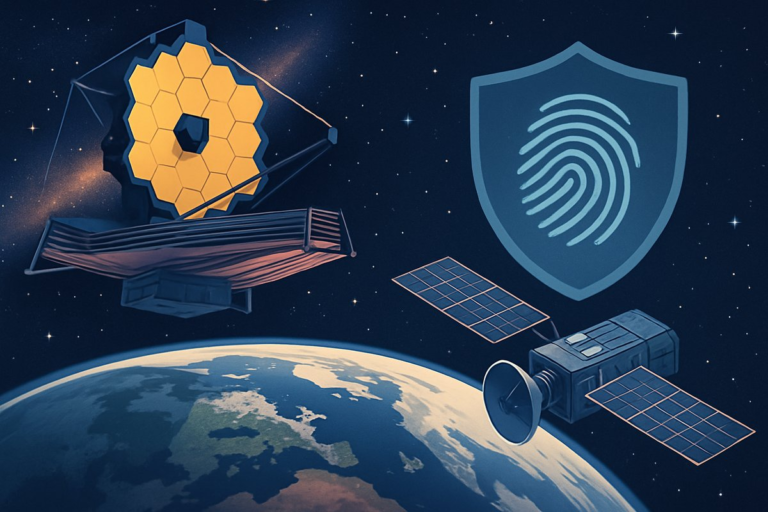
Advanced space telescopes and Earth-observing satellites are opening new frontiers in astrophysics and climate science, but they also collect immense volumes of terrestrial data. Balancing the promise of cosmic discovery with robust privacy protections requires a fresh ethical toolkit, transparent governance models, and next-level spyware detection in both orbit and on the ground.
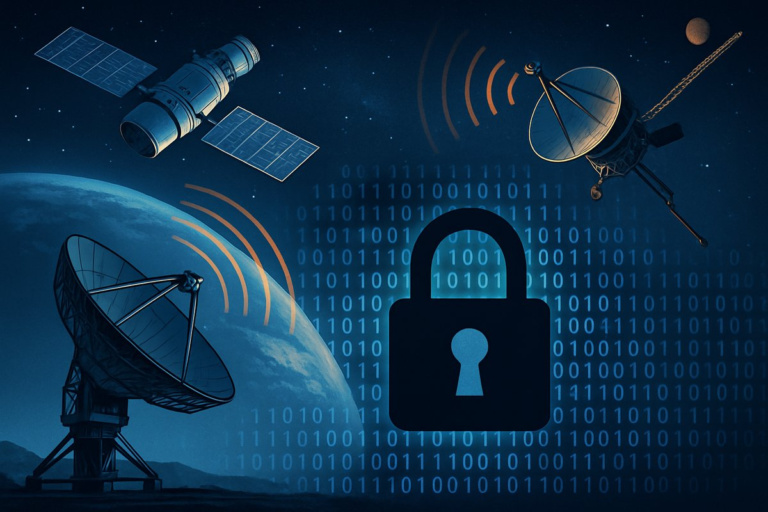
As radio telescopes, Earth observation satellites, and interplanetary probes capture unprecedented streams of data, a new battleground has emerged between cosmic science and individual privacy. From low-frequency interference in radio astronomy to proposals for in-orbit signal filters, policymakers and technologists are scrambling to protect digital rights and detect potential spyware hiding in space-derived datasets.
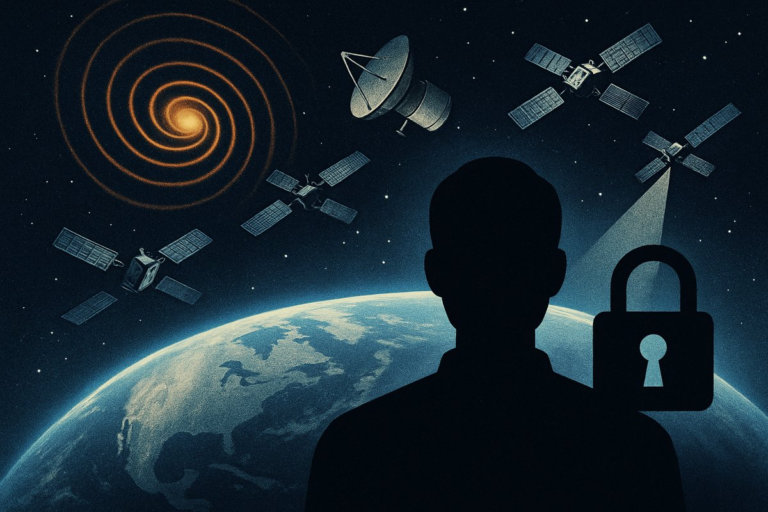
A surge in ultra-sensitive space-time probes and high-resolution imaging satellites is reshaping our understanding of the universe-and stirring unexpected privacy concerns on Earth. As detectors chase gravitational waves and constellations of cameras circle overhead, scientists and policymakers are grappling with how to protect individuals below these cosmic sentinels. The outcome will set new standards for ethical technology and digital rights in an era of unprecedented surveillance capabilities.