Location
Mount Vernon, WA 98274
Location
Mount Vernon, WA 98274

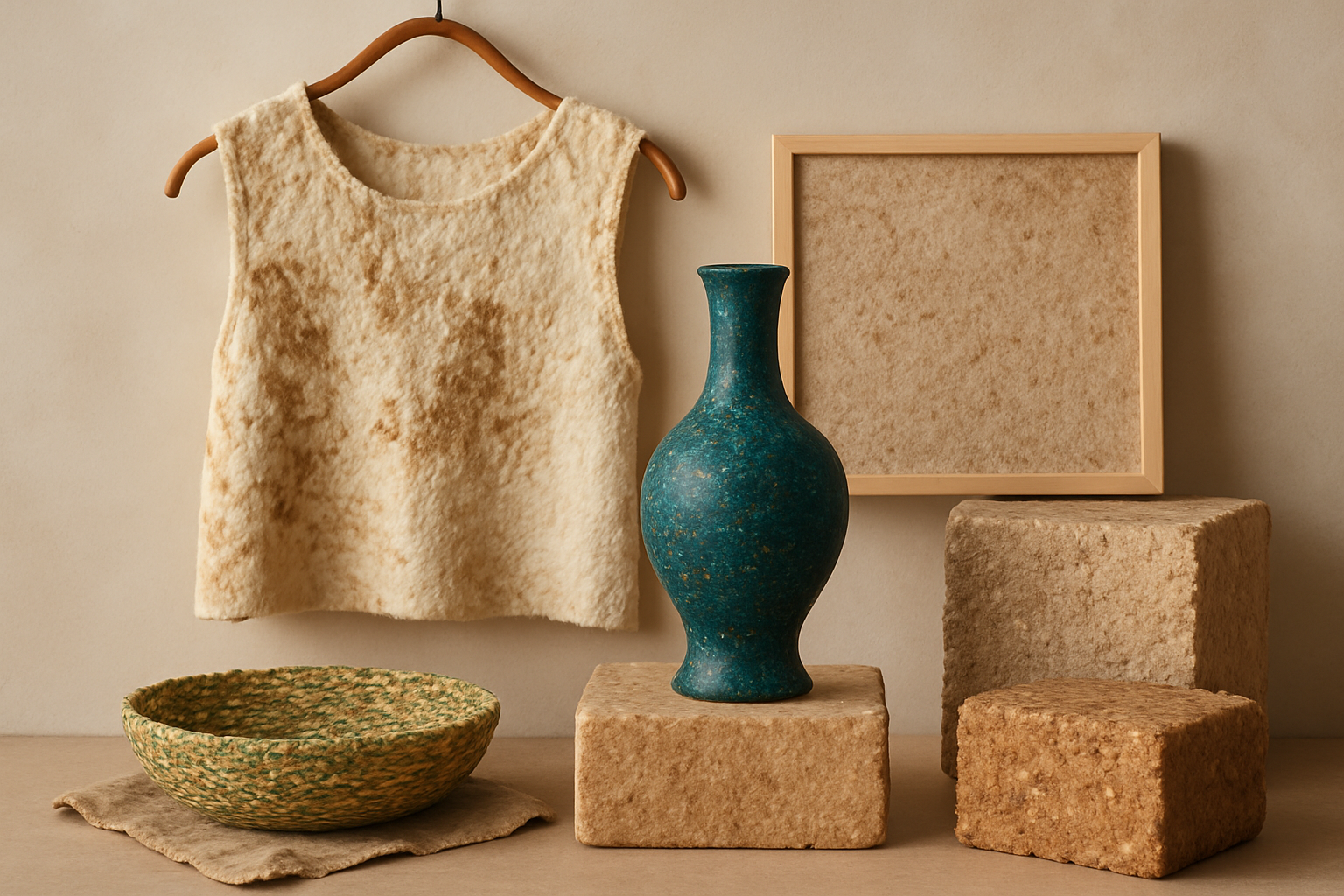
Artists and designers are increasingly turning to bio-based, recycled, and low-impact materials to push creative boundaries while addressing environmental challenges. From mycelium textiles to ocean-plastic sculptures, these innovations signal a shift toward more responsible practices without sacrificing aesthetic ambition.
Across studios and design labs worldwide, a quiet revolution is underway. Creative professionals are reimagining traditional processes by integrating sustainable materials that reduce waste, lower carbon footprints, and open up new aesthetic possibilities. What was once a niche conversation among eco-conscious artists has evolved into a mainstream movement-one that is redefining how we think about the origins of pigments, fibers, and substrates.
This article explores the latest breakthroughs in sustainable art and design materials, highlights compelling case studies, and offers practical guidance for makers interested in adopting eco-friendly supplies. Whether you’re a sculptor experimenting with recycled metals or a graphic artist curious about plant-based inks, these insights will illuminate the path toward a more sustainable creative practice.
Among the most exciting developments are bio-based materials derived from fungi, algae, and agricultural byproducts. Mycelium-a root-like structure of mushrooms-can be grown into flexible, leather-like sheets that are biodegradable and versatile. Design studios have used mycelium composites to craft everything from lamp shades to furniture prototypes. One design lab collaborated with local farmers to upcycle spent grain into mycelium substrates, cutting material costs by 30% and diverting waste from landfills.
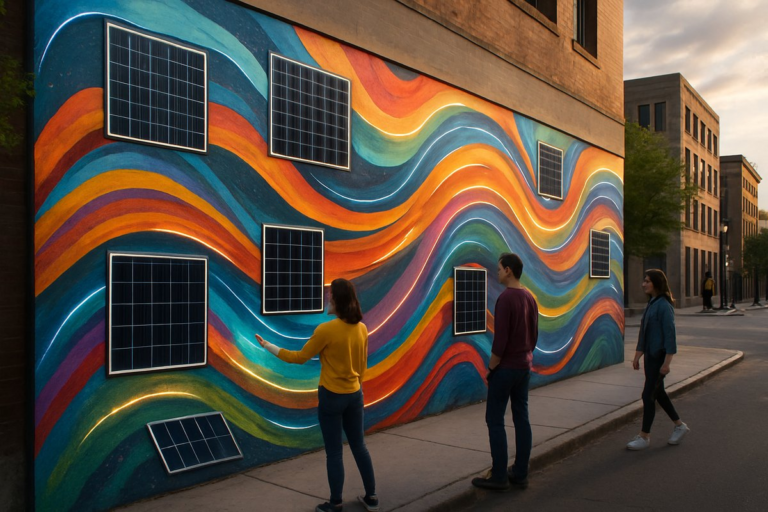
Algae-based paints and inks are also gaining traction. Unlike petroleum-derived pigments, algae inks capture carbon dioxide during production, resulting in a net reduction of greenhouse gas emissions. Artists have showcased large-scale murals using algae paints that shift hue under different lighting conditions, demonstrating both environmental benefit and creative potential.
Waste plastic continues to pose one of the most urgent environmental challenges, yet designers are converting ocean-bound and industrial plastics into sleek, durable surfaces. A collective of sculptors salvages fishing nets and water bottles, melting them down to create transparent acrylic panels with embedded textures reminiscent of coral reefs. Furniture brands have launched limited-edition seating lines made entirely from recycled ocean plastics, proving that high-end design and circular economy principles can coexist.
Metals recovered from demolition sites and electronic waste are finding new life in jewellery and industrial design. By refining scrap steel and aluminum onsite, metalworkers minimize transport emissions and energy consumption linked with conventional mining. A recent survey of design workshops revealed that over 60% of respondents had integrated at least one recycled metal process into their workflow within the past two years.
Textile artists are exploring plant-based fibers like hemp, nettle, and banana bark as sustainable alternatives to cotton and synthetic fabrics. Hemp grows rapidly without irrigation or pesticides, and its strong fibers yield long-lasting textiles. Meanwhile, artisans are reviving historical dye techniques using onion skins, avocado pits, and other food waste to achieve rich color palettes without toxic mordants.
Community workshops have sprung up in urban centers to teach natural dyeing methods, empowering creatives to transform kitchen scraps into vibrant fabrics. These hands-on sessions emphasize closed-loop principles: after dyeing, water and leftover plant matter can return to garden beds as fertilizer, completing a cycle of regeneration.
Advances in digital fabrication-CNC milling, 3D printing, and laser cutting-enable artists to optimize material usage with pinpoint accuracy. Parametric design tools allow creators to nest complex shapes within a single sheet of plywood or metal, reducing offcuts by up to 80% compared to traditional cutting methods. Fab labs around the world have adopted open-source software that calculates material yield and suggests adjustments to minimize waste.
On the additive side, biodegradable polymer filaments for 3D printers are now available in a spectrum of colors and textures. These bioplastics derive from corn starch, sugarcane, or other plant sugars, breaking down more readily at composting facilities than their petroleum-based counterparts. Designers prototyping product concepts can iterate quickly without worrying about contributing to the growing pile of plastic waste.
Earlier this year, a major art institution launched a touring exhibition showcasing sustainable design prototypes from across five continents. Each piece was created with materials sourced within a 300-mile radius of its respective studio, highlighting regional resources and traditional craftsmanship. From handcrafted paper made from local weeds to solar-activated kinetic sculptures, the exhibit demonstrated how context-driven material selection can tell compelling environmental narratives.
Visitors responded enthusiastically: attendance outpaced previous exhibitions by 40%, and audience surveys indicated that 78% felt inspired to explore eco-friendly practices in their own creative work. This modular exhibition model is now being adopted by other galleries, offering a blueprint for future shows that flexibly integrate site-specific, low-impact art.
Getting started with sustainable materials need not be daunting. Here are a few steps:
As industry demand for eco-friendly materials grows, economies of scale will drive costs down and increase availability. Emerging fields like molecular biomaterials and photoreactive coatings promise to unlock further possibilities-think self-healing surfaces or living sculptures that respond to humidity. Meanwhile, open-source communities are democratizing access to sustainable fabrication recipes and DIY protocols.
Ultimately, the goal is to create a circular creative economy where waste becomes feedstock and every design decision prioritizes planetary health. By embracing these materials and methods today, artists and designers are positioning themselves at the forefront of an industry-wide transformation-one that aligns aesthetic innovation with environmental stewardship.
The intersection of sustainability and creativity is one of the most fertile grounds for innovation in contemporary art and design. Whether you’re drawn to mushroom-based textiles or 3D-printed bioplastics, the expanding toolkit of eco-conscious materials offers endless opportunities to reshape how we make, exhibit, and consume visual culture. By embracing regional sourcing, precision fabrication, and cross-disciplinary collaboration, creative professionals can craft work that is both beautiful and responsibly produced.
As these sustainable materials continue to evolve, so too will the dialogue around what art and design can be-transformative forces that honor both human imagination and the natural world.