Location
Mount Vernon, WA 98274
Location
Mount Vernon, WA 98274


Across continents and cityscapes, scientists and communities are embracing nature-based solutions to tackle climate change, biodiversity loss, and urban resilience. This article explores the latest research on wetland restoration, green infrastructure in cities, community-driven conservation projects, and the emerging tech tools that are accelerating environmental science.
In the face of accelerating climate shifts, environmental scientists are turning back to Earth’s oldest engineers-plants, soils, and microbial ecosystems-to find scalable solutions. Unlike one-off engineering megaprojects, nature-based solutions harness the processes honed over millennia to address modern challenges. From restored marshes that sequester carbon to living walls that cool urban heat islands, these approaches are rapidly moving from pilot study to policy priority. As global funding for green infrastructure surpasses $150 billion in recent years, the question facing researchers and citizens alike is how to deploy these solutions equitably and at the speed that the climate crisis demands.
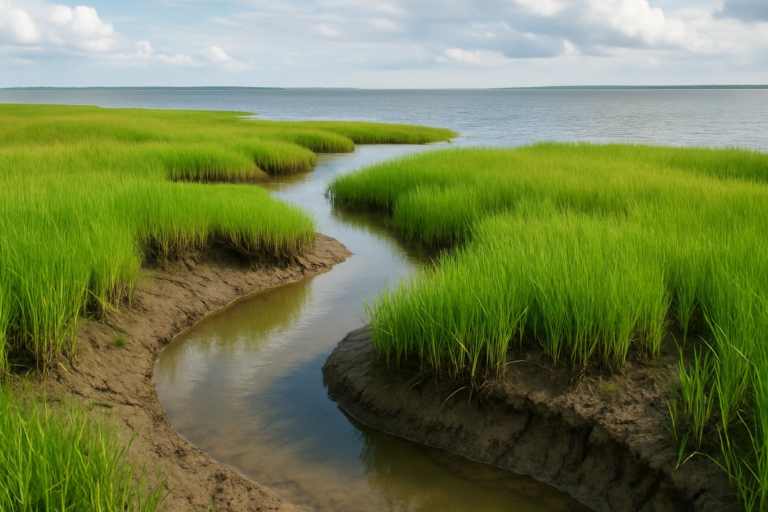
At the heart of every nature-based intervention lies a deep understanding of ecological processes. In wetlands, for example, plants trap sediment and cycle nutrients while anaerobic soils lock away large quantities of carbon. Recent satellite studies have shown that restored coastal marshes can sequester carbon at rates up to four times higher than mature forests on land. Similarly, urban forests and green roofs create complex canopies that intercept rainfall, filter pollutants, and reduce surface temperatures by absorbing solar radiation through evapotranspiration.
Research published in PLOS Biology last year demonstrated that combining native plantings with engineered soil amendments can boost carbon storage and improve biodiversity outcomes simultaneously. By rebuilding soil organic matter, these hybrid projects not only capture CO₂ more effectively but also create habitat for pollinators and soil fauna. This intersection of applied ecology and environmental engineering is sparking new collaborations between botanists, hydrologists, and material scientists.
Cities are ground zero for climate resilience challenges-flood risk, heat stress, air quality-but they also offer a concentrated opportunity for nature-based interventions. In Rotterdam, the Netherlands, municipal planners have converted over 2.7 million square feet of rooftops into green gardens, reducing annual air temperatures by up to 2°C in some neighborhoods. Meanwhile, Seoul’s ambitious ‘Cheonggyecheon Stream Restoration Project’ reintroduced a natural waterway beneath a former highway, improving air quality and creating a thriving corridor for fish and amphibians.
In North America, pilot projects in Philadelphia and Chicago are demonstrating how green infrastructure can be integrated into stormwater management systems. Bioswales-landscaped drainage areas filled with deep-rooted vegetation-capture and filter runoff, reducing combined sewer overflows that pollute waterways. A study by the University of Pennsylvania found that every dollar invested in bioswale construction can yield up to $2.3 in flood-damage avoidance benefits.
These successes are prompting other cities to adopt living walls and tree trenches as standard practice. By embedding ecosystem services into public space design, municipalities are transforming sidewalks into mini-wetlands and parking lots into carbon sinks. The key challenge now is replicating these designs at scale while ensuring equitable access to green amenities in underserved neighborhoods.
In parallel with academic research, community groups and nonprofits are leading hands-on restoration across continents. In Scotland, volunteers are rebuilding blanket peatlands-an ecosystem that once covered nearly 75% of the country-to restore lost carbon stocks and reduce wildfire risk. Using traditional tools and guided by drone surveys, small teams have revived over 1,200 hectares of degraded moorland through re-vegetation and ditch-blocking techniques.
Across the Pacific, island communities are deploying low-cost coral nurseries to rebuild reef structures damaged by bleaching events. By attaching sculpted substrates to underwater frames, citizen divers are giving juvenile corals a head start, which can boost survival rates by more than 50%. Data gathered by these divers are fed into open-source platforms, creating real-time maps of reef health that inform future restoration priorities.
Citizen science is also playing a crucial role in urban biodiversity monitoring. Smartphone apps allow residents to photograph pollinators, record amphibian calls at night, and map invasive plant sightings. These crowd-sourced datasets have already revealed previously undocumented habitats for rare bee species and alerted researchers to the early stages of invasive algae outbreaks in public lakes.
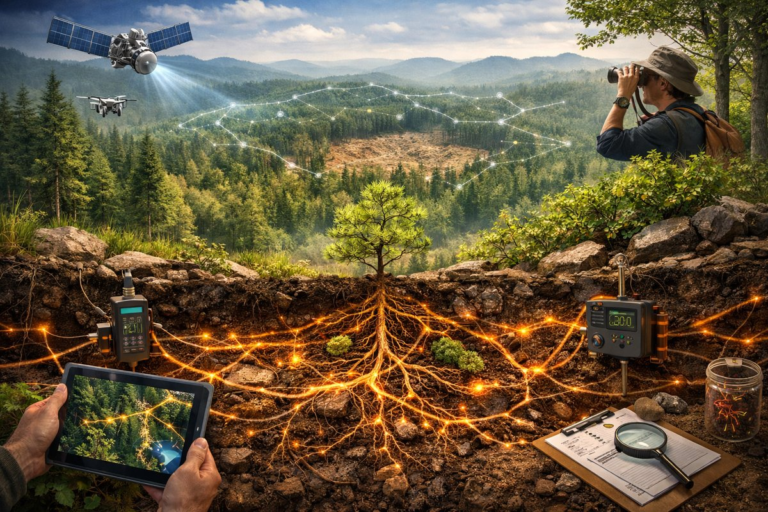
While the ethos of nature-based solutions is rooted in simplicity, advanced tools are supercharging research and deployment. High-resolution satellite imagery paired with machine-learning algorithms can now detect changes in vegetation health, soil moisture, and coastal erosion on a weekly cadence. In the Amazon basin, scientists use drones equipped with multispectral cameras to monitor illegal logging, providing enforcement agencies with near-real-time alerts when canopy cover falls below critical thresholds.
On the ground, portable sensors track greenhouse gas fluxes in restored ecosystems, enabling researchers to quantify carbon trade-offs with unprecedented precision. Acoustic sensor networks, originally developed for security applications, are being repurposed to record wildlife activity patterns in restored habitats. By combining audio data with AI-driven species recognition, ecologists can measure how quickly birds, frogs, and insects return-offering a new metric for restoration success.
These technological advances are dismantling barriers between lab-scale experiments and field implementation. Cloud-based dashboards allow conservation teams in remote regions to upload data via satellite phones, share results instantly with urban centers, and adjust management strategies on the fly.
Despite growing enthusiasm, nature-based solutions face both logistical and social hurdles. Securing stable funding streams remains a major concern: projects that rely on short-term grants often stall before ecosystem processes fully stabilize. Equally important is ensuring that interventions do not displace vulnerable communities. In some cities, green gentrification-where rising property values follow park renovations-has sparked controversy and underscored the need for inclusive planning.
Policy frameworks are evolving to address these issues. The United Nations Environment Programme has released guidelines for equitable benefit-sharing in restoration projects, emphasizing co-management with indigenous and local stakeholders. Carbon markets, too, are refining their protocols to credit community-led conservation, rather than only large-scale industrial plantations.
On the funding side, innovative financial instruments are emerging. Green bonds dedicated to ecosystem services are attracting private investors, while public-private partnerships are leveraging both government grants and corporate sustainability pledges. This blended finance model is projected to mobilize an additional $50 billion annually for nature-based projects by the end of the decade.
As global biodiversity and climate targets converge at upcoming international summits, nature-based solutions are set to occupy center stage. Scientific consensus is coalescing around the notion that protecting and restoring a critical mass of ecosystems could deliver up to 37% of the emissions reductions needed by mid-century. Moreover, these approaches yield co-benefits for water security, food production, and human health.
Going forward, the most successful projects will blend rigorous ecological science with community leadership and adaptive management. Researchers must continue refining predictive models, while policymakers create enabling environments for long-term stewardship. Equally, citizens can participate as volunteers, donors, and informed voters who support green infrastructure in their own backyards.
The pathway to a resilient future is woven into the fabric of nature itself. By recognizing and amplifying these living systems, we can unlock solutions that are both effective and regenerative-and ensure that the next chapter in environmental science is written with respect for the planet’s intricate wisdom.