Location
Mount Vernon, WA 98274
Location
Mount Vernon, WA 98274

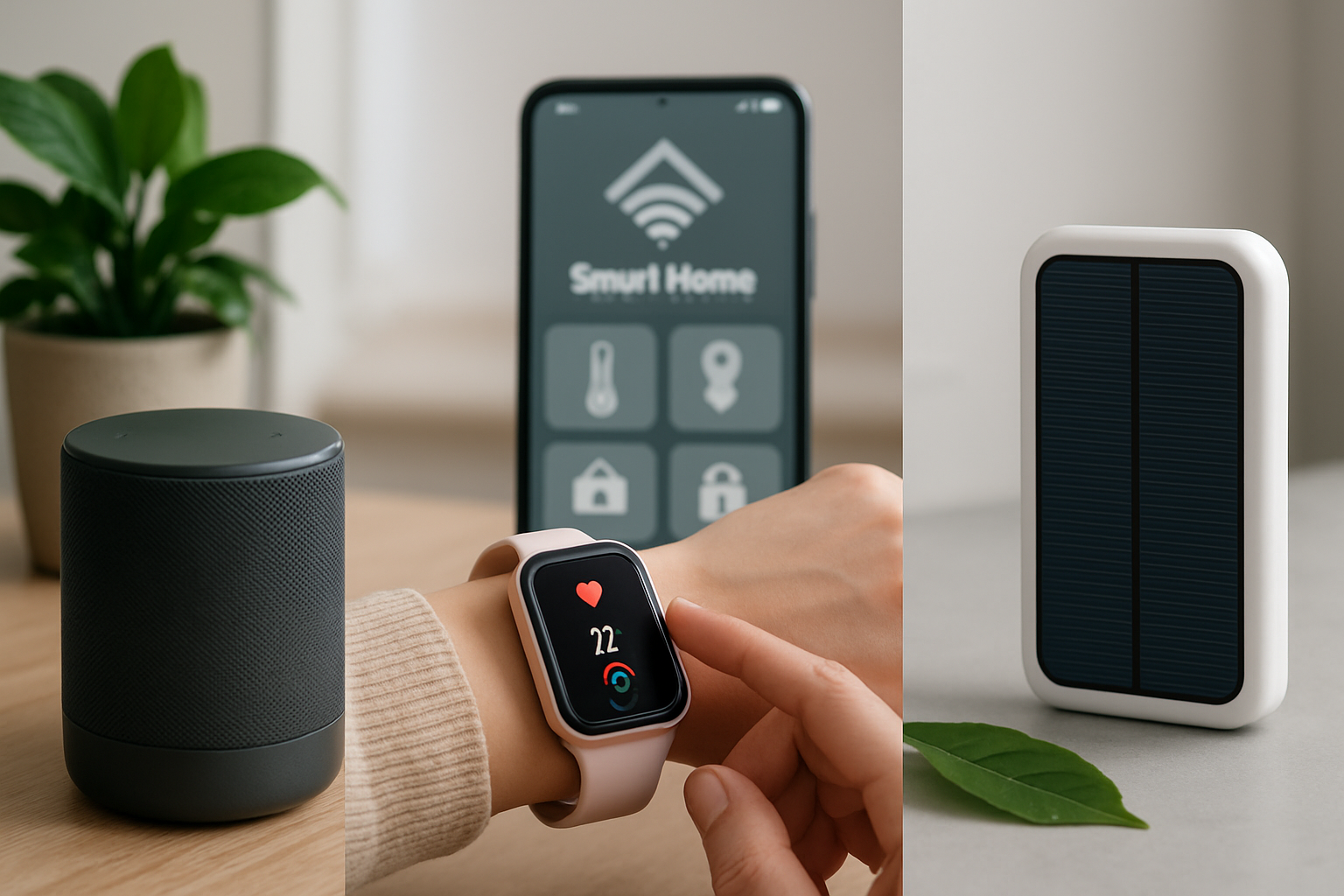
From AI-powered personal assistants to sustainable gadget design, the consumer electronics landscape is evolving rapidly. This article explores the latest trends in smart home devices, wearable health tech, and eco-friendly gadgets, highlighting how innovation is reshaping everyday life.
In today’s fast-paced world, technology and gadgets continue to redefine how we interact with our surroundings and each other. Breakthroughs in artificial intelligence, sustainable materials, and connectivity are arriving at a record pace, empowering consumers with tools that were once confined to science fiction. Whether it’s a pocket-sized device that monitors vital signs or a home hub that learns individual preferences, the focus is shifting toward intelligent, personalized experiences. Meanwhile, concerns about environmental impact and data privacy are prompting manufacturers to rethink design and functionality from the ground up. According to industry analysts, global spending on consumer electronics is projected to grow steadily, driven by demand for smarter, more sustainable solutions. Cross-industry collaborations are also on the rise, with companies from health care, automotive and entertainment working together to deliver devices that not only entertain but also promote well-being and safety. This convergence of disciplines underscores the need for modular designs, open platforms and robust security to handle the complexity of modern ecosystems.
Artificial intelligence is no longer a novelty feature reserved for high-end research labs. Today, AI capabilities are embedded in an ever-expanding array of consumer gadgets, from earphones that translate multiple languages in real time to compact laptops that suggest content creation shortcuts. Recent product launches include wireless earbuds that use on-device machine learning to adapt noise cancelling profiles based on ambient noise patterns and portable translator devices that support dozens of dialects offline. Cameras and smartphones now leverage neural processing units to enhance low-light images, remove unwanted objects in real time and automatically organize photos by faces and scenes.
Beyond visual and audio enhancements, AI is powering purpose-built handheld assistants that help users manage busy schedules through voice prompts, summarize meeting recordings or generate quick meal plans based on dietary preferences. Edge computing advances mean that these intelligent functions can run locally without constant internet access, improving responsiveness and preserving privacy. Industry research suggests that the market for AI-integrated gadgets could expand at a compound annual growth rate of more than 25 percent over the next few years, as chips become more energy efficient and software frameworks grow more accessible for developers.
As electronic waste mounts worldwide, sustainability has become a priority for eco-conscious consumers and manufacturers alike. The modular design approach offers a compelling solution, allowing users to repair or upgrade individual components rather than discarding entire devices. Companies are now offering phone cases with replaceable camera modules, battery units and even display panels, reducing the need to buy new hardware when a single element fails. This trend aligns with right-to-repair initiatives in several regions that encourage transparent schematics and easy access to spare parts.
Materials science is also making strides, with biodegradable plastics, recycled metals and plant-based polymers appearing in everything from charging cables to smart home speakers. Solar-powered chargers and wireless charging pads that harvest ambient light are entering the mainstream, offering off-grid power in portable form factors. Moreover, certification programs now evaluate the carbon footprint, energy efficiency and end-of-life recyclability of gadgets, giving consumers clear metrics to compare products. These developments signal a shift toward an industry model that balances innovation with responsibility.
Wearable devices have evolved far beyond simple fitness trackers, branching into medical-grade monitoring and personalized wellness guidance. Rings, wristbands and patches can now measure heart rate variability, blood oxygen saturation, stress levels and even blood glucose in certain preclinical designs. Data collected by these wearables can trigger alerts for arrhythmias or dehydration, and sync securely with telehealth apps to facilitate remote consultations with health care professionals.
Sleep tracking technology has also seen significant upgrades, employing accelerometers, skin conductance sensors and precise temperature measurements to analyze sleep stages and detect breathing irregularities. Some advanced models use haptic feedback to gently nudge users during mild insomnia episodes, aiming to restore natural sleep patterns without relying on medication. As privacy regulations evolve, manufacturers are emphasizing end-to-end encryption and user-controlled data sharing to build trust, ensuring sensitive health metrics remain under individual control.
Connectivity innovations are underpinning the performance of many modern gadgets. The rollout of next-generation wireless standards like Wi-Fi 6E and the broader expansion of 5G networks are delivering unprecedented data speeds and ultra-low latency. Portable 5G hotspots equipped with multiple antennas and advanced beamforming technologies can support simultaneous connections for gaming laptops, drones and home office setups all at once.
Mesh networking solutions are gaining traction for smart home configurations, eliminating dead zones and enabling seamless handoff for security cameras, smart locks and streaming devices. These routers often integrate AI-driven traffic optimization, dynamically allocating bandwidth based on user priorities such as video conferencing or online gaming. Battery-powered mesh extenders make it easier to retrofit older homes without extensive wiring, enabling truly comprehensive coverage in larger living spaces.
With gadgets collecting ever more personal data, security and privacy have become central to product design. Leading manufacturers are incorporating hardware-based encryption modules that safeguard sensitive information at rest, while secure enclaves isolate biometric templates and encryption keys from the main operating system. Many routers and IoT hubs now offer built-in virtual private network (VPN) services, ensuring that outbound traffic is encrypted by default.
Open source firmware projects provide additional transparency for security- minded users, allowing them to inspect code and apply community-driven patches. Multi-factor authentication, biometric locks and time-based passcodes are becoming standard features on both handheld and home devices. Meanwhile, regulatory frameworks in various markets require clearer disclosures on data handling practices, empowering consumers to make informed decisions and revoke permissions when needed. This combined focus on hardware, software and policy is laying the groundwork for a more secure connected ecosystem.
Looking ahead, several nascent technologies promise to push the boundaries of gadget innovation even further. Foldable and rollable display panels are entering pilot production for smartphones and tablets, enabling pocket-sized consoles that unfold into tablet-like workstations. Augmented reality glasses are becoming lighter and more powerful, bringing context-aware overlays for navigation, translation and hands-free collaboration.
Brain-computer interface prototypes, though still in early stages, hint at direct neural control for simple commands, while consumer-accessible quantum encryption tools could one day secure peer-to-peer communications against even the most sophisticated attacks. Biometric sensors woven into fabrics and wearable patches may unlock continuous monitoring of stress markers and metabolic indicators without traditional hardware bulk. As these breakthroughs mature, developers and early adopters alike will explore fresh applications in fields ranging from gaming and education to personal safety and urban mobility.
The landscape of consumer technology is evolving at a breathtaking pace, driven by advances in artificial intelligence, sustainable design and seamless connectivity. Whether you are a tech enthusiast seeking the latest AI-powered gadget or an everyday user looking to improve wellness, the current wave of innovations offers something for everyone. By prioritizing modularity, privacy and environmental impact, manufacturers are charting a new path that balances cutting-edge performance with ethical responsibility. As new trends emerge over the horizon, staying informed and choosing devices that align with personal values will be key to navigating the future of gadgets and elevating our daily experiences.