Location
Mount Vernon, WA 98274
Location
Mount Vernon, WA 98274

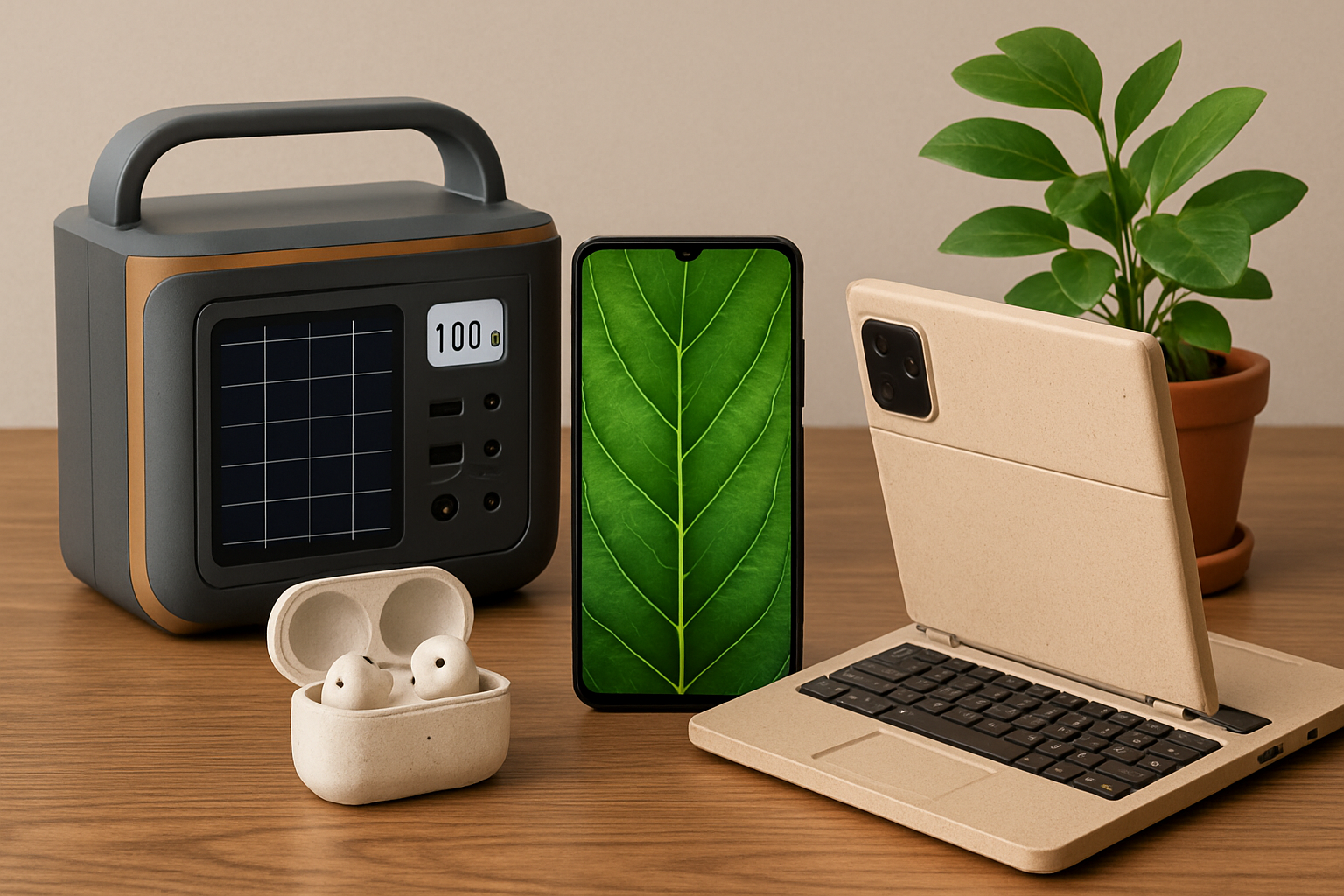
A new wave of consumer technology puts sustainability, privacy and real-world utility front and center. From portable power stations that harness the sun to modular devices built to last, today's gadgets prioritize eco-friendly materials and adaptable designs-helping users stay curious, connected and in control.
The consumer tech market has long been driven by flashy launches and speed records. Yet beneath the buzz around performance benchmarks and futuristic demos, a subtler revolution is quietly unfolding. Today’s most intriguing gadgets seek not simply to outdo last year’s model but to mesh better with daily routines, minimize environmental impact and safeguard personal data. This isn’t a trend limited to early-adopter circles: a 2023 survey by the Consumer Technology Association found that 68 percent of buyers now rank sustainability and privacy as top purchase drivers. In this article, we explore seven categories of practical, modular and conscious gadgets that prove innovation need not come at the expense of planet or peace of mind.
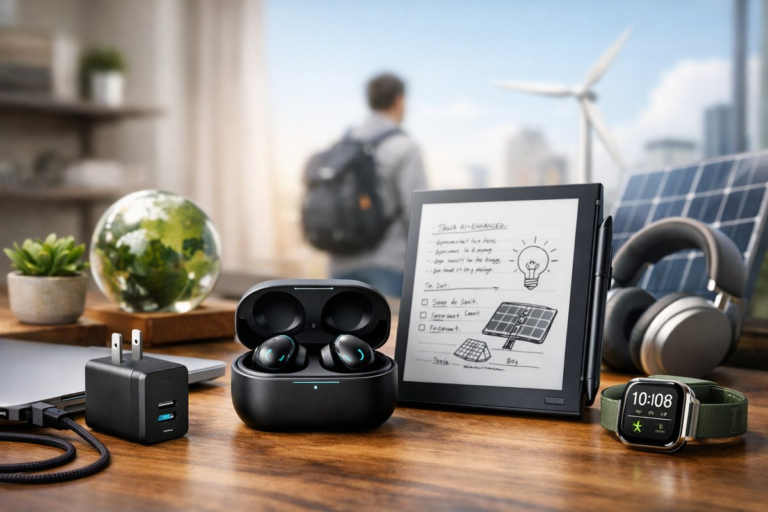
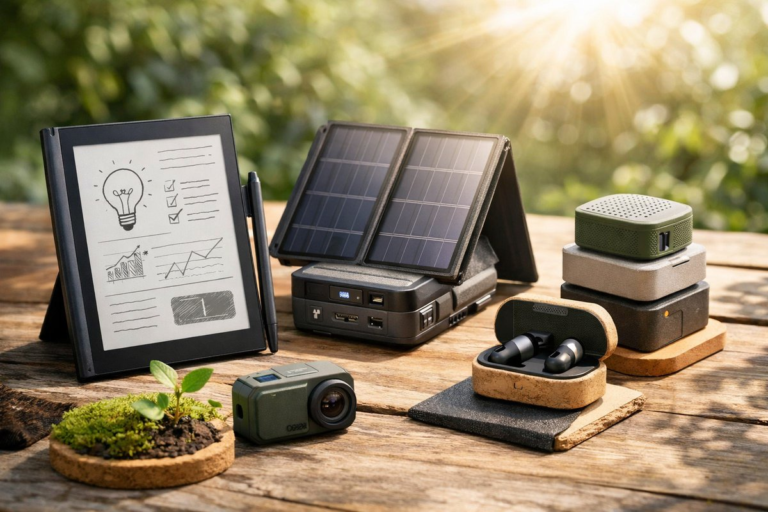
Portable solar chargers have matured beyond hobbyist phase. Lightweight panels now fold down to about the size of a hardcover novel and deliver up to 25 watts of power-enough to keep a smartphone and wireless earbuds running through a camping weekend. Companies are also experimenting with flexible, textile-based photovoltaics that can be stitched into backpacks and jackets. These fabrics convert ambient light into electricity, charging small wearables directly.
Meanwhile, compact power stations with built-in lithium iron phosphate batteries offer safer, longer lifespans than traditional lithium-ion packs. Weighing under three kilograms and featuring multiple output ports-including AC sockets and USB-C-they double as emergency backup systems for home use. As off-grid living and outdoor adventure grow more mainstream, these clean-energy solutions are redefining what it means to stay charged anywhere.
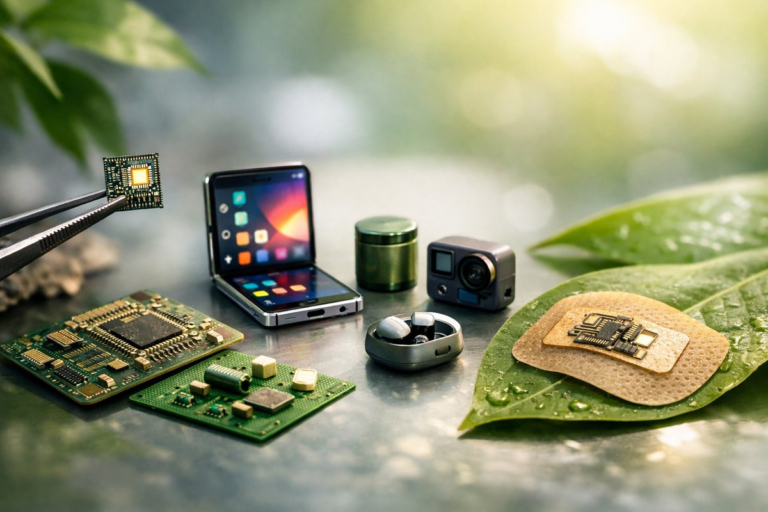
Beyond fixed-camera smartphones and sealed-unit power banks, a new class of modular gadgets is encouraging longer upgrade cycles. Interchangeable camera modules let users swap in a macro lens for close-up shots or a telephoto lens for distant subjects without replacing the entire phone. Repairability scores have become a key metric for many buyers: some brands now publish step-by-step guides showing how to replace battery packs, speakers and even wireless chips using standard screwdrivers.
Modular smartwatches also offer swappable sensors. Want an electrocardiogram feature this month and a body-temperature tracker next? Just click on the appropriate module. This plug-and-play approach reduces electronic waste by letting hardware evolve with each user’s needs. In fact, a 2022 study from the Global E-Waste Monitor reported that modularity could cut gadget disposal rates by up to 40 percent over five years, underscoring its potential impact.
Augmented reality (AR) glasses once felt niche and futuristic. Today, lightweight frames with transparent lenses are emerging from stealth mode, designed to overlay step-by-step instructions on kitchen counters, project navigation cues onto car windshields and even translate foreign text in real time. Unlike earlier bulky headsets, these next-gen wearables integrate discreet bone-conduction speakers and inward-facing cameras to map the surrounding environment.
In a practical test, users reported a 30 percent reduction in cooking mistakes when following AR-guided recipes, compared to screen-only tutorials. Contractors, interior designers and medical students are also piloting AR glasses to visualize blueprints or anatomy without constantly switching focus between physical space and a separate display. As developer kits proliferate, expect a wave of specialized apps that turn eyewear into productivity multipliers rather than mere novelty items.
The smart speaker explosion showed how seamless voice control can be-but not without raising questions about data collection. Today, a growing number of startups are building privacy-centric alternatives that process voice commands locally, without routing audio through corporate servers. Open-source firmware and hardware kill switches give users transparency into what’s being recorded and when.
On the wearable side, smart rings and fitness trackers are incorporating encrypted storage so that raw biometric data can stay on the device until the user explicitly chooses to sync. Some devices now offer on-device machine learning for sleep analysis and stress detection, meaning insights emerge without any raw data ever leaving the ring or watch. This decentralized approach aligns with broader calls for digital sovereignty and helps users reclaim control over their personal information.
Technology often compounds stress, but a wave of “mindful gadgets” aims to do the opposite. Earbuds now measure real-time heart rate variability (HRV) to assess stress levels and adapt noise-cancellation profiles automatically. If sensors detect rising tension, the earbuds can cue a gentle breathing exercise or shift to a lighter volume to prevent audio fatigue.
Biofeedback rings and wearable patches equipped with electrodermal activity sensors track subtle changes in skin conductance-a proxy for emotional arousal. Mobile apps translate that data into personalized prompts: a short guided meditation, a posture correction alert or simply a notification to step outside for fresh air. By closing the feedback loop between body and app, these gadgets encourage healthier, more proactive habits without feeling intrusive.
The headline-grabbing foldable displays aren’t just for ultra-expensive prototypes any more. Lower-cost models are entering mid-range markets, offering tablets that bend down to phone size and pocketable screens that unfold to nearly the dimensions of a small laptop. Advances in polymer hinges and scratch-resistant coatings are making these form factors more durable and mainstream.
Haptic-feedback suits and gloves, once confined to professional VR labs, are trickling into consumer spaces-especially in remote collaboration and online education. Imagine feeling the texture of a digital sculpture or sensing the resistance of a virtual piano key. While still early days, these tactile interfaces hint at deeper immersion across gaming, design and rehabilitation therapies.
With so many new features on offer, it’s easy to chase specs and overlook practical trade-offs. Here are four quick guidelines:
• Battery longevity over raw capacity: A smaller, easily removable battery that lasts two years may trump a larger built-in cell that degrades steadily.
• Repairability ratings: Check whether the manufacturer publishes a repair manual or offers spare parts. A device that lets you swap a broken screen or dead speaker is often a smarter investment.
• Open-source credentials: Gadgets with community-audited firmware prevent hidden backdoors and ensure updates continue even if the original company changes direction.
• Sustainability labels: Look for products that disclose carbon footprint data or use recycled materials. Third-party certifications from eco-tech initiatives provide an extra layer of assurance.
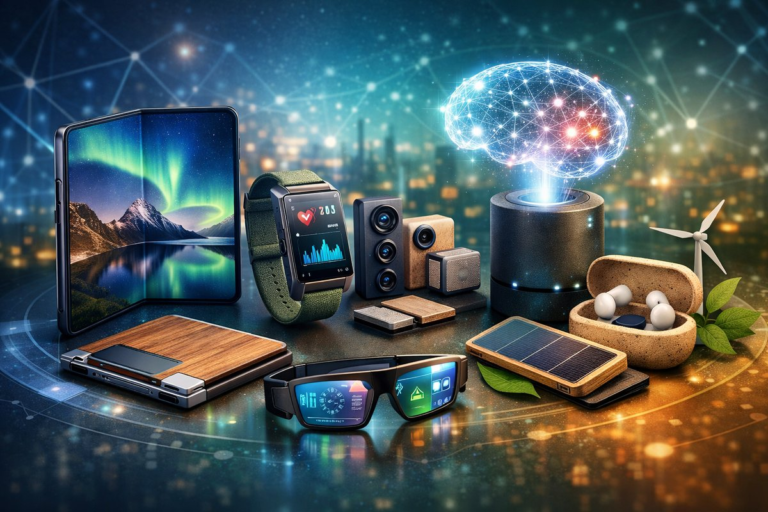
The latest wave of gadgets signals a maturation in consumer tech: one where novelty must intersect with purpose, and where each new device can be an agent of positive change. Whether you’re harnessing the sun on a backpack or securing your conversations at home, today’s tools invite us to ask not just what technology can do but how it should do it. By prioritizing sustainability, modularity and privacy, these practical innovations embody a future where staying connected goes hand in hand with caring for ourselves and the planet.