Location
Mount Vernon, WA 98274
Location
Mount Vernon, WA 98274

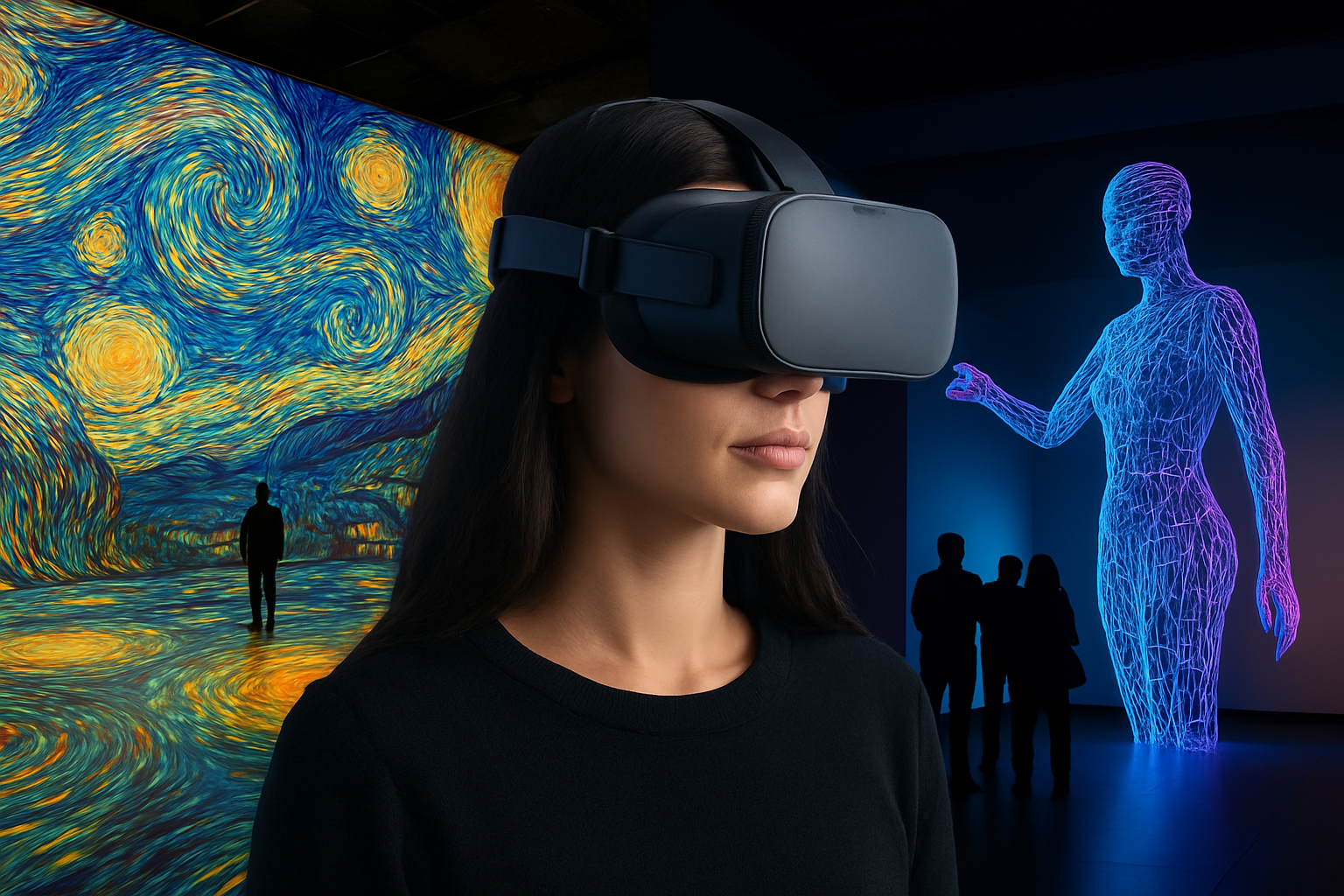
From projection mapping to virtual reality exhibitions, the intersection of art and technology is creating immersive experiences that engage audiences in unprecedented ways. This article explores how galleries, public art programs, and online platforms are leveraging digital tools to expand creative horizons and foster deeper connections between artists and communities.
In recent years, the art world has undergone a profound transformation as digital technologies and interactive mediums moved from niche experiments to mainstream exhibition strategies. What began as experimental installations at technology festivals has now become a cornerstone of museum programming, public art projects, and commercial galleries worldwide. Audiences no longer passively observe static canvases or sculptures-they step into environments that shift, respond, and evolve based on their presence and interaction.
The rise of these immersive experiences is driven by a convergence of factors: advances in real-time rendering, more accessible hardware for projection mapping and virtual reality (VR), and a growing appetite among creators and institutions to blur the line between physical and digital. According to a 2023 survey by the International Art Tech Association, 72% of cultural institutions plan to allocate increased budgets to digital initiatives over the next two years. This commitment underscores a broader shift in how art is conceived, presented, and experienced.
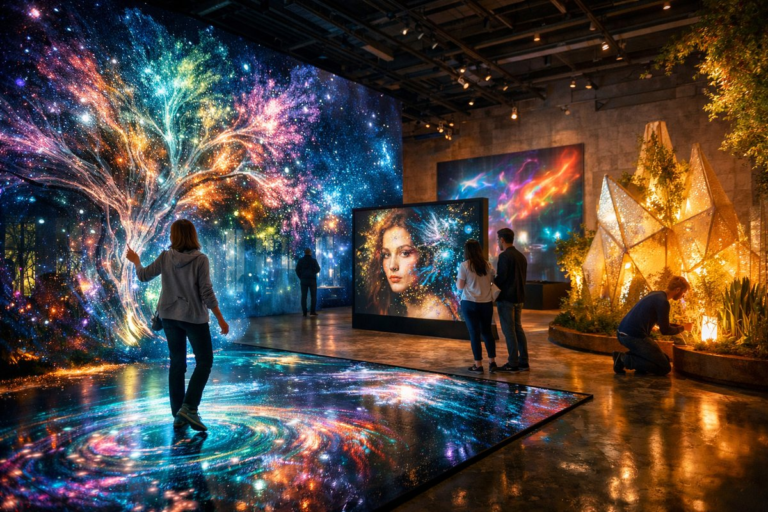
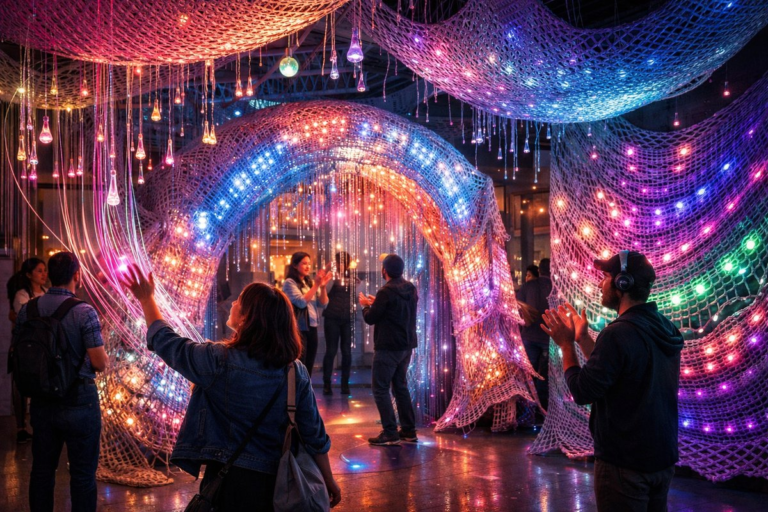
Projection mapping once required specialized studios and massive budgets. Today, portable projectors with advanced keystone correction and edge blending make it feasible for small galleries and independent artists to transform entire rooms into living canvases. These tools project moving imagery onto architectural surfaces, turning walls, floors, and ceilings into dynamic stages for color, texture, and pattern. Visitors navigate shifting perspectives, discovering hidden layers of data visualization, abstract animation, or narrative content woven into the projected display.
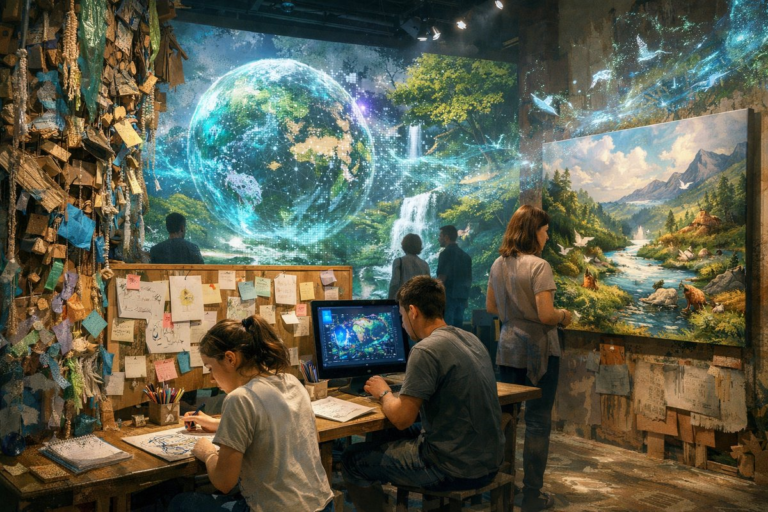
Virtual reality is another frontier rapidly gaining traction. Pop-up VR art exhibitions have appeared in major cultural hubs, offering wearable headsets that transport audiences into digital realms shaped entirely by an artist’s vision. In one recent example, a non-profit gallery hosted a series of VR installations that recreated the flora and fauna of endangered ecosystems. Visitors could walk through a virtual rainforest, triggering audio recordings of native bird calls and interactive sculptures that responded to hand gestures. These experiences have proven effective at engaging new demographics-surveys indicate that nearly 60% of attendees were first-time gallery visitors.
As data visualization tools become more powerful and accessible, artists are experimenting with live data streams to generate evolving installations. In several cities, public squares now feature LED panels and interactive kiosks that transform environmental metrics-air quality, pedestrian flow, noise levels-into kaleidoscopic light shows. These projects invite passersby to reflect on urban life through an aesthetic lens, turning raw numbers into sensory narratives.
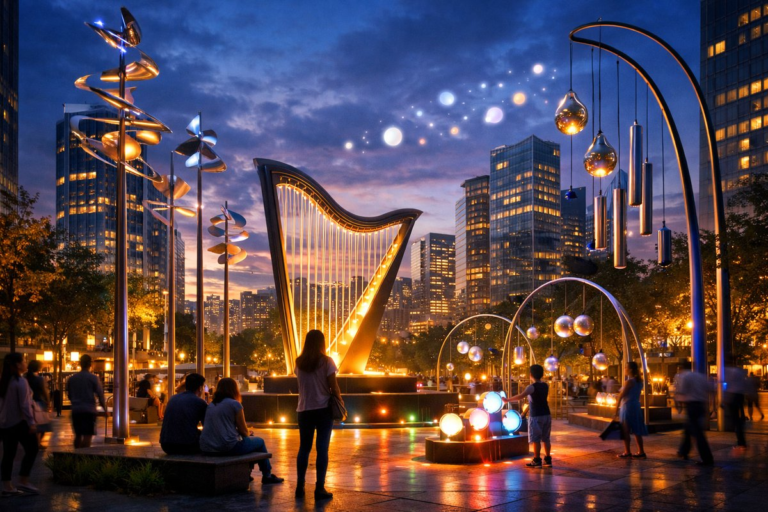
One municipal art initiative used open data on water consumption to drive a kinetic sculpture. Motorized fins on a towering installation shifted in real time, reflecting fluctuations in resource usage across the district. During peak hours, the piece performed complex choreography; late at night, it moved with serene minimalism. By integrating live feeds, artists create works that never present the same image twice, fostering a sense of discovery with every visit.
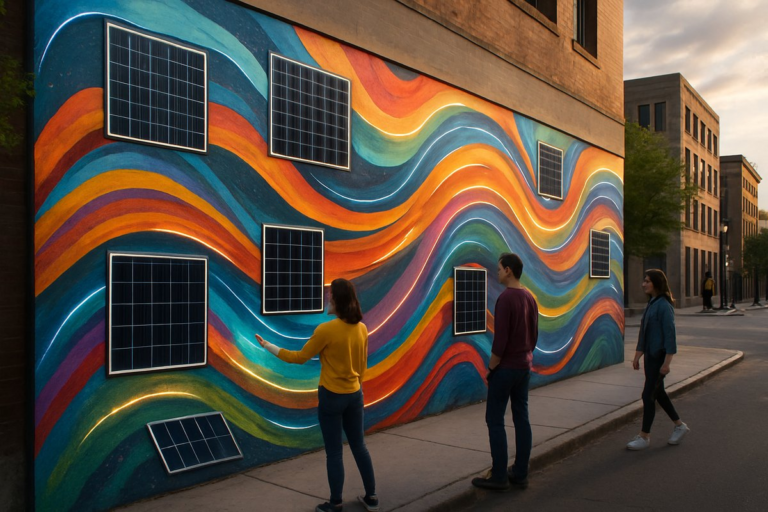
Public art has always aimed to bridge communities, but interactive installations take engagement a step further by inviting collective participation. In several urban neighborhoods, murals incorporate motion sensors that trigger soundscapes or light sequences when someone walks by. This responsive quality turns a passive backdrop into an active participant in the street’s daily rhythms.
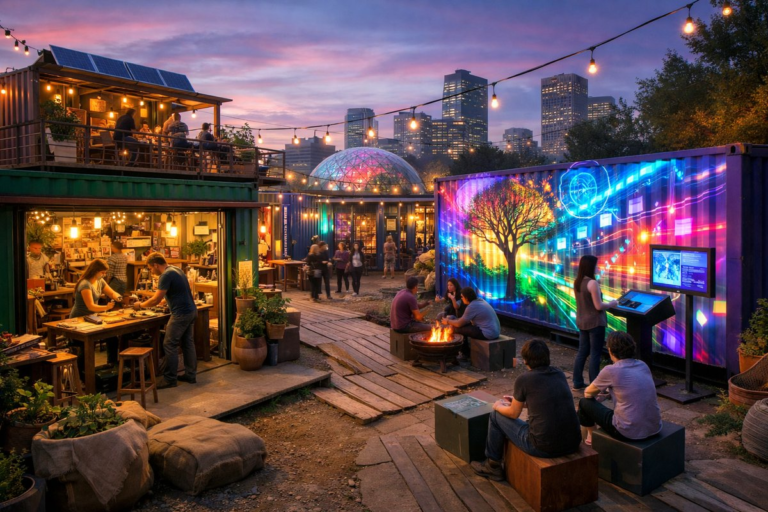
Community workshops and hackathons are emerging as collaborative incubators where local residents, designers, and tech volunteers co-create these installations. Workshops might cover basics of Arduino programming or simplified projection techniques, empowering participants to code their own visuals or sounds. By demystifying the technology, organizers help transform spectators into co-authors of public art, fostering a stronger sense of ownership and pride.
While in-person installations flourish, digital platforms are expanding the reach of interactive art. Virtual art fairs and online biennales allow anyone with an internet connection to explore gallery booths, attend artist talks, and purchase limited-edition prints or digital tokens. These hybrid events have proven especially vital in regions where travel restrictions or infrastructure limitations make traditional exhibitions inaccessible.
Several leading art portals now feature “digital twin” galleries-complete 3D reconstructions of physical spaces that users can navigate with a mouse or VR controller. These replicas faithfully preserve the scale and texture of artworks, offering detailed close-ups and contextual background information. Embedded chat functions let visitors ask questions in real time, while social media integration encourages live commentary and shared viewing experiences.
Despite the excitement surrounding interactive and digital art, challenges remain. Data privacy is a pressing concern when installations collect biometric or location data. Responsible practitioners adopt transparent data policies, anonymize user inputs, and secure all information on encrypted servers. Clear consent mechanisms-such as opt-in prompts displayed on screens-help maintain trust between artists, institutions, and audiences.
Another consideration is the digital divide. Not all communities have reliable internet access or the devices needed to fully participate in hybrid events. Non-profit organizations and municipal agencies are experimenting with mobile art vans outfitted with satellite internet, VR headsets, and projection setups to bring interactive experiences directly to underserved neighborhoods. These mobile labs rotate through schools, libraries, and community centers, ensuring broader access to cutting-edge creative technology.
The next wave of interactive art and design will be defined by increasing personalization and adaptability. Machine learning algorithms can already curate exhibition pathways based on an individual’s engagement patterns, recommending works that resonate with their tastes or past interactions. Imagine walking into a gallery where ambient lighting and soundtrack shift subtly in response to your emotional state, as measured by wearable devices.
In architectural design, adaptive facades embedded with sensors and actuators will transform buildings into living sculptures-structures that change shape, color, or transparency based on weather conditions or the flow of people. These “smart surfaces” will redefine the boundaries between interior and exterior, art and function.
As technology continues to evolve, the most compelling creations will arise where human ingenuity meets digital possibility. By embracing interdisciplinary collaboration-uniting code writers with painters, engineers with performance artists-the art world will continue to break new ground, offering audiences immersive experiences that provoke curiosity, empathy, and wonder.
The fusion of art and technology is not a fleeting trend but a lasting transformation in how creative expression is imagined and shared. From VR galleries that transport us to otherworldly landscapes, to community-driven installations that illuminate data in aesthetic form, interactive art invites us to become active participants in the stories it tells. As institutions, artists, and audiences navigate this evolving landscape, one thing is clear: the boundaries between maker and observer are dissolving, ushering in an era of co-creative experiences that promise to reshape our understanding of art and design for years to come.