Location
Mount Vernon, WA 98274
Location
Mount Vernon, WA 98274

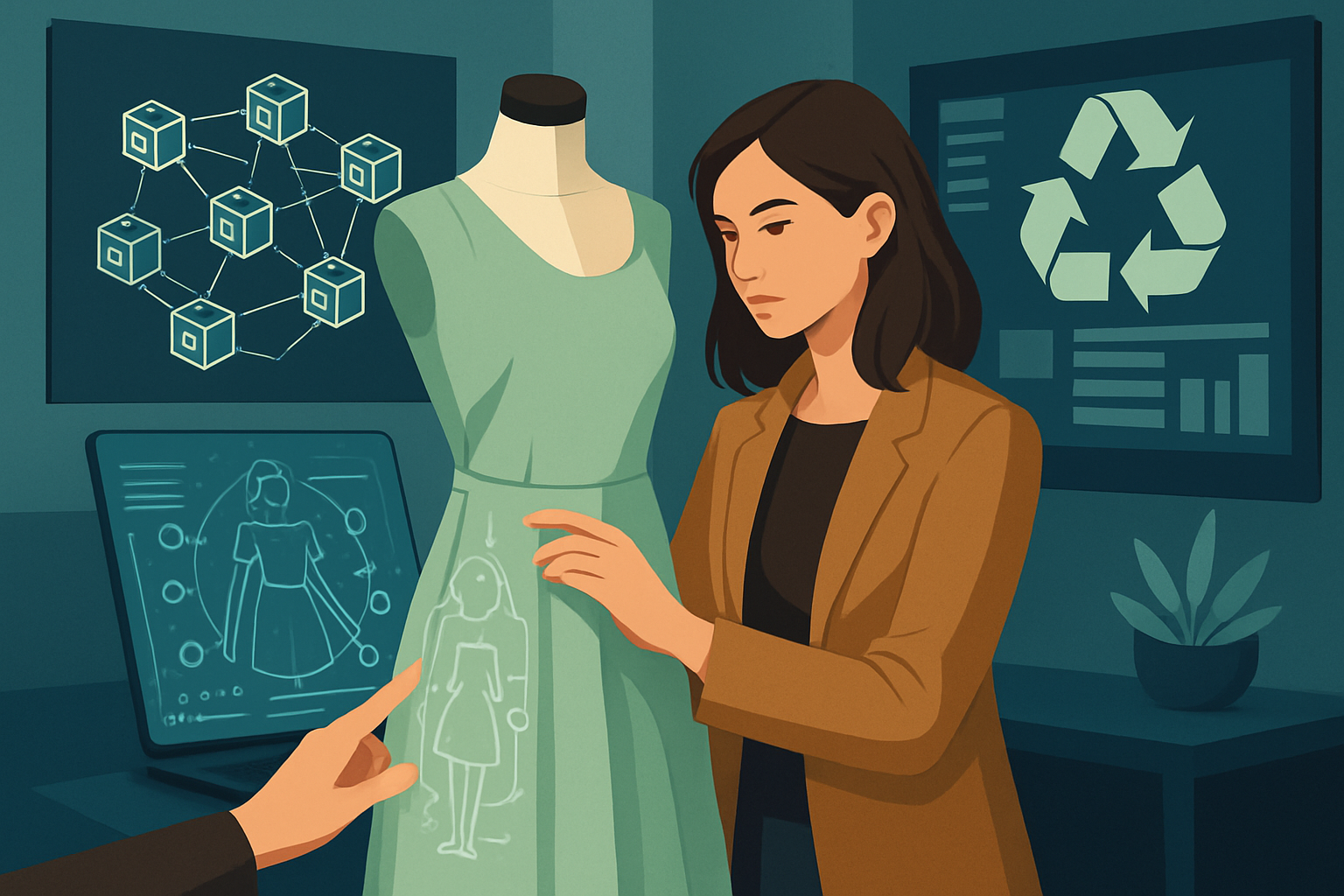
The fashion industry is undergoing a transformation as brands integrate cutting-edge technology with sustainable practices. From blockchain-powered supply chains to AI-driven personalization, designers are redefining transparency and circularity in apparel. Consumers now hold the key to driving responsible innovation through informed choices and activism.
In recent seasons, the fashion industry has witnessed a profound shift as consumers demand not only style but also values. Shoppers are scrutinizing everything from the origin of fibers to the digital footprint of their favorite brands. This cultural moment has prompted designers and retailers to integrate transparency, sustainability, and intelligence into the very fabric of their offerings. No longer content to browse a rack of clothing blind to its journey, a growing audience seeks full visibility of ethical credentials and environmental impact before committing to a purchase. In response, labels are turning to technology and novel business models to align creativity with accountability, forging a new paradigm in fashion.
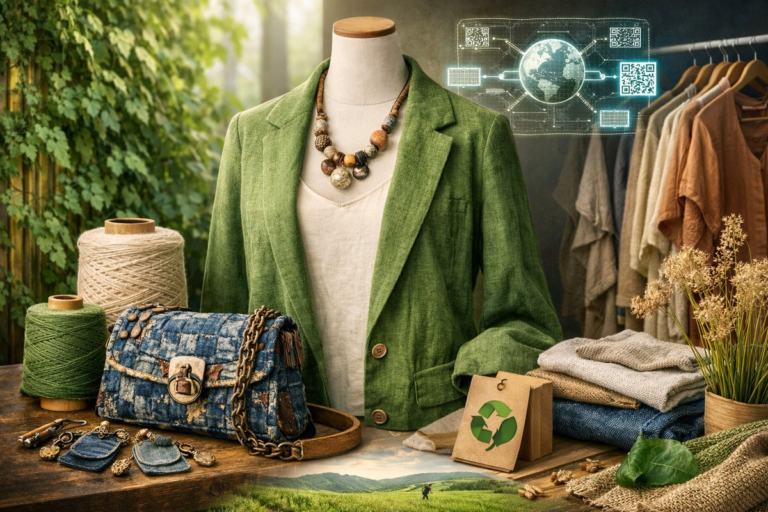
At the center of this transition sits supply chain transparency. A handful of pioneering labels have begun adopting blockchain-based traceability systems that record each step of a garment’s lifecycle, from raw cotton harvesting to finished garment distribution. By embedding a digital ledger into tags and QR codes, brands can offer consumers an immutable audit trail revealing every intermediate processor, dye house, and logistics partner. This level of openness serves multiple purposes: it discourages unethical labor practices, reduces the risk of greenwashing, and empowers shoppers to make conscience-driven decisions. As more companies commit to open ledgers, the expectation of proving origin will transform from niche bragging rights into a baseline requirement.
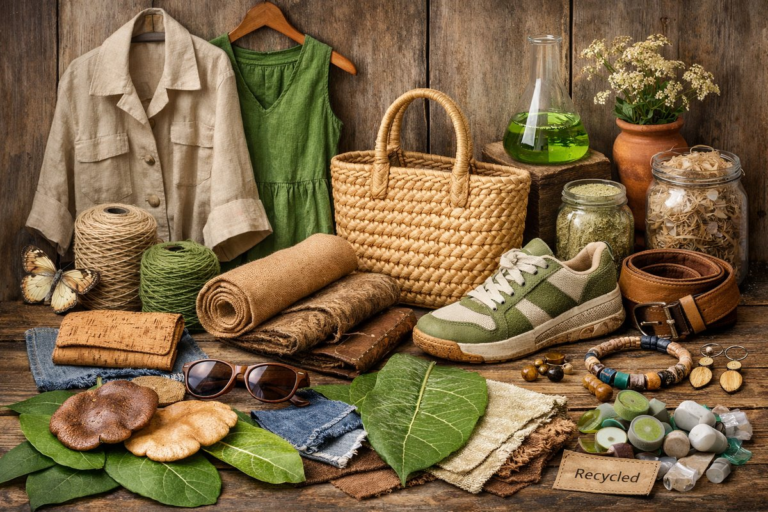
In parallel, material science labs are racing to reinvent traditional fabrics with eco-friendly alternatives. Mushroom-derived mycelium, algae-based bioplastics, and lab-grown leather variants are crossing from experimental studios into pilot production lines. These novel substrates offer the tactile richness and durability consumers expect, while dramatically reducing reliance on fossil fuels and deforestation. Some startups have also developed regenerative cotton-grown in soil enriched through carbon-capture farming techniques-to close the loop on carbon emissions. While pricing remains a barrier for widespread adoption, strategic collaborations between material innovators and established wholesalers are helping scale volumes and bring costs down, hinting at a greener mainstream wardrobe on the horizon.
Technology is also reshaping the way we discover and customize garments. Artificial intelligence-driven styling platforms now analyze body scans, personal preferences, and social media trends to recommend tailored outfits, eliminating the frustration of ill-fitting online orders. Virtual try-on solutions powered by augmented reality allow shoppers to experiment with silhouettes in real time, blending their digital avatar seamlessly into different styles and sizes. This not only cuts down on returns-which can contribute significantly to carbon emissions from reverse logistics-but also cultivates consumer confidence in e-commerce. As these tools mature, the boundary between a brick-and-mortar fitting room and a home shopping session grows ever more porous.
Meanwhile, the circular economy is gaining momentum as rental, resale, and take-back platforms challenge the one-time purchase model. Subscription services that allow users to rotate through a curated wardrobe of high-end pieces have surged in membership, especially among milestone events and professional settings. Peer-to-peer resale apps continue to top download charts, offering an accessible entry point for young shoppers eager to refresh their closets sustainably. On the brand side, take-back initiatives incentivize customers to return used items in exchange for store credit, ensuring those pieces are either upcycled or recycled responsibly. This shift toward reusing existing garments not only extends a piece’s lifecycle but also signals a deeper evolution in our relationship with consumption.
Data-driven trend forecasting has also advanced beyond traditional runway analysis. Platforms powered by machine learning ingest millions of images-from street style in global capitals to social media posts-to detect emerging patterns at unprecedented speed. Predictive algorithms can flag rising color palettes, silhouette tweaks, or niche accessories before they saturate mainstream channels. For designers, having early signals means lower risk when investing in new collections and tighter alignment with consumer desires. Retailers can allocate resources more precisely, ensuring manufacturing quantities reflect actual demand. As a result, markdowns decline and waste from overproduction shrinks, illustrating how the fusion of creativity and hard data benefits both aesthetics and the planet.
In physical retail spaces, experiential technology is crafting a new sense of discovery. Smart mirrors in dressing rooms provide personalized recommendations based on the item being tried on, suggesting complementary pieces and sustainable styling tips. In some flagship stores, sensors track foot traffic patterns to optimize layout and spotlight eco-certified lines. Interactive touch walls educate customers on fabric origins, dye processes, and repair services, turning a casual shopping trip into an immersive lesson in garment care and stewardship. This blend of storytelling and interactivity deepens brand-consumer connections, reinforcing the values-driven approach that defines this new wave of retail innovation.
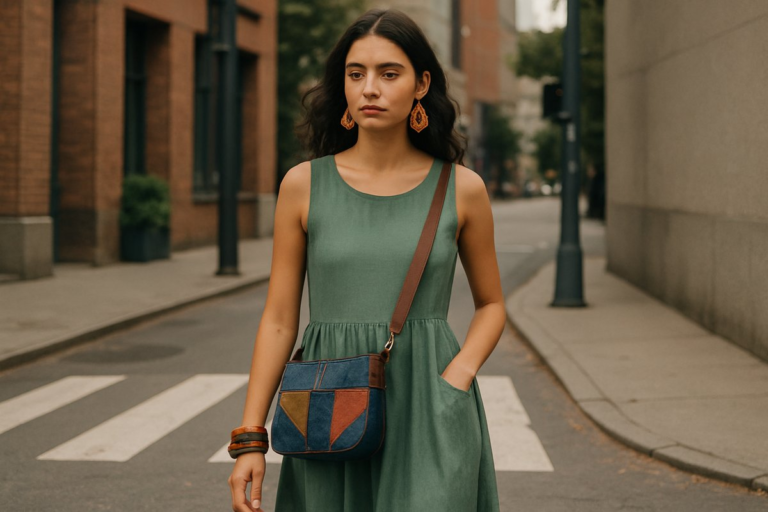
On the streets, micro-trends are blossoming as consumers blend cultural influences and eras into unique personal statements. Comfort-driven tailoring-where sportswear meets suiting-ushers in versatile outfits that transition effortlessly from remote work calls to evenings out. Nostalgic nods to early digital aesthetics manifest in pixelated prints and Y2K-inspired accessories, reimagined through a sustainability lens using upcycled fabrics. Craft transports such as patchwork quilting appear on runways as a celebration of imperfection and handmade heritage. These diverse expressions underscore how individual voices can reshape broader narratives, proving that empowerment in fashion begins when people feel free to reinterpret style on their own terms.
Certification ecosystems are stepping in to validate green claims, with labels seeking approval from recognized standard-bearers like the Global Organic Textile Standard (GOTS) and Fairtrade Certification. Beyond verifying organic farming practices or fair wages, these assessments often evaluate water usage, chemical management, and community impact. A rising number of brands are publicly sharing audit results, embracing a policy of radical candor to build trust. Consumers, in turn, are growing more literate in logos and labels, cross-referencing certifications against company reporting to ensure integrity. While labels vary in granularity, this credentialing layer has become critical in differentiating genuinely sustainable collections from mere eco-fashion spin.
Consumer activism remains a potent force driving industry accountability. Social media campaigns highlighting labor violations or toxic supply chains can spark swift backlash and tarnish reputations overnight. In response, companies are establishing in-house compliance teams and partnering with independent watchdogs to demonstrate commitment to ethical labor and environmental standards. Meanwhile, grassroots movements leverage community organizing and digital tools to pressure laggards into reform. This dynamic interplay between brand initiatives and vocal audiences has elevated transparency from optional to indispensable, reshaping board-room conversations and marketing strategies alike. Brands that acknowledge missteps and communicate remedial plans are increasingly rewarded with consumer loyalty, proving that authenticity pays in the long run.
Collaboration is emerging as the connective tissue between disparate innovations. Fashion houses are teaming up with textile innovators, tech startups, and logistics experts to co-create closed-loop systems. City governments and nonprofit coalitions are piloting programs that divert old garments from landfills, turning them into insulation materials or new fabric composites. Universities have launched incubator labs where students and industry veterans experiment with next-generation fibers, dye processes, and digital platforms in tandem. This collective approach accelerates progress by pooling expertise and resources, transforming what once felt like isolated experiments into scalable solutions. As these alliances proliferate, the potential for widespread impact grows exponentially.
For consumers eager to embrace this wave of transformation, a few practical steps can amplify impact. Seek out brands that provide transparent sourcing details and third-party certifications. Experiment with rental or resale platforms to refresh your wardrobe with minimal waste. Explore virtual try-on apps or in-store smart fittings to hone your style and reduce returns. When caring for garments, choose low-impact detergents and repair kits to extend a piece’s lifespan. By integrating these habits into your wardrobe journey, you become a participant in shaping a more responsible industry. Ultimately, the future of fashion will reflect the values and choices of each individual, weaving a tapestry of innovation and consciousness.