Location
Mount Vernon, WA 98274
Location
Mount Vernon, WA 98274

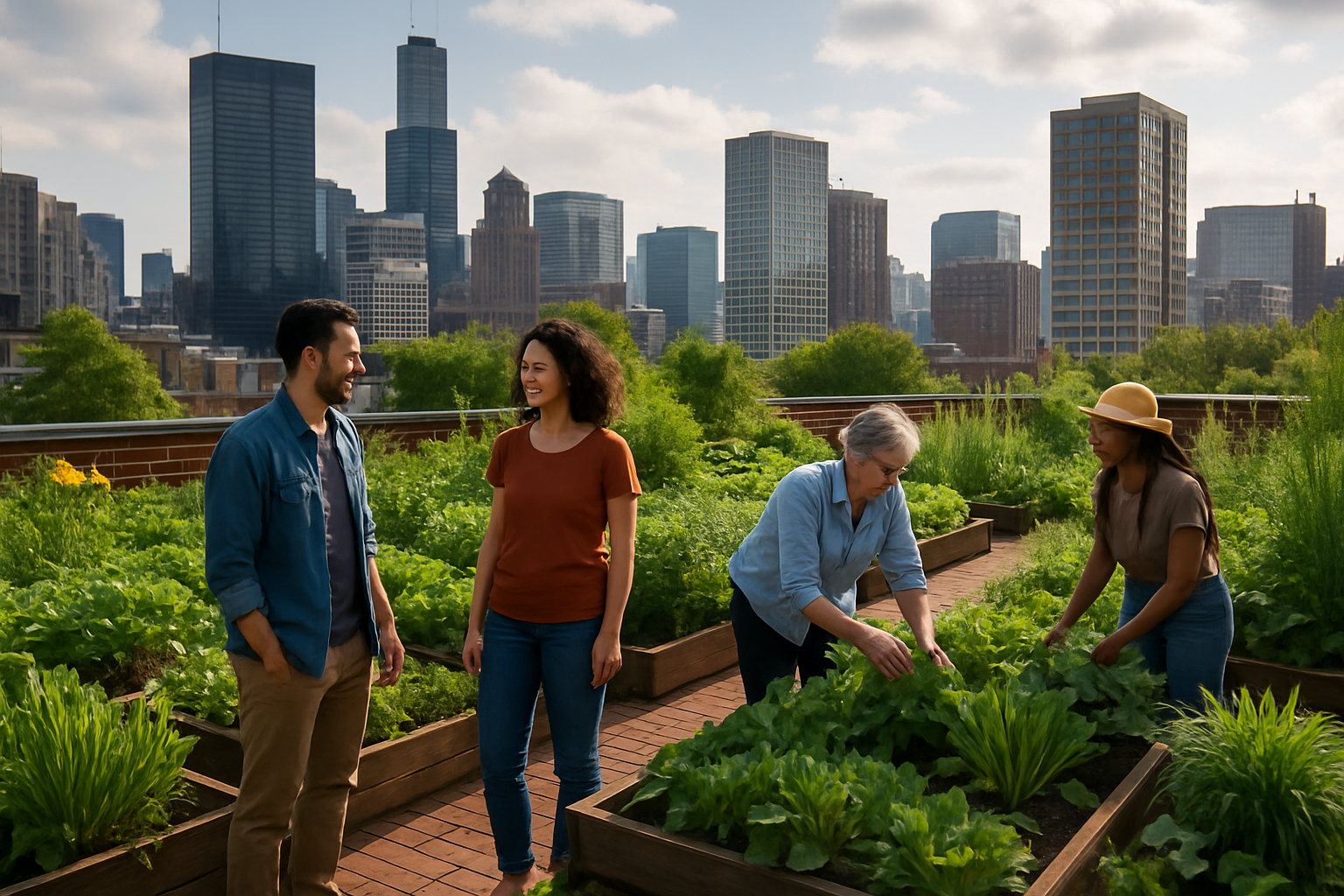
In cities where sidewalks feel more like speedways than meeting grounds, rooftop gardens are emerging as green oases-drawing neighbors together, reducing urban heat, and weaving new social ties overhead. From Chicago to Berlin, these elevated patches of green are reshaping how residents share space, skills, and harvests in the sky.
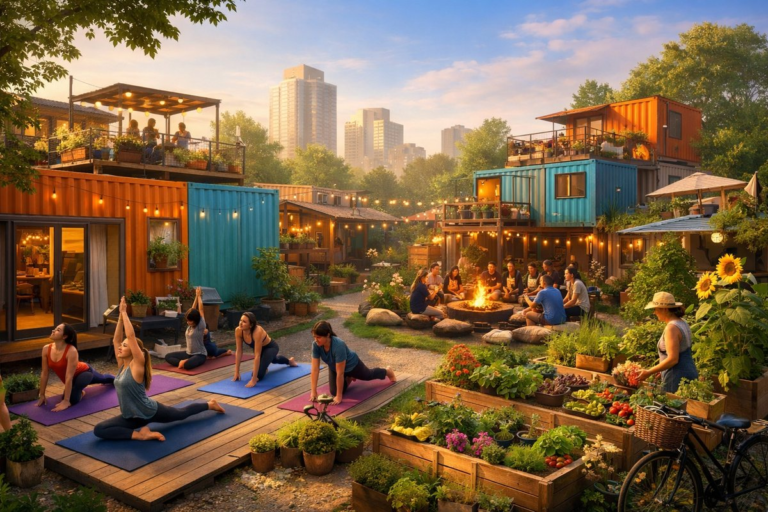
On a late spring morning in downtown Chicago, residents of a 12-story apartment building step onto their rooftop garden-a verdant maze of vegetables, herbs, and wildflowers. What began as a small pilot with a few raised beds has blossomed into a community project sustained by more than twenty households. Neighbors who once crossed the street to avoid eye contact now exchange gardening tips over basil seedlings and pass around cups of cold mint tea.
Rooftop gardens have long been touted for their environmental benefits-reducing stormwater runoff, improving air quality, and mitigating the heat island effect that makes dense urban cores feel like ovens in summer. But beyond these measurable impacts, a quieter revolution is unfolding: green rooftops are building bridges between strangers, unlocking new forms of cooperation, and creating a sense of shared ownership that spills down to street level.
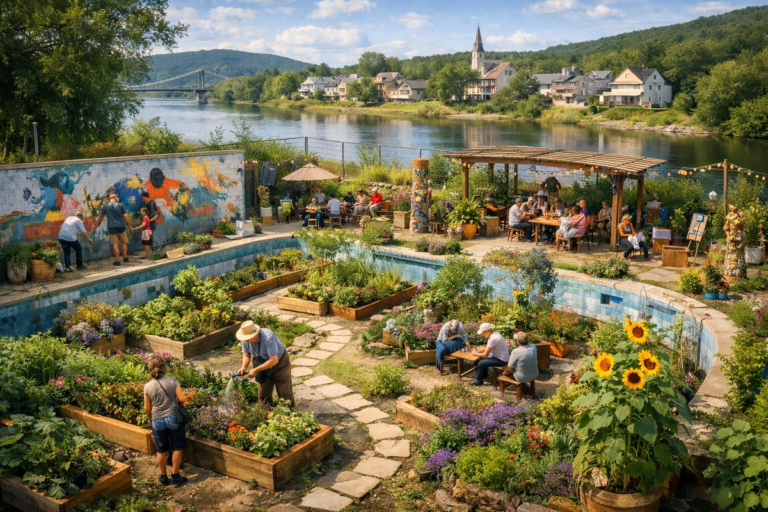
In Berlin, a converted factory roof now hosts one of Europe’s largest urban farms, run by a collective of local volunteers. Every Saturday morning, young professionals, retirees, and immigrant families converge under a canopy of grapevines. They bring seeds saved from last year’s harvest and stories from backyards in far-flung neighborhoods. Although they speak different native tongues, their hands learn a common vocabulary as they prune tomatoes, weave bean poles, and assemble drip-irrigation lines.
This spirit of collaboration is at the heart of a new wave of digital platforms designed to help residents transform underused rooftops into shared green spaces. Tools like GardenConnect and RoofShare offer simple interfaces for scheduling work shifts, tracking communal expenses, and documenting harvest yields. They respect privacy by anonymizing personal data-participants see only usernames, scheduled time slots, and the projected water usage for each planting zone. The result is a transparent system where trust grows alongside the plants.
Cycles of planting and harvesting become social rituals. In one Toronto high-rise, tenants gather every month for a “swap circle,” trading excess chives for zucchinis or mint for marigolds. Children who once spent weekends glued to screens now wander behind their parents with tiny trowels, learning the rhythms of soil, seeds, and seasons. Grandparents arrive with stories of heirloom seeds passed down for generations. In these moments, the rooftop garden becomes more than a source of fresh salad greens-it’s a living classroom and a portal to intergenerational exchange.
Urban planners are taking notice. A recent study by the Environmental Protection Agency found that green roofs can reduce a building’s energy demands by as much as 20 percent in summer months. As local governments struggle with rising energy costs and climate extremes, municipalities are offering grants and technical guidance to encourage rooftop transformations. In several cities, community-driven green roof projects now qualify for matching funds that cover materials, structural assessments, and expert workshops.
Yet the path isn’t always smooth. Structural engineers caution against overloading older buildings with saturated soil. Waterproofing membranes can be expensive, and securing reliable access to water often requires negotiating with building management or connecting to complex greywater systems. In New York City, a handful of early adopters learned the hard way when a sudden thunderstorm stressed eroded roof seals, leading to leaks. Those setbacks prompted a coalition of residents to collaborate with a local nonprofit, which now organizes monthly clinics on waterproofing best practices and safe irrigation methods.
Despite these hurdles, the value of shared responsibility is proving its weight in gold. Collective decision-making has taught rooftop gardeners conflict resolution skills-negotiating planting schedules, dividing harvest yields equitably, and mediating disputes over territorial boundaries. On one Chicago rooftop, a volunteer committee coined the phrase “Garden Charter,” a five-point pledge outlining commitments to sustainable water use, seed saving, inclusive workdays, respectful noise levels, and open-air potlucks. These guidelines have fostered a sense of belonging and mutual respect rarely found in high-rise living.
The ripple effects extend beyond any single building. In Vancouver, two adjacent apartment blocks decided to connect their rooftop plots with a sloping footbridge of repurposed decking boards. The newly linked gardens now host joint events-movie nights projected against a living wall of ivy, and poetry readings under strings of solar lanterns. Passersby on the street below stop to gaze upward, curious about the unexpected hangout. Some even sign up through the buildings’ shared website to join the next planting day.
Critics warn that rooftop gardens can become emblematic of a city’s rising inequality-visible perks of affluent high-rises that low-income districts can’t afford. Yet efforts are underway to democratize access. In Barcelona, a municipal program offers free structural assessments and subsidizes materials for rooftop projects in subsidized housing complexes. Community organizers partner with local universities to train residents in basic horticulture, ensuring that these green refuges are stewarded by people who live on the ground.
The social fabric of cities is gradually adapting to embrace these elevated ecosystems. Urban designers are rethinking zoning ordinances to include mandatory green-roof allocations for new commercial and residential developments. Architects are integrating modular planting systems that can be retrofitted on decades-old structures. And residents are starting neighborhood coalitions focused not just on one rooftop, but on a network of terraces and balconies that knit together entire blocks. Imagine a patchwork quilt of herb gardens, pollinator havens, and vegetable beds climbing over a cluster of rooftops-each plot managed by a rotating cast of volunteers, each harvest distributed through free markets or donated to local food banks.
In a world where digital screens often substitute for human interaction, rooftop gardens offer a tangible antidote. They harness the elements-sunlight, rain, wind-while inviting hands and spirits to work in tandem. They teach patience, humility, and the cyclical nature of growth and decay. Above all, they remind city dwellers that shared green spaces can be as much about sharing hope and empathy as they are about harvesting kale and rosemary.
As the sun sets on another urban horizon, rooftop gardeners close their day with a simple tradition: a circle formed around the last blossoming tomato plant. With soil-smudged hands, they pass around a single stem, each person acknowledging their role in nurturing it. In that moment, the city’s roar falls silent, replaced by the gentle hum of bees and the collective heartbeat of a community rising above concrete constraints.
Beyond the skyline, these green summits are seeding a new ethos-one where solidarity grows as freely as the vines, and where every rooftop becomes an invitation to cultivate not only gardens, but connections.