Location
Mount Vernon, WA 98274
Location
Mount Vernon, WA 98274

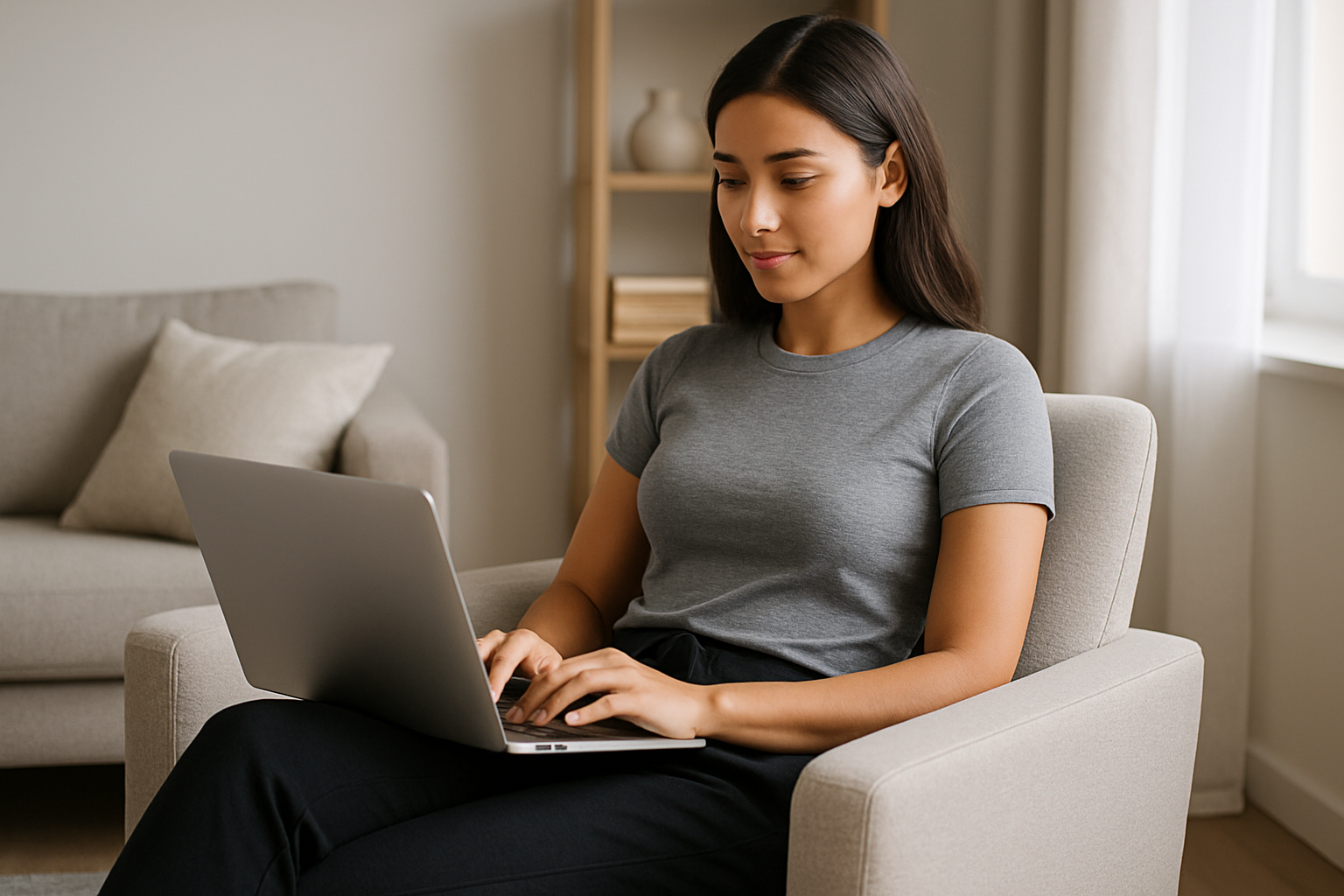
As remote and hybrid work become the norm, apparel has shifted from formal suits to versatile 'workleisure' smart fabrics designed for both comfort and on-screen polish. This article explores how designers, technologies, and sustainability goals are converging to reshape our daily dress codes and fuel the next evolution in professional style.
In an era where the commute can be as short as a hallway or a flight across the globe, traditional office wardrobes are being reimagined. The rules of dressing for success-rigid tailoring, stiff collars, polished shoes-have loosened. What emerges isn’t a mere relaxation of standards, but a wholly new category of garments built for flexibility, connection, and well-being.
Beyond the Suit and Tie
Before the work-from-home revolution, power dressing relied on sharp cuts and formal silhouettes. Today, the hybrid wardrobe blends refined craft with performance engineering. Think of a blazer cut from a four-way stretch fabric that resists wrinkles, has moisture-wicking properties, and yet retains a crisp drape over video calls. Or dress shirts woven with temperature-regulating yarns that adapt to both a chilly home office and a sunlit café patio.
These pieces aren’t gimmicks. Textile innovators have partnered with fashion labels to test new fiber blends, drawing on research in sportswear and outdoor apparel. The result: breathable suiting fabrics that feel as soft as activewear, paired with tailored shapes that frame the face and flatter the posture. In place of the uncomfortable discomfort that once defined professional dressing, there’s a subtle emphasis on ease of movement, flexibility, and sensory comfort.
Building a Capsule for Zoom and Beyond
A key element of the hybrid wardrobe is the capsule approach: a small collection of mix-and-match garments that cover all daily scenarios. A morning video conference, a socially distanced lunch meeting, an afternoon of brainstorming with sketch pads-each demands a slightly different look, yet the wardrobe must remain lean, intentional, and sustainable.
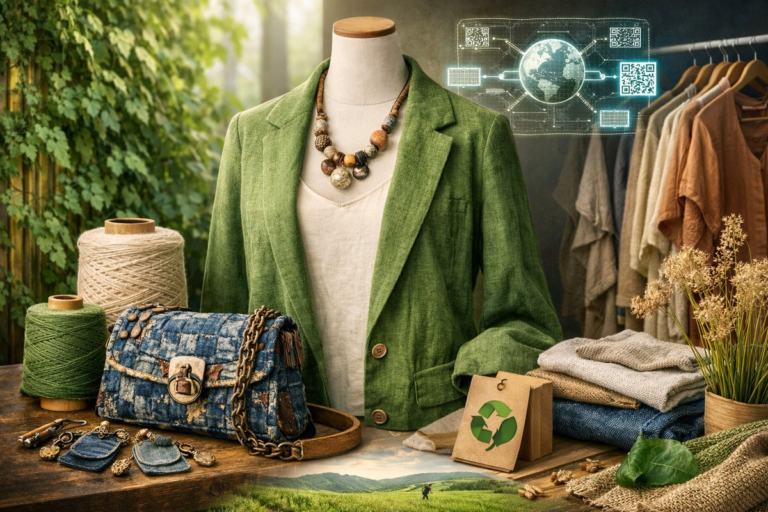
Capsules typically balance neutral foundations-think charcoal blazers, ivory knit tops-with expressive accent pieces in color or texture. A soft merino sweater in a jewel tone can convey personality on a dimmed webcam, while a fluid midi skirt in recycled polyester blends offers movement when stepping offscreen to grab coffee. Capsule dressing naturally reduces impulse buys, aligning with sustainable goals by extending wear cycles and easing the flow of materials through recycling programs.
Personalization Through Minimalism
Minimalism in fashion often evokes black turtlenecks and rigid conformity. The hybrid wardrobe flips that notion: minimalism becomes the canvas on which personality is painted. Modular elements such as detachable collars, convertible sleeves, and snap-on accessories allow one garment to shift from daytime clarity to evening flair. Smart textiles add another layer: photochromic finishes that respond to indoor and outdoor light, or embedded micro-LED accents that trace the lapel for a subtle glow when the lights are dim.
The modular ethos extends to fit. On-demand tailoring services leverage 3D body scanning to produce perfectly calibrated garments shipped with zero-waste packaging. Customers can adjust fit preferences digitally: wider sleeves for easier layer transitions, a slightly longer hem to pair with sneakers, or a higher collar height for flattering on-camera angles. The result is a more personal relationship with professional wear, where mass customization meets mindful consumption.
Well-Being Woven In
Hybrid work isn’t just about where you do your job; it’s about how you feel while doing it. This shift has spurred an interest in garments that support posture, circulation, and mood. Graduated compression in dress socks and stockings eases lower-leg fatigue during long video-podcast recordings. Posture-correcting panels hidden within woven blazers encourage an upright stance without sacrificing comfort. And fabrics enriched with natural botanicals-green tea extracts, chamomile infusions-offer gentle antimicrobial protection and a sense of calm.
Some pioneering brands have even introduced stress-sensing garments that measure micro-movements associated with tension. When stress levels rise-detected through skin conductance and subtle muscle contractions-the fiber blend releases a fine mist of calming essential oils. While still in early adoption, this marriage of biotech and apparel points to a future where our clothing participates actively in emotional regulation and mental resilience.
Video Presence as a Design Criterion
In a world of grid-view meetings and virtual town halls, on-screen presence has become an essential design constraint. Garments are being optimized for how they read on camera: color calibration to flatter skin tones under LED lighting, finishes that avoid glare, and even seam placements that minimize optical distortion. Designers are consulting cinematographers to fine-tune textures and garment silhouettes, ensuring that nothing distracts viewers when the spotlight of pixels turns toward the speaker.
Accessories too have evolved. Tie-alternatives include decorative lapel pins that anchor the gaze, while collar-less dress shirts incorporate shallow v-neck openings to frame the face more naturally. Scarf-inspired neck wraps double as green screens, offering a subtle brand motif or background overlay for impromptu presentations. Every garment becomes a statement of clarity and presence in a digital environment.
The Slow-Cycle Office Wardrobe
The frenetic turnover of seasonal collections is giving way to a slower cycle more aligned with hybrid lifestyles. Instead of timed seasonal drops, brands are shifting to ongoing, small-batch releases that allow for continuous refinement based on real-time wearer feedback. Digital apps collect preferences on fit, fabric performance, and style resonance, enabling micro-editions of core pieces that evolve with customer needs.
This model reduces overproduction and waste. Unsold units can be repurposed into authorized remixes, like limited-edition patchwork blazers or community-driven upcycle collaborations. It also strengthens the connection between brand and consumer: purchasers feel they are part of the design journey, not just end buyers of a fixed product.
Inclusivity in Function and Fit
Hybrid work knows no single silhouette or daily rhythm. The new professional wardrobe must serve early-bird parents, evening-shift consultants, health-care liaisons, and creatives across the spectrum of body types. Adaptive features-magnetic closures, seams that stretch, adjustable waistbands-are becoming standard rather than niche. Digital fit assistants guide shoppers through options tailored to their body scans, ensuring that sizes reflect real measurements, not idealized charts.
This inclusive turn extends to cultural expression too. Lightweight outer layers incorporate modular ornamentation inspired by diverse textile traditions, enabling wearers to celebrate heritage on and off the screen. Garment care instructions emphasize local repair networks rather than centralized factories, empowering communities to keep clothing in service longer.
Looking Ahead: The Virtual Try-On and Beyond
As AR and VR technologies mature, hybrid wardrobes will have a digital twin. Users will be able to assemble their capsule closets virtually, trying on pieces in a simulated environment before ordering the physical counterparts. Virtual garments themselves may gain value as digital fashion tokens-NFTs that confer exclusive access to limited-edition prints or collaborative designs.
In parallel, 3D printing of textile elements promises on-demand customization in local micro-factories. Instead of shipping heavy fabric rolls across oceans, brands could transmit design files digitally and print garments near the point of need. This model would slash carbon footprints, democratize access, and accelerate innovation cycles based on immediate wearer feedback.
The hybrid wardrobe phenomenon signals a broader redefinition of professional identity. Dressing is no longer about adhering to outdated codes but about crafting an adaptive, sustainable, and inclusive relationship with the clothes we wear. As the line between home and office continues to dissolve, our wardrobes will evolve into multifunctional platforms supporting productivity, comfort, and personal expression in equal measure.
Every garment in this new landscape aspires to do more than merely cover the body. It connects us to networks of makers and innovators, responds to our physiological and emotional cues, and adapts in real time to shifting circumstances. When the only constant is change, the clothes we rely on must follow suit.