Location
Mount Vernon, WA 98274
Location
Mount Vernon, WA 98274

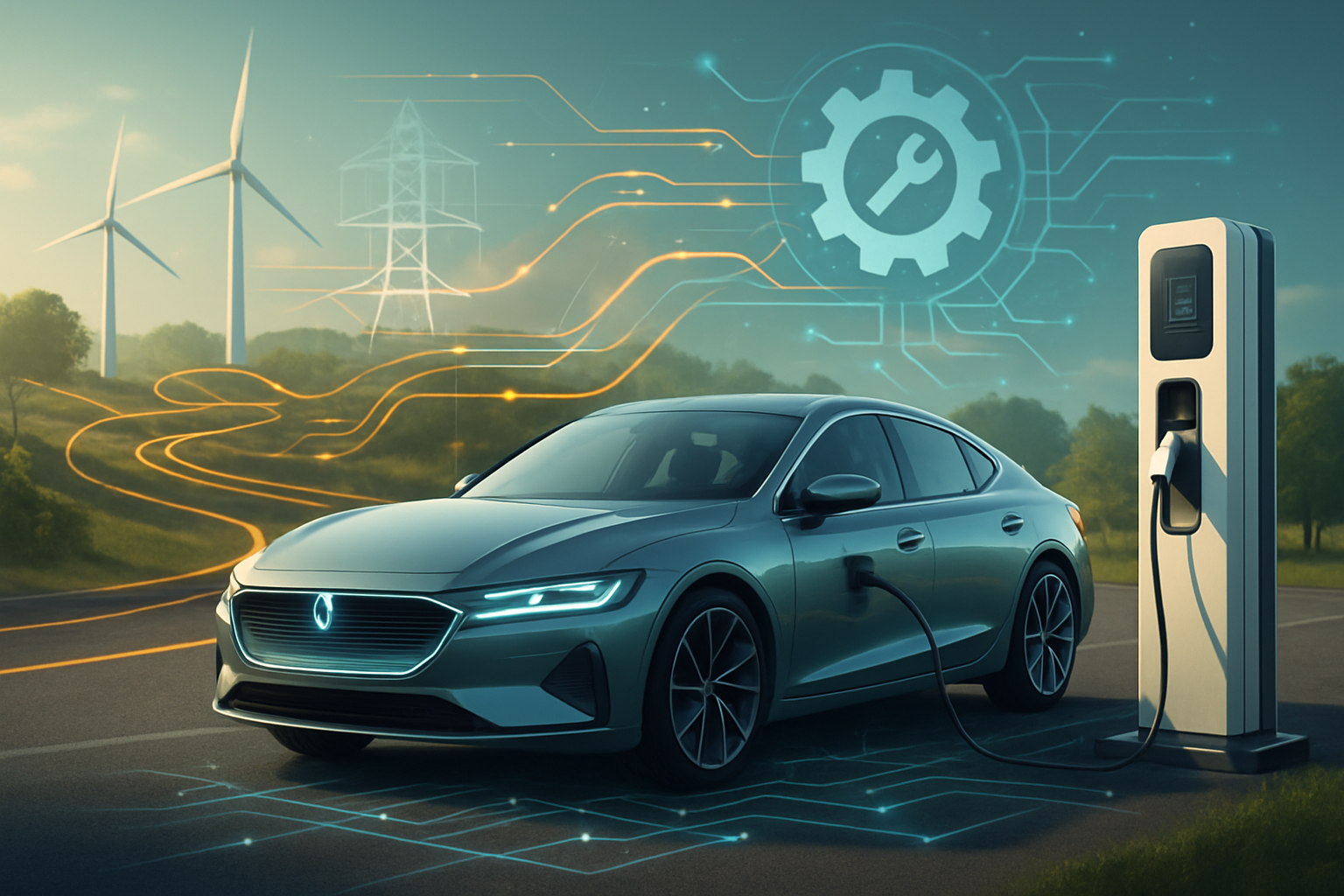
A new wave of automotive innovation is weaving together energy, data, and materials to unlock smarter, greener journeys. From grid-friendly charging networks to predictive maintenance powered by artificial intelligence, the road ahead is more than a path-it's a living, adaptive ecosystem.
Automotive technology has reached a tipping point. As cities grapple with congestion and environmental targets tighten, manufacturers, utilities, and policymakers are forging alliances to remake vehicles into dynamic nodes in a broader mobility network. No longer isolated machines, cars and buses are becoming partners in a distributed system that learns, adapts, and shares resources-all with the goal of making travel cleaner, safer, and more intuitive.
That transformation is unfolding in three converging arenas: energy integration, connectivity, and materials science. Each pillar brings its own breakthroughs, but when they intersect, mobility begins to look less like a fossil‐fuel legacy and more like an intelligent organism, capable of self-repair, load balancing, and even forging emotional links with drivers.
Consider the evolution of charging infrastructure. Gone are the days of “charge and hope.” Pilot projects in European city centers are already testing chargers that communicate with local solar farms and wind parks. When the grid is under strain, these smart stations throttle back or draw power from vehicle‐to‐grid systems. In practice, an electric vehicle (EV) owner in Portugal might plug in at dusk and automatically feed stored energy back to a regional microgrid overnight. Meanwhile, dynamic pricing algorithms incentivize drivers to recharge when renewable output peaks. The result is a more stable grid-and a revenue stream for EV drivers who become temporary power suppliers.
On the asphalt itself, connectivity is taking shape in digital twins of road networks. Embedded sensors relay real-time data on pavement temperature, potholes, and traffic density. Machine learning engines fuse that feed with weather forecasts and historical patterns, then push optimized speed recommendations to vehicles. A commuter in Seoul might receive a prompt to reduce speed by 5 km/h to maximize battery efficiency en route to work, while an automated bus in San Francisco reroutes itself around emerging delays and delivers a smoother passenger experience.
Under the hood, electric powertrains are entering their own renaissance. Advances in solid-state battery chemistry promise energy densities twice those of today’s lithium-ion packs, while new anode materials-think silicon-graphene composites-are pushing charging times down to minutes. Meanwhile, hydrogen remains on the roster for heavy-duty trucks and long-distance fleets. A recent collaboration between a major logistics firm and a green-steel producer is rolling out a fleet of 18-wheelers fueled by hydrogen derived from steel-manufacturing waste gases. Early reports show a 40 percent reduction in total carbon intensity compared to conventional diesel rigs.
Yet raw power isn’t enough. Autonomous driving systems now incorporate multimodal sensors-radar, lidar, high-resolution cameras-and leverage edge-computing hardware hardened against temperature swings and electromagnetic interference. In mixed traffic, Level 3 vehicles can handle hands-off cruising on designated highways but still summon human attention when traffic merges intensify. As these systems mature, researchers are exploring cooperative autonomy: convoys of self-driving cars that communicate their intentions milliseconds before maneuvers, effectively creating virtual chains that boost highway capacity and dampen stop-and-go waves.
Not to be overlooked, the materials making up tomorrow’s chassis and interior surfaces are evolving too. Biodegradable polymers derived from agricultural byproducts are replacing single-use plastics, and recycled aluminum towers boast strength rivaling virgin alloys. Automakers in Scandinavia are piloting carbon-fiber panels manufactured using renewable energy, cutting overall vehicle weight by 15 percent. Lighter vehicles mean smaller batteries, which in turn alleviate resource pressures on global lithium supplies.
Cities themselves are rethinking mobility as a multispeed ecosystem. E-scooters and shared e-bikes now roam alongside robo-taxis, each mode governed by dynamic curb-management platforms. Underutilized parking spots transform into micro-hubs for last-mile delivery drones or charging pods. Municipalities test “mobility credits” that reward citizens for opting out of solo car trips during peak hours. Those credits can be redeemed for transit passes, ride-share vouchers, or community-run bike maintenance workshops.
With so much data flowing between vehicles, stations, and utility grids, cybersecurity has vaulted to the top of the agenda. Encryption standards once used in banking are now adapted for over-the-air (OTA) firmware updates, ensuring vehicles receive fixes as soon as vulnerabilities emerge. Privacy frameworks are being drafted to guarantee that location or behavioral data remain anonymized unless a serious safety incident demands deeper investigation. Consumers are also demanding transparency-knowing exactly which entities hold their driving history and for how long.
Behind the screens and sensors, the human dimension remains crucial. Designers are experimenting with haptic feedback steering wheels that nudge your hands toward the ideal angle for smooth energy use. Voice-activated assistants, once stilted, now gauge driver stress levels and adjust cabin lighting or suggest a calm playlist. Augmented-reality windshields project navigation cues directly onto the road ahead, reducing the need to glance down at a dashboard. These efforts seek to preserve the joy of driving even as the car evolves into a node in a larger system.
Across these developments, one theme emerges: resilience. Whether it’s charging networks that double as battery storage, vehicles that self-diagnose and reorder replacement parts, or traffic systems that reroute around hazards in real time, the mobility ecosystem is being built to absorb shocks-be they power outages, extreme weather, or unexpected surges in demand. That level of adaptability will be vital as cities contend with climate change, rapid urbanization, and shifting work patterns triggered by remote employment.
The road ahead still holds challenges. Standardizing communication protocols across hundreds of vehicle brands and thousands of infrastructure operators requires unprecedented collaboration. Battery supply chains must scale ethically, avoiding ecological harm in mining regions. And municipalities need to reconcile public-sector goals with the private-sector drive for profits.
Yet the progress already underway paints an optimistic picture. Automated buses carrying seniors through suburban streets, cars that pay for their own upkeep through grid services, and seamless multimodal trips choreographed by AI-all these innovations hint at a future where getting from A to B becomes an opportunity to conserve resources, reduce stress, and even build community.
The next decade will likely be defined by how well these systems talk to one another-and how skillfully we navigate the trade-offs between convenience, cost, and sustainability. For drivers and city planners alike, the emerging path is clear: mobility must be as adaptable as the world it serves, ready to shift with the winds of technology and the imperatives of a planet in flux.
In that sense, the ultimate engine under the hood may not be an electric motor or a hydrogen cell, but a networked intelligence capable of balancing countless variables in the blink of an eye. When that vision becomes the standard, our highways will no longer be static tracks but living arteries-resilient, responsive, and deeply attuned to the road ahead.