Location
Mount Vernon, WA 98274
Location
Mount Vernon, WA 98274


From virtual showrooms to neighborhood swap meet-ups, a new wave of innovation is reshaping how we discover, wear, and steward our wardrobes. Emerging tools in digital fitting, peer-to-peer marketplaces, lab-grown textiles and micro-communities are converging to create a more sustainable, inclusive and emotionally resonant fashion ecosystem.
Fashion has long been a mirror of social change, but recent shifts are blurring the lines between digital and physical dressing rooms, turning every swipe and stitch into a catalyst for community and sustainability. Across global capitals and local main streets, emerging technologies-from augmented reality try-ons to AI-powered design assistants-are colliding with grassroots movements that celebrate secondhand discovery and zero-waste ethics. What once felt like a distant future is now unfolding daily in flagship stores, neighborhood pop-ups and smartphone screens, inviting both novice curators and lifelong style explorers to reimagine their relationship with clothing.
In flagship stores from New York to Seoul, interactive mirrors and smartphone-powered apps are letting shoppers see layered looks, mix patterns and adjust color palettes before even reaching for a garment. These phygital experiences break the carry-in-carry-out cycle by pairing body-scanning technology with real-time stock updates, so you can reserve a size, request a fitting-room hold or complete a contactless checkout within minutes. Designers are embedding tiny NFC chips into labels that communicate fabric origin, care tips and resale value in seconds-empowering consumers to make mindful choices without sacrificing the joy of discovery.
While runways flirt with the metaverse, digital fashion houses are producing garments that live only on screens. These pixel-perfect pieces can be layered onto personal avatars across gaming worlds and social platforms, sparking a new form of self-expression untethered from physical supply chains. Digital natives are buying, trading and staking their rare virtual wardrobe items, sometimes for sums that rival traditional haute couture. Behind the scenes, environmental advocates note that these zero-material collectibles avoid textile waste, although questions around blockchain energy use and data privacy are still navigating regulatory guardrails.
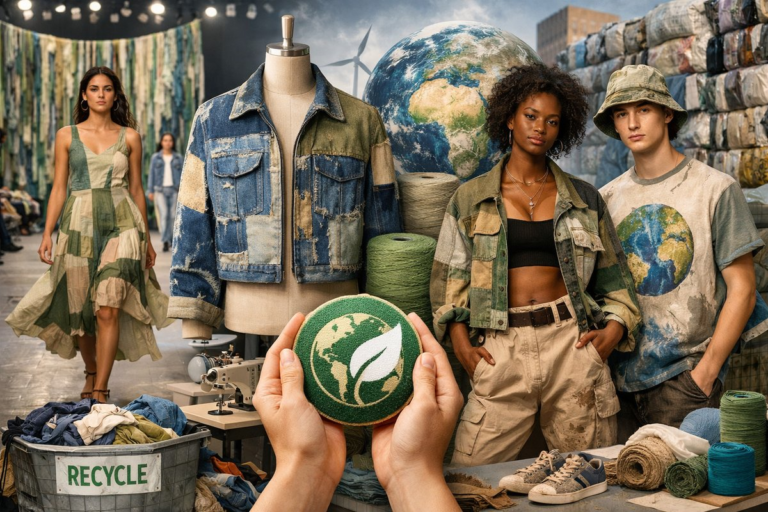
Meanwhile, the peer-to-peer resale economy has exploded from basements and thrift fairs into sleek mobile apps and dedicated street stalls. Well-curated digital marketplaces connect local enthusiasts with hidden gems-vintage denim, artisan knits and limited-edition collaborations-at a fraction of original retail prices. Community-led rating systems, real-time chat support and buyer protection protocols ensure garments arrive as described, while in-app DIY tutorials teach basic repairs and styling tips that extend each item’s lifecycle. As a result, secondhand has shed any stigma, emerging instead as a badge of conscious consumption and creative freedom.
At the heart of this movement are micro-communities: Instagram collectives, local clothing swaps held in cafés, and TikTok challenges where participants reimagine a single piece 30 ways. These gatherings blend emotional intelligence with sartorial skill-participants swap stories about a dress that marked a milestone or fabric scraps repurposed after a seasonal closet cleanse. Beyond mere commerce, they foster empathy, memory-sharing and a sense of belonging that stretches far beyond passing fashion trends.
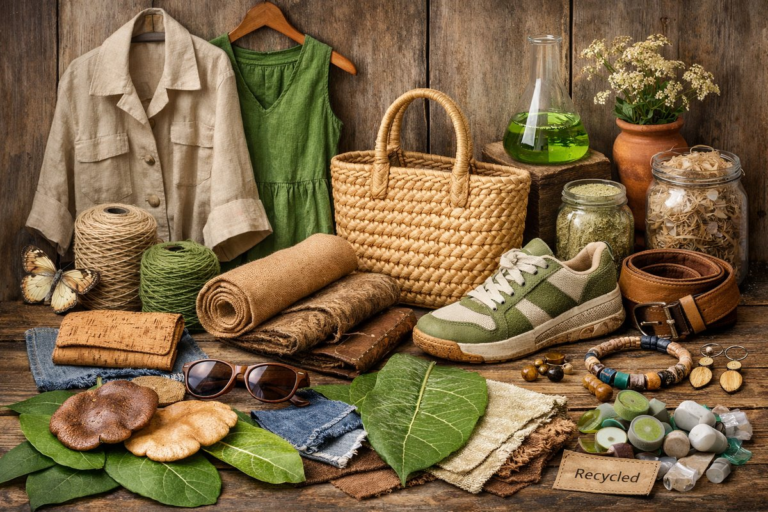
Material science labs have answered the call for more responsible textiles with breakthroughs that feel plucked from science fiction. Biofabricated leather grown from microbial fermentation, algae-based knitwear dyed without harmful chemicals, and milk-protein fibers spun into silky blends are all finding their way into limited-edition capsule drops. These innovations slash water usage and eliminate toxic runoff, but they also raise new questions about sourcing feedstock and ensuring transparent supply chains. Designers and activists are forming alliances to publish open-source data on carbon footprints, so shoppers can evaluate not just style but planetary impact.
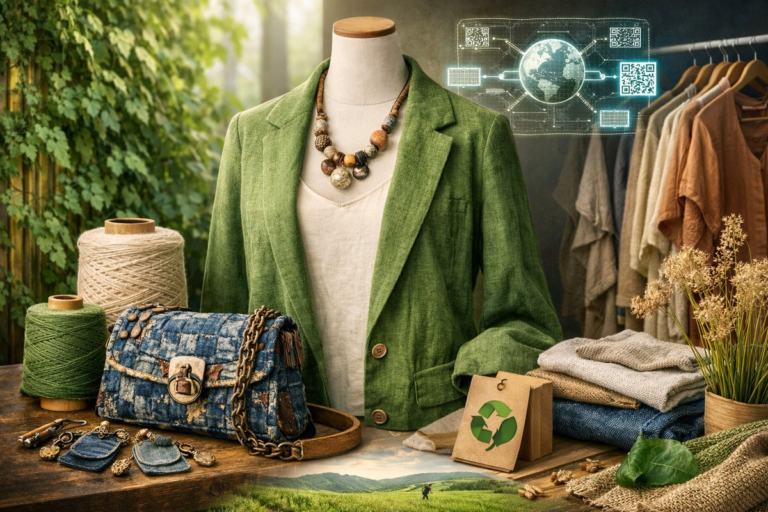
In the backrooms of independent ateliers and digital-native labels, traceability has become a watchword. QR codes sewn into seams lead to online provenance logs detailing each stitch’s origin-from organic cotton fields to solar-powered dye vats. Smart tags can even track an item’s repair history and resale price, creating a digital passport that enhances value and accountability. This level of visibility combats greenwashing, invites collaboration between producers and wearers, and aligns with broader calls for supply-chain ethics across industries.
Creativity is also being democratized through AI-assisted design tools that suggest color palettes, pattern repeats and size grading based on aggregated style data. Aspiring creatives with minimal training can prototype silhouettes in virtual studios, crowdsource feedback from global peers, and launch small-batch runs without heavy upfront costs. This opens the door for underrepresented voices-from diaspora dressmakers to makers in rural regions-to share cultural heritage through fabric and form, all while maintaining privacy controls over personal data.
Just-in-time production and on-demand printing have further shrunk fashion’s carbon footprint by eliminating excess inventory and markdown waste. Behind the scenes, digital-fabric printers and automated cutting robots sit alongside hand-finishing stations, merging precision engineering with artisanal skill. Brands and independent creators alike are offering limited-edition runs that respond directly to pre-orders or real-time demand signals. The result? A shift away from promotional discount cycles toward intentional collections designed to resonate deeply with a passionate few rather than a broad brush of fast-fashion mass appeal.
Of course, this new ecosystem faces its share of growing pains. Data security concerns arise when digital wallets hold both virtual and physical garment records. Questions about the durability of lab-grown materials linger, and the energy demands of always-on supply chains and blockchain verification networks can undercut sustainability gains. Regulators are stepping in to ensure fair trade practices, environmental reporting and consumer protections catch up with rapid innovation. In turn, some startups are forging partnerships with academic researchers to quantify the real-world benefits of new fabrics and digital-vs-physical models.
Pop-up activations are emerging as living laboratories for these ideas. One recent multi-city tour invited visitors to scan interactive murals that revealed recycled fabrics, try on AR-enhanced jackets that projected climate data onto walls, and partake in open-studio workshops where designers and local tailors co-created limited pieces. Through immersive storytelling and hands-on repair clinics, these events showcased a holistic view of fashion as culture, community and craft rather than simply commerce.
As the next seasons unfold, the boundaries between style, technology and social impact will continue to blur. We’re moving toward a world where wardrobes are never static-constantly evolving through swaps, digital collaborations and sustainable material rollouts. Shoppers will expect both emotional resonance and measurable ethics from every purchase, while designers harness data intelligence to craft personal narratives woven into fabric. In this emergent landscape, curiosity becomes the ultimate style statement and connection becomes the most coveted accessory.
For anyone curious about participating in this renaissance-whether you’re refurbishing your first thrift find, experimenting with virtual garments or exploring a new textile lab’s sample drop-there’s never been a more exciting time to engage. Fashion is no longer about following trends; it’s about forging communities, co-creating value and championing a planet-positive path forward. It’s an invitation to step beyond the hanger and wear your values as boldly as your favorite outfit.