Location
Mount Vernon, WA 98274
Location
Mount Vernon, WA 98274

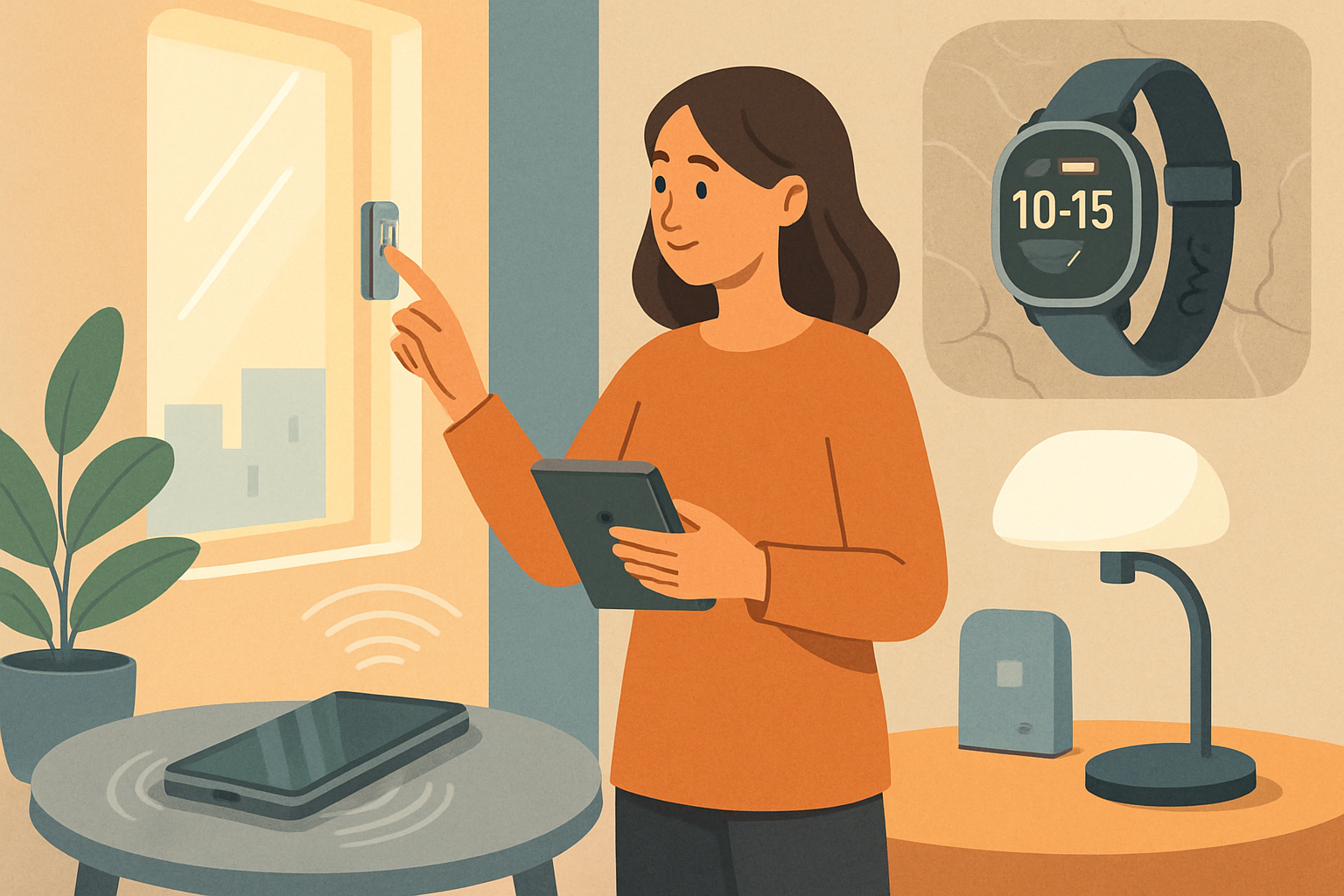
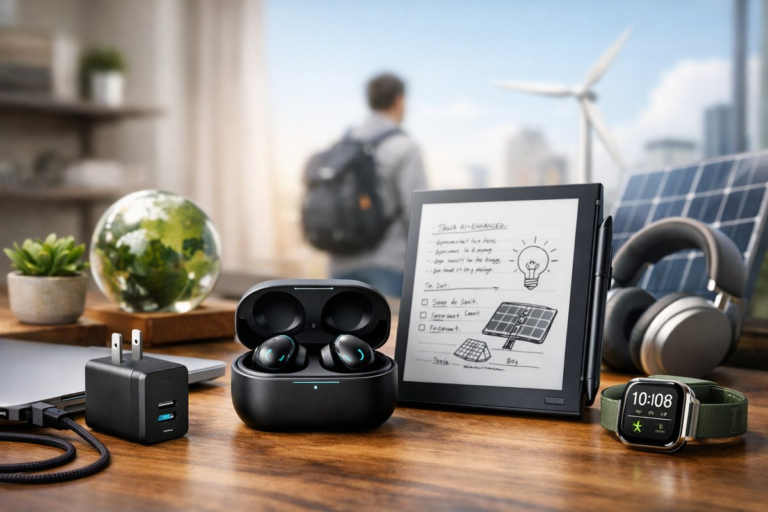
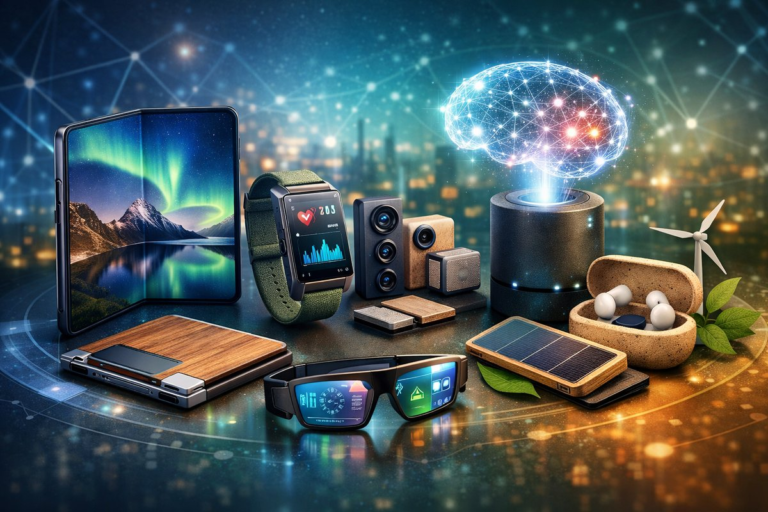
A new wave of consumer devices is emerging that blend ambient energy harvesting, smart materials and adaptive interfaces to redefine how we interact with technology in daily life. From battery-free sensors that draw power from light and vibration to surfaces that self-repair minor scratches, this article explores five breakthroughs reshaping our daily routines.
In living rooms and home offices around the globe, a quiet transformation is under way. Devices once tethered to bulky power supplies or routine charging cycles are learning to draw energy from their surroundings. Meanwhile, rugged exteriors and intuitive interfaces are dissolving the friction between human intent and digital action. Where smartphones and smart speakers once dominated conversations about connected living, a broader ecosystem of smaller, smarter peripherals is staking a claim.
At the core of this shift are energy-harvesting sensors. By converting ambient light, movement or temperature differences into electrical current, these pocket-sized wonders eliminate reliance on disposable batteries or daily recharging. In an early success story, a network of battery-free air quality monitors was deployed in offices and classrooms to track fine-particle levels in real time. Without ever needing a replacement cell, these sensors have logged millions of data points, alerting occupants to ventilation issues or pollution spikes. As production costs fall, similar modules are finding homes in door locks, temperature-controlled plant pots and even wearable patches for fitness tracking.
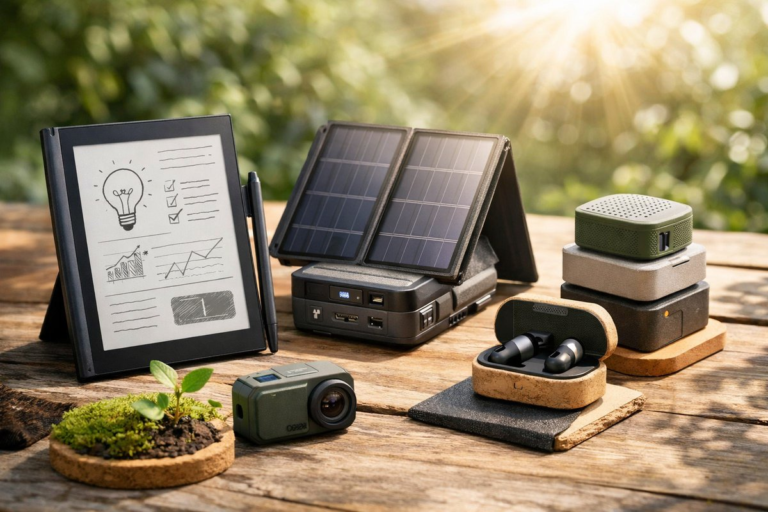
Complementing these power-sipping marvels are new classes of durable materials that can heal themselves. Using embedded microcapsules or dynamic polymer networks, gadget exteriors are beginning to repair fine scratches and scuffs within hours at room temperature. Beyond preserving a pristine look, self-healing coatings guard against moisture or dust ingress, extending device lifespans. Early adopters include portable battery packs and protective cases for tablets and e-readers. As consumers grow ever more conscious of e-waste, these resilient designs are expected to edge out conventional plastics over the next few years.
Interfacing with our digital lives is also undergoing a revolution. Traditional touchscreens and button arrays are giving way to surfaces that sense pressure, proximity and subtle gestures. By layering thin, transparent sensors beneath flexible displays or polycarbonate covers, devices can differentiate between a gentle tap, a firm press or a hover. This granularity unlocks context-aware commands: a long press might bring up detailed settings, while a swift slide summons quick-access controls. For users juggling multiple tasks or accessibility needs, these richer interactions reduce menu diving and strain on the eyes and fingers.
One notable demo at a recent tech symposium showcased a modular desk organizer with built-in load cells and infrared proximity detectors. As you picked up a pen or moved a notebook, the unit detected the motion and triggered related digital shortcuts on the connected computer: jotting on paper launched a note-taking app, while repositioning your phone opened the video conference window. This kind of ambient intelligence sits quietly in the background, anticipating needs without resorting to clunky voice commands or manual context switching.
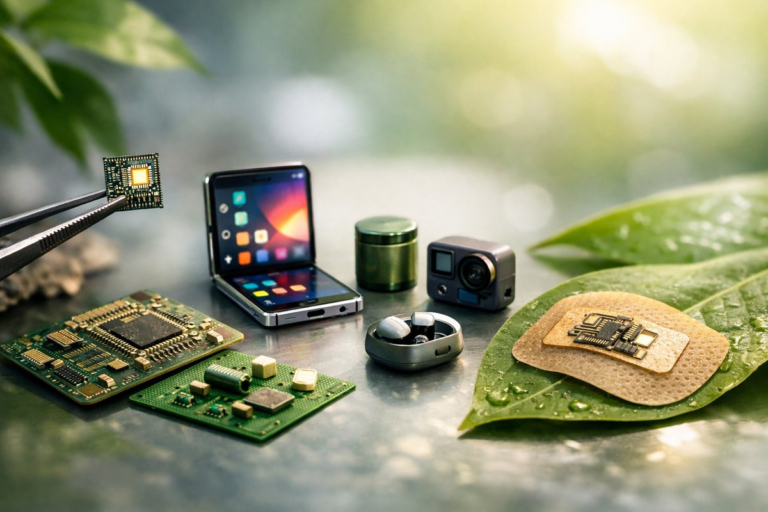
Underpinning many of these advances is a democratization of artificial intelligence at the edge. Tiny neural-network accelerators-often no larger than a postage stamp-are embedded within peripherals to handle local tasks like gesture recognition or anomaly detection. Processing data in situ reduces latency, slashes bandwidth usage and keeps sensitive information on-device, helping to preserve privacy. For example, a home security sensor that uses machine learning to distinguish between a family pet and an intruder can alert homeowners only to true security events, without uploading every movement to the cloud.
Of course, any proliferation of connected sensors raises questions about data management and environmental impact. To address these concerns, leading manufacturers are adopting open standards for interoperability and embracing recycled or bio-based materials. Several recent product lines feature housings made from post-consumer ocean plastic, paired with energy-harvesting modules that draw on photovoltaic cells printed with non-toxic inks. This holistic approach aims not just to cut carbon footprints, but to create circular-economy cycles that keep devices in use for a decade rather than just a couple of years.
Perhaps most intriguing is how these developments converge to transform everyday settings. Imagine a kitchen countertop embedded with wireless charging coils and food-safe coatings. A motion-activated display appears as you approach, showing recipe suggestions tailored to your diet and the ingredients you’ve scanned into an app. As you chop vegetables, vibration energy from your cutting board powers tiny sensors that monitor knife-wear and spoilage in real time. At the same time, a self-healing surface repels stains and scratches, keeping the workspace looking fresh.
In living areas, ambient light fixtures now double as wireless audio hubs and environmental monitors. Thanks to piezoelectric elements, these lamps harvest the gentle sway of overhead ceiling fans or even breezes through open windows. A discreet touch pattern on the base adjusts brightness or dims the blinds embedded in the shade. When CO₂ levels climb, the system nudges the HVAC unit to refresh the air, all while staying free of visible cables or wall warts.
On the wellness front, personal accessories are shedding screens in favor of subtle haptic cues and color-tuned LEDs. Wearable patches harvest body heat and movement to power step counters, posture trackers and muscle-recovery prompts. Instead of tapping a display, users feel gentle pulses on tense muscle groups or see a soft glow shift from blue to green as they meet hydration goals. By turning health insights into tactile experiences, these devices foster mindful moments without demanding constant smartphone checks.
As these solutions mature, we can expect to see a wave of creative integrations. Smart textiles may weave conductive threads into everyday clothing, turning jackets or bags into charging hubs or gesture controls. Furniture makers could embed printed electronics within wood veneer, creating tables that talk to your digital calendar or alert you when houseplants require watering. Even children’s toys are being reimagined: battery-free blocks that light up with movement, or plush creatures that react to proximity without ever needing a replaceable cell.
With so many options on the horizon, choosing the right gadgets can feel overwhelming. But the most lasting innovations will be those that slip into established routines rather than demanding entirely new ones. Look for devices that leverage existing fixtures-lamps, countertops, wallets-and turn them into smarter nodes. Seek out modules that share data locally and respect privacy by avoiding unnecessary cloud passports. And prioritize products built from recycled or easily recycled materials to minimize environmental impact.
The path ahead is not without challenges. Scaling up production of novel sensor films and self-healing polymers requires significant investment. Ensuring seamless interoperability across brands will demand cooperation on open protocols. And educating consumers about the true benefits of ambient intelligence-versus fleeting novelty-will take clear messaging and real-world demonstrations.
Yet the momentum is undeniable. In the coming months, we’ll see energy-harvesting nodes appearing in public transit terminals, quick-charge surfaces in cafés, and even bedside tables that adapt to sleep patterns and room acoustics. The gadgets of tomorrow won’t just live beside us; they’ll hum quietly in the background, drawing on sunlight, motion and thermal gradients to keep us informed, connected and empowered.
By harnessing ambient power and embedding intelligence at the edges, manufacturers are crafting a new toolkit for daily life. These innovations promise to reduce waste, respect personal data and blend more harmoniously with the environments we inhabit. As adoption grows, the line between device and setting will continue to blur-and our routines will become a little more effortless, a little more intuitive, and a lot more sustainable.