Location
Mount Vernon, WA 98274
Location
Mount Vernon, WA 98274


When travelers seek refuge from crowded resorts and overcrowded landmarks, a new wave of compact, self-contained retreats has emerged. These off-grid "pod" accommodations marry minimalist design with sustainable tech, creating immersive escapes in forests, deserts and mountain meadows alike.
Gone are the days when a memorable getaway meant sprawling villas or high-rise hotels. In recent seasons, adventurous explorers and eco-minded travelers have gravitated toward tiny off-grid pods, self-contained micro-retreats that strip travel back to its essence: quiet mornings amid nature, the hum of solar panels in place of air-conditioning units and a conscious embrace of simplicity. This growing trend reflects a deeper shift in travel priorities-from endless checklists to restorative experiences that leave minimal footprints.
The surge in pod stays accelerated as pandemic era restrictions spurred wanderlusts to look beyond conventional accommodations. With international borders reeling under closures, many began searching for nearby escapes that felt truly novel, even if just for a weekend. Pods, often tucked into secluded corners of national parks, private ranchlands or coastal woodlands, offered that perfect balance between novelty and accessibility. Reservation platforms tracked a 35 percent jump in bookings for micro-retreats over the past two years, signaling a willingness to trade square footage for solitude and connection.
At its core, a pod is a compact, prefabricated unit designed to operate independently of local utilities. Many measure under 200 square feet and feature all the essentials: a lofted bed, a small kitchenette or prep station, composting toilet and minimal cladding that blends into the surrounding landscape. Far from feeling claustrophobic, the clever use of windows, skylights and sliding doors opens each pod up to panoramic views, turning the forest edge or desert horizon into an ever-shifting mural.
Sustainability is not an afterthought in the world of pod escapes; it is a guiding principle. Most installations rely on photovoltaic panels to generate electricity, use rainwater catchment for sinks and showers, and have greywater filtration systems that release clean water back into the soil. Insulation panels made from reclaimed materials regulate temperature, while natural ventilation and strategically placed overhangs reduce the need for mechanical cooling. In some cases, pod hosts partner with local suppliers to furnish interiors using reclaimed wood, natural fiber textiles and low-VOC finishes, further minimizing embodied carbon.
Scandinavian-inspired lake pods in northern Europe have become synonymous with this movement. Small clusters of capsules rest on stilts just above water level, connected by boardwalks that gently creak underfoot. Imagine waking to the dawn chorus of loons over a misty fjord, then sliding a paddleboard into calm waters as the sun’s reflection dances on ripples. With glass sliding doors that open directly onto private decks, every stay feels like a seamless dialogue between guest and environment.
Meanwhile, hundreds of miles away in the American Southwest, desert pods offer a contrasting palette of endless horizons and ochre sunsets. These streamlined structures, often painted earthen tones or clad in metal, punctuate the openness of desert flats. Guests can step out onto gravel patios and witness starfields so vivid they seem painted on a black canvas. Many properties incorporate communal fire pits and stargazing platforms, striking a balance between privacy and social ritual.
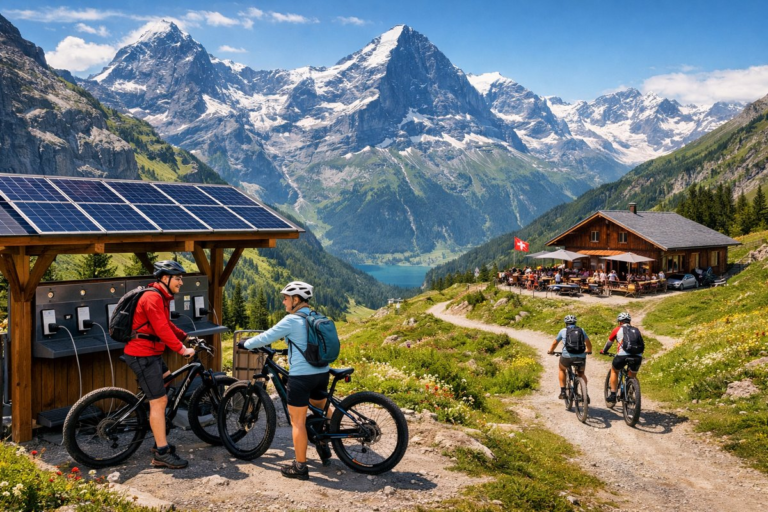
In the European Alps, alpine meadow pods perch at the edge of high-altitude pastures, providing shelter for hikers and photographers alike. These units are engineered to withstand harsh winters, with triple-glazed windows and reinforced roofing. In summer, wildflower carpets surround each pod, while in colder months, guests can watch snowfall accumulate against wooden cladding before retreating into a warm, candlelit interior. Hosts may supply local cheese boards or mountain-harvested tea blends to enhance the regional authenticity of each stay.
Southeast Asia is another emerging hotspot for jungle pods hidden beneath dense canopies. Elevated on stilts to minimize wildlife disturbance, these pods often feature open-air bathrooms and private decks that look into verdant valleys. Guided hikes, native birdwatching excursions and workshops on traditional crafts help travelers immerse themselves in local ecosystems and cultures. Here, the pod becomes more than just a sleeping chamber; it’s a portal to cross-cultural exchange and environmental education.
Despite their allure, pod stays are not without challenges. Reservations often open months in advance and fill quickly during peak seasons. Weather can be unpredictable, so guests must pack layers and be willing to embrace occasional power or water shutdowns. Pricing also reflects the novelty and infrastructure investment-overnight rates may rival boutique hotels, especially in remote regions where transport of materials is expensive.
Planning a pod retreat demands thoughtful preparation. First, research the supply model: some hosts ask guests to manage their own composting toilets or firewood collection, while others provide full orientation. Check seasonal accessibility since unpaved roads can become impassable after heavy rains or early snow. Confirm whether supplies like drinking water, towels and linens are included or if you’ll need to bring your own. Finally, consider your connectivity preferences: some pods promote digital detox by blocking cell service, while others offer satellite internet for those who can’t fully unplug.
The emotional impact of a pod escape often outlasts the stay itself. Travelers describe a profound sense of calm when a simple routine-waking with sunlight, preparing a basic meal, observing wildlife-becomes the centerpiece of each day. Disconnecting from notifications and rediscovering wonder in natural rhythms can yield lasting benefits for mental health. For many, the experience serves as a reminder that comfort and adventure need not be mutually exclusive.
Pod hosts recognize that privacy is paramount. Instead of sprawling resorts, properties often limit the number of units to preserve solitude. Some offer one-way mirrors or frosted glass sections to maintain seclusion in bathrooms without cutting off views. Others map walking paths to encourage guests to disperse rather than cluster around communal areas. This hyper-focused hospitality model caters to small groups, romantic retreats or solo travelers seeking introspection.
Looking ahead, the pod concept is poised to expand beyond remote wildernesses. Urban rooftop pods are already under development in several major cities, reimagining underutilized building tops as serene skybound sanctuaries. Weekender pods may soon appear in suburban backyards, offering “staycations” that feel worlds away. Technological advances in modular manufacturing are driving down costs, making it feasible for more hospitality operators to adopt the model.
Whether perched on a mountain slope, suspended above a desert plain or nestled in a mixed-use rooftop garden, pods are redefining what it means to travel. By prioritizing sustainability, design and mindful experiences over luxury trappings, these micro-retreats invite a more curious approach to exploration. For anyone craving an escape that feels both intimate and transformative, the era of the pod has only just begun.