Location
Mount Vernon, WA 98274
Location
Mount Vernon, WA 98274

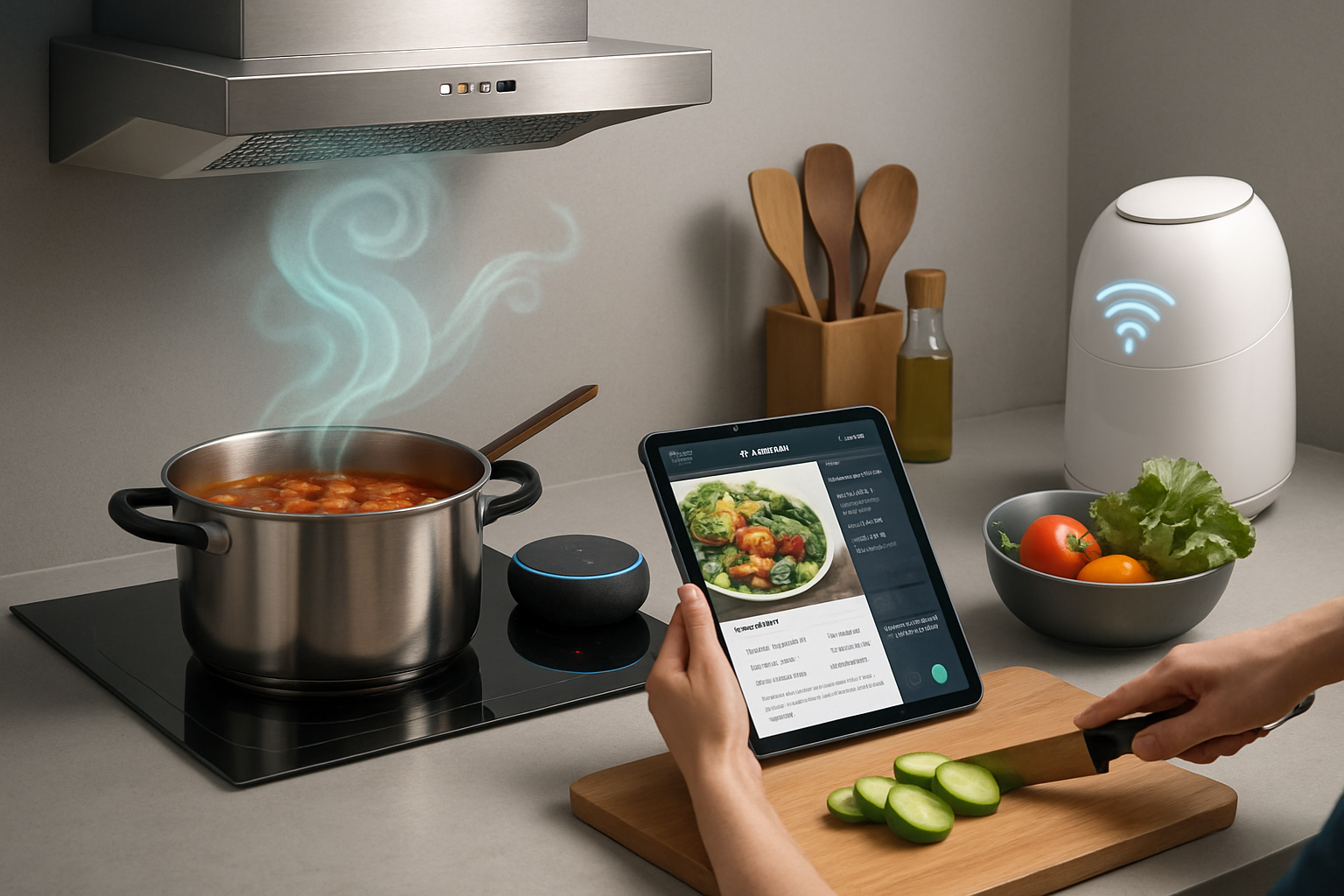
In kitchens around the world, a wave of sensors, adaptive appliances and intelligent assistants is reshaping how meals are planned, prepared and enjoyed. From aroma-emitting vents to AI-driven recipe guidance, this new era is blending culinary craft with immersive technology.
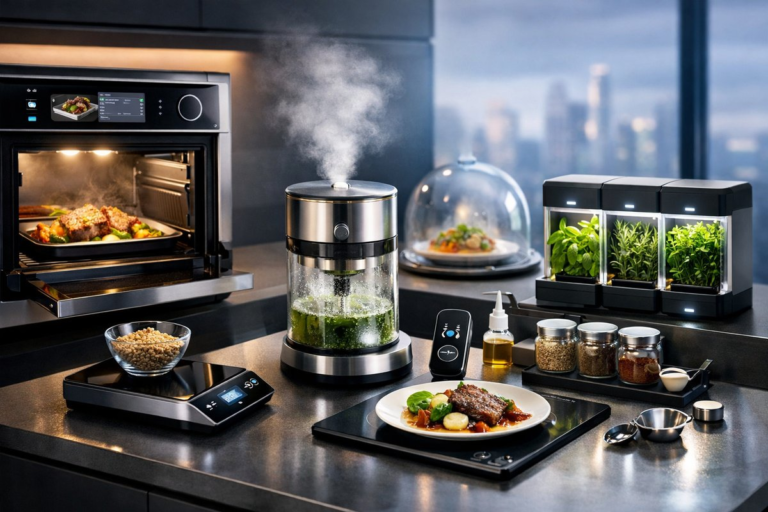
Walking into the kitchen of a design-forward home today can feel less like entering a cooking space and more like stepping into a high-tech lab. Subtle LED strips trace workflow zones, touch-sensitive surfaces react to gestures, and discreet sensors monitor ingredients as they move from counter to pan. This sensory approach is no longer a futuristic concept but a growing reality in homes seeking richer, more intuitive cooking experiences.
At last spring’s International Kitchen Innovation Expo, exhibitors showcased ovens that self-calibrate based on pan thickness, sinks that filter water quality in real-time and exhaust hoods capable of releasing custom scent profiles to enhance flavor perception. These demonstrations hint at a future where technology adapts to a cook’s needs rather than demanding new routines.
Central to this transformation is the rise of multisensory feedback. Instead of simple timers or temperature alerts, emerging devices use ambient lighting, gentle haptic pulses and even controlled fragrance diffusion to guide users through each cooking stage. Imagine a stove that pulses blue when a sauce needs stirring or a countertop that releases a hint of basil to remind you to add fresh herbs. This layered feedback supports both experienced chefs and novice cooks, reducing errors and elevating creativity.
“Our senses work together when we cook,” explains a researcher at a leading culinary innovation lab. “By engaging sight, touch, smell and sound, technology can reinforce cooking techniques and help users build deeper intuition about ingredients and timing.” Early studies from university kitchens report a notable reduction in burnt dishes and under-seasoned meals when multisensory cues are present.
Behind these immersive features lies a web of data collection. Temperature sensors under glass-ceramic cooktops, humidity monitors inside storage drawers and weight sensors built into cutting boards feed real-time analytics to central hubs. Using standardized privacy frameworks, these systems process information locally and share only aggregated insights to cloud services, ensuring that family recipes and personal habits remain confidential.
Security engineers have applauded the shift toward edge-based processing, where raw sensor data need not travel off-site. Coupled with encrypted device-to-controller communication, modern kitchens are forging a balance between powerful personalization and robust privacy protections-an increasingly critical concern as smart home ecosystems expand.
One notable innovation unveiled at the expo was an adaptive range hood with carbon-filter compartments that adjust airflow and scent release in response to cooking intensity. When sautéing garlic and onions, the unit enhances ventilation to reduce lingering odors; when baking cinnamon-spiced treats, it emits subtle vanilla notes to complement the kitchen’s warm aroma. This marriage of ventilation and olfactory design offers a multisensory stage for culinary exploration.
On the preparation side, smart cutting boards with embedded weight sensors can detect ingredient mass in real time. Linked to companion apps, they propose ingredient substitutions for dietary restrictions-suggesting gluten-free flour when weight thresholds indicate all-purpose flour, or alternative sweeteners to balance sugar intake. Such adaptive recommendations reflect both nutritional science and flavor chemistry, guiding healthier cooking habits.
Beyond individual devices, entire kitchen suites are converging around unified mesh networks. Wireless communication protocols designed for low-power appliances allow refrigerators, stoves, dishwashers and lighting to synchronize tasks. For example, a recipe app can trigger preheating when a user begins chopping vegetables, signal the hood to elevate airflow when pans heat up, and dim overhead lights to create an inviting dining atmosphere the moment the timer ends.
This level of orchestration extends to sustainability initiatives as well. Sensors in waste bins identify food scraps in real time, offering composting tips or redirecting usable peels and stems to a connected countertop composter. Refrigerators equipped with interior cameras and inventory tracking suggest recipes for soon-to-expire items, reducing waste and saving money. According to research by kitchen analytics firms, these features can cut household food waste by up to 30% over a year.
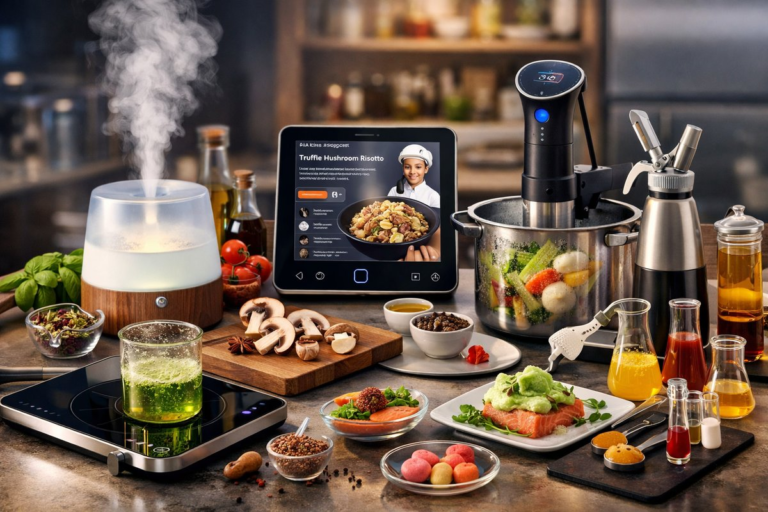
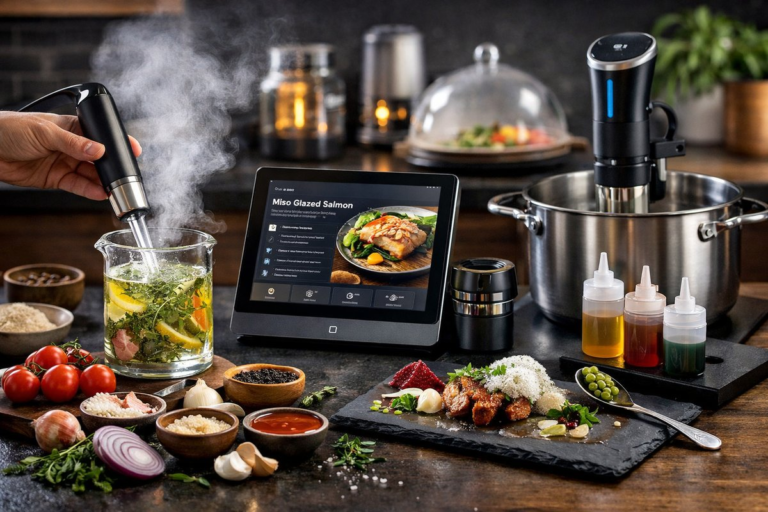
However, with growing device complexity comes the need for user-centric design. A common critique in early prototypes centered on cluttered control apps and steep learning curves. In response, designers are streamlining interfaces through voice-activated assistants that understand cooking terminology, simplified gesture controls on touchless panels, and quick-start modes that guide first-time users through basic functions before unlocking advanced features.
In one pilot program, a group of senior home cooks trialed an AI-powered recipe advisor that offered step-by-step voice prompts, adaptive pacing based on cooking speed and real-time error correction. Participants reported increased confidence and enjoyment, with over 80% expressing interest in adding more tech to their kitchens over time. This feedback underscores how accessible design can deflate intimidation and spark curiosity across demographics.
As immersive kitchen tech gains traction, collaboration between appliance manufacturers, sensor developers and software firms has accelerated. Open standards initiatives aim to ensure that a smart oven from one brand can seamlessly communicate with a refrigerator from another, avoiding vendor lock-in and fostering an ecosystem of modular upgrades. This interoperability also supports long-term sustainability by allowing individual component replacements instead of full appliance swaps.
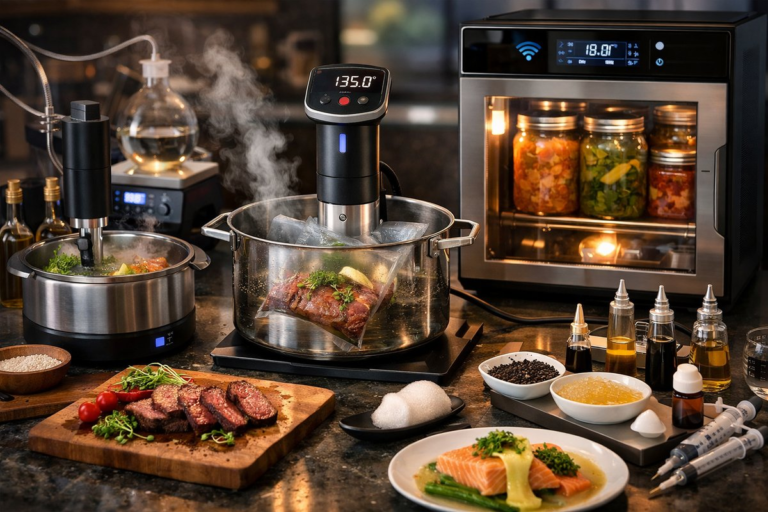
Meanwhile, culinary schools and professional kitchens are beginning to integrate these tools into their curricula, exploring how real-time data and sensory feedback can refine techniques from sous-vide precision to artisanal bread baking. By training the next generation of chefs on these platforms, institutions hope to bridge the gap between gourmet restaurant workflows and everyday home cooking.
For home cooks eager to get started, entry points into this brave new kitchen are becoming more affordable. Dedicated multisensory hubs with a handful of sensor add-ons can retail for under a few hundred dollars, with modular expansion packs available on demand. As adoption grows, economies of scale are expected to drive mainstream price drops, making these experiences as common as blenders and food processors.
Retailers specializing in home goods now offer curated displays where customers can see scent-diffusing vents in action, sample recipe-generating apps and experiment with adaptive lighting schemes. Demonstrations often include side-by-side test kitchens showing a traditional setup versus an immersive one, highlighting time savings, reduced waste and enhanced learning curves.
Looking ahead, experts predict that machine learning models trained on public recipe repositories and aggregated home-cook data will unlock even deeper personalization. These algorithms could detect flavor preferences, dietary patterns and schedule constraints to craft weekly menus automatically-then guide users through each step with dynamic sensory cues. The goal is less about replacing human creativity and more about enriching it with data-driven insights.
Critics caution that over-automation might erode the joy of discovery inherent in cooking. Yet many designers stress that the best experiences are those which slip into the background, offering subtle guidance without disrupting a cook’s natural rhythm. Like an experienced sous-chef, the technology learns when to speak up and when to remain silent.
In this evolving landscape, the kitchen stands at the intersection of art and engineering, tradition and innovation. As immersive tech continues to mature, home cooks may find themselves equipped with sensory superpowers: the ability to see, hear and smell data. That fusion of technology and taste hints at a future where every dish becomes a multisensory adventure-one that blends human intuition with machine precision, flavor passion with digital finesse.