Location
Mount Vernon, WA 98274
Location
Mount Vernon, WA 98274

As extreme weather becomes part of daily life, homeowners are rethinking the very bones of their houses. From floodproof materials to smart sensors and community-driven initiatives, a wave of resilient remodeling is reshaping how we weather the next storm.
When torrents sweep through neighborhoods and heatwaves bake rooftops, many homeowners feel the impact not just emotionally but in the very structure beneath their feet. Across flood plains, fire-prone hillsides and sun-scorched valleys, a new kind of home improvement trend is emerging-one focused not on the latest decor craze but on designing for resilience. This approach combines robust materials, smart systems and community collaboration to prepare living spaces for the extremes of a changing climate.
At the heart of resilient remodeling is a shift away from reactive fixes toward proactive strategies. Traditional renovations often address wear and tear. Resilience upgrades anticipate hazards, protect critical systems and allow homes to bounce back faster. Instead of simply refinishing floors after a leak, homeowners are installing water-resistant subfloors. Beyond adding an extra coat of paint, they’re specifying reflective roof membranes that deflect solar radiation and keep indoor temperatures in check. The result is a house that doesn’t just endure weather events-it adapts to them.
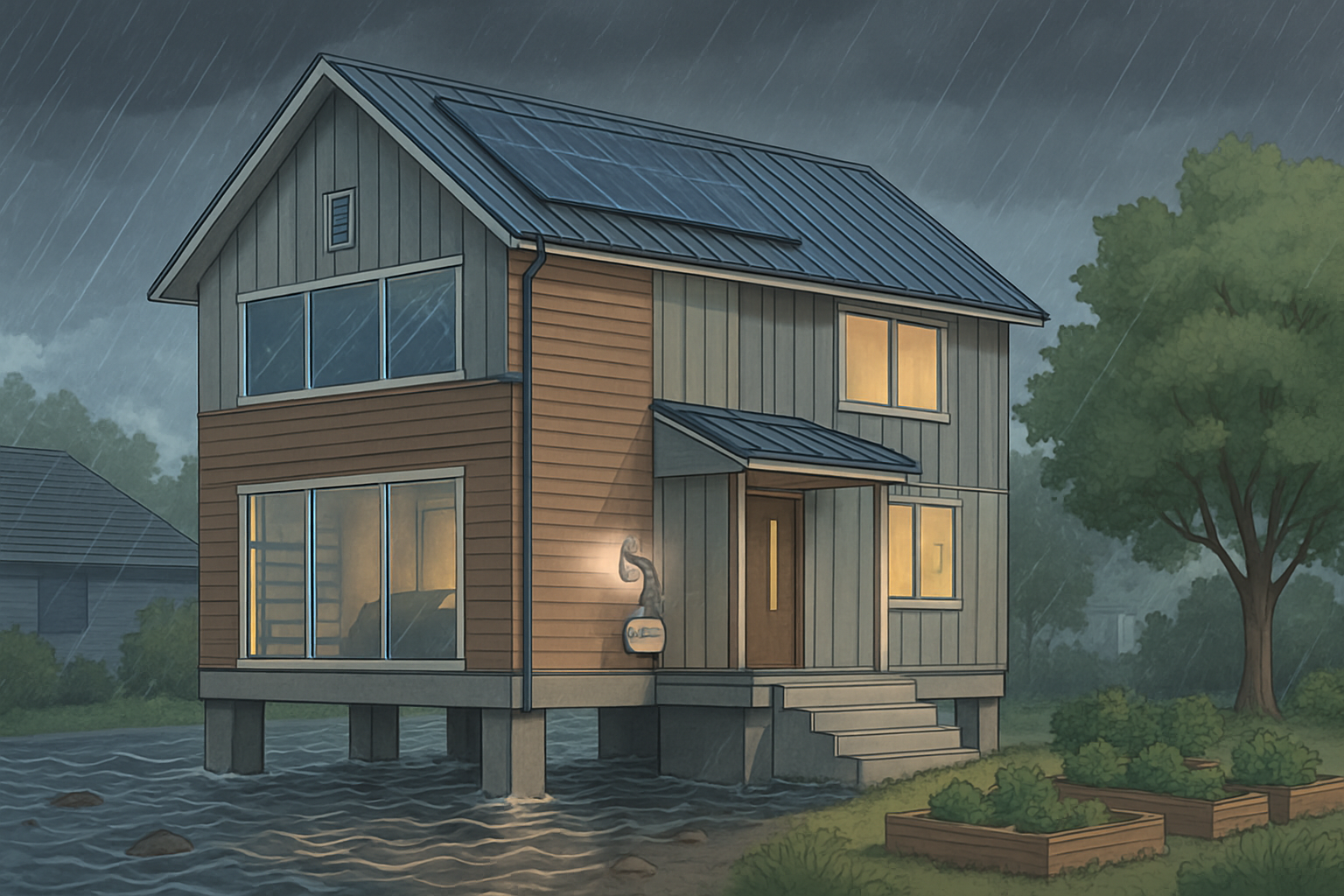
Materials science plays a starring role. In flood zones, elevated concrete slabs and engineered waterproofing membranes replace standard plywood underlayment. Specialized masonry blocks channel rising water through drainage paths, preventing hydrostatic pressure from cracking walls. In regions beset by wildfires, fire-resistant siding made from cementitious mixes and tempered glass windows with metal shutters stand guard. Even in heat-prone climates, innovative wall systems incorporate phase-change materials-substances that absorb and release heat at specific temperatures-to maintain steady indoor conditions without overworking the air conditioner.
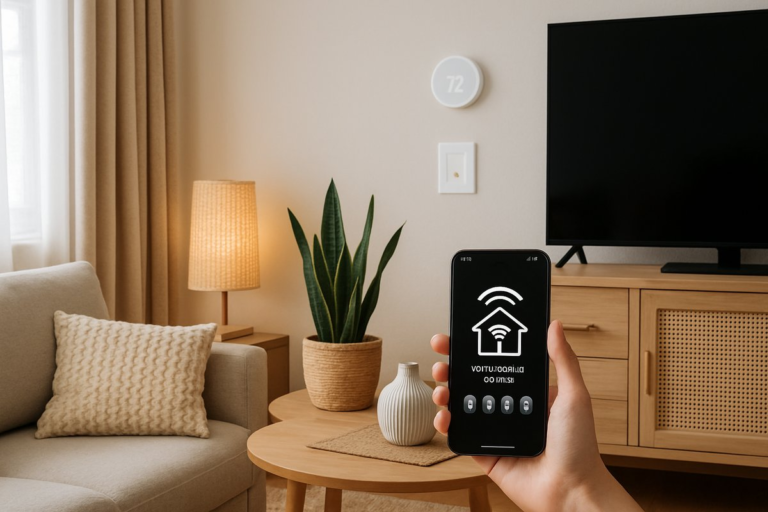
Smart home technologies now integrate weather forecasts to manage energy and safety. Automated window shades calibrated to local sun angles unfurl when sensors detect intense solar radiation, reducing cooling loads. Smart thermostats link to external weather APIs and run HVAC equipment in anticipation of incoming heat or cold fronts, trimming energy spikes. Meanwhile, networked sensors placed near plumbing fixtures monitor moisture levels and send instant alerts at the first sign of a leak. Some systems even close the main water supply automatically if readings exceed configured thresholds, preventing costly damage before it begins.
Insurance companies have taken note of these innovations, offering premium discounts for homes that meet resilience criteria. In some areas, government agencies provide rebates or low-interest loans for flood mitigation measures, such as elevating electrical panels above anticipated waterlines or installing backflow valves. Even small investments-applying water-resistant sealants around foundation cracks or installing a battery backup for the sump pump-can qualify homeowners for savings. The financial incentives make it easier to justify upfront costs, turning what once seemed like luxury upgrades into worthwhile risk-management strategies.
Real-world examples abound. In a Midwestern community repeatedly battered by flash floods, one homeowner retrofitted her basement with mold-resistant drywall and ceramic tile floors. She installed a localized pump system with battery backup and connected it to a cellular leak detector. “The first time we saw water creeping in, the sensor pinged my phone before it ever touched the floor,” she recalls. “I was able to turn the pump on remotely and keep thousands of dollars of belongings safe.” Planning ahead spared her weeks of cleanup and restored her peace of mind.
On the coast, families facing more intense storms are opting for impact-rated windows and heavy-duty exterior shutters. These shutters are typically constructed from reinforced aluminum or steel panels that latch securely over openings at the first sign of a hurricane watch. Equipped with quick-release mechanisms, they can be deployed in minutes. Residents report that the investment not only protects the glass itself but also reduces insurance premiums by as much as 20 percent, making resilience pay for itself over a few seasons.
Desert dwellers are joining the movement too. Passive cooling techniques once limited to traditional adobe homes are finding new life in contemporary architecture. Thick earthen walls, shaded patios and interior courtyards channel breezes under pergolas and through high clerestory windows. Green roof installations-covered with drought-tolerant succulents-absorb radiation that would otherwise be funneled into the attic. Each of these measures reduces reliance on energy-intensive air conditioning and slashes utility bills during peak heat waves.
Community networks are fueling the transition. Neighborhood tool libraries stock everything from heavy-duty dehumidifiers to impact-rated window panels, allowing homeowners to try upgrades before investing in full kits. Local volunteer groups host resilience workshops where participants learn to install flood gates, apply intumescent paint or strap down water heaters. These gatherings foster a shared sense of stewardship; when one house becomes a safe haven in a flood, it strengthens the entire block.
Architects specializing in disasters have also stepped in. At design studios from California to Florida, professionals collaborate with climate scientists and emergency planners to offer resilience audits. They model worst-case scenarios-whether thirty-year floods, Category 4 hurricanes or multi-day power outages-and propose structural and operational tweaks. By prioritizing the most vulnerable systems-electrical panels, water heaters, or fuel lines-planners help clients allocate budgets strategically. The result is not a cookie-cutter bunker but a customized blueprint for durability.
In many cases, homeowners discover that resilience upgrades improve everyday comfort as well as disaster response. A well-insulated and sealed home resists drafts in winter and keeps indoor humidity balanced year-round. Smart thermostats that anticipate weather shifts also learn occupant preferences, delivering a smoother, more efficient heating and cooling cycle. Even materials chosen for their flood tolerance-like stone tile or engineered hardwood-often boast superior longevity compared to conventional options.
Psychological benefits emerge as well. Knowing that one’s home is prepared for extremes reduces anxiety when weather alerts flash across smartphones. Communities that rally around shared resilience projects report stronger social bonds and a deeper sense of belonging. In a world where so much feels unpredictable, having a trusted shelter can be a source of profound emotional reassurance.
Cost is often cited as a barrier, but experts note that resilience measures can be phased in over time. A homeowner might begin with low-cost items-moisture sensors, emergency vent covers, reinforced door seals-then tackle larger projects like roof upgrades or foundation waterproofing in subsequent years. In many municipalities, incremental improvements still count toward rebate or insurance discount requirements, so even partial retrofits yield tangible returns.
Looking ahead, next-generation resilient homes may integrate on-site energy generation, microgrid connections and bidirectional electric vehicle charging. Combined with rainwater harvesting and greywater recycling, these advances could transform single-family dwellings into self-sufficient micro-hubs. In the event of grid failures or supply shortages, resilient residences would continue powering essential systems, ensuring safety and comfort far beyond traditional boundaries.
As climate extremes become a daily reality, the concept of simply repairing damage after it occurs is giving way to one of anticipation and adaptation. By combining innovative materials, smart technologies and community collaboration, homeowners across diverse regions are building for tomorrow’s storms today. In so doing, they’re not just safeguarding their own families-they’re charting a resilient blueprint for the future of living.