Location
Mount Vernon, WA 98274
Location
Mount Vernon, WA 98274

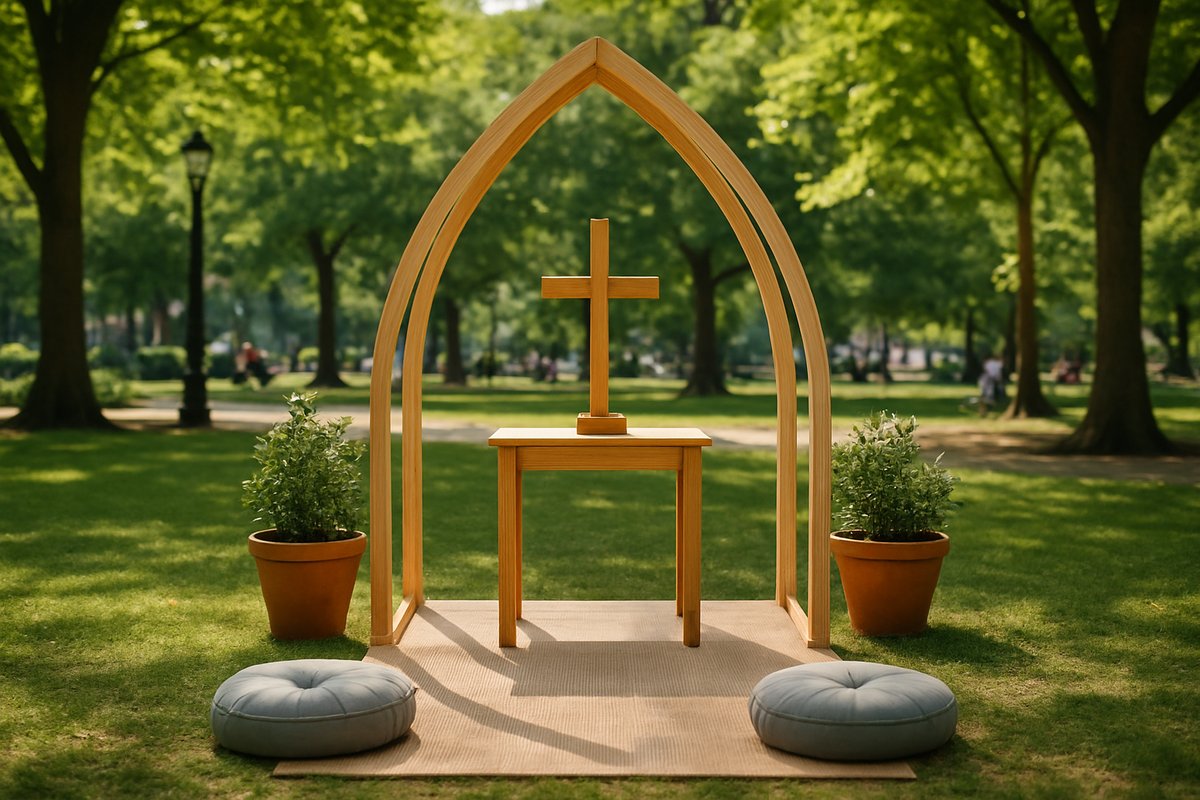
In cities around the globe, congregations are setting up pop-up prayer installations in public parks, inviting passersby to pause, reflect, and engage with Christian faith. Blending ancient traditions with modern outreach, these open-air chapels offer quiet sanctuary amid urban bustle.
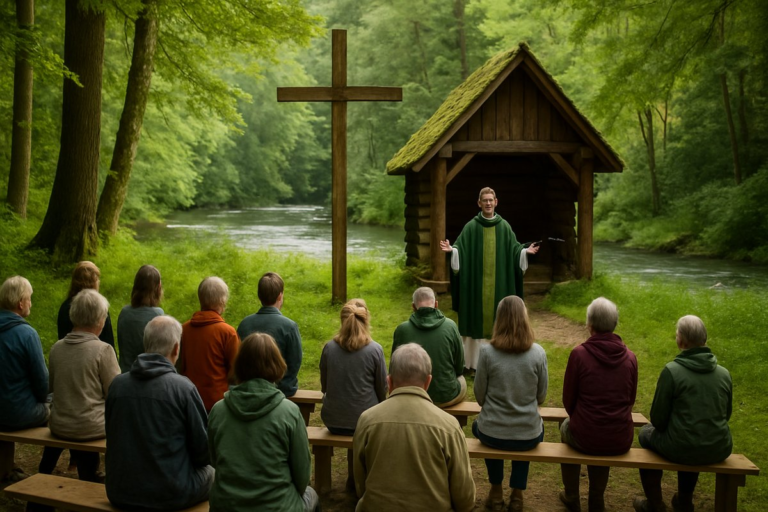
On a crisp morning in Eastside Park, visitors stumble upon a simple wooden cross anchored in a ring of white flowers. Nearby, benches face a small lectern draped in a linen cloth, waiting for someone to read aloud. A sign at the entrance invites parkgoers to step inside this open-air sanctuary, light a candle, and leave a written prayer in a weatherproof box. This pop-up prayer hub is one of dozens launched over the past year by interdenominational groups seeking to bring moments of stillness and spiritual connection into everyday life.
From London to Sydney, Berlin to Vancouver, churches have begun transforming public green spaces into temporary chapels. The installations range from minimalist crosses and prayer walls to larger tents offering guided reflections at scheduled times. Organizers say these outdoor worship stations help break down barriers, allowing people to experience Christian practices without stepping inside a traditional sanctuary.
“We wanted to meet people where they are,” explains a coordinator for City Open Chapel, a nonprofit that has rolled out more than 30 sites in North America and Europe since last spring. “Not everyone feels comfortable walking into a church building. But in a park, there’s a shared sense of belonging. You don’t need a church background to pause, breathe, and reflect.”
Data from a recent ecumenical survey shows a 25% rise in community-led, nontraditional worship initiatives over the past two years. Interest has surged as urban dwellers seek moments of calm amid digital overload. City Open Chapel reports that more than 60,000 people have visited one of its pop-up sites, with nearly half leaving a prayer note or lighting a candle. Many stayed beyond a brief visit, joining volunteers who led short readings from scripture or silent group meditation.
“We see it as an act of hospitality,” says a Lutheran pastor who lends volunteers to set up installations in public gardens. “Hospitality is central to the Christian tradition. These prayer hubs extend that welcome to the whole community, regardless of faith background.”
Participants describe a surprising variety of experiences. A jogger paused mid-run to pray for a friend undergoing medical treatment. A student took refuge before a big exam, writing Psalm 23 on a card. A family stopped by on a weekend outing, curious about the simple wooden benches, and left with a sense of unexpected peace.
In one park near the financial district of a major city, a pop-up chapel appeared during the morning rush hour. Workers on coffee breaks slipped inside to take a breath. “It became a sort of commuter pilgrimage,” recalls an Anglican deacon. “People told us it changed their day-a moment of calm before tackling deadlines.”
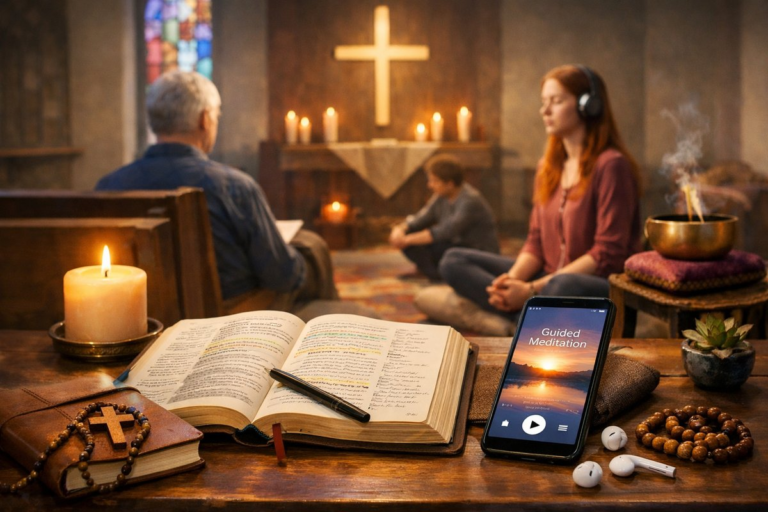
While many sites rely on volunteer teams to welcome visitors and facilitate activities, some congregations have embraced digital components. QR codes displayed on chalkboards link to prerecorded prayer playlists and guided meditation audio. Others offer live-streamed readings of scripture on small outdoor screens. These hybrid approaches acknowledge that faith communities are asking new questions about how technology can complement, rather than replace, embodied worship.
Critics warn that pop-up prayer stations risk diluting traditional services or be viewed as superficial. But leaders counter that these initiatives often inspire deeper questions. “We’ve had people ask where they can find a regular church or Bible study,” says a Baptist minister involved in the project. “An encounter in the park can spark a search for community and meaning.”
Local municipalities have sometimes raised concerns about permitting and public liability. Most organizers work through faith-based charities or community groups to secure park permissions, adhere to safety regulations, and ensure respectful coexistence with other public events. City officials in several jurisdictions praise the programs for enhancing park life without commercial intrusion.
The movement has also prompted theological reflection. Some pastors emphasize the sacramental nature of these outdoor chapels-inviting the elements of creation to be part of worship. “We’re reminded that God’s presence isn’t confined to church walls,” notes an Eastern Orthodox theologian. “Sunlight filtering through trees, the feel of grass underfoot-these are all part of the divine story.”
Beyond urban centers, similar projects have taken root in smaller towns and rural communities. A coalition of farmers in the Midwest set up a prayer canopy amid rolling fields during harvest season, offering a place to give thanks for the land. On some college campuses, Christian student groups host “open prayer hours” by the quad fountain, drawing both believers and skeptics into quiet reflection.
Volunteers emphasize that the key is simplicity. Rather than aiming for large crowds, they focus on creating an inviting atmosphere: a few chairs, soft lighting, a noticeable but gentle sign. “It has to feel accessible,” says a volunteer coordinator. “If it looks too official, people hesitate.”
As these open-air worship spaces continue to spread, organizers are exploring ways to sustain momentum. Some are partnering with local libraries and bookstores to host follow-up discussions on faith and spirituality. Others plan pop-up scripture-study sessions, where workbooks and guided reflection materials will be available on folding tables.
For many visitors, the experience becomes a catalyst for ongoing practices. A graphic designer who encountered a park chapel last autumn began meeting weekly with friends for morning prayers. A retiree wrote a short reflection on gratitude that a local newspaper published. Small ripples of spiritual curiosity are prompting new relationships and community events.
Whether in a sprawling metropolis or a neighborhood greenway, these transient chapels invite people to reclaim a space for silence and introspection. At a time when life feels fast paced and digitally saturated, the simple act of pausing under an open sky can feel revolutionary. As one visitor put it in chalk graffiti on a sidewalk board: “Thank you for giving me back the quiet.”
In a world of constant noise, these pop-up prayer hubs are more than a novelty-they are living reminders that worship, and wonder need not be confined to four walls. They are invitations to encounter faith in ordinary places, to lean into curiosity, and to discover that even a simple cross in a park can hold the promise of renewal.