Location
Mount Vernon, WA 98274
Location
Mount Vernon, WA 98274

Step beyond rote recipes and discover how a blend of modern precision, time-honored tools, and mindful rituals can turn everyday cooking into a true flavor adventure. From grinding whole spices to embracing fermentation, this article guides curious cooks toward transforming meals into memorable experiences.
Every meal is more than sustenance; it’s an expedition into taste, memory, and community. Flavor becomes a journey when we embrace both inventive methods and time-honored rituals. In kitchens across urban lofts and country cottages alike, cooks hunt for gadgets and pantry treasures that bring excitement to routine. The tactile satisfaction of crushing peppercorns by hand can sit comfortably alongside the exactitude of a digital scale. As home chefs chase vibrant textures, unexpected aromas, and playful presentations, the quest for a perfect bite becomes an ongoing odyssey. Here, we chart essential tools, inspired ingredients, and thoughtful rituals that elevate cooking from a chore to a celebration.
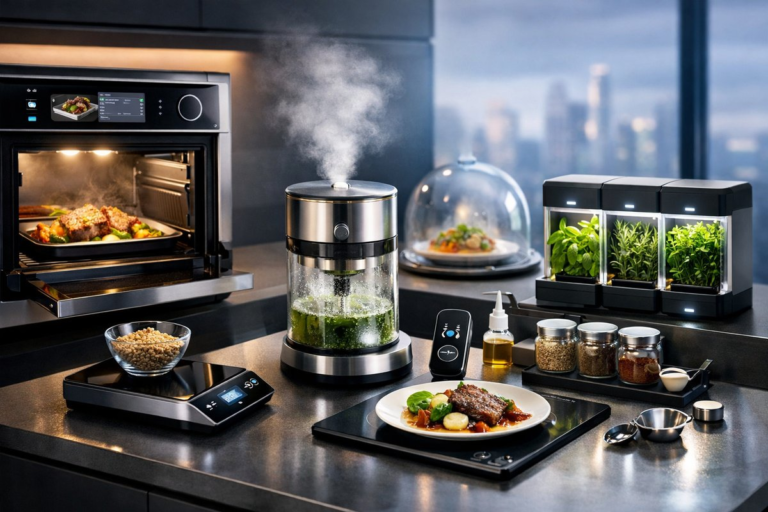
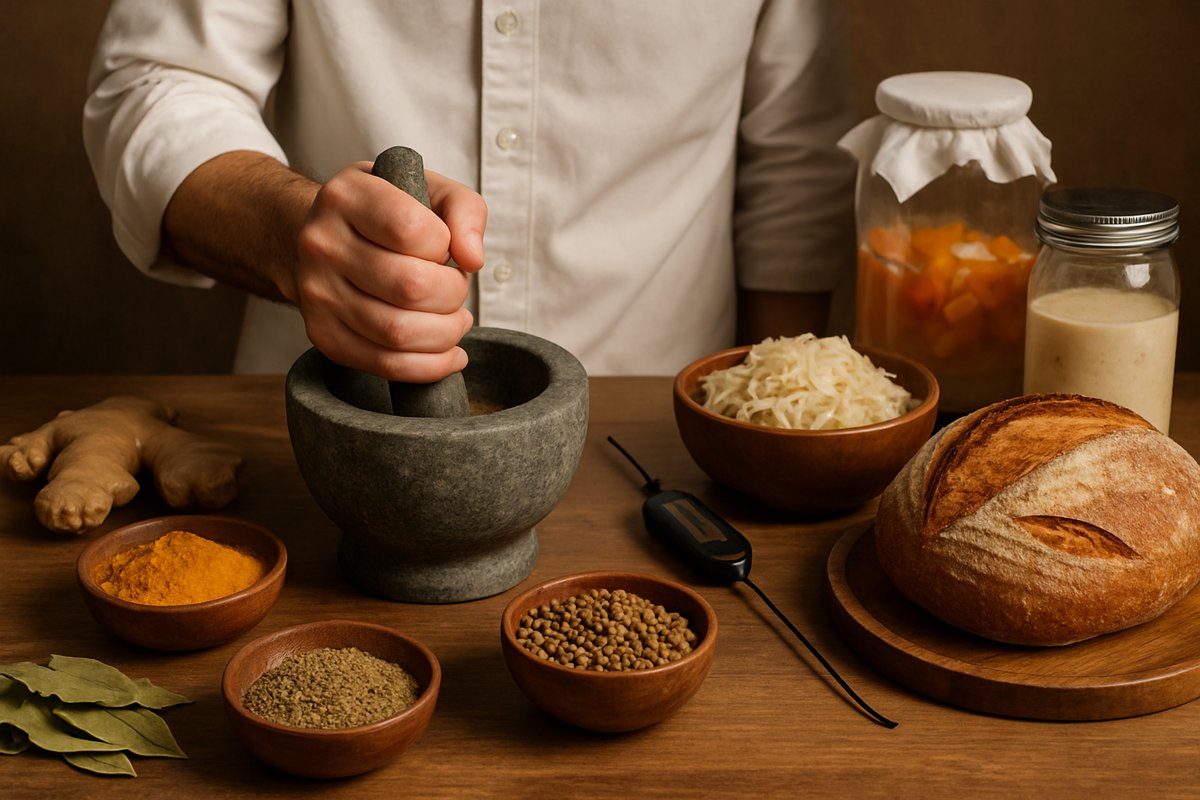
In recent years, tools that bridge analog and digital have found a special place on countertops. A compact digital kitchen scale offers precise measurements down to one gram, ensuring consistent results whether you’re tempering chocolate or portioning grains. Meanwhile, a mortar and pestle lets you crush whole spices like black cardamom and Szechuan pepper fresh in each recipe, releasing essential oils unavailable in preground blends. And for silky soups or emulsified sauces, a stainless steel immersion blender glides seamlessly from pot to bowl. Together, these items honor both the artisan’s hand and the scientist’s eye in pursuit of balanced flavor.
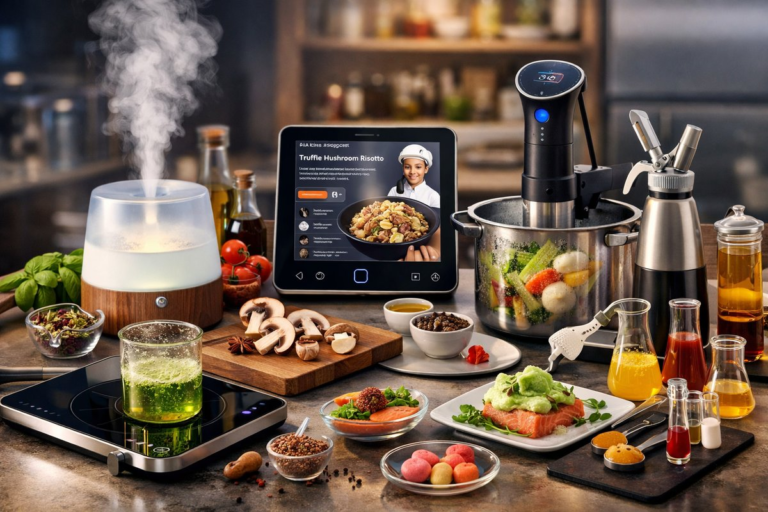
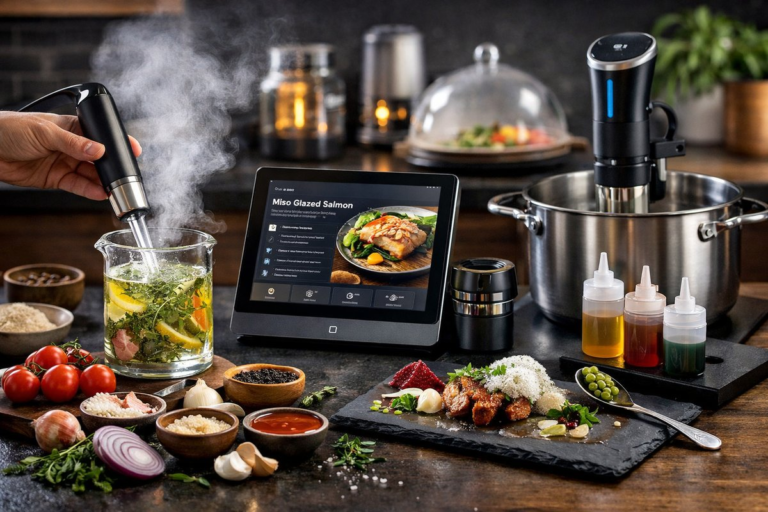
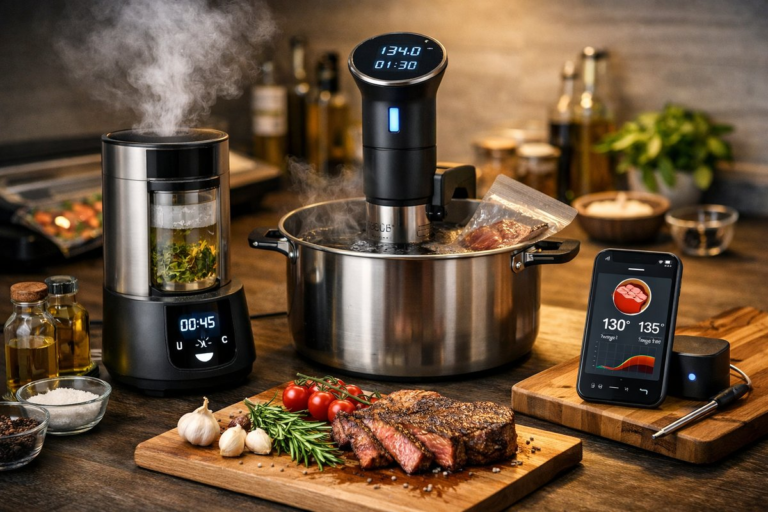
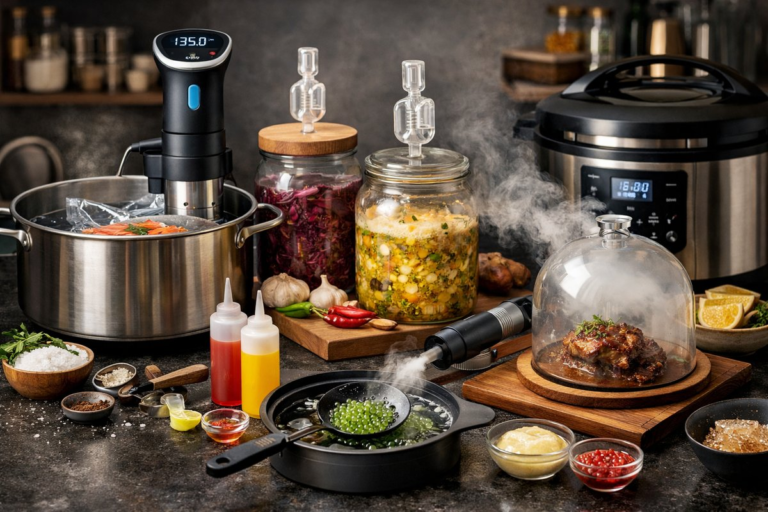
For cooks fascinated by scientific precision, sous vide immersion circulators and programmable water baths have steadily fallen in price, making them accessible to home kitchens. A recent surge in at-home sous vide use-driven by the desire for restaurant-quality texture-has yielded succulent proteins and perfectly tender vegetables every time. Coupled with vacuum-sealed bags, this gentle, low-temperature method locks in juices and intensifies seasoning, allowing even novice chefs to master complex results. When finishing seared edges meet the evenly cooked interior, you’ll understand why this precision-driven approach continues to redefine expectations of home-cooked meals.
Yet even as we embrace technology, traditional cookware remains irreplaceable for its character-building qualities. A pre-seasoned cast iron skillet radiates heat evenly, forging a golden crust on steaks and deep braises alike. Unglazed clay pots maintain consistent moisture for long stewing sessions, coaxing a depth of flavor in beans and grains that no quick method can replicate. And in cuisines around the world, conical tagines or earthenware casseroles contribute unique notes of steam and spice. These vessels require patience and care, but the rewards appear in each tender bite and smoky aroma.
Parallel to the rise of tools comes a renaissance in fermented ingredients. Home fermenters across social channels share their progress as kimchi jars bubble, kombucha cultures flourish, and miso pastes mellow patient weeks before use. According to market research, sales of at-home fermentation kits have grown by about 30 percent year-over-year, reflecting a hunger for deeper complexity and gut-friendly benefits. From silky white miso in dressings to tangy sauerkraut nested in salads, these living products invite cooks to harness time itself in the pursuit of vibrant, nuanced flavors.
Spice blends offer another realm of exploration, inviting cooks to craft custom riffs on classic mixes. The global spice market, recently valued at around USD 15 billion, testifies to enduring fascination with aromatic combinations. Homemade ras el hanout mingles cardamom, cinnamon, and turmeric in North African style, while berbere layers chile sparkle with ginger and fenugreek for Ethiopian-inspired stews. Even a simple blend of dried lemon zest, sumac, and black sesame seeds-known as dukkah-elevates roasted vegetables and fresh bread. Investing in whole spices and a small coffee grinder ensures that each new batch bursts with peak freshness.
Beyond the spice rack, underutilized produce invites cooks to broaden their palettes and support seasonal agriculture. Kohlrabi, with its mild broccoli-turnip notes, shines thinly sliced in salads or braised alongside leafy greens. Jerusalem artichokes (sunchokes) deliver nutty sweetness when roasted with root vegetables. Even prickly pear from certain regional farms appears in jams and cocktails, its gentle acidity brightening desserts. Scouting local markets or joining a community-supported agriculture (CSA) program reveals fresh harvests you might never have discovered otherwise.
Amid all this creativity, the ritual of mise en place keeps the kitchen calm and focused. Taking time to wash, chop, and measure each ingredient before turning on the heat creates a meditative prelude to cooking. Bowls of sliced mushrooms, minced garlic, and pre-weighed liquids line the counter like a painter’s palette. When the meal begins, your attention stays on stirring, seasoning, and savoring rather than scrambling to grab the next item. This intentional preparation not only reduces stress but brings clarity, helping cooks of any level achieve more consistent and enjoyable results.
Cooking with others transforms solitary tasks into shared experiences. Hosting DIY taco nights or pasta-making workshops in your own kitchen invites family and friends to collaborate, laugh over flour-dusty counters, and craft memories that linger longer than any single dish. Each person can take a station-rolling ravioli, assembling skewers, or seasoning a pot of broth. These collaborative feasts weave conversation into every step, turning ingredients into stories that nourish far beyond the table.
Once plates are served, a practice of mindful tasting helps you appreciate subtle nuances. Slow down to note the interplay of umami from aged cheese, bright acidity from citrus zest, or textural contrasts between creamy purée and crisp garnish. Allow each forkful to settle on your palate, identify layers of flavor, and consider small tweaks-perhaps a pinch of fleur de sel or a drizzle of cold-pressed oil-to heighten balance. This awareness of taste trains both instinct and palate, empowering cooks to refine seasoning on the fly.
Even leftovers become a canvas for creativity when approached as culinary alchemy. Yesterday’s roast vegetables turn into vibrant frittatas or savory hand pies. Day-old rice transforms into aromatic fried rice with a splash of soy and crisp scallions. Stale bread morphs into tangy panzanella or custardy pain perdu. By viewing scraps as potential stars, home cooks reduce waste and unlock fresh inspiration for budget-friendly meals.
At the heart of these experiments lies a commitment to sustainability and emotional intelligence. Choosing seasonal produce and local sources lightens ecological impact while supporting small growers. Embracing zero-waste habits-composting peels and repurposing food scraps for stocks-reflects a respect for resources. Beyond environmental concerns, cooking mindfully connects us to our own rhythms and emotions. A slow-simmered pot of broth can feel like a warm embrace on a cold afternoon, while sharing bread and olives around a candlelit table kindles genuine human connection.
When we view cooking as more than routine, every chop, stir, and taste becomes part of an unfolding journey. Flavor is adventure-an invitation to experiment, to learn, and to celebrate the simple act of breaking bread. By pairing precise gadgets with age-old cookware, diving into fermented wonders, and observing rituals that center the mind, curious cooks can transform ordinary ingredients into extraordinary moments. So gather your tools, invite friends or find solace in solitude, and set forth on a culinary path where each plate tells a story of discovery. Your next flavor expedition awaits-take the first step and let the kitchen guide you.