Location
Mount Vernon, WA 98274
Location
Mount Vernon, WA 98274

Across regions grappling with erratic weather and resource pressures, livestock farmers are adopting regenerative grazing, IoT monitoring, and collaborative cooperatives to boost productivity while caring for land and animals. This shift blends age-old practices with modern tech, offering a blueprint for resilient rural economies.
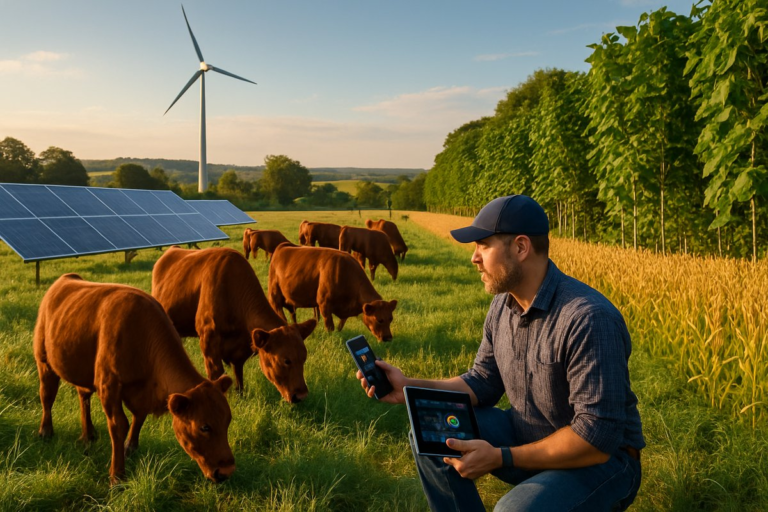
In the rolling hills of the heartland, a quiet revolution is underway. Ranchers long accustomed to traditional approaches are now drawing on a mix of time-tested knowledge and emerging innovations to craft a more sustainable path for livestock management. As seasonal extremes intensify and water becomes scarcer, these producers are piloting techniques that promise healthier pastures, stronger herds, and steadier returns. Their journey offers a glimpse into how regenerative agriculture, digital monitoring tools, and community collaboration can converge to reshape the future of farming.
At the core of this movement lies an evolving approach to grazing. Rather than allowing cattle to roam large tracts for months at a time, many producers are adopting rotational grazing systems. By dividing pasture into smaller paddocks and moving livestock frequently, ranchers encourage more uniform forage use, reduce soil compaction, and help grasses recover more quickly. Studies show that proper rotational grazing can boost forage yield by up to 30 percent while capturing additional carbon in the soil. The payoff extends beyond productivity: well-managed grasslands can better absorb rainfall, reducing runoff and buffering against drought.
Complementing these tactics, soil health has taken center stage as a foundational goal. Farmers are testing cover crops such as legumes and deep-rooted cereals during fallow periods to fix nitrogen naturally and break up compacted layers. Earthworm populations, a key indicator of biological vitality, often surge under these cover regimes. When combined with reduced-tillage equipment, producers observe improved moisture retention and more diverse microbial communities-both crucial for pasture resilience.
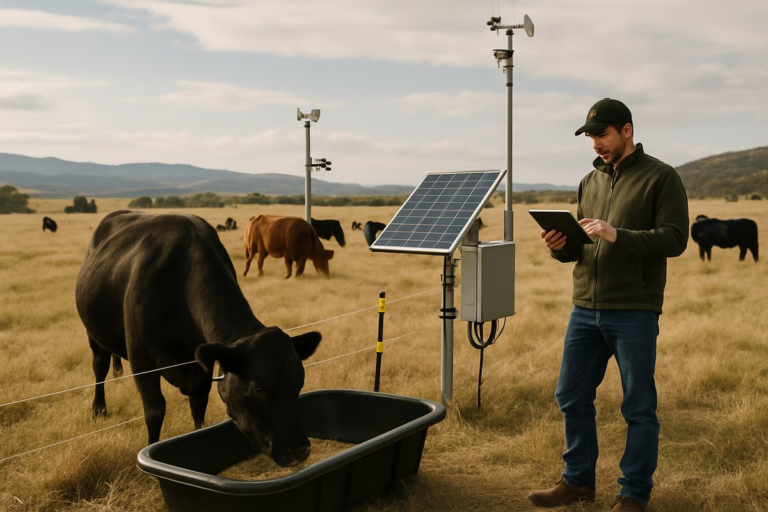
Animal welfare has also risen on the priority list. Ranchers are reconfiguring water delivery systems to ensure calves and mature cows have easy access to clean drinking water within every grazing unit. Low-profile automated tanks and solar-powered pumps eliminate the need for frequent manual checks, while inline filtration systems remove contaminants. The result is smoother hydration, less livestock stress, and better weight gain.
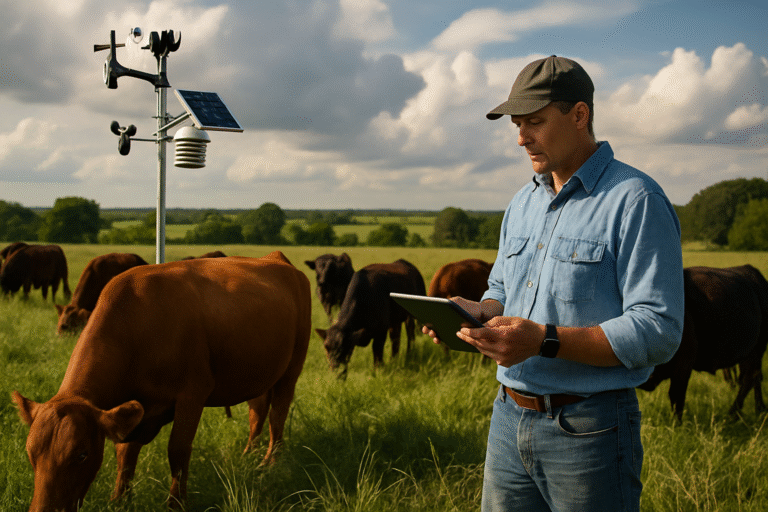
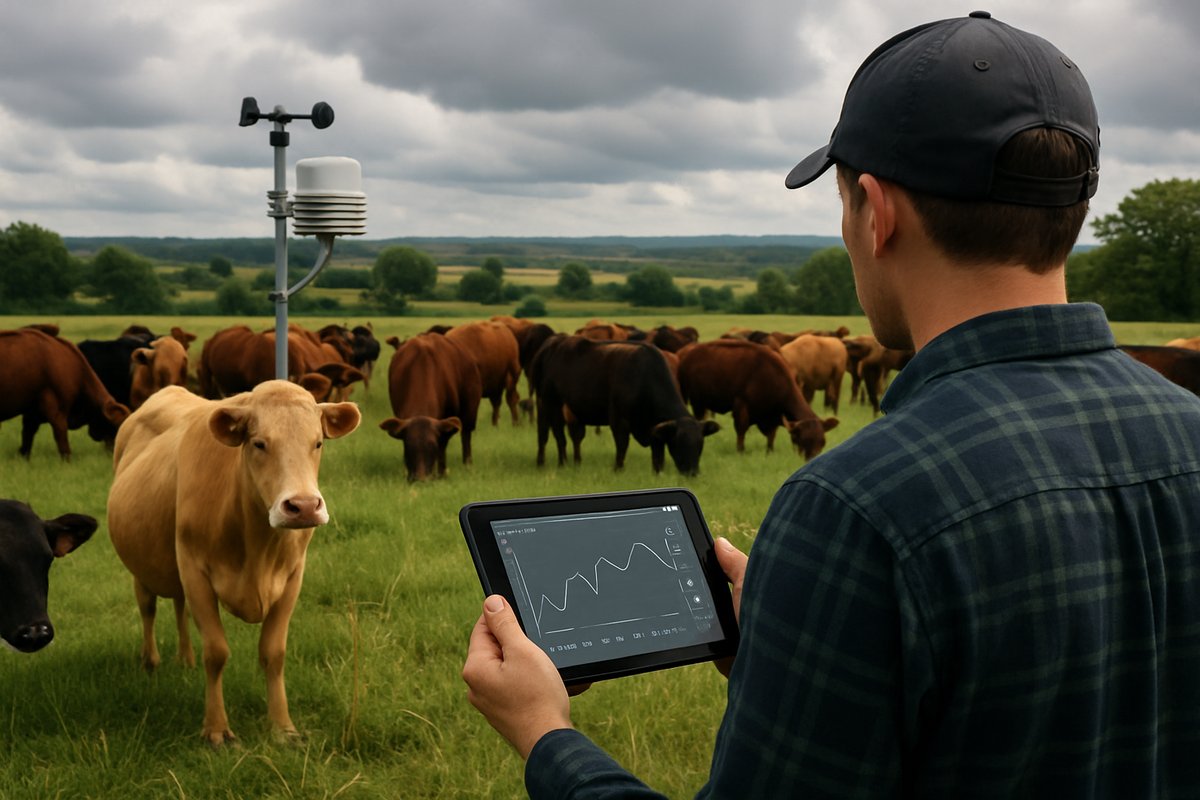
Even routine health monitoring is seeing a high-tech upgrade. Instead of traditional spot checks, some operations now deploy infrared sensor arrays that can detect subtle changes in body temperature and gait patterns. Alerts notify the rancher’s smartphone if an animal exhibits signs of fever or lameness, enabling prompt intervention. This early-warning capability not only improves animal wellbeing but also curbs veterinary costs by addressing issues before they escalate.
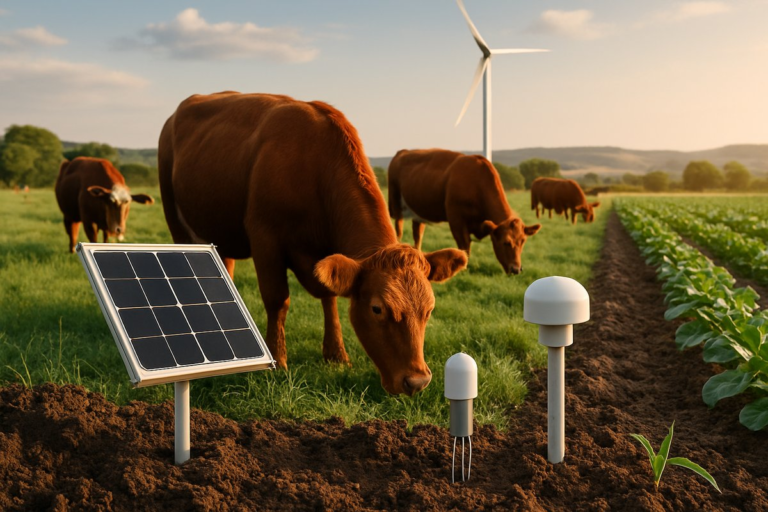
Water scarcity remains one of the toughest challenges. To stretch precious supplies, farmers are installing soil moisture sensors linked to automated irrigation valves. These devices measure moisture levels at multiple depths, then open or close water lines only when the root zone drops below a targeted threshold. Field trials indicate up to 40 percent water savings without sacrificing pasture quality. In some cases, run-off capture ponds collect seasonal runoff and channel it into underground cisterns for use during dry spells.
Meanwhile, drones have become a common sight overhead. Equipped with multispectral cameras, they survey pasture health, pinpoint invasive weeds, and map areas of over-grazing. The imagery feeds into precision-management platforms that generate actionable maps. A rancher can click on a zone needing extra seeding or adjust fencing layouts in response to topographical challenges. This granular insight reduces guesswork, enabling a laser-focused approach to land stewardship.
Data security and transparency are also reshaping market dynamics. A growing number of producers are piloting blockchain-based traceability systems that record every step of an animal’s life-birth, vaccinations, feed sources, grazing cycles, and final sale. Consumers and distributors can scan a QR code on a package to verify the animal’s journey. Advocates say this level of openness builds trust, justifies premium pricing, and rewards farmers who adhere to high welfare and environmental standards.
Not all progress requires cutting-edge gadgets. In many rural counties, cooperatives are pooling resources to purchase expensive equipment-seed drills, solar electric fencing systems, and portable handling panels-then rotating their use among members. Shared learning circles further amplify impact, as farmers swap tips on pasture seeding mixes, low-stress livestock handling, and grant applications. One county cooperative reported that its members collectively gained eligibility for a cost-share subsidy on cover-crop seed, thanks to joint training sessions and paperwork support.
Government programs and nonprofit grants have provided crucial fuel for these transitions. Cost-share incentives for solar water pumps, electric fencing, and conservation tillage equipment encourage ranchers to invest in sustainable infrastructure. Research partnerships with land-grant universities bring field-tested protocols directly to working farms through demonstration plots and extension workshops.
The financial benefits are now evident in several case studies. One midwestern ranch reported a 20 percent reduction in feed costs by optimizing grazing rotations and integrating cover crops. Another operation slashed energy bills by nearly half after installing solar-powered well pumps and LED lighting in barns. Improved herd health protocols reduced veterinary expenses by more than a quarter in the first season alone, thanks to early-warning sensors and stress-minimizing handling chutes.
As this shift gains momentum, a new generation of agronomists and animal scientists is emerging with interdisciplinary expertise. Many are veterans turned innovators who blend on-farm experience with data analytics skills. They serve as consultants, helping smaller farmers navigate the sea of emerging technologies and funding options. By knitting together farm managers, technologists, ecologists, and policymakers, these advisors help craft region-tailored blueprints for regenerative ranching.
Despite the promise, challenges remain. High initial costs, patchy cellular connectivity in remote areas, and steep learning curves for data platforms can slow adoption. Some farmers still question whether the complexity of monitoring tools outweighs the benefits. In response, tech providers are refining user interfaces, offering off-grid connectivity solutions, and rolling out training modules designed for hands-on operators.
Rural broadband initiatives are also scaling up to bridge connectivity gaps. Public-private partnerships are laying fiber lines alongside county roads, while community co-ops install wireless mesh networks to serve remote pastures. Better internet access will unlock more real-time decision-making and expand access to online courses on regenerative practices.
Ultimately, the transformation of livestock farming stands as a testament to human ingenuity and resilience in the face of mounting pressures. By blending the wisdom of traditional grazing methods with the precision of digital monitoring, ranchers are forging a more balanced relationship with the land and its animals. This hybrid model not only yields healthier herds and robust pastures but also fosters stronger rural economies grounded in cooperation and continuous learning.
As consumers increasingly seek ethically produced meat and dairy, transparent supply chains and verifiable sustainability credentials may become the new currency of agricultural success. For those on the front lines, the path ahead demands curiosity, collaboration, and a willingness to experiment. But guided by emerging tools and time-honored practices, the next chapter of livestock farming may well be its most productive and sustainable yet.