Location
Mount Vernon, WA 98274
Location
Mount Vernon, WA 98274

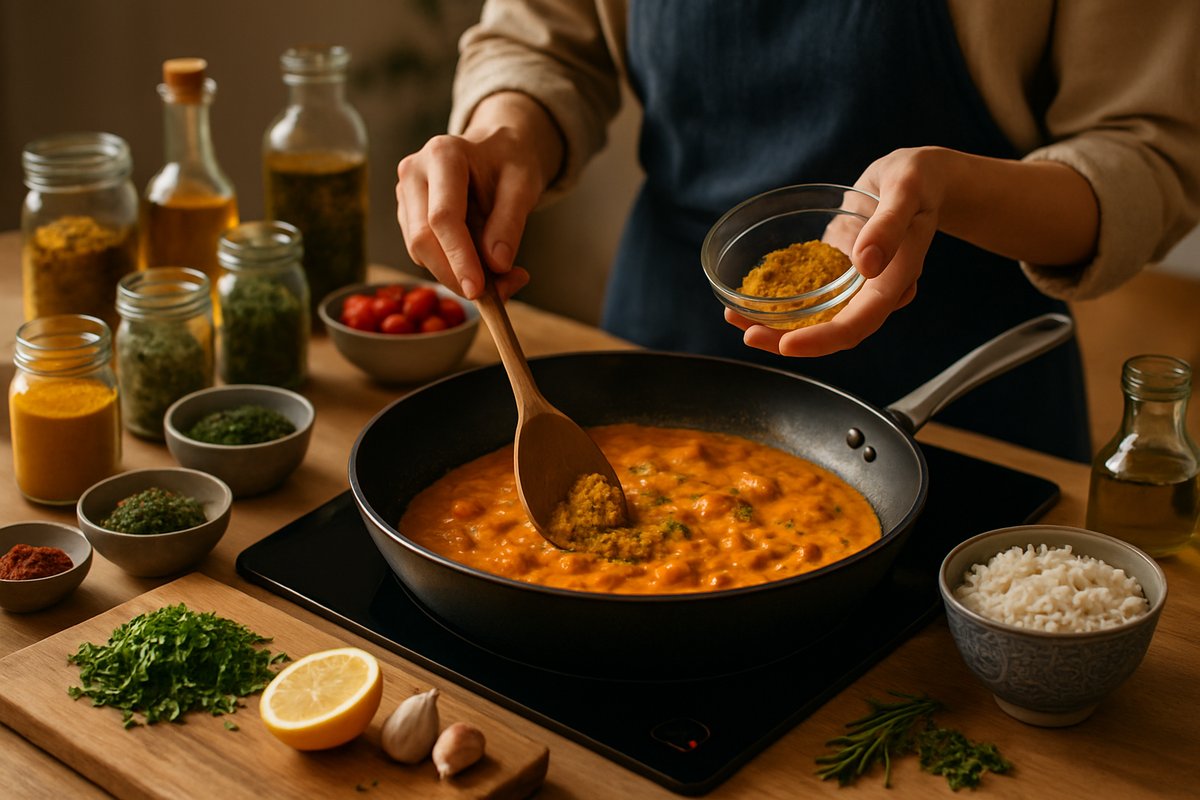
A wave of flavor exploration is transforming home cooking into an immersive journey. From precision cookware to global spice blends and mindful culinary rituals, curious cooks are turning everyday meals into memorable experiences.
In kitchens across the country, a subtle revolution is underway. The act of cooking is no longer just a chore or a quick way to feed the family-it has become a full sensory expedition. Industry research shows that more than half of home cooks have recently experimented with new spice blends, flavor enhancers, or culinary techniques, and a growing appetite for hands-on kitchen tools is powering this shift.
A recent survey by a leading food industry association found that 62 percent of respondents tried at least one new global flavor in the past six months, while 45 percent invested in innovative cookware designed to bring restaurant-quality techniques home. Culinary schools and professional chefs have taken note, partnering with manufacturers to develop gadgets that help home cooks dial in precise temperatures, blend unusual ingredients and even capture smoky aromas without a commercial kitchen.
In one lively urban neighborhood, a pop-up series called Flavor Lab invites participants to explore fermentation, spice mixing and aroma pairing in guided workshops. Attendees gather around communal workstations, breaking down whole spices by hand, adding local honey to miso fermentations and swapping tasting notes as small batches bubble away. “It’s about the story each ingredient tells, and how the right tool can unlock its potential,” says a Flavor Lab instructor. These sessions have quickly sold out, signaling robust demand for communal cooking experiences.
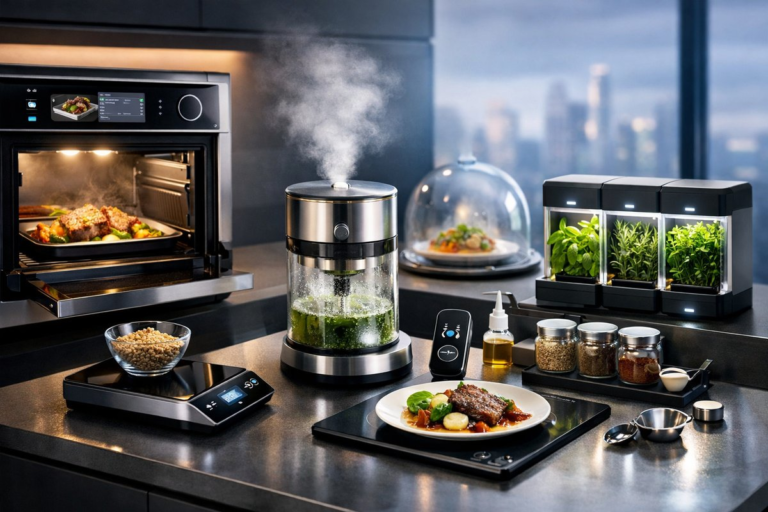
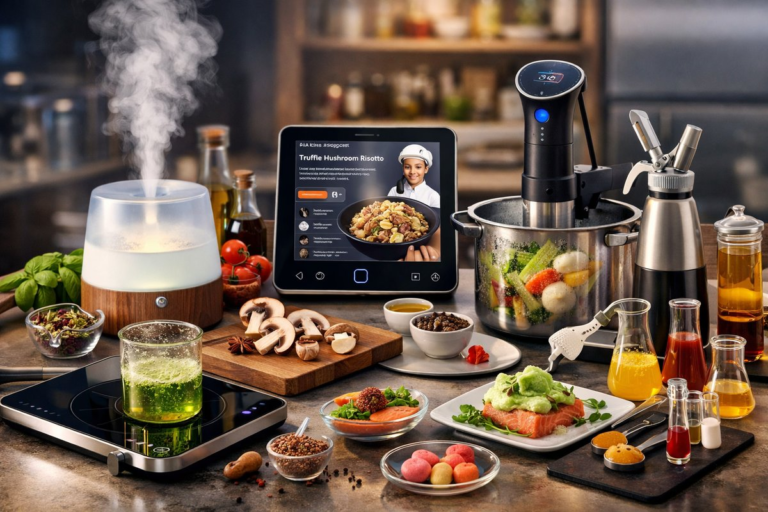
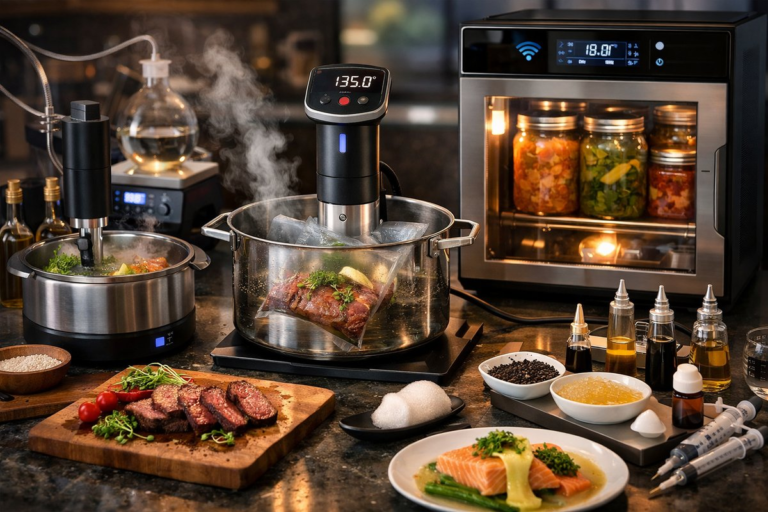
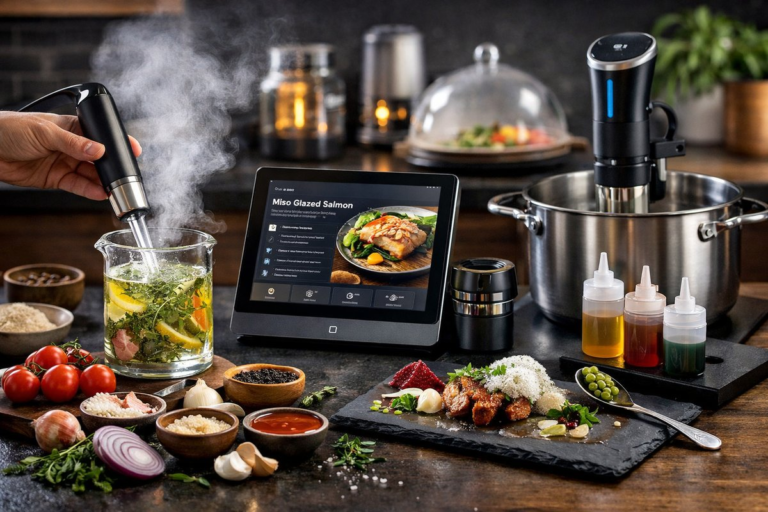
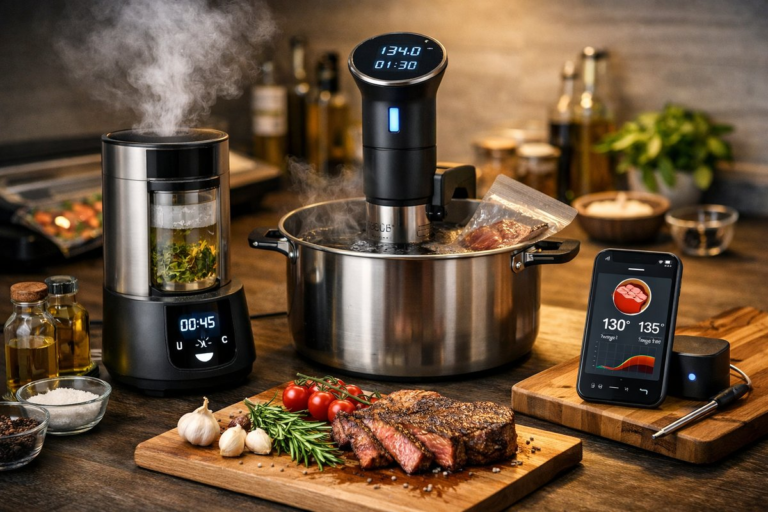
Meanwhile, consumer-facing brands are rolling out cookware with built-in sensors and app connectivity to help home chefs track cooking times, moisture levels and browning progress in real time. One popular item uses an integrated temperature probe and smartphone interface so cooks can maintain precise sous-vide style water baths, then quickly sear with a detachable induction torch. Another device offers guided stirring patterns and motorized mixing speeds for emulsions, enabling anyone to whisk together aioli, hollandaise or unconventional dressings with a single accessory.
On local grocery shelves and online specialty markets, new ingredient discoveries continue to multiply. Harissa-style chili pastes from North Africa share shelf space with smoked paprika fusions inspired by Spanish traditions. Korean gochujang pastes, available in mild, medium and extra-hot varieties, show up alongside instant kits for crafting plant-based “umami bombs” from dried mushroom powder, kombu seaweed flakes and nutritional yeast. Even backyard foragers are sharing nettle-infused weed tea recipes and seaside cooks are selling dried sea lavender petals for garnish.
One notable development is the rise of modular spice systems, which allow home cooks to layer, subtract or swap individual flavor pods-think toasted cumin in one cartridge, preserved lemon salt in another-then dial up intensity by rotating a numbered dial. Early adopters say it feels almost like a game controller, inviting playful experimentation.
But the ingredients themselves don’t tell the whole story. A wave of cooking rituals is helping to anchor these flavor innovations in meaningful routines that spark curiosity and foster connection. Many cooks begin with a brief mindfulness exercise, setting an intention for the dish-whether it’s comfort, adventure or family heritage-before chopping, blending or steaming. Some write tasting notes in a dedicated flavor journal, tracking which spice-to-salt ratios delivered the best balance or which infusion time coaxed out the richest aroma.
At the same time, digital platforms host live cooking salons where remote participants stream their knives hitting cutting boards, compare crust colors on artisanal flatbreads and swap photos of mismatched bowls of noodle soup. The video chats feel less like solitary tutorials and more like a communal bonfire, centered around a shared passion for turning raw elements into memorable plates.
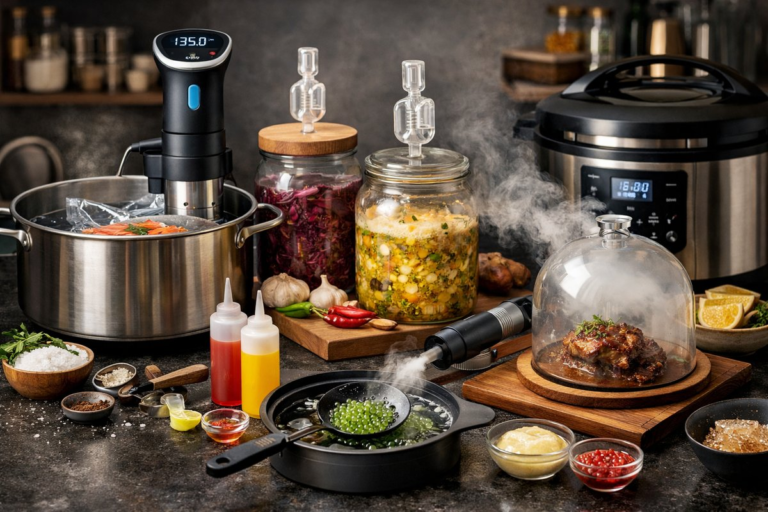
Seasonal rituals are also enjoying a resurgence. Home cooks are dedicating one weekend a month to batch fermentations-making kimchi, lacto-fermented carrots or ginger beer-then sharing sealed jars with friends. During harvest season, local farmstands organize spice-dyeing workshops for preserving autumn leaves in jars of vinegar and salt. Even simple rituals like warming a cast-iron pan and inhaling the first waft of toasting seeds before sautéing onions can become a moment of ceremony.
These emerging practices highlight an essential truth: tools and ingredients are catalysts, but it’s the intentional act of cooking that truly transforms a meal into a moment. A well-tuned instrument might help seal a steak at the perfect temperature, yet it is the cook’s touch that draws out a golden crust. A jar of rare chili threads may add visual drama, but the ritual of drizzling warmed oil over them-letting the aroma bloom-is what etches the memory.
This trend toward deliberate, adventurous cooking is reverberating beyond the home kitchen. Local food halls and small cafés have responded by hosting pop-ups where diners can try build-your-own flavor boards, selecting from incense-style spice cones, fermented garnish stations and live-fire grills manned by visiting chefs. These experiences blend tasting menus with workshop elements, encouraging guests to ask questions, try new techniques and return home inspired to experiment.
Suppliers have taken note, forging partnerships with artisan producers and tech startups. A Midwest spice cooperative now works directly with farmers in Southeast Asia to source single-village chiles, ensuring fair-trade prices and maintaining ancestral drying techniques. Meanwhile, a team of food scientists has developed a modular electric smoker attachment for standard cookware sets, making it possible to infuse mesquite, applewood or tea-smoked flavors in minutes.
Such collaborations hinge on a shared value system: sustainability, transparency and curiosity. Many small-batch spice producers prioritize traceability, listing harvest dates and farm elevations on their packaging. Tech developers emphasize energy-efficient designs, from induction griddles to dual-zone hot plates that minimize wasted heat. Cooks who care about both flavor and environmental impact find that these options line up with their ethos.
As this movement gains steam, industry watchers predict that the next frontier will combine multisensory immersion with personalized nutrition. Imagine flavor companions that suggest spice pairings to complement dietary preferences or small cooking appliances that adjust steam, convection and radiant heat to highlight specific textural contrasts. Some developers are experimenting with aroma diffusers that can release basil fume or charred onion vapor while you cook, heightening the perception of freshness.
For now, though, the heart of the story lies with everyday cooks rediscovering a sense of adventure in their own kitchens. Whether you’re seasoning a weeknight stir-fry, fermenting a bold condiment or hosting a virtual spice swap, the tools, ingredients and rituals emerging today promise to turn routine meals into stories worth savoring. Flavor, it seems, is not just something you taste-it’s an invitation to explore, connect and celebrate the art of making food.