Location
Mount Vernon, WA 98274
Location
Mount Vernon, WA 98274

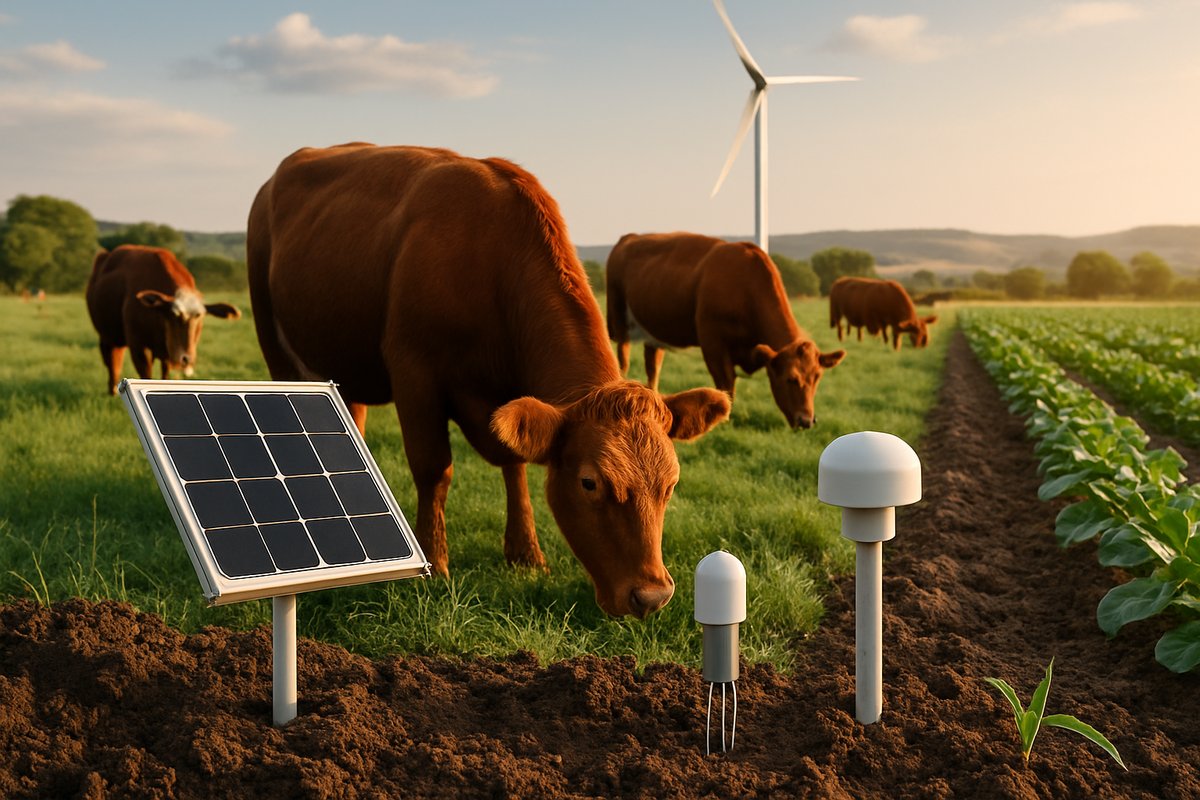
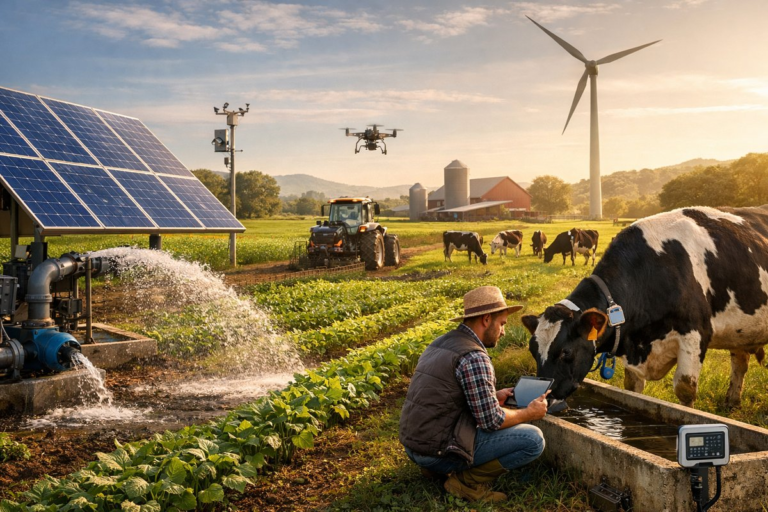
As farmers confront resource pressures and shifting consumer expectations, cutting-edge methods in soil health, animal care, and renewable power are transforming rural landscapes. From precision sensors to rotational grazing plans, a wave of innovation is redefining how crops and herds thrive together.
In many rural regions, farmers face the challenge of producing more with less: less water, less tillable land, and tighter margins. Yet across rolling pastures and working barns, a quiet revolution is underway, driven by a mix of age-old wisdom and new technologies. Regenerative principles are restoring soil biology, while precision tools monitor herd health and resource use in real time. This intersection of tradition and tech is giving rise to resilient farms where crop rotations, electric fences, and solar arrays coalesce in projects that benefit animals, ecosystems, and local economies alike.
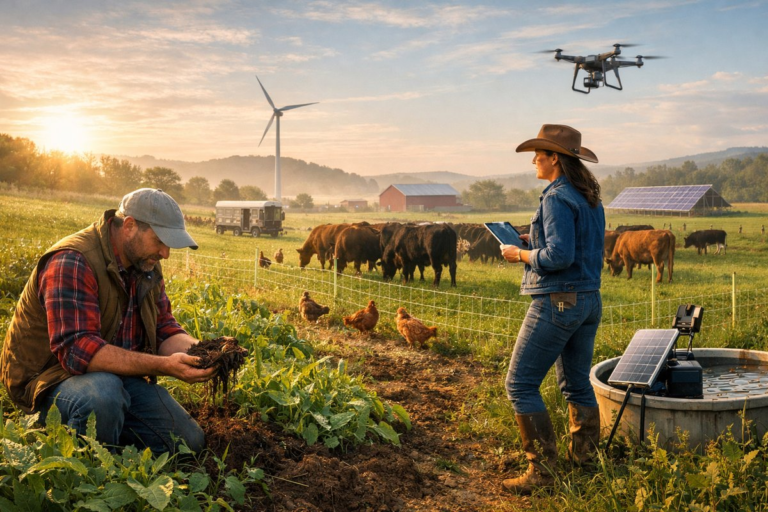
One of the most transformative practices gaining ground is multi-patch rotational grazing. By moving livestock in smaller, carefully calculated shifts across high-diversity paddocks, farmers can mimic the patterns of wild herds, stimulate plant growth, and capture carbon underground. These methods often incorporate cover crop mixtures-clover, vetch, and rye-that bolster soil nitrogen and break pest cycles. Over time, fields once bound by erosion scars become thick carpets of forage, reducing the need for synthetic fertilizers and helping groundwater recharge naturally. Pioneers report improved animal gains on surprisingly modest acreage, showing that stewardship need not come at the cost of productivity.
Linking crop and livestock cycles has long been a cornerstone of sustainable operations, but new seed varieties are accelerating that synergy. Grain crops developed for dual purpose-harvested for both seed and high-protein straw-allow farmers to feed livestock on-site while capturing yield. Leguminous intercrops planted during fallow periods enrich soils without costly inputs and can be grazed as tender winter forage. Experimental silvo-pasture systems, which integrate rows of young fruit or nut trees with grazing lanes, promise future returns in timber or harvests while offering shade corridors that improve animal welfare in hot seasons. These multi-layered designs illustrate how agrarian diversity can enhance both profitability and ecosystem health.
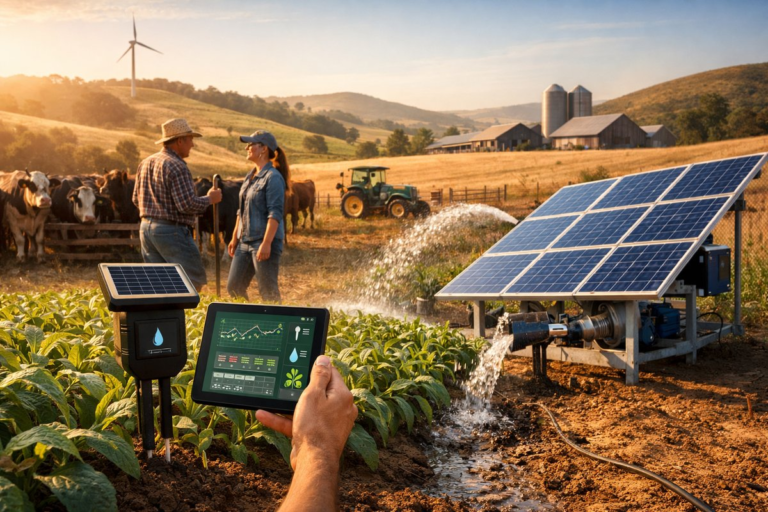
Water scarcity remains a looming threat in many farming districts, but inventive solutions are helping growers make every drop count. Modified irrigation pivots and low-pressure drip lines now operate on programmable schedules tied to soil moisture readings. Sensors placed at key depths relay real-time data, allowing watering only when root zones drop below ideal hydration thresholds. Some operations capture rain runoff in poly-lined ponds, then recycle it through sediment traps and sand filters for field use. Even more old-school tactics-swales, check dams, and earthworks-are enjoying a resurgence as part of whole-farm water budgets, smoothing out seasonal extremes and reducing off-farm water dependence.
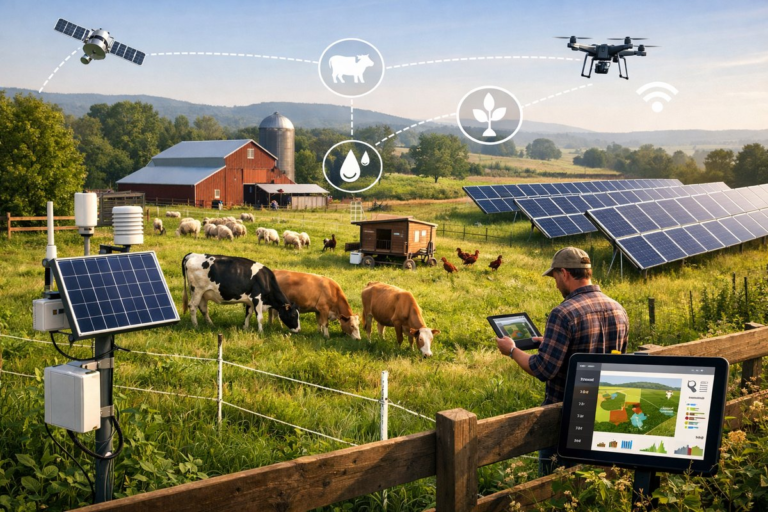
Livestock welfare has also entered a new era of observation and early intervention. Tiny wearable monitors fitted to collars or leg bands track vital signs such as rumen temperature, step counts, and social interactions. These devices transmit alerts if patterns deviate from established baselines, flagging potential illness, lameness, or heat stress before visible symptoms appear. In some barns, overhead cameras equipped with machine-learning software scan for abnormal postures and gait irregularities, instantly notifying managers of at-risk animals. This precise oversight not only improves overall herd health but also reduces labor hours spent on routine checks, enabling staff to focus on targeted treatments and enrichment.
Healthy animals depend on balanced diets, and new feed innovations are emerging to cut costs while reducing environmental footprints. On-farm feed mills equipped with modular grinders and mixers let producers formulate custom rations based on locally available grains, byproducts, and forage. Trials with insect protein-grown in vertical racks on farm residuals-have shown promising results for bird and swine operations seeking a lower-landfill alternative. Even brewer’s spent grains, once a disposal headache, can be pelleted for cattle feed after simple drying processes. By closing nutrient loops, these approaches help farms inch closer to zero-waste goals and strengthen community relationships with local brewers, bakers, or millers.
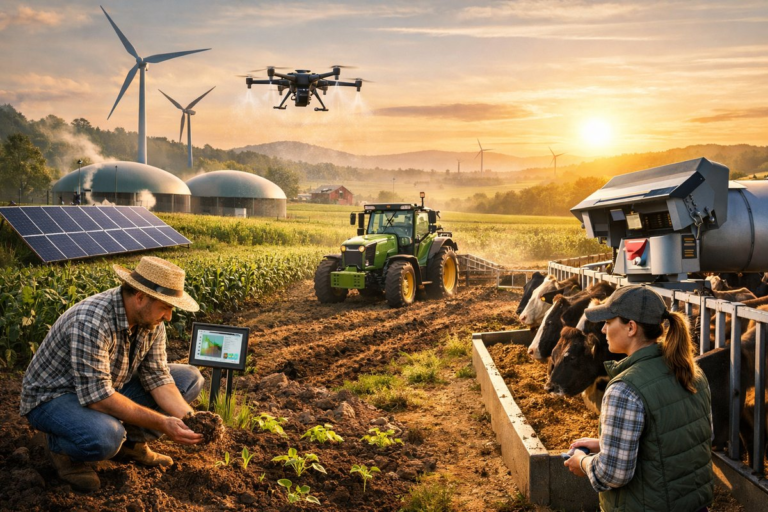
Renewable energy installations once reserved for urban rooftops are now fundamental to progressive farm plans. Photovoltaic arrays mounted on barn rooftops and ground racks power water pumps, cold storage, and milking machines, often covering a sizable share of daytime consumption. Anaerobic digesters convert manure and crop residues into biogas, which in turn fuels boilers or generators for evening operations. For small to mid-sized families, microgrid controllers coupled with battery banks ensure essential systems run uninterrupted during storms or grid outages. This transition to decentralized energy helps preserve rural community vitality, as farms become net contributors rather than net drawers on regional electricity networks.
Farm equipment is undergoing its own technological renaissance. Autonomous tractors guided by high-accuracy GPS can seed cover crops without forklift operators, reducing soil compaction alongside fuel costs. Unmanned aerial vehicles, once mainly used for spectacular photos, now produce multispectral maps that reveal nutrient deficiencies, pest outbreaks, or dry spots invisible to the naked eye. Data from soil probes, drones, and machinery converge in cloud dashboards where growers can adjust planting densities, fertilizer rates, or grazing schedules with a few clicks. By harnessing these insights, growers can optimize inputs and cut environmental impacts, keeping supply groves both lean and green.
At the community level, new marketing channels are elevating farm stories and strengthening bonds between producers and consumers. Subscription models for meat, dairy, or mixed baskets-often called Community Supported Agriculture (CSA)-give local families direct access to seasonal harvests, while helping farmers receive fair advance payments. Online platforms specializing in artisanal or regenerative products crowdsource transportation routes to minimize carbon footprints and deliver boxes to coordinating pick-up locations in nearby towns. Farmers’ markets, hybridized with solar-powered cold storage trailers, now operate seven days a week, offering both residents and restaurateurs fresh options while reducing waste through pre-order and inventory tracking tools.
Balancing a farm’s books in this new landscape requires a blend of ingenuity and careful planning. While some regenerative methods can reduce input costs over time, initial investments in sensors, fencing, or equipment may strain budgets. Federal incentive programs and local cost-share initiatives can offset a share of these outlays, but navigating application deadlines and compliance rules often demands patience. An emerging opportunity lies in carbon markets: by documenting improved soil carbon sequestration through validated protocols, land stewards can generate credits that attract corporate buyers seeking climate offsets. Bundling multiple revenue streams-from direct-to-consumer sales to ecosystem services-builds a more resilient foundation for family farms.
In parts of the heartland, a cooperative of two dozen diversified farms exemplifies this integrated approach. Members rotate grazing flocks of sheep through former row-crop fields, monitor pasture conditions with drones, and funnel manure into a communal anaerobic digester. Collective ownership of a mobile feed mill enables shared access to custom ration production, while a group-run CSA supplies fresh eggs, meat, and vegetables to a network of regional pickup hubs. By pooling resources, the cooperative reduced individual risk and accelerated the adoption curve for advanced technologies that might otherwise have been out of reach.
Looking ahead, the pace of innovation in farm and livestock systems shows no sign of slowing. Open-source research platforms are connecting scientists, engineers, and producers to co-develop affordable sensors, software, and machinery. Local learning circles and peer-to-peer networks ensure that once-experimential tools become tomorrow’s norms. As consumers and communities demand healthier food, cleaner air, and transparent supply chains, these farming pioneers are answering the call with solutions that honor heritage and harness cutting-edge advances. The path from seed to shepherd is being remapped by those who understand that true sustainability emerges when every element-soil, plant, and animal-works in harmony.