Location
Mount Vernon, WA 98274
Location
Mount Vernon, WA 98274


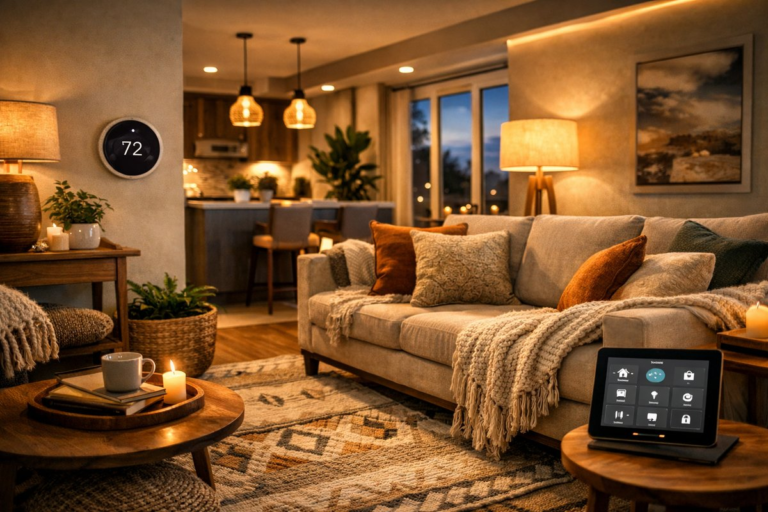
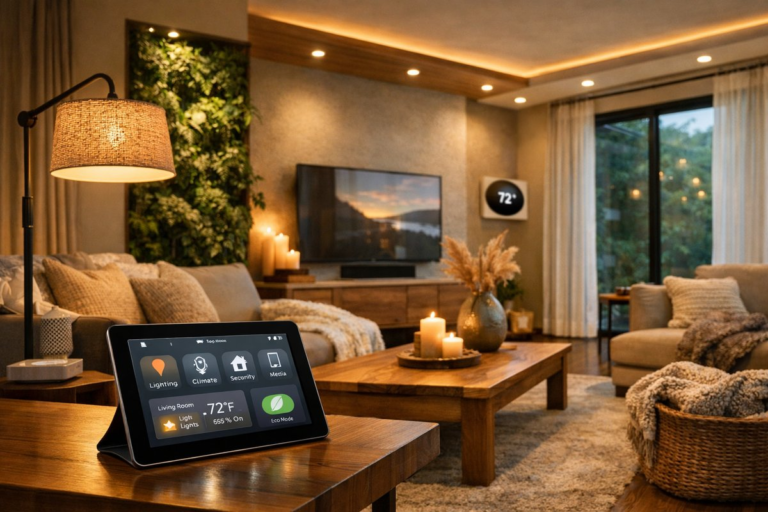
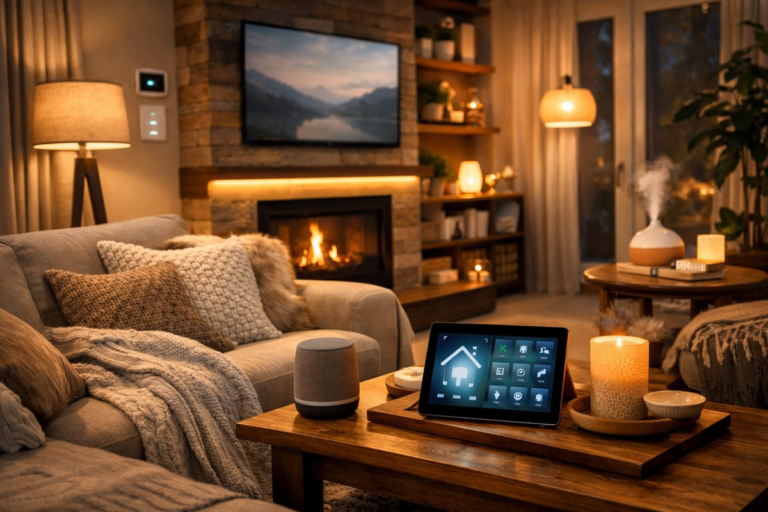
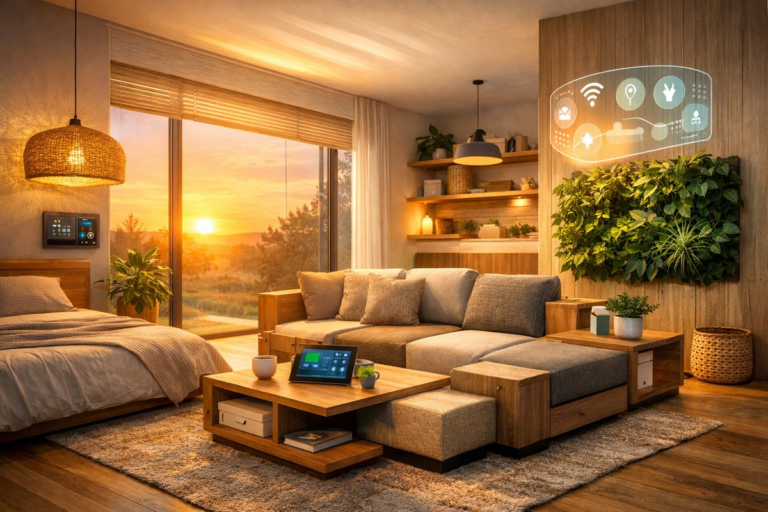
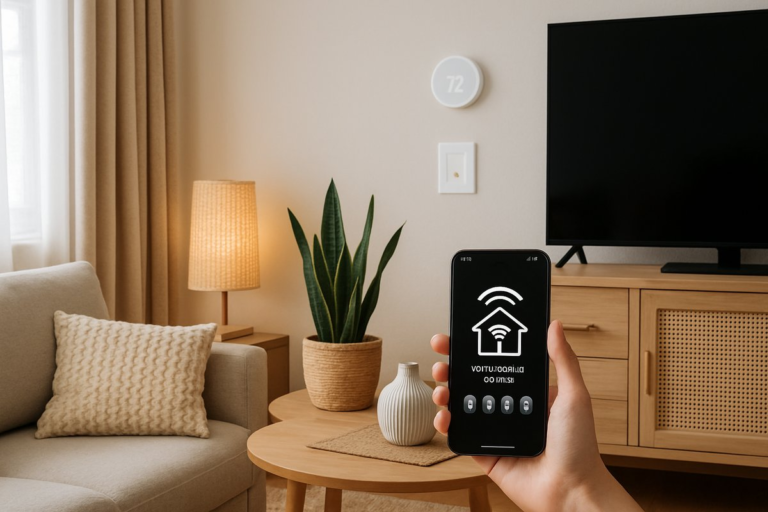
A new wave of homeowners is blending cutting-edge automation with thoughtful design to create living spaces that feel both smart and snug. From energy-monitoring sensors to modular furniture, discover how simple upgrades are transforming houses into intentional retreats.
In recent months, a surge in home renovation projects has brought smart technology out of the purely functional realm and into the heart of cozy living. According to a recent industry report, the adoption of smart thermostats climbed by 25 percent year-over-year, while nearly half of homeowners now prioritize automation as a core feature rather than an optional gadget. At the same time, a national survey of interior design trends found that more than 60 percent of respondents cite sustainability and energy efficiency as top drivers when planning upgrades. It’s a sign that efficiency and warmth need not be at odds; in fact, they can reinforce each other, creating homes that respond intuitively to occupants and the planet alike.
Remote work has been a catalyst for this shift. As kitchen islands become desks and living rooms double as meeting spaces, people are asking new questions: How can my environment promote focus and rest? Where should I integrate smart lighting so that it supports both Zoom calls and movie nights? The answer lies not in piling on the most advanced devices, but in carefully choosing tools that fit into a curated ecosystem. The goal is to orchestrate everyday comforts-gentle wake-up lighting, climate control that adapts to body temperature, voice-activated relaxation modes-without creating a sterile, gadget-heavy atmosphere.
Lighting offers a prime example of how smart upgrades can blend functionality with emotional resonance. Rather than relying on stark overhead bulbs, many homeowners are layering illumination with color-tunable LED bulbs and wireless dimmers. A warm white tone in the morning mimics sunrise, easing you awake. By midafternoon, a cool, bright setting helps maintain energy, and come evening, rich amber or soft color washes encourage winding down. Integrating motion-sensing strips under cabinets and behind furniture adds ambient glow without manual switches, while programmable schedules ensure that lights shift seamlessly as day turns to night. These small adjustments can alter mood, improve sleep patterns, and even help reduce electricity bills when paired with occupancy sensors that switch off lights automatically in empty rooms.
Climate control has evolved beyond basic heating and cooling cycles. Smart thermostats now learn household routines, anticipate when family members will return, and gently adjust temperatures to prevent energy waste. Paired with motorized window shades that rise at sunrise and lower at sunset, this combination captures passive solar gain and reduces reliance on heating. Humidity sensors tucked away in bathrooms or basements can trigger ventilation fans or dehumidifiers, protecting surfaces from mold and preserving wood floors. For those aiming to track long-term performance, energy-monitoring hubs offer real-time feedback on consumption patterns, making it easier to spot inefficiencies-like an aging furnace-or identify phantom loads from devices still drawing power on standby.
Underpinning all these conveniences is a robust network infrastructure. Mesh Wi-Fi systems have become a basic building block for homes stretching across multiple levels or sprawling wings. Unlike a single router that struggles to reach distant corners, mesh nodes create overlapping coverage, ensuring that a voice command in the garden or data stream in a work nook remains reliable. Smart plugs and outlets extend this networked philosophy to every device. A compact smart plug can transform an old table lamp into a schedule-driven ambiance setter or enable remote activation of holiday lights without fumbling for cords. Grouping these plugs into “evening routine” or “away mode” scenes brings a sense of theater to daily life: lights dim, coffee machines switch off, and doors lock in harmony at bedtime or whenever you step out.
But technology alone doesn’t make a house welcoming. Thoughtful material choices and textural layers matter just as much. Many are turning to low-VOC paints in earthy hues-sage green walls, clay-inspired accent corners, deep charcoal bays-that create a calming backdrop for smart elements to shine. Eco-friendly bamboo plank flooring or recycled wool area rugs introduce warmth underfoot. Plush textiles, from velvet cushions to hand-woven throws, soften the digital edge of sleek touch panels and metal frames. Indoor planters fed by self-watering sensors add living art to kitchens and bedrooms, improving air quality while grounding high-tech systems in organic form.
Flexible, multi-purpose furniture has also stepped into the spotlight. Convertible desks that fold into console tables allow a home office to vanish when work hours end. Modular seating units can be rearranged for game nights, reading circles, or impromptu gatherings. Some homeowners incorporate fold-down Murphy beds with integrated LED reading lights and USB charging ports, streamlining guest rooms into studios when needed. Intentional storage-built-in cabinetry with hidden compartments for cables, adapters, and remotes-keeps surfaces free of clutter while preserving the illusion that smart devices simply vanish into the design.
Emotionally intelligent design goes beyond aesthetics; it listens to how people interact with their homes. Motion sensors can trigger favorite playlists when you enter the kitchen at dinnertime. Pressure pads embedded in rugs can detect when kids return from school and flash a welcome message through smart speakers. Nightlights in the hallway guide late returns without jolting the household awake. In these moments, automation becomes a silent helper-anticipating needs and setting the scene rather than demanding attention.
Looking ahead, the integration of renewable sources and on-site energy storage will bring another layer of intentional living. Homeowners experimenting with small rooftop solar arrays or battery banks find that linking them with smart inverters and energy-monitoring software closes the loop on sustainability. When the sun dips below the horizon, stored power can run evening routines without tapping the grid. During peak rates, devices can delay charging or shift heavy loads-like a dishwasher or laundry machine-to lower-cost windows. The result is a home that not only responds to residents, but to the rhythms of the environment around it.
The allure of smart living lies not in having the flashiest gadgets, but in crafting an environment that aligns with daily rituals, fosters well-being, and treads lightly on natural resources. By merging intuitive automation with timeless design elements-warm textures, sustainable materials, and flexible layouts-homes transform into personalized sanctuaries. Whether you’re embarking on a full renovation or simply installing a dimmable smart bulb, each upgrade represents a step toward a more intentional life. The real magic happens when technology bows to human comfort, turning every room into a stage for living thoughtfully and joyfully.