Location
Mount Vernon, WA 98274
Location
Mount Vernon, WA 98274

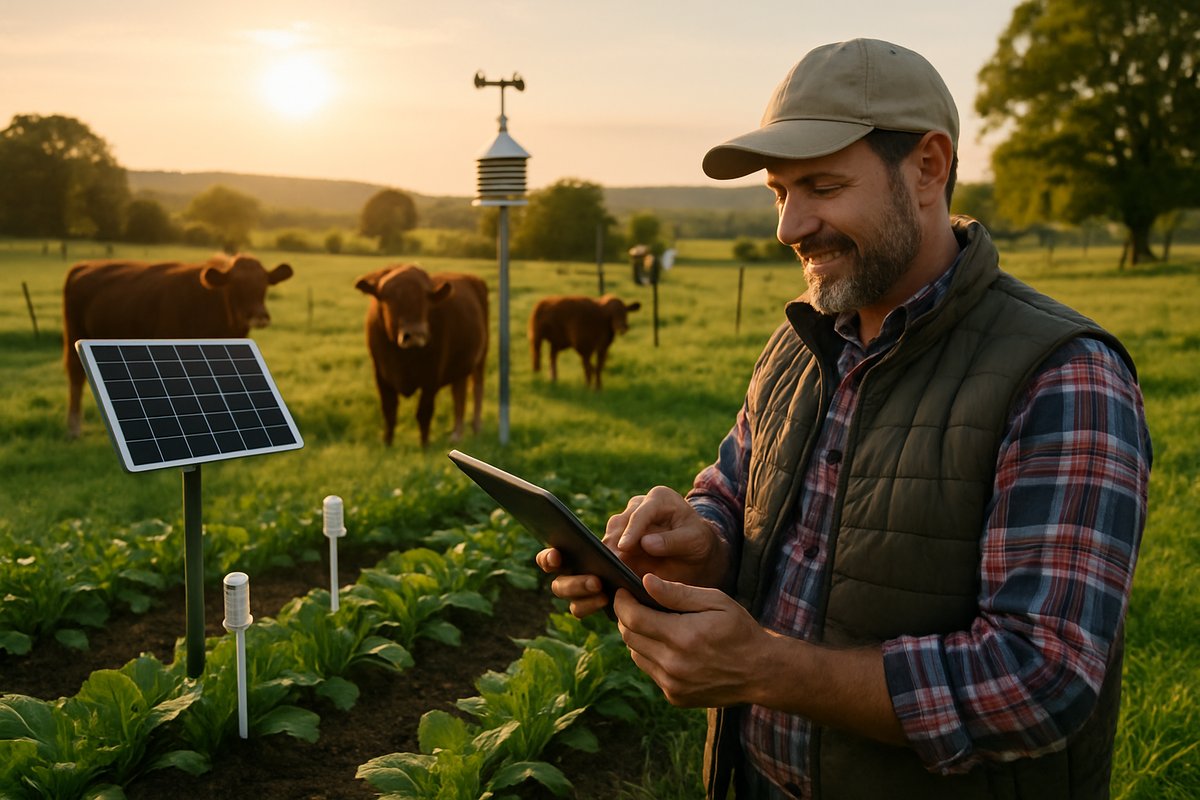
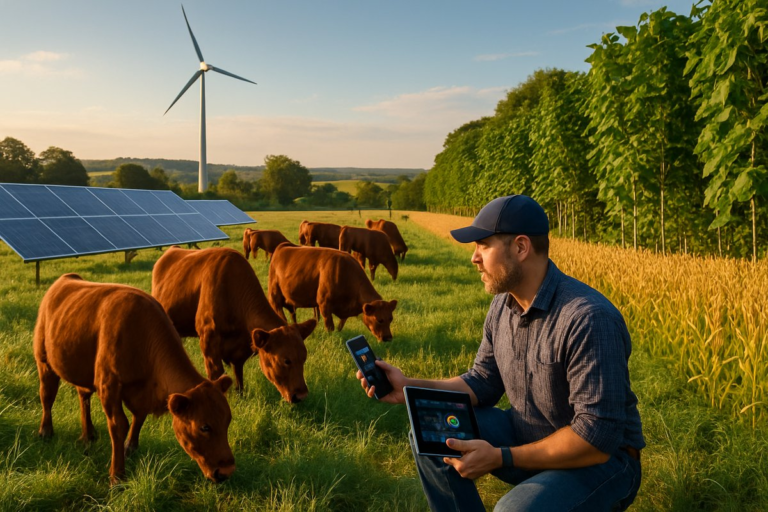
Across rural communities, farmers and ranchers are embracing groundbreaking techniques that marry cutting-edge technology with age-old stewardship. From precision soil monitoring to solar-powered livestock management, a wave of innovation is reshaping how food is grown, animals are tended, and ecosystems are restored.
In rolling fields once plowed by hand, a new generation of tools and practices is transforming the way agricultural communities operate. Sustainable farming and livestock care have moved beyond buzzwords into concrete action as innovators deploy sensors, renewable power, and data-driven decision-making to boost yields, improve animal welfare, and nurture the land.
At a dairy operation in the Midwest, solar-powered milking stations now provide steady energy without relying on the grid. Panels mounted on custom frames charge battery banks that run refrigeration units and automated cleaning cycles, reducing monthly utility bills by nearly 40%. The move toward off-grid power not only slashes greenhouse gas emissions, but also ensures resilience during grid disruptions and severe weather events.
Meanwhile, a sheep ranch in the Pacific Northwest has outfitted its flock with lightweight monitoring collars that relay location, body temperature, and activity levels. Using a low-power wide-area network (LPWAN), ranchers track grazing patterns in real time, identifying areas of overgrazing before soil health suffers. Alerts flag animals showing signs of stress or illness, allowing caretakers to intervene early and prevent costly veterinary emergencies.
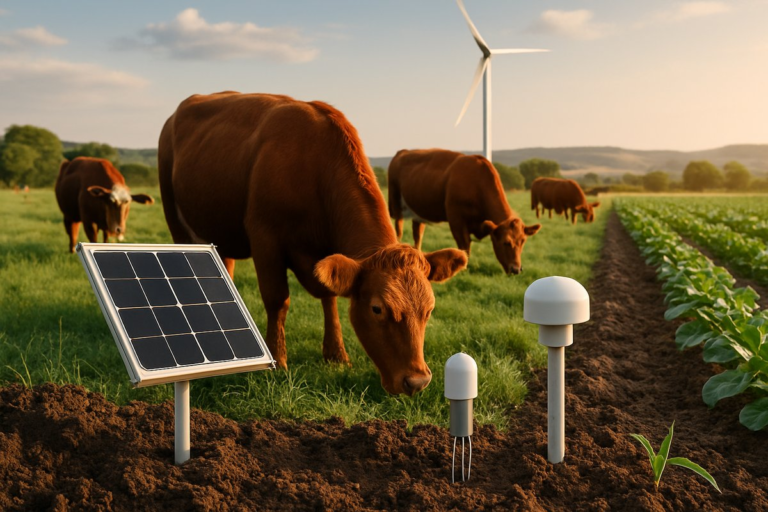
On the cropping side, farmers are embracing precision soil moisture sensors buried at various depths across fields. These devices transmit hourly readings, enabling irrigation systems to deliver water only where and when it’s needed. Trial results show up to 30% water savings compared to traditional timer-based irrigation, an especially critical gain in regions facing increasingly unpredictable rainfall.
Beyond hardware, a growing network of regional co-ops and digital platforms is helping smallholders share data, seed stocks, and best practices. In several states, groups of twenty or more growers pool resources to invest in bulk purchases of cover-crop seed and starter compost. By collaborating, they drive down supply costs, increase soil carbon sequestration, and reduce reliance on synthetic fertilizers.
Animal welfare specialists are also contributing to the conversation, advocating for low-stress handling infrastructure and enriched living environments. One poultry farm replaced conventional battery cages with moveable floor systems that allow hens to forage, perch, and dust-bathe. Early feedback indicates improved bird health and egg quality, along with higher customer satisfaction as consumers seek ethically produced protein.
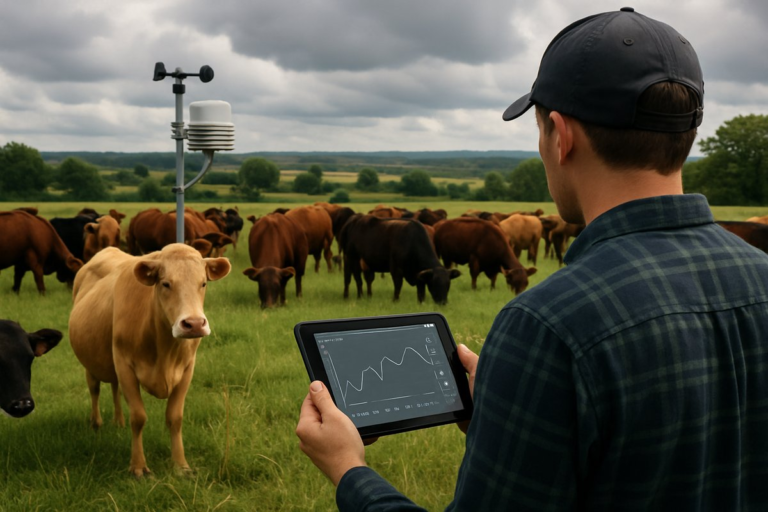
Technology providers are taking note, offering cloud-based dashboards that tie together data streams from weather stations, satellite imagery, and on-the-ground sensors. From the dashboard, a farm manager can forecast pest outbreaks by overlaying temperature and humidity trends with known insect life cycles. Timely warnings guide targeted interventions, minimizing pesticide use and preserving beneficial insect populations.
Ranchers, too, are experimenting with drone surveys to assess rangeland conditions. Lightweight aerial drones fly predetermined routes, capturing multispectral images that reveal vegetation health, water sources, and erosion hotspots. This bird’s-eye view helps allocate grazing pressure more evenly and supports regenerative grazing strategies that build soil organic matter over time.
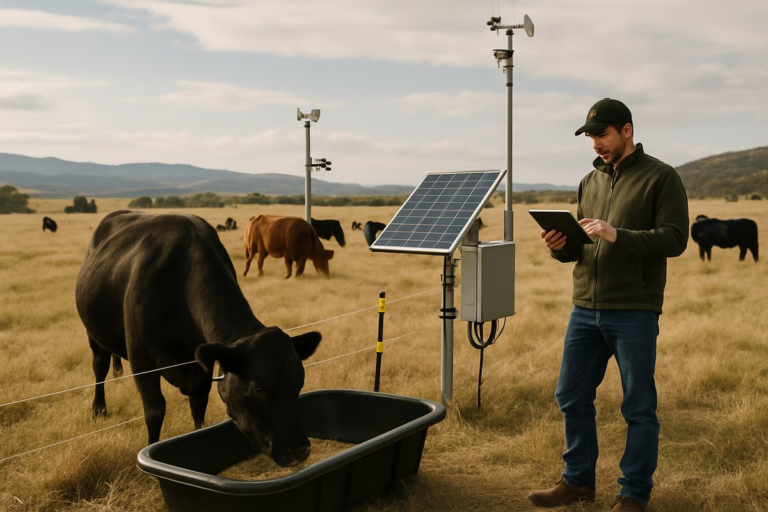
Financial institutions and insurers are beginning to reward these innovations. A pilot insurance program now offers premium discounts to livestock operations that demonstrate adoption of remote monitoring collars and electric fencing powered by renewable energy. Early results suggest reduced loss rates from predation and weather damage, creating a virtuous cycle of lower risk and lower costs.
Education and extension services have ramped up as well, offering workshops on everything from compost tea brewing to second-generation wind turbines. Online learning platforms host video tutorials and discussion forums, where farmers ask questions about implementing rotational grazing or scaling vertical farm modules for peri-urban markets. The democratization of knowledge is key to spreading sustainable practices beyond a handful of early adopters.
Despite these advances, challenges remain. Initial investment costs can be steep, and the learning curve for complex systems deters some operators. Connectivity issues in remote areas hamper real-time data transmission, although low-orbit satellite services are beginning to fill the gap. And balancing techno-optimism with ecological nuance requires ongoing dialogue among growers, researchers, and policy-makers.
Policy incentives are evolving to catch up. In several states, grants support on-farm renewable energy installations and cover-crop adoption. Pilot programs test soil health credits, allowing farmers to earn payments for verified improvements in carbon storage and nutrient retention. If scaled, such programs could shift the economics of conservation from a cost center to a revenue stream.
Meanwhile, community-driven markets for regeneratively produced food are expanding. Farmer’s markets and cooperative grocery outlets now highlight produce grown under organic, biodiversity-friendly protocols. Restaurants and buyers are forming direct partnerships with ranchers who practice humane livestock care, fostering transparency and shared values throughout the supply chain.
Experts say the next frontier lies in integrated systems thinking-treating farms as dynamic ecosystems rather than isolated units. By combining agroforestry, livestock integration, and water-catchment features, some pioneering operations are creating self-reinforcing cycles of fertility and yield. The ripple effects extend to biodiversity conservation, climate resilience, and rural livelihoods.
As the agricultural sector navigates uncertainties from volatile markets to shifting climate patterns, the marriage of tradition and innovation offers a promising path forward. While no single technology holds all the answers, the collective quest for sustainability is fueling a renaissance in farming and livestock stewardship-one that balances productivity with planetary health.
This emerging story of rural innovation underscores the potential for communities to shape their future. Through shared learning, targeted incentives, and mindful adoption of technology, farmers and ranchers are demonstrating that stewardship and profitability can grow side by side.