Location
Mount Vernon, WA 98274
Location
Mount Vernon, WA 98274

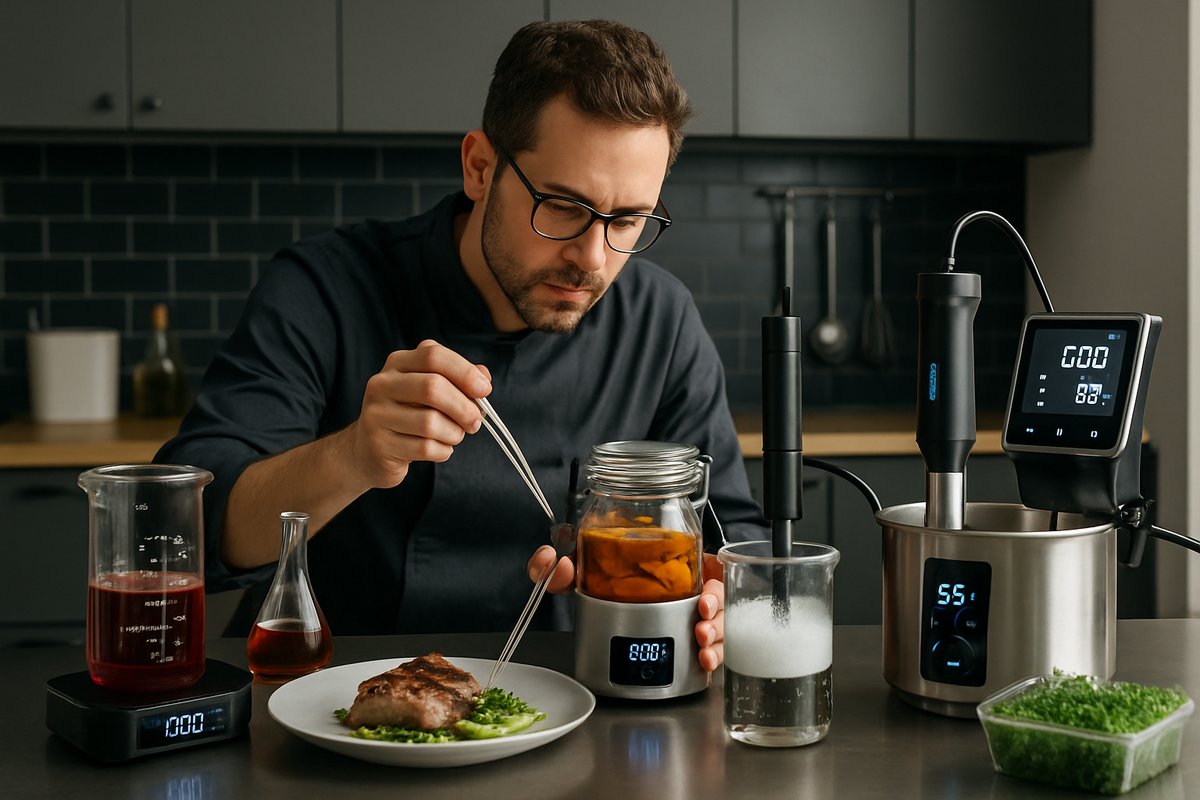
Culinary adventurers are turning their kitchens into experimental labs, using precision tools and smart gadgets to transform raw ingredients into immersive taste experiences. From digital fermentation chambers to ultrasonic emulsifiers, the latest wave of kitchen innovation promises to make every meal an exploration of texture, aroma, and temperature.
In kitchens around the world, the quest for the perfect mouthfeel or the ideal smoky kiss on a seared piece of protein has given rise to an explosion of devices and digital aids. Where once a cast-iron pan and a trusty wooden spoon were enough to conjure memories of home, today’s cooks are embracing tools that blend science and ritual. This is not about replacing technique; it’s about enriching it. From the tactile delight of hand-tasting a brine to the precision hum of a Wi-Fi-connected grill, each new gadget invites both curiosity and care, transforming mundane tasks into small ceremonies of transformation.
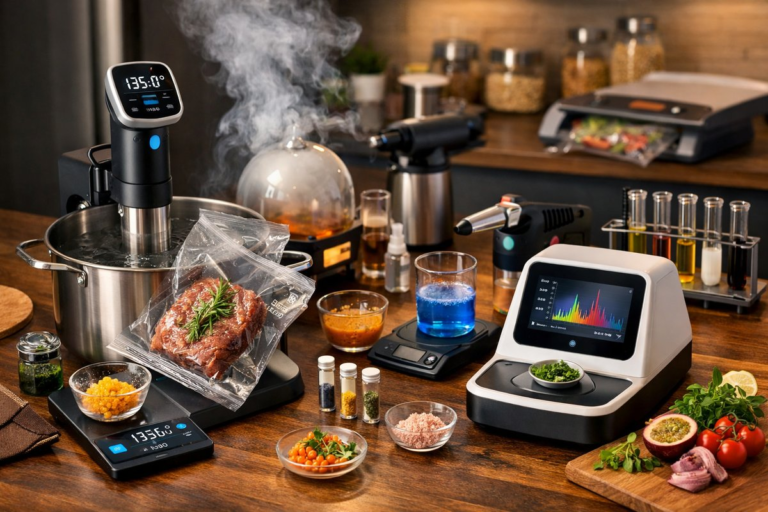
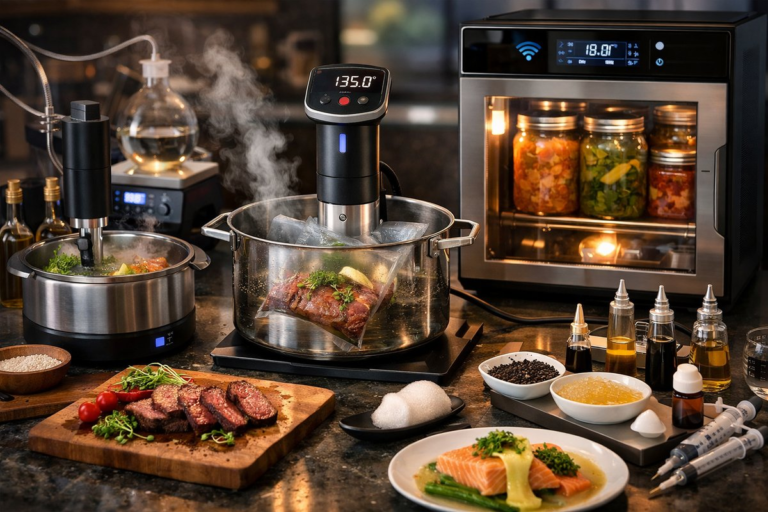
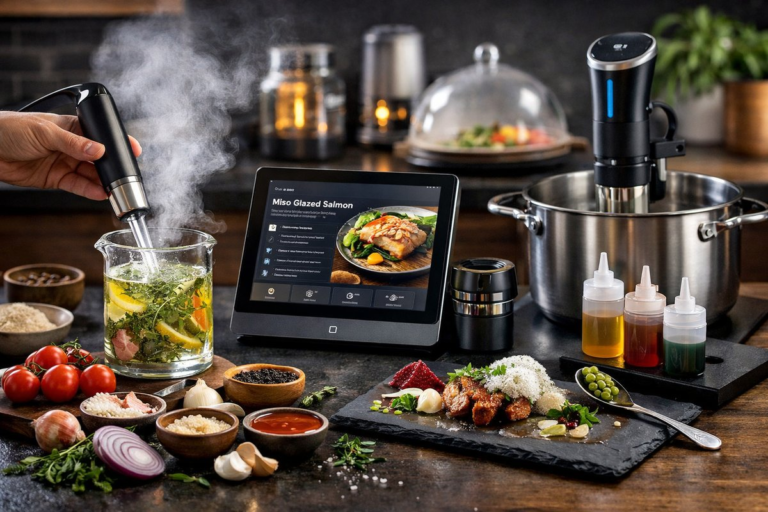
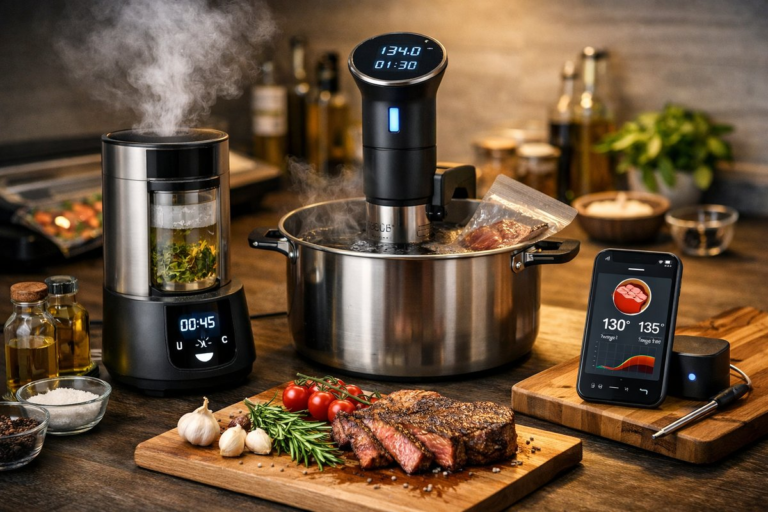
Take precision immersion circulators: slender metal wands that clip onto any pot, heating water to within a fraction of a degree. Hobbyists once had to guard thick cuts of meat in boiling cauldrons, praying for even doneness. Now, a smart circulator holds pork shoulder or tofu steaks in a warm bath for hours, gently coaxing collagen to melt or cell walls to soften. Paired with recipe apps that adjust timing based on altitude, ingredient mass and personal taste preferences, it’s a marriage of algorithm and intuition. The joy of slicing into a uniformly rosy steak or a silken custard feels like sorcery-and it invites cooks to experiment with textures they never dared to attempt before.
Smoke aficionados are also finding new frontiers. Pellet grills equipped with Wi-Fi modules allow users to dial in smoke intensity, temperature ramps and cooking curves from a smartphone. A long afternoon of cold-smoking cheese can be scheduled to finish just as dinner guests arrive. Experimenters are even probing the interplay between wood pellet species and spice rubs, using digital logs to chart which combinations-including hickory and fennel pollen or cherry and sumac-yield the most memorable crust. Gone are the days of endless trial and error; data capture ensures that every triumph can become a repeatable ritual.
Molecular gastronomy, once the territory of avant-garde restaurants, is trickling into home setups as well. Ultrasonic emulsification blenders create microfoam sauces that cling to the palate like clouds of flavor. By pulsing high-frequency sound waves through liquids, these devices reduce surface tension and produce cloudlike textures without adding excessive fat. Imagine a citrus foam topping a slice of roasted eggplant, or a herbed emulsion resting atop a seared scallop. These techniques open doors to imaginative plating and unexpected mouthfeels, elevating simple ingredients into multisensory spectacles.
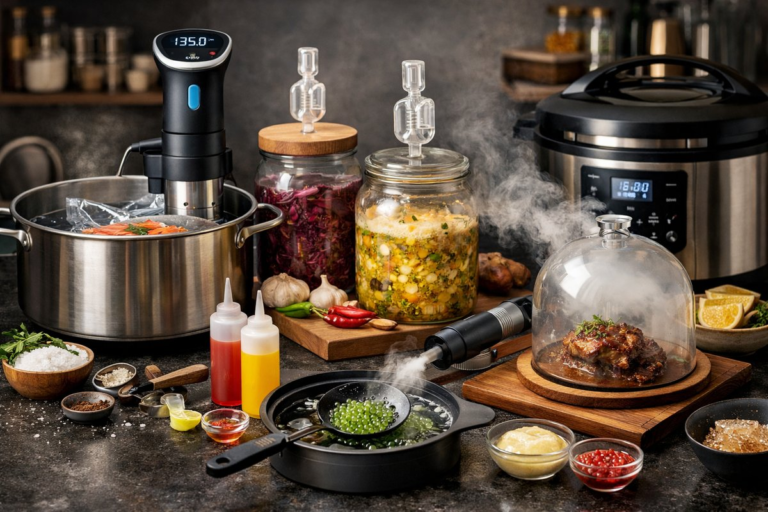
Fermentation is another field undergoing a digital renaissance. Instead of relying on a warm corner of the kitchen for spontaneous lactic acid activity, cooks can now use compact fermentation chambers that monitor humidity and temperature to the nearest degree. Kimchi, kombucha, yogurt and artisan vinegars all benefit from consistent environments, producing tang and body that might otherwise be compromised by erratic heat. With LED indicators and mobile alerts, a chamber can signal when your probiotic-rich treat has hit its flavor peak. This level of control frees you to try new cultures-brewing oat-based kefir or experimenting with Scandinavian kvass-without fear of spoilage or off notes.
Induction wok burners deliver another dimension of precision. Metallic coils beneath a flat surface generate an electromagnetic field that heats only magnetic cookware, achieving rapid, even heat without open flames. Stir-fries crackle at high sear temperatures while delicate sauces hold at a simmer on an adjacent zone, all on the same sleek countertop. Energy efficiency also ticks upward as no heat dissipates into the air, making induction an eco-friendly choice for smaller spaces or apartment dwellers. It’s a reminder that the pursuit of flavor can coincide with sustainability, cutting energy waste without sacrificing performance.
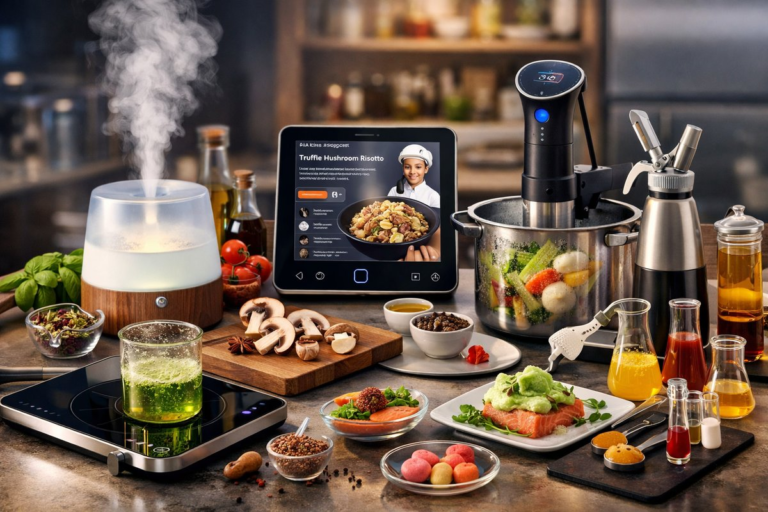
Beyond hardware, software is weaving itself into the culinary fabric. Augmented reality recipe guides use the camera on a tablet or smartphone to overlay ingredient lists and step-by-step visuals directly onto the kitchen workspace. Real-time timers, voice prompts and portion adjusters mean novice cooks can progress from scrambled eggs to souffle with fewer missteps. Even plating becomes a creative exercise: projected outlines help arrange seafood towers or vegetarian terrines in striking patterns, bridging the gap between professional presentation and home execution.
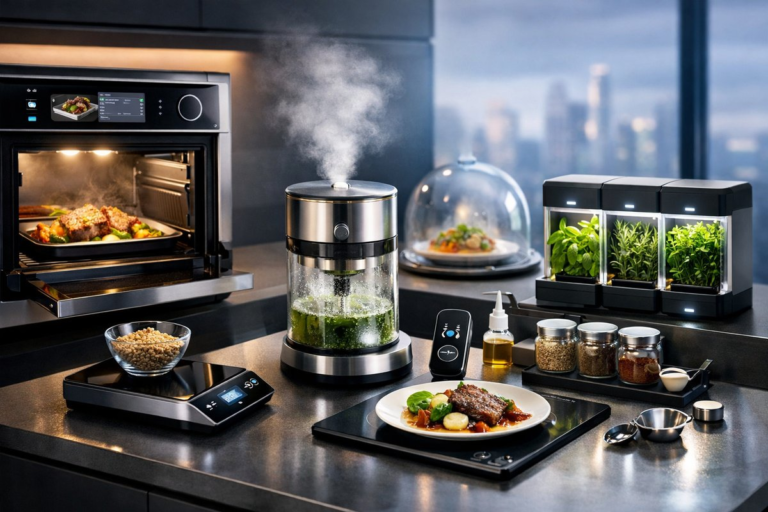
As these tools proliferate, a new genre of convenience appears: appliance convergence. All-in-one countertop devices now combine steaming, baking, air frying and slow cooking, with smart sensors to detect humidity and internal temperature. For the busy home chef, this means fewer separate gadgets collecting dust on shelves. Instead, one programmable hub can handle a succulent roast, a tangy pickle, a silky risotto or an ethereal foam garnish. The emotional reward is clear: less time fussing with settings, more time savoring the aromas and connecting over shared meals.
Yet technology’s most profound gift is the spark of curiosity it ignites. A family can bond over the ritual of peeking through a tempered-glass chamber as dough ferments into sourdough loaves. Friends can trade data on smoke curves and spice ratios, forging new communal narratives around flavor. Even solitary cooks find inspiration in the precise control of a temperature probe, learning how slight adjustments can coax out hidden sweetness in root vegetables or emphasize the lactic bite of cultured dairy.
Looking ahead, the horizon is filled with tantalizing possibilities. Imagine edible 3D printers layering vegetable purees into intricate latticework for stunning appetizers, or aroma-diffusion modules that release complementary scents to enhance perceived flavor. AI-driven taste profiles could suggest novel ingredient pairings-sesame paste and citrus zest, green tea and roasted mushroom-based on millions of user reviews. As hardware becomes more intuitive and power-efficient, these innovations will trickle down even further, ensuring that the heart of cooking-experimentation, delight and human connection-remains at the center of every meal.
Whether you’re a seasoned home cook or a kitchen newcomer, today’s culinary toolbox invites you to embrace flavor as a playground. Each temperature dial, each app notification and each swirl of foam is an opportunity to learn, adjust and celebrate. In this era of digital alchemy, the greatest luxury may not be the gadget itself but the revelation it fosters: that cooking is less about following rules and more about obeying curiosity. As you wield these new implements, you’re not just preparing food-you’re crafting moments that linger on the tongue and in memory long after the plates have been cleared.