Location
Mount Vernon, WA 98274
Location
Mount Vernon, WA 98274


Discover practical and inspiring ways to blend technology with comfort, from voice-activated lighting scenes to earth-friendly fabrics that soften every corner. This article guides you through intuitive smart solutions and tactile design touches that transform any room into a sanctuary of both efficiency and warmth.
Your home is often the most intimate expression of who you are, yet day to day routines can let familiar corners fall into autopilot. Reimagining a living space starts with an intentional pause to observe the rhythms, textures, and emotions that arise in each room. By weaving together smart upgrades and tactile details, any environment can evolve into an interactive canvas that supports comfort, efficiency, and well-being.
Begin by mapping daily rituals. Track the moments when natural light fades into early-morning stillness, when afternoon energy dips, or when late-evening quiet beckons for solace. In bedrooms, gentle automation can usher in dawn with a soft glow, set evening scenes with a warm lamp, and ensure the temperature aligns with sleep cycles. In kitchens, scheduling appliances to power on precisely when you wander near helps choreograph a breakfast routine free of friction.
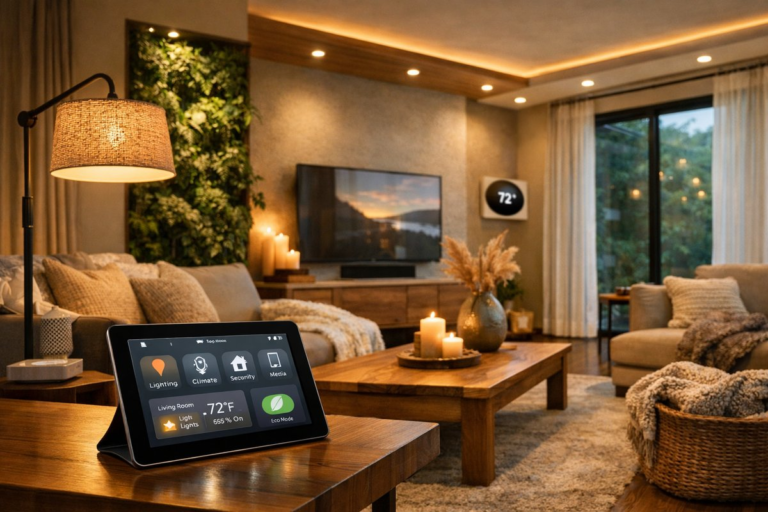
Lighting plays a central role in shaping atmosphere. Smart bulbs that adjust color temperature-from cool daylight to ember tones-offer more than mere convenience; they become tools for emotional design. Layering overhead fixtures with hidden LED light strips under shelving or beneath furniture invites subtle accents that can shift a space’s personality at the touch of a smartphone or voice command. Dimmers, motion sensors, and programmable scenes let you craft presets for gatherings, movie nights, or moments of focused work.
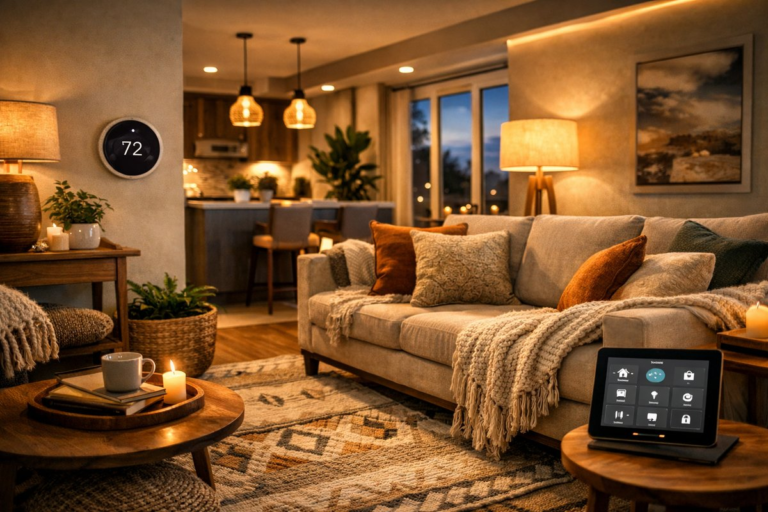
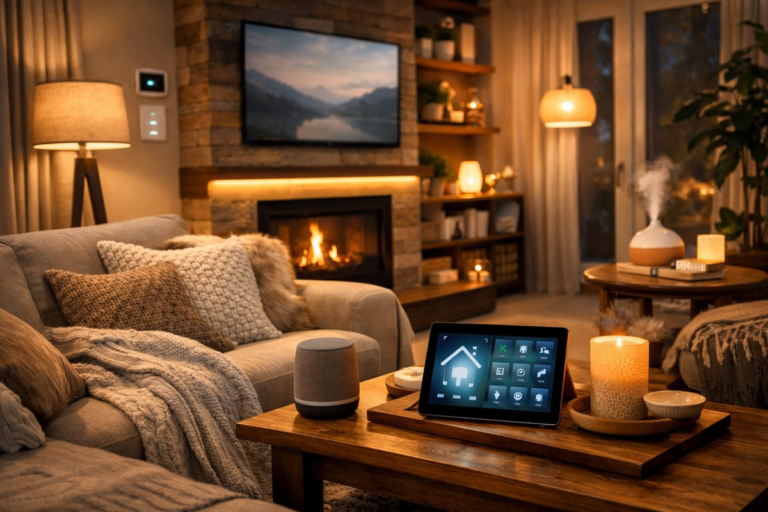
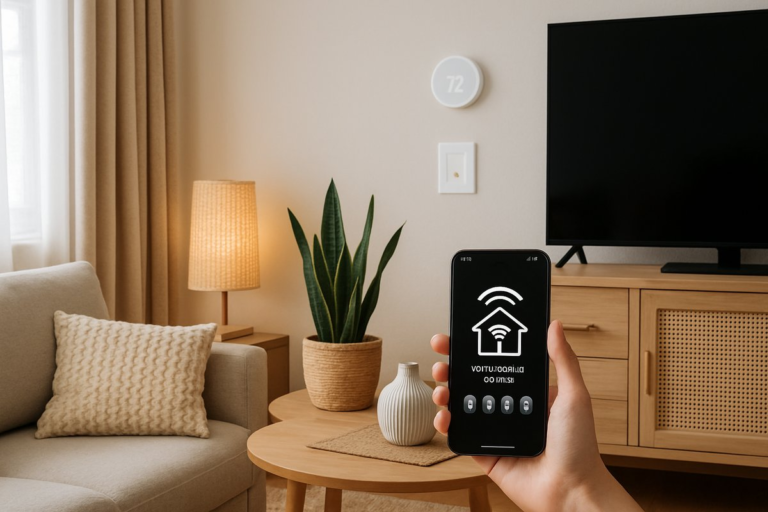
Imagine sinking into the living room sofa after a hectic afternoon. A voice command triggers the ‘Unwind’ scene: pendant lights dip to 25 percent brightness, LED light strips along the entertainment cabinet pulse with an amber glow, and a hidden table lamp springs to life beside your seat. Nearby, a smart window sensor adjusts the shades to muffle the urban hum outside. This choreography happens effortlessly, staging a personal retreat with zero fiddling.
Climate control is another landscape waiting for reimagining. A smart thermostat tied to temperature and occupancy sensors turns scheduled adjustments into an art form. Program cooler settings for daytime hours when the house is empty, then gently preheat living areas before evenings in. By dividing spaces into zones, you avoid heating or cooling rooms that aren’t in use. Integration with underfloor sensor mats or wireless radiators delivers warmth exactly where and when it’s needed.
Picture chilly winter mornings when the bedroom is still wrapped in slumber. Minutes before your alarm, the system gently raises the temperature to a cozy level. Simultaneously, the coffee maker at the kitchen counter begins its brew cycle, signaling that a new day is ready to begin. These automated rituals reframe simple comfort as an act of thoughtful design, rescuing you from cold shocks and groggy starts.
Beyond tech lies the heart of home: its tactile qualities. Soft textiles absorb sound and invite touch, making rooms feel welcoming. Investing in throws or cushions made from organic cotton, linen, or responsibly sourced wool reduces environmental impact while heightening sensory appeal. Rugs crafted from hemp or jute bring grounding textures underfoot, and reversible area mats introduce subtle pattern shifts when seasons or moods call for a refresh.
Layering these materials transforms spatial perception. A plush area rug under a dining table demarcates the eating area, while a woven runner along a hallway guides movement and cushions footsteps. Choosing fabrics in a harmonious color palette-earthy greens, desert ochres, muted blues-ties different zones together. This approach draws from slow design, advocating deliberate, long-lasting choices over fleeting trends.
Modular and multifunctional furniture amplify flexibility in smaller footprints. Fold-out desks that disappear into wall cabinets, ottomans that harbor hidden storage, or sofa beds with convertible frames allow a single area to serve as home office, guest suite, and lounge. Custom shelving towers can adapt height and depth over time, accommodating evolving collections of books, ceramics, or greenery.
In a micro-apartment, a compact drop-leaf table can serve breakfast for one, then extend into a workspace for creative pursuits. Beneath the sofa, sliding drawers stow away cables, notebooks, or seasonal throws. These structures invite inhabitants to reconfigure rather than replace, extending furniture lifecycles and nurturing a more sustainable mindset.
Bringing nature indoors-biophilic design-infuses oxygen, softens lines, and connects the everyday with the rhythms of the earth. Houseplants such as pothos or philodendron are forgiving companions, while terrariums showcase miniature ecosystems. Incorporate a digital air quality monitor to track humidity levels, volatile organic compounds, and carbon dioxide. This data not only informs plant placement but also signals when to ventilate or adjust a humidifier.
A simple DIY terrarium on a floating shelf can anchor a hallway, while a tall indoor palm in a corner breathes life into unused space. Pair green elements with natural stone coasters, wooden trays, and ceramic planters in organic forms. These small choices ripple outward, reminding inhabitants of their connection to larger cycles of growth and renewal.
Soundscapes complete the sensory tapestry. A programmable ambient sound player can stream rainfall, forest sounds, or minimal instrumental loops at scheduled intervals. Embedded speakers behind picture frames or concealed within ceiling canisters let you float a playlist across rooms. For deeper immersion, a wireless subwoofer near the couch adds subtle bass that resonates through furniture instead of rattling shelves.
At the same time, mindfulness around privacy and data stewardship warrants attention. Opting for a self-hosted smart hub running local protocols keeps sensitive routines and occupancy data off cloud servers. Zigbee or Z-Wave sensors linked to an open-source controller not only reduce monthly fees but also celebrate a more intentional relationship with the technology that powers your daily life.
Seasonal transitions offer chances for small interventions. In humid summers, a dehumidifier paired with moisture-resistant textiles protects wooden surfaces and keeps musty air at bay. In dry winters, ceramic humidifiers integrated into smart plugs can automate humidity levels around green plants. This quiet orchestration of comfort enhances health and preserves furnishings over the long haul.
Security upgrades, far from feeling clinical, can fold into the design narrative. Slim door and window sensors painted to match trim blend into architecture. Night vision-equipped cameras disguised as decorative orbs keep an eye on entryways without clashing with a curated aesthetic. Leak detection sensors hidden near washing machines or under sinks guard against water damage, adding a safety net to the story your home tells.
What gives these interventions emotional depth is narrative personalization. Naming routines-‘Morning Calm,’ ‘Afternoon Flow,’ ‘Evening Cocoon’-imbues them with significance. Keeping a simple journal of how your home feels each day can reveal patterns you hadn’t noticed, guiding future tweaks. This practice honors curiosity, letting discovery drive design rather than following a checklist.
Ready to dive in? Start modestly. Choose one corner or function-lighting, climate, sound, or textile-and pick an upgrade that aligns with both your needs and values. Sketch a quick plan, set a budget that balances quality with longevity, and embrace imperfection along the way. As each piece slots into place, it will invite you to observe and refine.
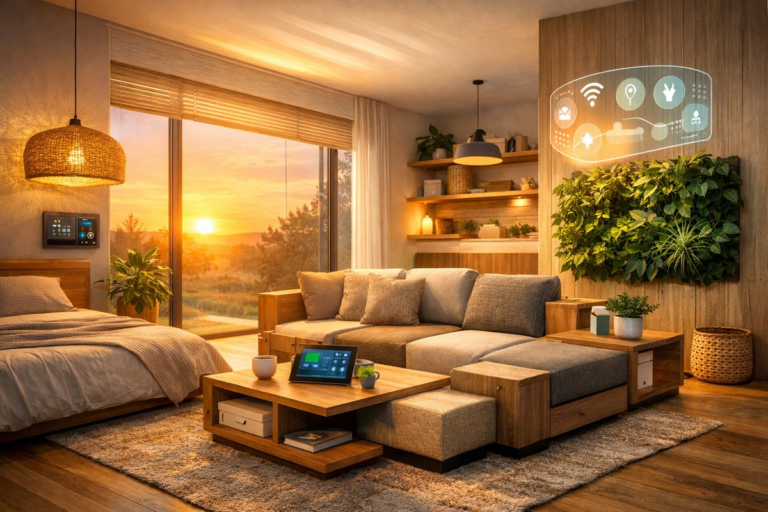
A home amended by intention becomes a responsive environment rather than a static backdrop. The meeting point of smart systems and cozy materials isn’t a blueprint to copy, but an invitation to co-create a living space that evolves alongside its inhabitants. With each automated scene, each textured fabric, and each plant leaf, spaces become stories, memories, and emotions woven into every corner.