Location
Mount Vernon, WA 98274
Location
Mount Vernon, WA 98274


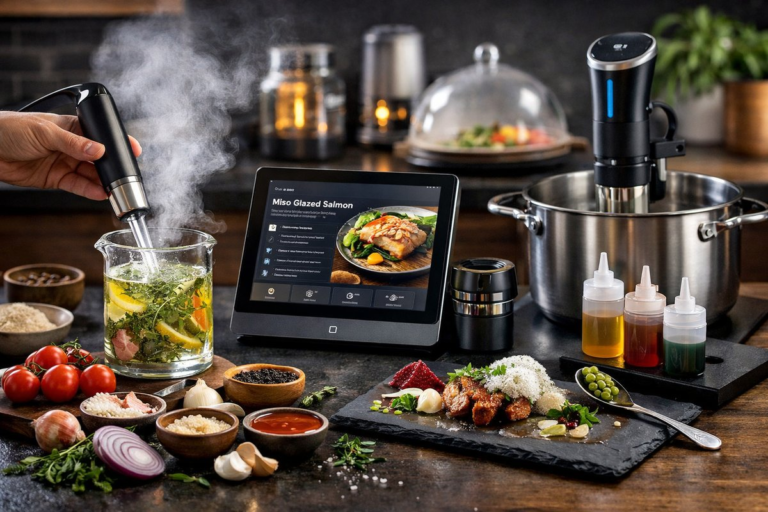
In a wave of culinary innovation, gadgets and techniques once reserved for high-end restaurants are finding their way into home kitchens. From precision cookers that coax hidden notes in humble cuts to aroma-dispensing pods that layer textures in the air, a new generation of tools is turning dinner prep into a multisensory expedition.
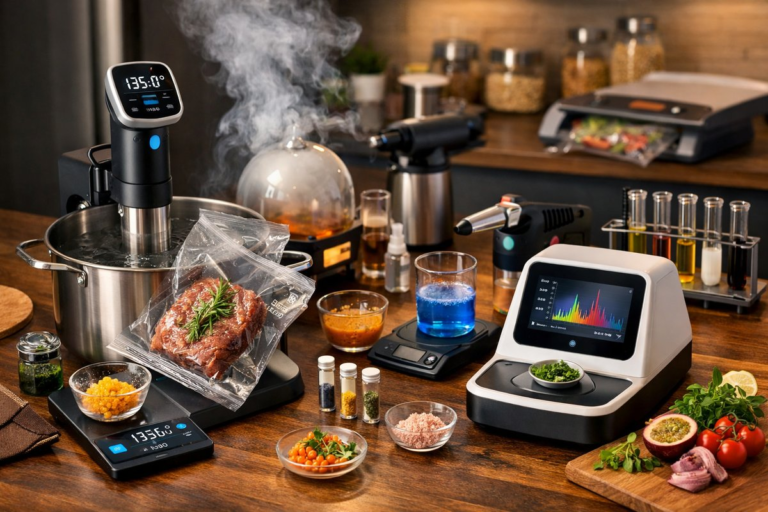
In a modest test kitchen tucked behind a co-working space, a curious experiment unfolds. A chef-turned-engineer slips a vacuum-sealed pouch of vegetables into a digital precision cooker. Nearby, a countertop device measures moisture loss in strips of fruit laid to dry, while a small cylinder releases bursts of citrus-yuzu fragrance at intervals. This scene, once sci-fi, is now emblematic of a movement where technology unlocks new dimensions of taste and aroma.
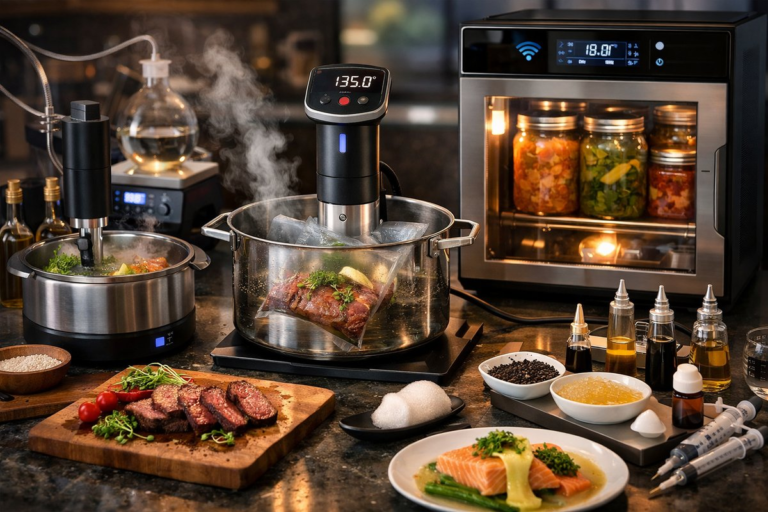
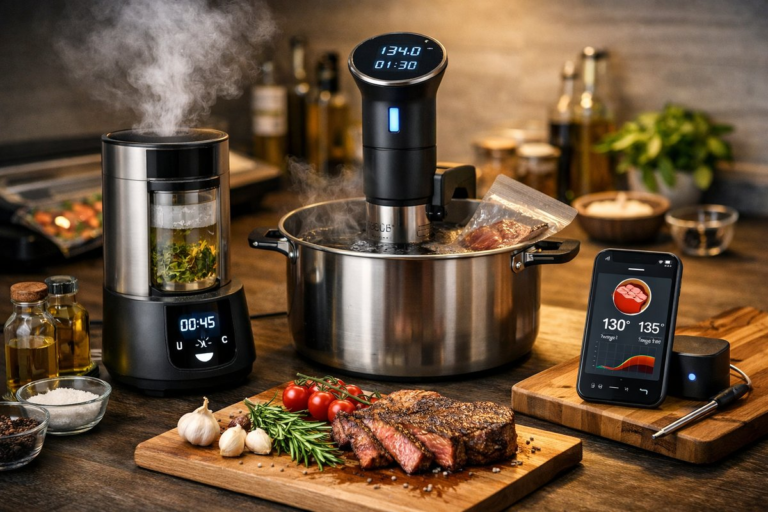
Cooking has always balanced art and science, but a recent surge in home-friendly gadgets is shifting that balance toward the laboratory side. Sous vide machines-once bulky industrial units-now fit neatly on kitchen counters. Smart probes sync with phones, guiding users through temperature curves that coax buttery succulence from steak or silky texture from custards. Vacuum sealers preserve flavor compounds during long baths, while induction cooktops deliver pinpoint heat control down to a single degree.
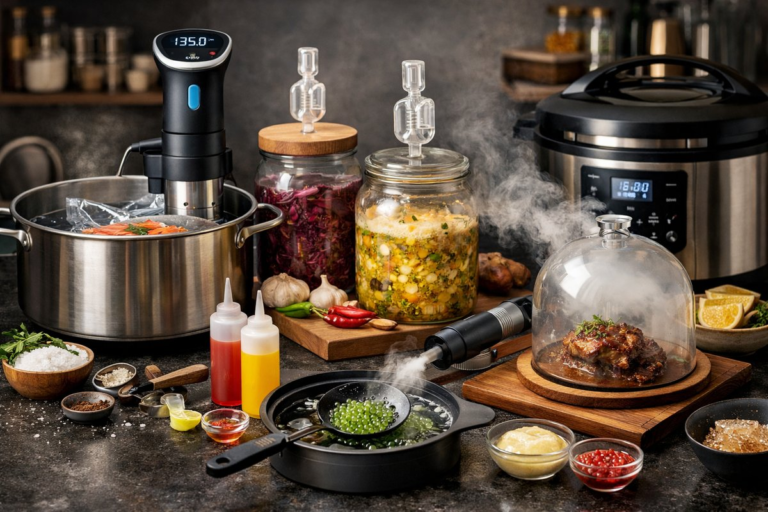
Meanwhile, bio-engineering firms are exploring ferment-on-demand devices that cultivate bespoke probiotic cultures in hours instead of weeks. Home dehydrators have evolved into programmable micro-climate chambers, where fruits, herbs and even coffee grounds are dried under precise humidity and fan speeds. Paired with aroma injectors-gadgets that vaporize essential oils into jars of aging cheese or pickles-these innovations elevate fermentation and drying from craft hobbies into scientific pursuits.
But the real revolution is happening at the intersection of data and flavor. Sensors built into knives and cutting boards can measure volatile compounds released by fresh produce, offering tips on the ripest time to slice. Smart kitchen scales can log actual weights against ideal ratios in thousands of recipes, adapting ingredient lists in real time to account for humidity or altitude. In one groundbreaking trial, a connected spice grinder analyzed the texture of ground pepper to recommend the optimal grind size for balancing heat and aroma in Thai curries.
In a bustling open-concept kitchen showroom, a designer demos a prototype “taste printer.” Instead of ink, it extrudes thin ribbons of gel made from puree, cheese, and concentrated broths. Chefs can craft edible mosaics that layer not just colors but flavor transitions-think a drizzle of tangy tomato gel running into a dot of herb-infused olive oil. Although still in the realm of experimental appliances, the concept points to a future where kitchen tools will look more like mini-industrial factories than traditional stovetops.
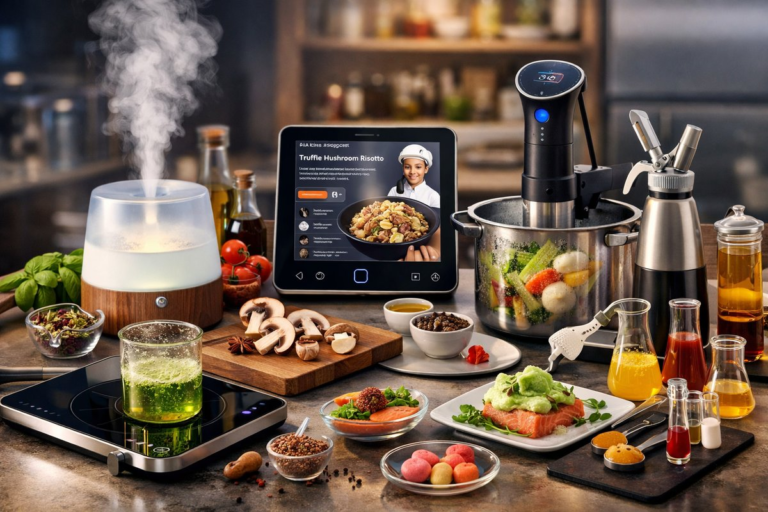
Aside from hardware, software platforms are pouring fuel on the fire of flavor innovation. Mobile apps now crowdsource data from thousands of cooks to identify flavor pairings that excel under specific cooking methods. Imagine a database that recommends a dash of pink peppercorn and a hint of toasted sesame based on your chosen cut of fish, preferred cooking style, and humidity in your region. These algorithms are trained on chemical profiles of ingredients, microbial cultures, and even consumer taste surveys.
Yet for all the hype around microchips and sensors, some of the most profound transformations happen when tech amplifies simple rituals. Take the humble mortar and pestle: a connected version measures pounding frequency and suggests when herbs have released their essential oils. Or consider an adaptive fermentation chamber that tracks microbial growth via optical sensors and alerts you when kimchi has reached its tangiest peak. These tools don’t replace traditional craftsmanship; they augment it, giving home cooks confidence to experiment without fear of under- or over-fermenting.
There’s also a growing fascination with sense augmentation. A handful of startups are developing wearables that stimulate the olfactory system, letting users experience rotating scent profiles synced to their meals. These smell-enhancing headsets claim to heighten perceived sweetness or umami through controlled aromatic delivery. While still in early stages, such devices illustrate the trend of decoupling flavor from physical ingredients, opening doors to lower-calorie dishes that still deliver rich sensory satisfaction.
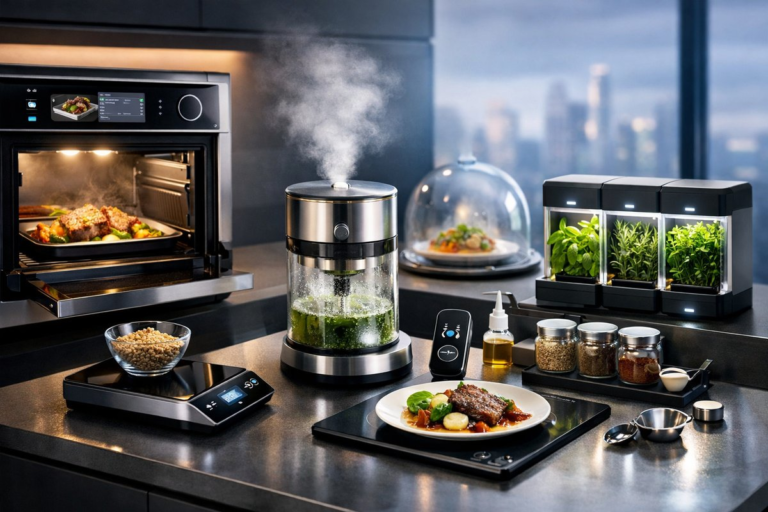
Restaurants have long driven innovation by pushing boundaries under the glare of critics and customers. But as smart ovens and fermentation appliances descend into the realm of consumer electronics, diners will soon taste these breakthroughs at home. Expect holiday gatherings where roasts emerge with textbook perfect crusts thanks to air-circulation algorithms, or weekend brunches featuring scrambled eggs whipped to silky peaks by vibration-patterned mixers. Soon, no recipe will be wholly analog.
Critics caution that an overreliance on gadgets can dull primal instincts for taste and smell. After all, some of the greatest chefs learned by eye, nose and hand rather than through data dashboards. The most successful innovators will preserve that human connection-combining digital feedback with a sensory apprenticeship. A seasoned cook might calibrate a new smart probe but still trust their nose to know when garlic has reached its sweetest moment in oil.
Ultimately, flavor exploration thrives on curiosity. The latest kitchen tech doesn’t just speed up prep; it offers new creative prompts. What happens when you dry-age tomatoes like you do beef? How might you coax out floral notes in a home-fermented yogurt? By blending sensors, data and traditional technique, cooks are treating their kitchens as laboratories for play, pushing the boundaries of what a home-cooked meal can be.
As these tools become more affordable and user-friendly, they’ll bring cutting-edge flavor processes into everyday cooking. From retrofitting a blender with custom speed cycles to investing in a countertop dehydrator, home cooks can curate their own flavor journeys. The next chapter of culinary adventure is being written not just on cutting boards, but in code, circuits and microbial cultures. In this unfolding era, every meal has the potential to be an experiment, every kitchen gadget an invitation to discover a new taste horizon.