Location
Mount Vernon, WA 98274
Location
Mount Vernon, WA 98274

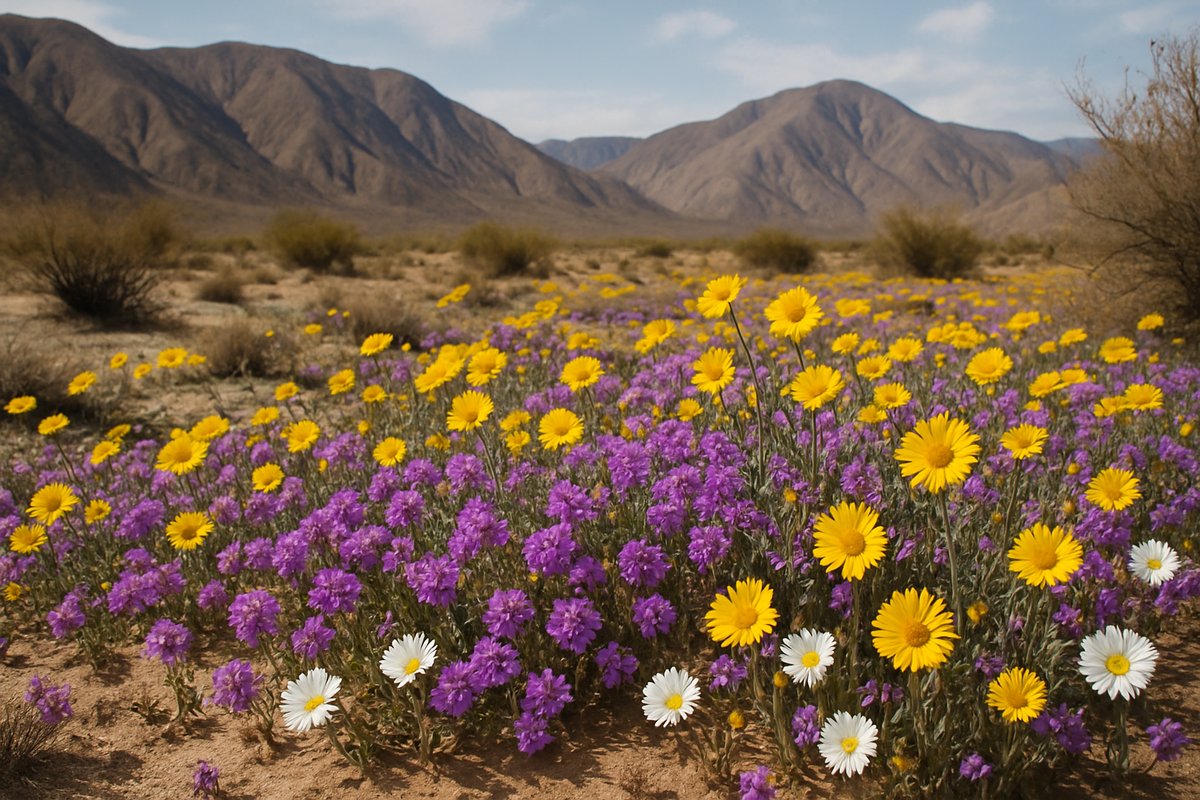
In arid landscapes, rare bursts of color emerge after winter rains, turning dust into delicate tapestries of yellow, purple, and white. These ephemeral wildflowers reveal hidden survival strategies and offer a window into climate rhythms that often go unnoticed.
At dawn, long before the desert sun scorches the earth, thousands of tiny blossoms unfurl across dry lakebeds and sun-baked flats. Petals the size of coins glow in the soft light, carpeting vast expanses where only weeks earlier there was cracked soil and bare rock. This fleeting transformation-known among ecologists as a “super bloom”-is a natural miracle born of precise timing, hidden reserves, and a resilient seed bank that waits patiently for the right cue.
Desert wildflowers have honed their life cycle over millennia. Ninety percent of the year they languish as dormant seeds, invisible to the untrained eye. Then, when winter rains fall in just the right pattern-typically between late December and early March-those seeds hydrate, swell, and sprout almost overnight. The desert floor becomes a living mosaic: bright gold desert lilies, violet sand verbena, ghostly white desert star, and coral-pink globe mallow all emerge in synchronicity, painting ephemeral patterns that last only until rising temperatures or a sudden dry spell bring them to a close.
Remote sensing data has confirmed that some of the largest super blooms in North America occur in regions with subtle topographic depressions and ancient alluvial fans. A notable event in 2019 attracted thousands of visitors and scientists alike, with satellite imagery capturing the shift from barren tan to vibrant purple in less than two weeks. Yet for every well-documented bloom along paved roads, dozens more unfold in secluded canyons and military training ranges, largely unseen and unrecorded.
The secret to this dramatic eruption of life lies in a sophisticated survival strategy. Each seed is covered in microscopic grooves that absorb moisture from dewdrops and light rainfall. Beneath the surface, a thin layer of organic soil holds onto water longer than the surrounding sand, creating microhabitats where young roots can anchor. Light sensors within each embryo detect changes in day length, triggering a hormonal cascade that tells the plant it’s time to grow, flower, and set seed-all within a span of four to six weeks.
Climate change is reshaping these rhythms. Warmer winters have led to more erratic rainfall patterns, causing some plants to germinate prematurely in frost-prone periods or miss their flowering window altogether. Conversely, unusually heavy storms can saturate soils and drown delicate seedlings. Ecologists have noted that desert landscapes once known for a super bloom every decade may experience them more frequently-yet with less predictability and fewer total blooms compared to historical averages.
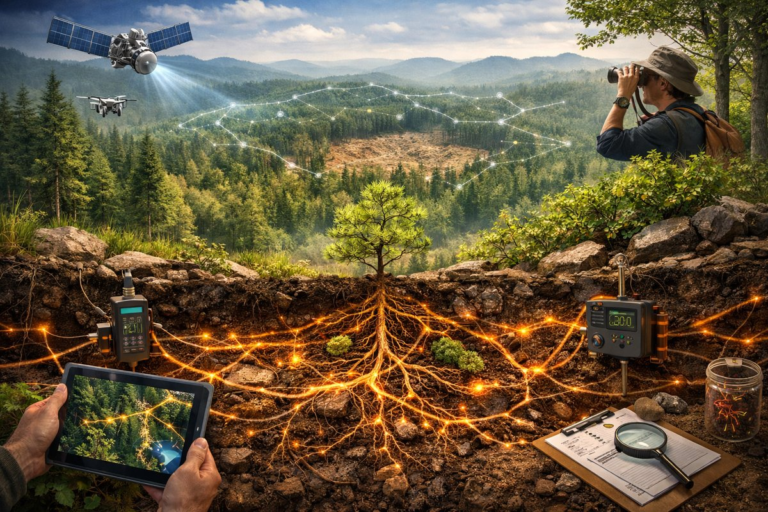
Field researchers track these shifts with an array of tools. Soil moisture probes record hydration levels at incremental depths, while time-lapse cameras capture flowering progress without disturbing the fragile ecosystem. In situ spectrometers measure reflectance to estimate biomass and petal pigmentation. All of this data helps build models predicting how future blooms will respond to changing climates and land-use pressures.
Citizen scientists play a vital role in filling observational gaps. Through smartphone apps that anonymize location data to respect private landowners, volunteers submit timestamped photos, GPS coordinates, and bloom intensity ratings. These crowd-sourced records have often revealed new bloom sites or extended bloom durations beyond what official monitoring programs documented. Such efforts illustrate how community engagement and digital privacy measures can coexist to enrich our understanding of natural phenomena.
Walking among a desert bloom, it’s impossible not to feel a hush descend over the landscape. The usual clamor of wind through sagebrush is muffled by the soft carpet of flowers. Researchers describe a sense of shared humility: the plants are masters of timing, drawing life from what many would dismiss as barren dust. Observing them demands stillness, patience, and an openness to the unexpected-a lesson in emotional resilience that mirrors their own survival story.
Conservationists emphasize that these super blooms are both fragile and finite. Off-trail hiking, picking flowers, or driving vehicles across bloom zones can compact soil, damage roots, and break the thin crust that helps seeds remain viable for decades. Protected desert reserves now employ seasonal road closures and interpretive signage to encourage low-impact visitation. Ground crews arm local volunteers with biodegradable flagging tape to mark observation points, ensuring that scientific teams can return to precise coordinates without disturbing surrounding flora.
The resilience of desert wildflowers offers inspiration beyond botanical circles. Their ability to remain dormant through extended hardship, then burst into life when conditions align, has become a metaphor for community adaptation in times of crisis. Urban gardeners, for example, are experimenting with native seed mixes to restore vacant lots after wildfires, taking cues from desert species that tolerate heat and nutrient-poor soils.
For those planning a personal expedition to witness a bloom, a few key considerations ensure both safety and minimal impact. A sturdy field notebook with waterproof pages protects notes from sudden gusts of wind or passing dust devils. A macro lens attachment for a smartphone can capture intricate petal textures and pollinator interactions without the need for heavy camera gear. And a lightweight, waterproof backpack helps carry water, snacks, and equipment while keeping hands free to navigate uneven terrain.
Photography enthusiasts and naturalists share their observations on social media platforms dedicated to seasonal phenomena. Short videos of bees foraging among poppies, timelapses of flowers opening under predawn skies, and close-up shots of pollen grains have sparked widespread fascination. Yet many contributors also highlight the ethics of online sharing-encouraging followers not to disturb new bloom locations or geotag fragile habitats in public posts.
When the last petals wither and the desert returns to its familiar palette of rust and ochre, buried seeds lie dormant once more, ready for the next call to bloom. The cycle reminds us that even in the harshest environments life finds a way to emerge, to surprise, and to transform the ordinary into something extraordinary. Paying attention to these seasonal miracles deepens our sense of belonging on this planet and strengthens our resolve to protect the hidden wonders that unfold just beyond our doorsteps.