Location
Mount Vernon, WA 98274
Location
Mount Vernon, WA 98274


Deep in damp forests and along mossy logs, tiny bioluminescent fungi cast an otherworldly glow. Recent studies reveal these living lanterns do more than enchant the night-they may serve as indicators of ecosystem health and changing climates.
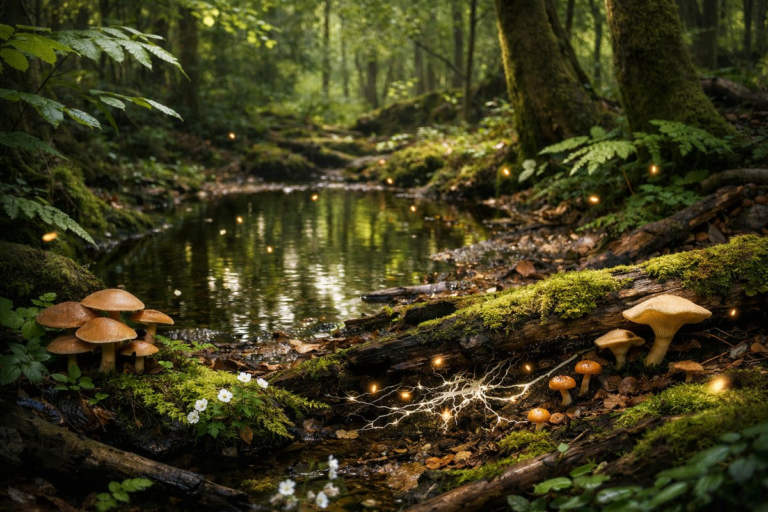
On a misty evening beneath a cathedral of evergreens, a faint green shimmer emerges from the fallen leaves. At first glance it could be fairy dust caught in the breeze. Closer inspection reveals a ring of tiny mushrooms, each cap glowing like emerald embers in the gloom. These are bioluminescent fungi, living flashlights that have fascinated naturalists for centuries and now offer fresh insights into ecosystem resilience and climate change.
Early botanists and mycologists recorded the eerie glow of mushrooms in field journals, often attributing the phenomenon to restless spirits or enchanted woods. It wasn’t until the late nineteenth century that science began to unravel the chemistry behind the glow. Observers noted that only certain species in the genera Mycena and Omphalotus, among others, carry the genetic machinery to produce luciferase enzymes that, when combined with a molecule called luciferin, emit light at a wavelength visible to the human eye.
The chemical process is elegantly simple yet evolutionarily profound. Luciferin molecules oxidize in the presence of oxygen and luciferase catalysts, releasing photons in the process. This reaction costs energy, prompting researchers to ask why so many species invest precious metabolic resources into glowing. One hypothesis suggests the light attracts insects and other small invertebrates that help disperse spores, extending the reproductive reach of the fungus.
Beyond spore dispersal, bioluminescence may also play a role in accelerating decomposition. Night-active detritivores-creatures that feed on dead organic matter-are drawn to the glow. As they nibble through fallen logs and leaf litter, they break down material and return nutrients to the soil. In this way, glowing fungi act as orchard lights for forest recyclers, guiding tiny collaborators through the detrital buffet.
In recent years, ecologists have discovered that the intensity and duration of fungal luminescence are tightly linked to moisture levels, temperature, and substrate quality. When humidity dips below a critical threshold, the glow fades. Warmer temperatures can hasten the chemical reaction, boosting light output but also accelerating the depletion of luciferin reserves. By measuring glow patterns over time, researchers can track subtle shifts in microclimate and decomposition rates.
A case study in the Pacific Northwest illustrates this approach. Teams of scientists set up automated cameras in old-growth forests to capture timelapse sequences of glowing patches. Paired with soil moisture sensors and temperature loggers, the visual data revealed that peak luminescence correlated with post-rainfall windows of 24 to 48 hours. In drier years, glowing seasons were shorter and less intense, signaling a slowdown in the forest’s recycling machinery.
Such findings have implications for climate modeling and conservation planning. If bioluminescent phases shrink or vanish in key habitats, it may indicate rising drought stress or shifts in decomposition cycles. Forest managers can use these bioluminescent benchmarks as early warning signs, triggering habitat restoration or controlled burns to reduce wildfire risk.
The allure of glowing fungi also spurs citizen science projects. Smartphone apps now allow night hikers to record sightings, upload photos, and mark locations on shared maps. Enthusiasts armed with simple red‐light headlamps can venture safely into dark woods without disturbing nocturnal wildlife. Data from thousands of amateur naturalists complements professional surveys, building a richer picture of bioluminescent hotspots around the world.
In rural communities, glow hunts have become popular educational events. Guided walks led by local conservation groups connect families to the living world’s hidden rhythms. As children peer through dim beams of light, they learn about nutrient cycles, symbiotic relationships, and the delicate balance that sustains forests. These experiences foster curiosity and a sense of belonging-values at the heart of long-term stewardship.
Yet these luminous marvels face threats. Deforestation and habitat fragmentation can sever the fungal networks that span acres of forest floor. Light pollution from towns and roads erases the visual cues that guide insects. Even well-meaning visitors carrying bright white flashlights can disrupt the fragile metabolic processes that govern glow production.
Responsible exploration is key. Naturalists recommend using low‐intensity red or green lighting to preserve dark‐adapted vision. Staying on established trails and avoiding trampling of leaf litter ensures that fungal colonies remain intact. Recording observations with minimal disturbance helps conserve both the mushrooms and the microfauna that depend on them.
Modern tools enhance these low-impact methods. Digital soil moisture meters with handheld probes can record substrate conditions in seconds. Waterproof field notebooks capture observations in damp environments. And lightweight, adjustable LED headlamps with red-light modes keep hands free for careful examination. Together, these materials empower both scientists and amateurs to study glowing fungi without leaving a heavy ecological footprint.
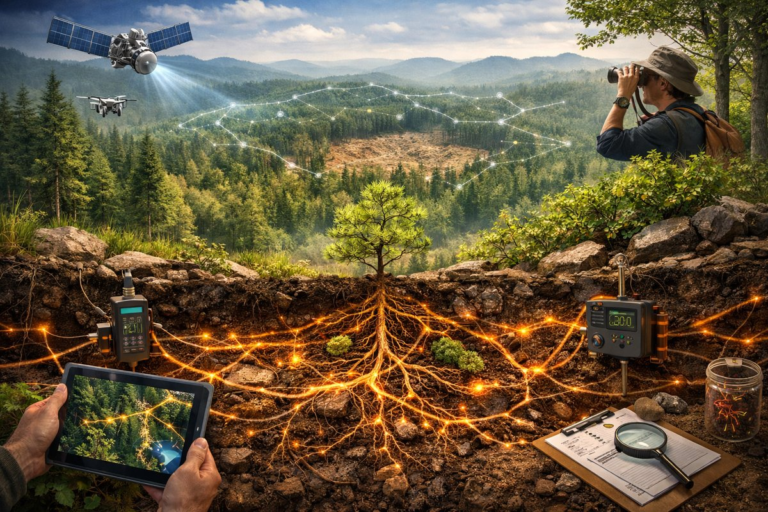
Looking ahead, interdisciplinary collaborations between mycologists, climate modelers, and data scientists promise to unlock even deeper connections. Machine learning algorithms can analyze thousands of nighttime images, correlating glow patterns with satellite-derived moisture data. Autonomous remote microscopes may one day stream live feeds of microscopic fungal growth, revealing how environmental stressors affect cellular luminescence in real time.
In a world buffeted by rapid environmental change, the soft glow of bioluminescent fungi reminds us that even the smallest organisms can serve as sentinels of planetary health. Their ephemeral beauty invites us to slow down, observe, and listen to the living melodies beneath our feet. Each shimmering cap is a note in a vast, ancient symphony-one that calls us to notice, remember, and belong.