Location
Mount Vernon, WA 98274
Location
Mount Vernon, WA 98274

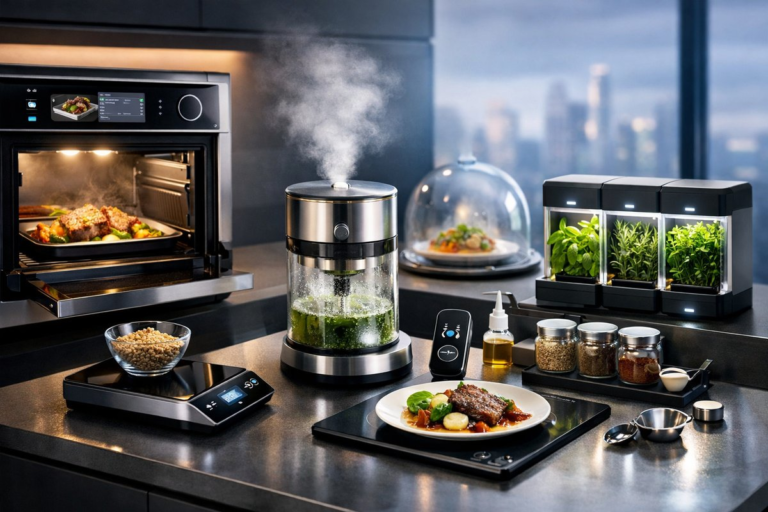
In the modern kitchen, gadgets and ritualized methods are reshaping how we explore taste and texture. From temperature-controlled baths to bubbling ferments, discover how precision devices and ancient practices are joining forces to turn weeknight dinners into edible adventures.
Every time you step into a kitchen equipped with a precise temperature probe or a gleaming induction cooktop, you’re entering a playground of possibility. The hum of a water bath, the soft click of a vacuum sealer, the gentle fizz of a fermenting jar-all whisper of discoveries to come. In this era of connected appliances and micro-controlled environments, cooking has become both a science and a personal ritual. You can chase the perfect egg yolk texture, coax new aromas out of humble vegetables, or cultivate effervescent sodas with the same curiosity once reserved for a chemistry lab. Here’s how today’s home kitchen technologies and timeless processes are converging to expand our sense of flavor adventure.
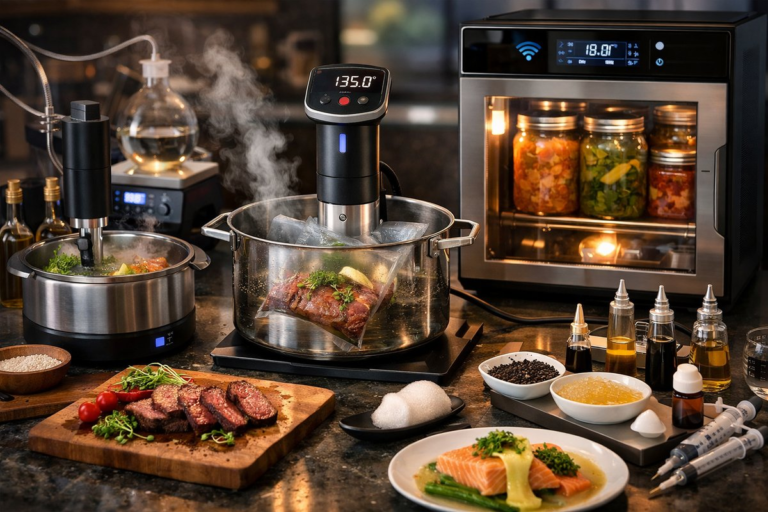
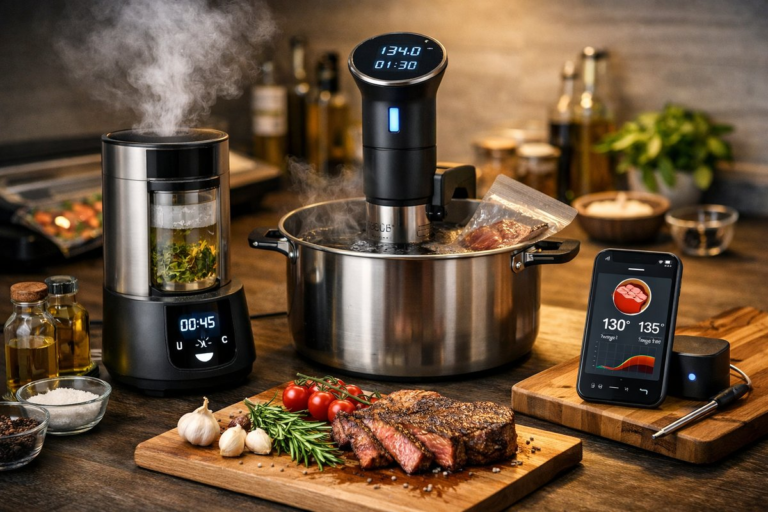
At the heart of precision cooking lies the concept of temperature control. A compact immersion circulator transforms any heatproof container into a laboratory-grade water bath. By holding water at an exact degree-be it 54.5°C for a tender rack of lamb or 62°C for a lush poached apple-you can coax proteins and plant cells to their optimal state without the unpredictability of open flame or stovetop pan. Sensors communicate with smartphone apps or onboard screens, sending real-time data that lets you tweak cook times to the minute. Busy cooks can start a roast in the morning and return to a dish at peak doneness hours later. The quiet hum of the circulator symbolizes both precision and freedom: you gain control over texture while freeing yourself from constant stovetop babysitting.
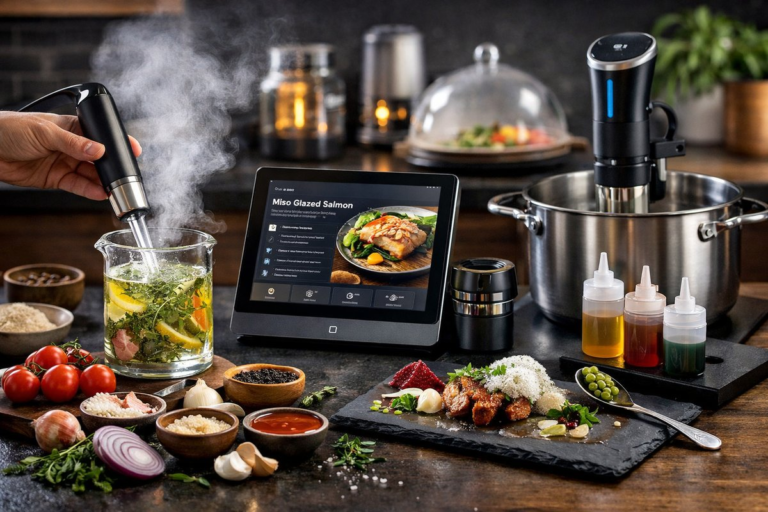
But texture isn’t the only frontier. Immersion and infusion technologies are breathing new life into marinades, oils and spirits. A vacuum sealer can collapse air pockets in meat or vegetable fibers, letting brines penetrate deeper in minutes rather than hours. Meanwhile, handheld smoke guns channel cold smoke onto citrus rinds or creamy cheeses, layering in whispery notes of hickory or applewood. Less familiar but rapidly gaining traction is ultrasonic infusion: small devices that send high-frequency waves through liquids, agitating molecules so flavors bind faster and more thoroughly. Toss herbs, spices or fruit peels into a jar with oil or water, give the ultrasonic wand a spin, and watch as complex essences merge in under a minute. These techniques let home cooks mimic high-end restaurant tricks, unlocking depths of flavor that once demanded lavish equipment and years of practice.
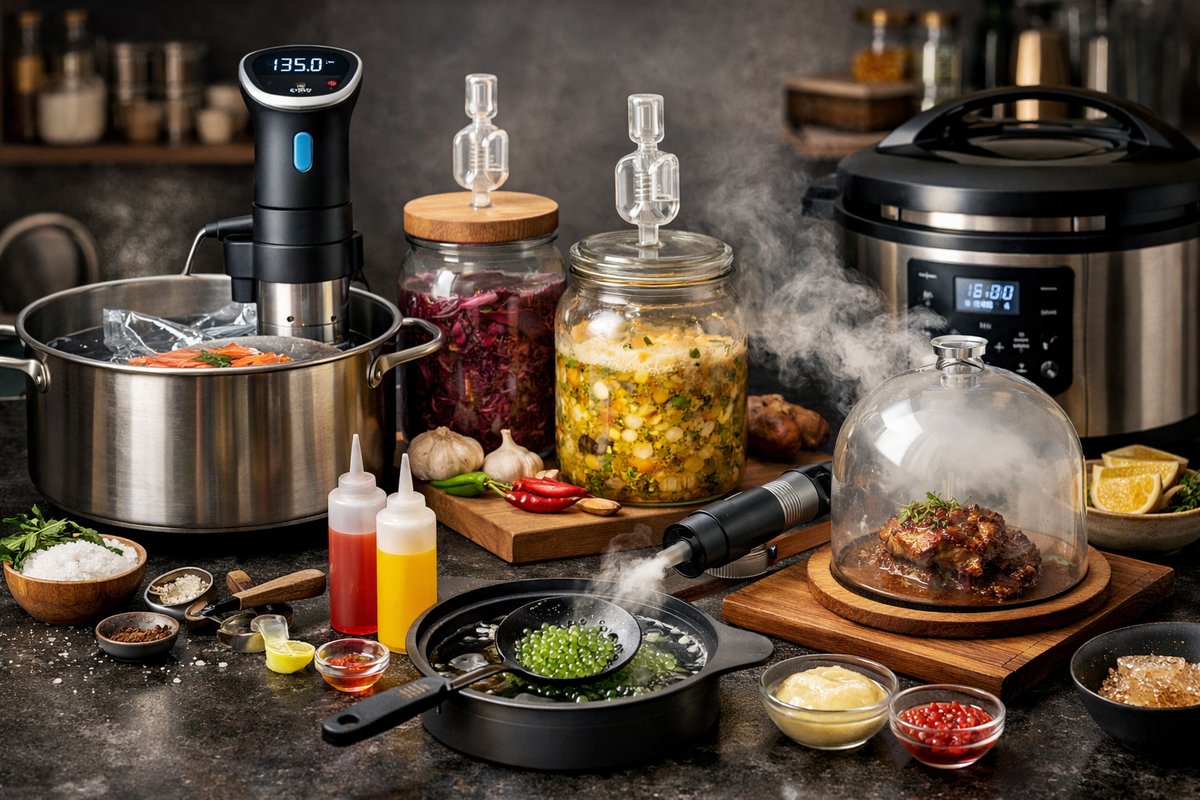
Meanwhile, in your pantry and on your countertop, microbial magical realism is alive and bubbling. Fermentation-a practice as old as civilization-has been reborn with the help of purpose-built kits and smart temperature controllers. A glass fermentation crock with an airlock can cradle kimchi, kombucha or sourdough starter, maintaining an ideal micro-environment so beneficial bacteria thrive. Digital proofing boxes bring precision to bread-making, gently warming dough to the perfect yeast-activating range. Beyond cabbage and grains, adventurous cooks are experimenting with miso pastes flavored by local teas, yogurt cultures infused with exotic hops, and vinegars steeped with heirloom berries. These living ferments not only introduce complex acids, bubbles and umami, but also invite us to engage with time itself-nurturing a jar over days or weeks, tasting progress, and adjusting salt or sugar levels as desired.
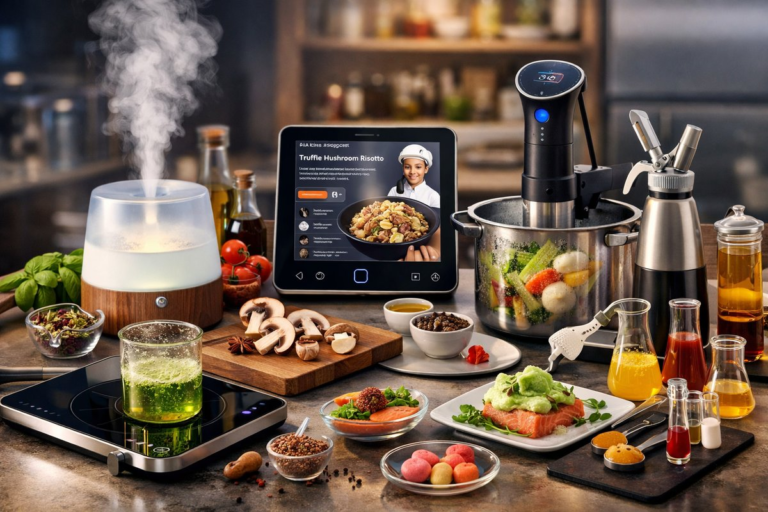
Emerging alongside these analog and hybrid tools are smart kitchen assistants. Bluetooth-enabled scales sync weights to recipe apps, guiding you through each ingredient addition with gram-level precision. Voice-activated recipe guides can walk you step by step through plating garnishes, while smart displays mounted near the countertop show hands-free videos or timer alerts. When you finish a meal, automatic logs track which recipes you liked most, suggesting tweaks-add more acid next time, reduce cooking time in the circulator, pair with a heartier starch. AI-driven meal planners consider dietary preferences, seasonal produce availability, and even your pantry inventory to recommend new experiments: a terrine built around last week’s fermented peppers, or a velvety custard balanced by a punchy herb-infused syrup.
For cooks chasing the boundaries of texture and shape, modular molecular kits bring whipping siphons, edible gels and spherification powders into home circles. You can spin spheres of cold-brew coffee that pop in a spoon, whip up frothy emulsions of herb oils, or craft transparent noodles from vegetable purées. A charged whip siphon can carbonate fruit juice on demand, turning cantaloupe water into a fizzing treat for an instant amuse-bouche. These kits are often bundled with recipe guides, but once you master the basics, your kitchen becomes an atelier: experiment with fruit-infused airs on savory entrées, or suspend tiny caviar beads of pickled vinegar atop sliced root vegetables. The line between cook and chemist blurs, fostering an intuitive grasp of how acids, fats and gelling agents interact.
Sustainability and ritual intertwine as home chefs seek more meaningful culinary practices. Compact solar ovens harness sunshine to gently bake bread or slow-cook legumes, reducing grid reliance. Indoor hydroponic or aeroponic gardens supply fresh microgreens and herbs year-round, cutting transport emissions and offering the constant delight of clipping living garnishes. Spent grains from home-brewed beers can be toasted into crackers, then re-chopped and composted, closing nutrient loops. Even the act of preserving-through canning, curing and pickling-becomes a mindful ritual, connecting us to seasons and the labor of past generations. In a world craving both novelty and eco-consciousness, these slow, hands-on processes stand as counterpoints to fast-food and single-use plastics.
Yet the path to a high-tech, micro-controlled kitchen has its hurdles. The up-front cost of multiple specialized appliances can intimidate newcomers. Stacks of single-purpose tools may crowd countertops, making true minimalism a challenge. There’s also the learning curve: understanding precise time-temperature curves or balancing a microbiome in a ferment jar demands both research and patience. Some cooks find digital interfaces too clinical, craving the tactile feedback of traditional stirring, tasting, and adjusting by eye. A healthy balance emerges when technology augments rather than dominates the sensory aspects of cooking-using automated steps for precision, then stepping back to season, garnish, and share in a more organic human exchange.
Ultimately, the heart of any kitchen-no matter how many sensors or digital dashboards it houses-is creativity and connection. When you serve a perfectly sous-vided piece of fish topped with edible flowers gelled into pearls, or pass around a jar of homemade kimchi that’s been quietly fermenting for two weeks, you spark wonder and conversation. Meals become multi-sensory narratives: a blend of sight, scent, mouthfeel and context. Each gadget and process you adopt isn’t an end in itself, but a bridge to deeper exploration-an invitation to learn more about chemistry, history, and the art of communal nourishment.
So whether you’re a gadget-obsessed tinkerer or a home cook seeking a little high-tech inspiration, the modern kitchen offers tools to elevate everyday ingredients into moments of discovery. Embrace precision devices to master texture, explore infusion methods to unearth hidden aromas, nurture living cultures to engage with time, and weave in sustainability rituals to honor both planet and palate. As these technologies and traditions continue to converge, the next dish you prepare could be far more than fuel: it might just be your personal statement in the grand, unfolding tale of flavor alchemy.