Location
Mount Vernon, WA 98274
Location
Mount Vernon, WA 98274

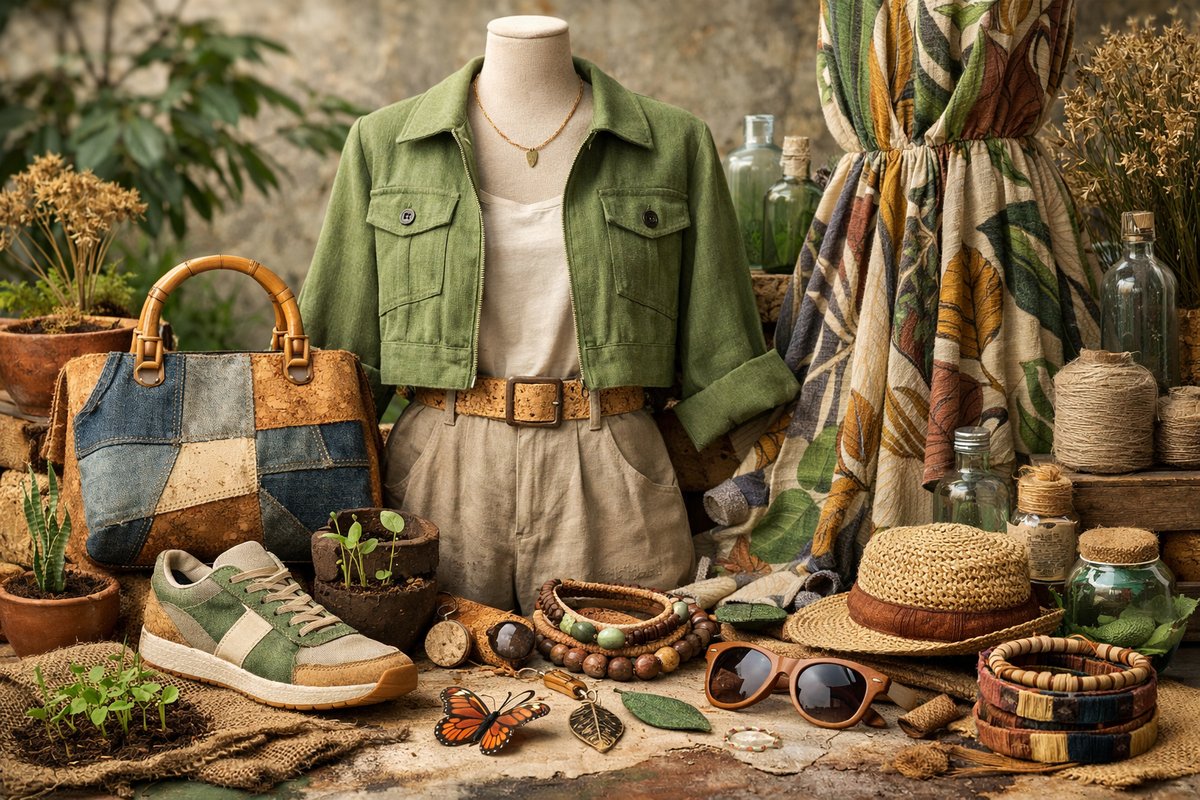
The latest wave in fashion marries environmental stewardship with expressive design, turning clothes and accessories into personal statements of purpose. From plant-based fibers to upcycled components, new collections are inviting consumers to curate wardrobes that reflect their ethics without sacrificing flair.
In a season defined by shifting consumer priorities and global awareness, fashion is experiencing a renaissance driven by values. No longer content with fast trends and disposable garments, a growing community of designers, retailers and shoppers is reshaping the industry through eco-driven textiles and narrative-rich accessories. Every fiber, every embellishment and every stitch now carries meaning, ensuring that the clothes we wear can tell a story that matters.
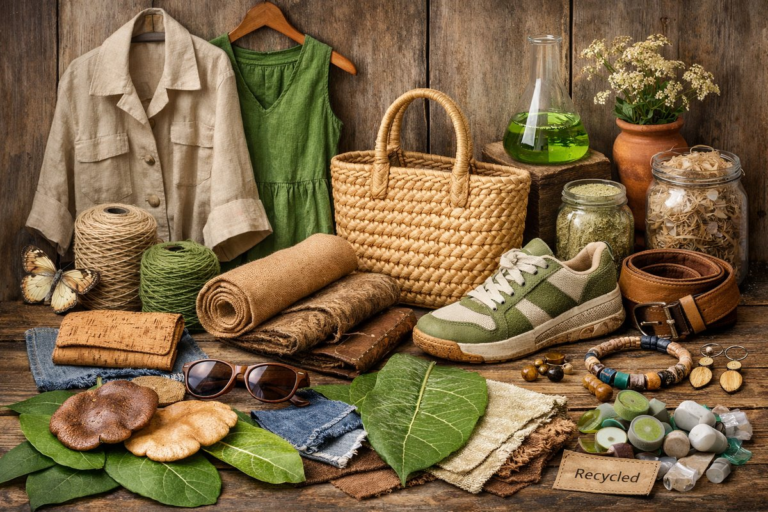
Underpinning this movement is the rise of innovative materials that combine performance with a low environmental footprint. Plant-based fibers such as bamboo, hemp and lyocell are at the forefront, offering silky handfeel, breathability and biodegradability. In parallel, recycled textiles harvested from ocean plastics and pre-consumer waste are being reimagined into suiting fabrics, outerwear and everyday knits. These fabrics illustrate a closed-loop vision where what was once trash is reborn as high-function apparel.
Take the bamboo fiber scarf: soft yet substantial, these scarves drape like premium silk yet are grown with minimal water and no pesticides. Their production regenerates soil rather than depleting it. Meanwhile, outerwear panels crafted from recycled polyester derived from discarded water bottles demonstrate how performance gear can protect both body and planet. From moisture-wicking base layers to UV-resistant rain shells, recycled content now powers technical pieces worn on city streets and mountain trails alike.
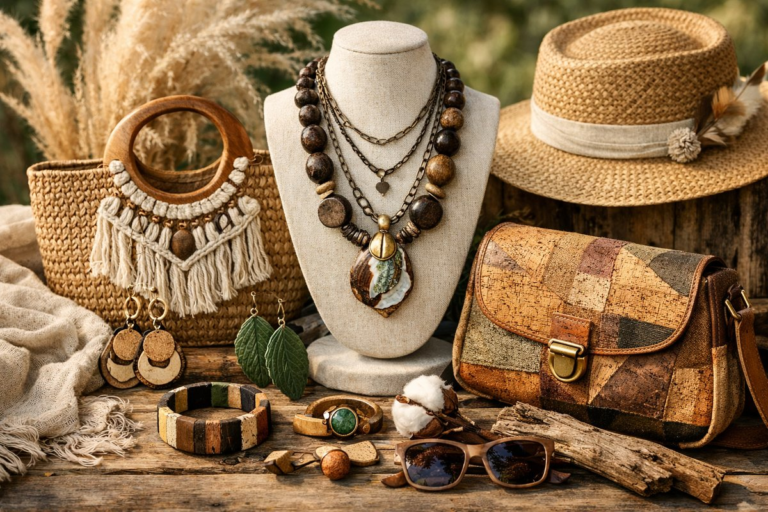
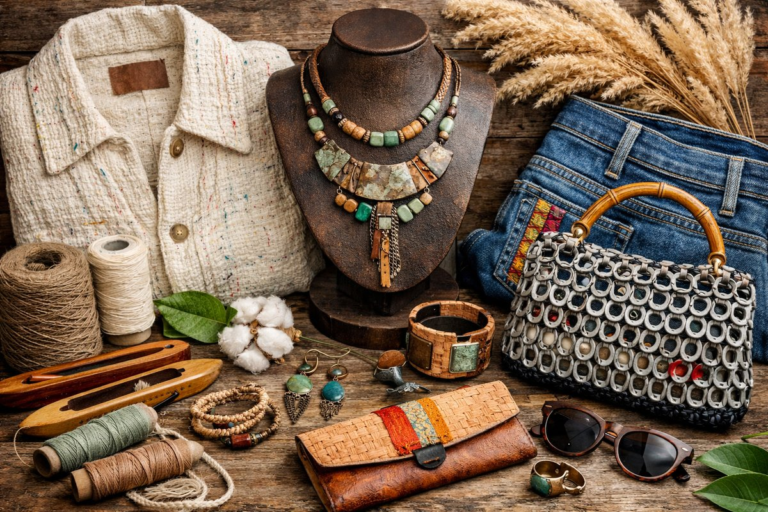
Accessories have followed suit in telling sustainable narratives. Plant-based leather belts, made from alternative tanned materials like cork or apple pomace, mimic the strength and texture of traditional leather without the environmental toll of animal agriculture. Beaded jewelry created from upcycled glass and wood scraps showcases artisanal craft traditions repurposed for the modern consumer. Even the humble button is evolving: fast-coming alternatives made from coconut shell or cornstarch offer compostable closures in timeless silhouettes.
Across showrooms and digital storefronts, designers are layering these textiles and trims into cohesive collections that emphasize modularity and long-term use. A single plant-based leather belt with removable hardware can transform a tailored dress into a casual look or cinch an oversized blazer for an evening outing. A scarf woven from lyocell and organic cotton can double as a headwrap, shawl or belt, encouraging creative styling and reducing the urge to purchase multiple one-off accessories.
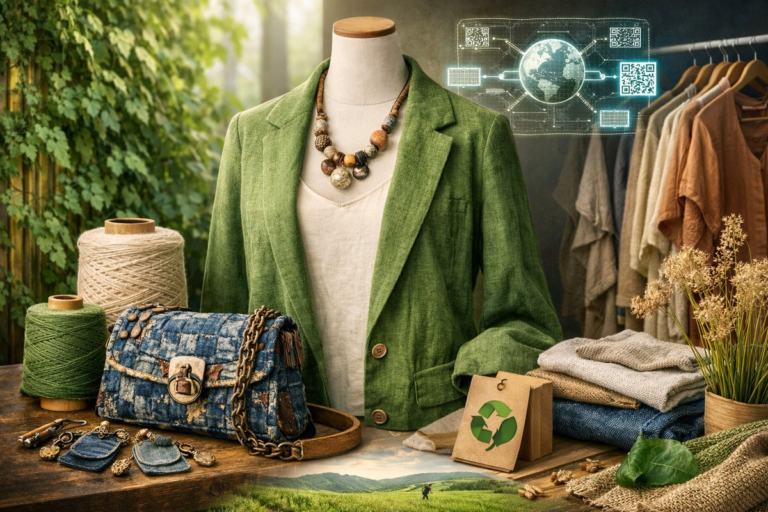
Behind the scenes, a new generation of supply-chain tools is ensuring traceability and accountability. Blockchain-enabled tagging and QR codes let consumers scan garments to reveal the story of each material: the farm that grew the bamboo, the factory that spun the yarn, and the cooperatives that hand-assembled each bead. This transparency responds to mounting demand for proof of claims and empowers shoppers to vote with their wallets for companies aligned with their personal values.
On the retail side, pop-up experiences and interactive virtual showrooms are emerging as platforms to educate shoppers about sustainable production. Visitors can feel fabric swatches under their fingertips, witness live demonstrations of natural-dye processes, and even join workshops to embellish pre-loved denim jackets. This blending of community and commerce offers a refreshingly human antidote to the purely transactional nature of online shopping.
Consumers, in turn, are demonstrating a willingness to invest in fewer, higher-quality pieces that last beyond a season. Market data shows that average spends on eco-certified apparel have grown by over 25% in the past two years, signaling that shoppers are factoring environmental and social impact into purchase decisions. This shift is particularly pronounced among young adults, who cite sustainability as one of their top criteria when evaluating new brands.
The storytelling element extends into styling, where wearers are encouraged to curate capsule wardrobes reflective of personal narratives-lightsome neutrals for minimalist explorers, jewel-tone accents for maximalists, or artisanal motifs for cultural celebration. Online lookbooks now feature real customers posing in their favorite sustainable finds, sharing anecdotes about how a particular piece sparked an outdoor adventure, a creative collaboration, or a moment of mindful reflection.
Yet challenges remain. Scaling regenerative agriculture for plant-based fibers is a time-intensive endeavor. Recycling technologies for blended fabrics are still emerging and often come at a higher price point. And while transparent supply chains offer clarity, they can also spotlight labor practices that require further improvement. Forward-thinking brands are addressing these issues through strategic partnerships with non-profits, reinvesting a portion of profits into community programs, and piloting take-back schemes that incentivize garment returns for recycling or resale.
Looking ahead, advances in bio-textiles and modular design promise even deeper integration of sustainability into daily dressing. Imagine biodegradable sequins cultivated from bacterial fermentation, color palettes derived from tree bark and fruit waste, or zero-waste tailors who cut patterns that leave no scrap behind. Already, several early-stage laboratories are exploring lab-grown silk alternatives that sidestep sericulture entirely while delivering the same luster and drape that has defined luxury for centuries.
As this ecosystem matures, consumers will be presented with a spectrum of choices that align with specific values-be that minimal carbon footprint, fair labor practices, animal-free production, or community-driven craftsmanship. What unites these options is a shared emphasis on quality over quantity, transparency over opacity, and meaning over mere novelty.
In the meantime, building a values-driven wardrobe remains a personal journey. It begins with research: understanding fiber labels, seeking out certifications like Global Organic Textile Standard or Fair Trade, and learning to care for garments in ways that extend their life. It continues with mindful curation: choosing pieces that serve multiple roles and can be styled in versatile ways. And it thrives in community: sharing tips, swapping favorite secondhand gems, and celebrating the ingenuity of artisans who see potential in what others might discard.
Fashion’s next chapter isn’t just about what we wear-it’s about who we are and the planet we want to inhabit. By weaving values into every wardrobe choice, we can transform style into a force for positive change, one carefully selected thread and thoughtfully designed accessory at a time.