Location
Mount Vernon, WA 98274
Location
Mount Vernon, WA 98274

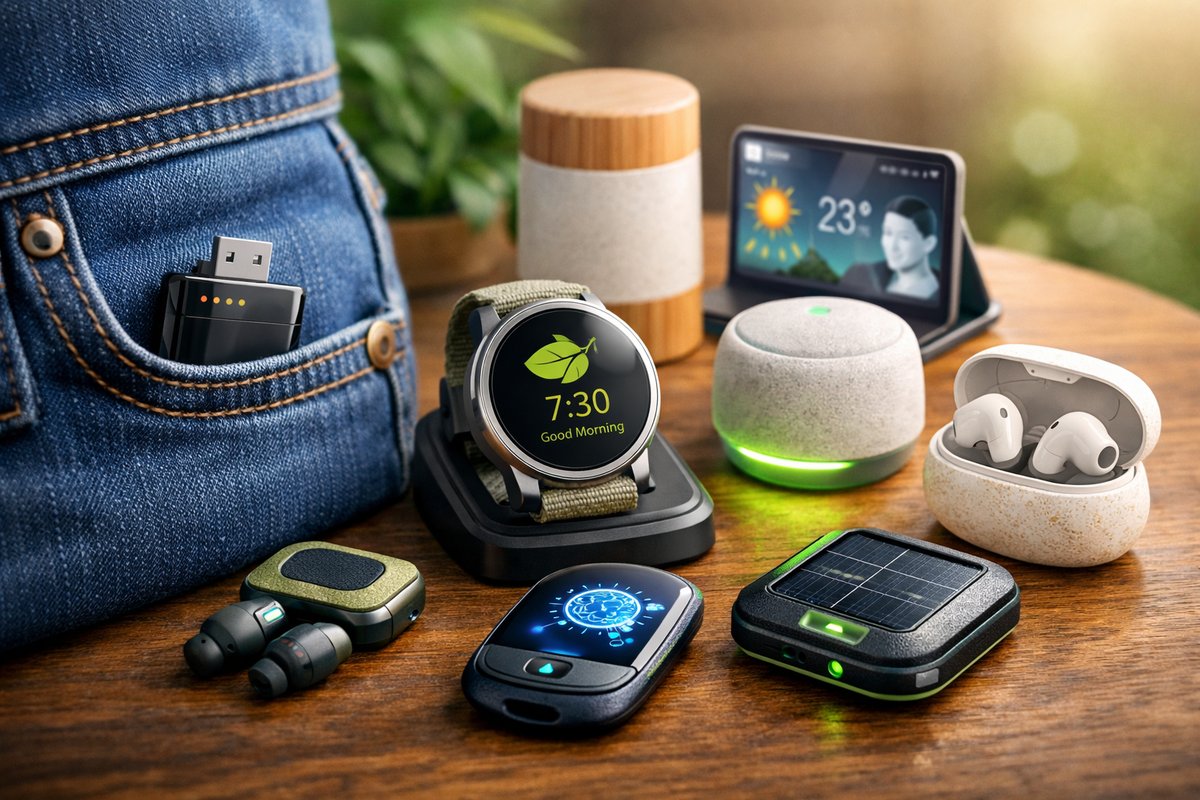
From ultra-compact computing devices that slip into a coin pocket to smart implements that learn your routines, a new wave of gadgets is reshaping the way we interact with technology. These innovations blend miniaturization, artificial intelligence and eco-friendly materials to deliver unparalleled convenience and sustainability.
In living rooms, pocket linings and backpacks around the world, a quiet revolution is underway. The culture of bigger screens and louder speakers is giving way to an ethos of smarter, smaller and more sustainable designs. Engineers and designers have been racing to distill the power of yesterday’s desktop towers into palm-sized modules, while weaving in artificial intelligence, adaptive behaviors and greener materials. The result is a frontier of innovation where every tool-from a wearable voice assistant to a pocketable laser projector-can anticipate our needs without demanding bulk or waste.
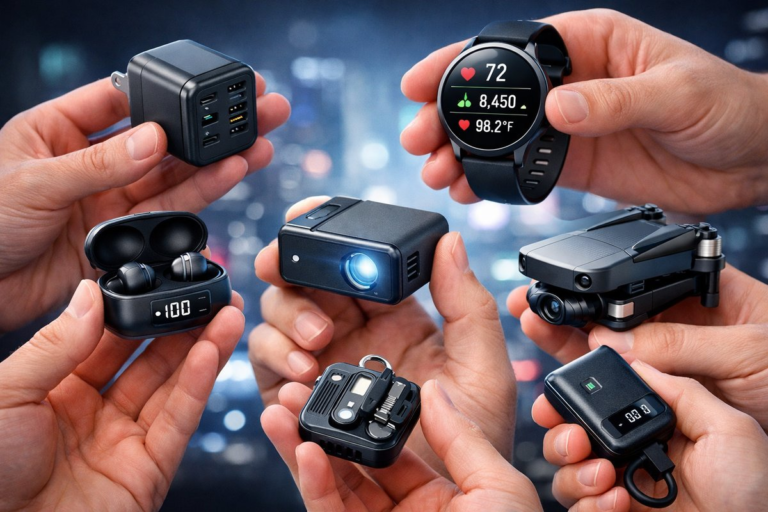
At the heart of this trend lies miniaturization, the art of packing circuit boards, batteries and sensors into ever-tinier packages. Advances in chip fabrication have shrunk processors to a fraction of their former footprint, while new battery chemistries offer higher energy density in slimmer profiles. What used to require a laptop and external power has evolved into a credit-card-mimicking device that can run office apps, stream movies and jumpstart a drained smartphone-all from your back pocket. These pocketable powerhouses aren’t just curiosities; they represent a shift in how we view computing as a utility rather than a stationary station.
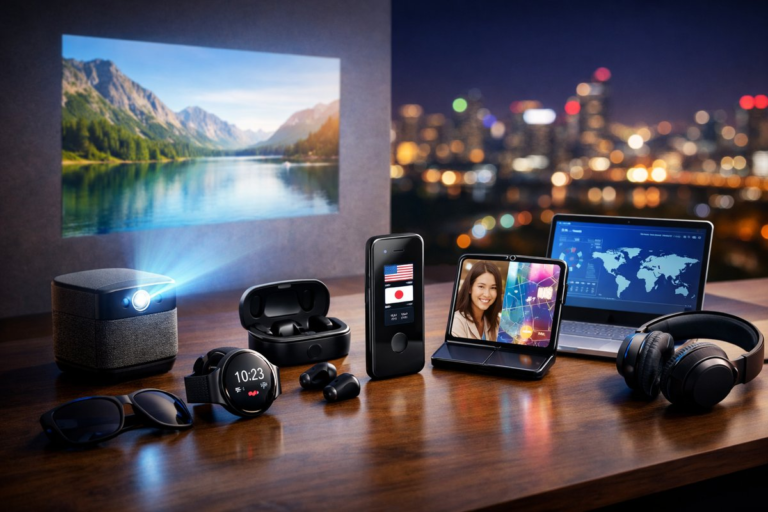
Consider the evolution of personal projection. Bulky projectors once demanded dedicated cabinets, hefty power bricks and a careful alignment of light bulbs. The latest generation of ultra-compact projectors, however, can slip into a shirt pocket, connect wirelessly to a smartphone and beam HD video onto any flat surface. Behind the scenes, clever heat management systems and energy-efficient light sources ensure these devices can run for hours without overheating. Today’s pocket projectors illustrate how shrinking form factors are unlocking new use cases-pop-up movie nights in a park, on-the-go presentations and even dynamic ambient lighting in minimalist homes.
But miniaturization is only part of the story. Smarts are equally essential. When everyday gadgets gain the ability to learn usage patterns and adapt to individual preferences, they become far more than tools; they turn into personal assistants. Smart pens that recognize handwriting can digitize notes and suggest relevant reference materials. Modular mechanical keyboards that detect typing styles can optimize key travel and lighting effects based on your productivity rhythms. And compact smart assistants, disguised as simple button-like devices, can tie into home networks to adjust thermostats, toggle lights and read messages aloud-all through conversational natural language processing.
This blend of mini size and artificial intelligence extends to wearable tech as well. Until recently, health trackers required a band on your wrist or a clip-on sensor. Today, biometric monitoring modules-smaller than a postage stamp-snap onto clothing or adhere to the skin. These sensors can continuously track heart rate variability, blood oxygen levels and even stress indicators, then feed the data to a smartphone app that offers real-time coaching. No bulky chest straps, no constant recharging. Just seamless health insights delivered with minimal intrusion.
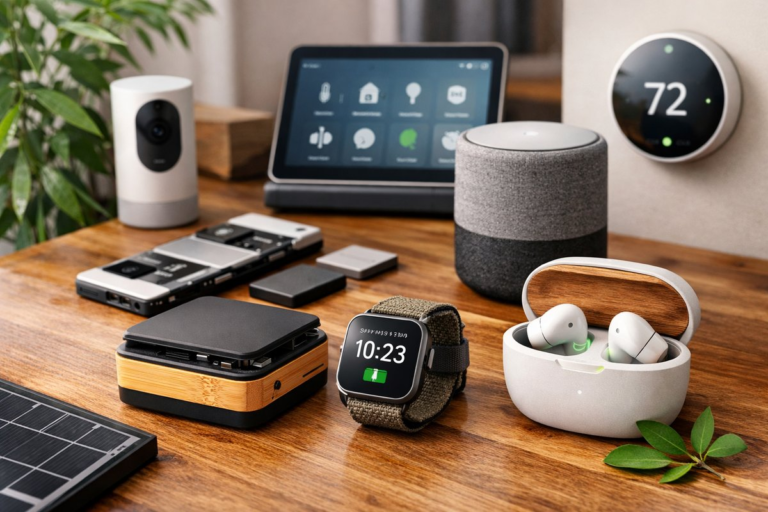
While functionality dazzles, sustainability is emerging as a core design principle. Electronics have long faced criticism for short lifespans, toxic materials and e-waste. New entrants to the market are embracing recycled metals, bio-derived polymers and modular architectures that let users upgrade individual components instead of discarding the entire gadget. Imagine swapping out a camera module on a pocket computer for enhanced zoom capabilities, rather than buying a whole new unit. Or envision a wireless speaker assembled from reclaimed ocean plastics, complete with user-replaceable battery packs and a partner app that tracks carbon savings.
Beyond materials, companies are rethinking packaging and delivery. Slim cardboard envelopes replace bulky foam inserts, and digital manuals cut down on printed paper. Some firms even offer mail-back recycling programs, where aged devices are refurbished or responsibly recycled in certified facilities. This full-circle approach ensures that the next generation of tiny powerhouses leaves a lighter ecological footprint, aligning innovation with environmental stewardship.
The final piece of this trifecta-connectivity-ties it all together. As 5G networks expand and low-power wide-area networks proliferate, even the smallest devices can stay online without draining battery life. Smart tools that once relied on Bluetooth or Wi-Fi now tap into cellular data or specialized low-energy protocols, letting them relay status updates, firmware patches and new AI models in real time. This always-connected fabric means that a modular keyboard you bought last year can receive a software tweak that optimizes keystroke latency, or a mini projector can download the latest compression algorithm for crisper images.
In practical terms, what does this mean for everyday users? For commuters, it could mean carrying a single device that serves as your business laptop, media center and power bank. For remote workers, it might mean setting up a pop-up office on a train table with a pocket projector and a foldable Bluetooth keyboard. For home cooks, it could mean relying on smart measuring spoons that record ingredient weights and suggest recipes based on what’s in your pantry. The lines between categories-computer, appliance, wearable-are blurring as intelligence and connectivity become the new currency of gadget value.
In neighborhoods embracing smart infrastructure, these small devices are extending their reach beyond personal use. City planners are trialing compact environmental sensors that clip onto streetlights to monitor air quality, noise levels and pedestrian flow. These units, powered by miniature solar panels and linked via low-power networks, provide real-time feedback to municipal dashboards. Such deployments demonstrate how miniaturized, intelligent tech can scale from individual convenience to urban resilience.
Yet as these powerhouses proliferate, challenges remain. Security and privacy concerns loom large when devices collect sensitive personal or environmental data. Manufacturers must embed end-to-end encryption, on-device machine learning and transparent data-handling policies to build user trust. At the same time, standards for interoperability are still catching up. A foldable keyboard from one ecosystem may not pair seamlessly with a pocket projector from another. Industry groups are now racing to define common protocols that guarantee plug-and-play simplicity across brands.
Despite these hurdles, the momentum behind tiny, smart and sustainable tech shows no sign of slowing. Crowdfunding platforms are brimming with prototypes for micro-computers that rival desktop performance, self-cleaning earbuds, and modular smart tools that can be 3D-printed at home. As these projects reach production, they’re likely to spur incumbents to rethink slab-style designs in favor of more agile formats.
For curious consumers and tech enthusiasts, the takeaway is clear: powerful technology is no longer tethered to desks or power outlets. It now fits in the palm of your hand, anticipates your habits, and treads lightly on the planet. The bright streetlights, home offices and global startups of the near future will rely on these pocket-sized marvels as foundational building blocks. In a world where adaptability and responsibility are prized, the smallest gadgets may just deliver our biggest leaps forward.
Whether you’re upgrading your daily carry, rethinking home automation or exploring new frontiers of personal computing, take a moment to appreciate how far we’ve come. From rudimentary calculators of yesteryear to today’s AI-driven palm devices, technology’s trajectory is crystal-clear: smaller, smarter and greener. The next time you slip a pocket-sized computer under your palm or ask a smart pendant to dim the lights, remember that these innovations represent an ethos of efficiency, empathy and ecological care-principles that will shape our tech-centric lives for years to come.