Location
Mount Vernon, WA 98274
Location
Mount Vernon, WA 98274

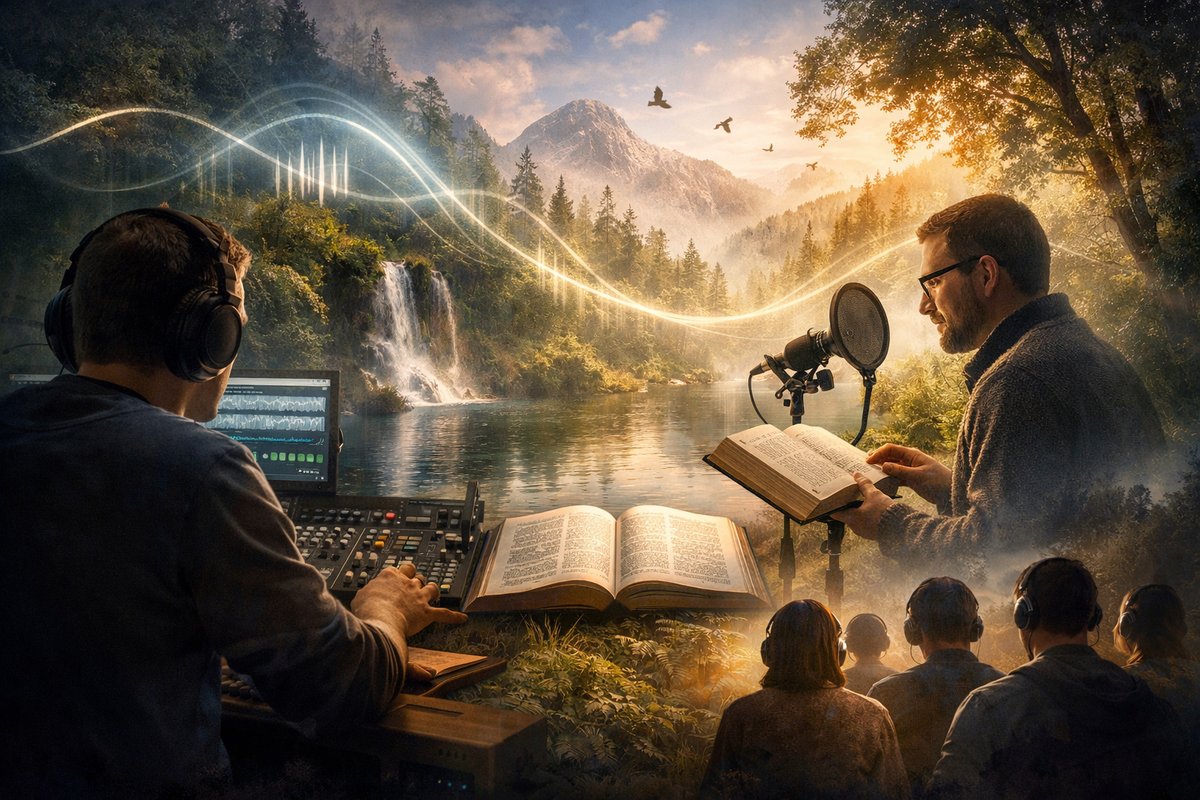
Across denominations, congregations are collaborating with sound designers and theologians to create immersive audio experiences that combine ambient music, natural soundscapes, and narrated scripture. These 'Sacred Soundscapes' offer a fresh approach to scripture-study and prayer, inviting listeners into contemplative spaces beyond the sanctuary walls.
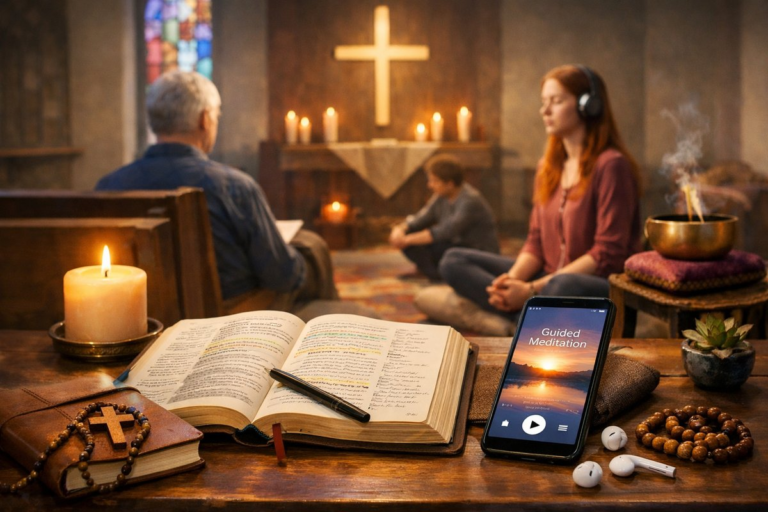
In a dimly lit chapel in Seattle, parishioners settle into cushioned chairs wearing over-ear headphones. Instead of a traditional sermon, they listen to soft waves crashing against a shoreline as a gentle female voice reads from the Psalms. Moments of silence drift between readings, punctuated by distant birdcalls and the hum of synthesized strings. This is the heart of Sacred Soundscapes, a new initiative blending worship-music and scripture-study in a multi-sensory prayer environment.
The concept has spread quickly over the last six months, with more than 120 congregations across North America piloting their own versions. From a rural Presbyterian church in Virginia that uses recordings of local creek sounds to an urban Catholic parish in Toronto layering Gregorian chant with city ambience, the project caters to diverse traditions while maintaining a shared focus: deepening engagement with scripture through immersive audio design.
“The goal isn’t simply background music,” explains Reverend Maria Torres, who leads one of the pioneer communities in Denver. “It’s about creating a sacred container where every sensory element points back to the text and allows people to linger in prayerful reflection. We’re inviting people to slow down, to sit with a Psalm for twenty minutes instead of rushing on to the next passage.”
Collaboration With Sound Artists
Over the past year, several church networks issued open calls for composers and sound designers interested in spiritual projects. More than 50 artists responded, many with backgrounds in ambient music, field recording, or film scoring. Paired with theologians and scripture scholars, these creative teams study biblical passages and craft soundscapes that mirror the narrative tone-whether the hush of creation in Genesis, the stormy tension of Elijah’s story, or the jubilation of early Easter morning.
One notable partnership involves a group of seminary students in Chicago working with a local electronic musician. They explore prophetic texts from Isaiah, weaving in low-frequency drones and distant thunder to evoke both the majesty and mystery of divine oracles. “We read that text dozens of times,” says Lydia Nguyen, a Master of Divinity candidate. “Then we thought about what textures might help people sense its awe and longing.”
Inclusive Spaces for Devotion
Church leaders emphasize that Sacred Soundscapes can be adapted for both corporate worship and solitary devotion. Some parishes hold weekly listening gatherings-halfway between a lecture and a contemplative service-inviting members to journal their reflections after the audio session. Others provide downloadable files through their websites or mobile apps, so anyone can engage at home or on the go.
“We’ve had people share that they listen on their evening commute, turning rush hour into an unexpected time of prayer,” notes Father Daniel Keane from a parish in Toronto. “It’s not just for churchgoers; friends, neighbors, and even nonchurch people have tuned in, finding solace in the blend of scripture and sound.”
Integrating Ancient Practice With New Technology
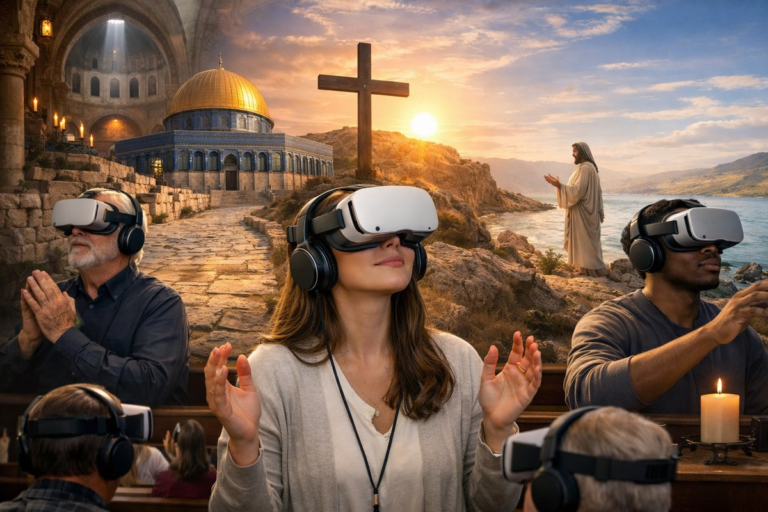
Though blending music and scripture is hardly new-think of chant traditions, metrical psalms, or gospel hymns-the tech-driven approach seeks to deepen contemplative focus. Churches are experimenting with spatial audio, where sound moves around the listener, and binaural recordings that simulate 3D environments. These techniques draw from virtual reality research and film post-production, making the listening experience as enveloping as a walk through a cathedral forest or a starlit desert.
“Spatial audio feels like you’re inside the story,” says sound engineer Marcus Allen, who helped develop an autumn-themed series based on Ecclesiastes. “When the narrator mentions fallen leaves, you hear rustling behind you and to your right. It untethers you from the pew and drops you into the text’s world.”
Responding to Feedback
Early feedback surveys reveal high levels of spiritual satisfaction and deeper scriptural recall. In a pilot study conducted by a coalition of Lutheran and Methodist congregations, 87 percent of participants reported feeling more connected to the passage they heard, and 74 percent said they experienced a calmer, more attentive prayer posture. Youth groups, in particular, respond well to the audio format, citing it as a fresh alternative to PowerPoint-driven Bible studies.
“Our teenagers told us they tune out when we rely solely on slides or lectures,” shares Youth Minister Hannah Roberts. “But they’ll put on headphones and dive in for fifteen minutes straight. They call it a ‘God podcast,’ and they look forward to the next episode.”
Cost and Accessibility
Implementing Sacred Soundscapes does require some budget for equipment-quality headphones, basic mixing stations, and hosting platforms. However, many communities report that small grants or crowdfunding campaigns cover initial expenses. Some churches loan equipment to homebound members, ensuring that even those unable to travel can participate.
For congregations with limited resources, simplified versions use stereo tracks and free online mixing tools. Others host pop-up listening booths at community events, pairing volunteers with tablets and earbuds so people can experience a taste of contemplative audio on the street or at festivals.
Training Volunteers and Leaders
To sustain the ministry, churches are offering workshops on scripture-centric audio production. These training sessions cover basics like field recording with smartphones, selecting royalty-free ambient loops, and editing voiceovers with accessible software. Christian colleges are even incorporating audio theology modules into digital ministry courses, preparing the next generation of faith leaders to harness emerging media for prayerful formation.
“We want this to be more than a fad,” says Professor Elaine Carter, who teaches worship arts at a midwestern seminary. “By equipping both tech-savvy students and traditional pastors, we hope to anchor the practice in solid biblical reflection and creative discipline.”
Looking Ahead
As Sacred Soundscapes gains momentum, congregations envisage further innovations: interactive listening experiences where users choose different thematic layers, seasonal series that accompany liturgical calendars, and collaborations with nature reserves for site-specific recordings. There’s even talk of ecumenical streaming platforms, allowing churches of all backgrounds to share their productions in one hub.
Back in Seattle, the dimly lit chapel fills with the first notes of a new series based on the Song of Solomon-a tapestry of desert wind, distant music chimes, and whispered poetry. Listeners close their eyes, leaning into the sound as the words wash over them. In that hush between notes and narration, many sense that something ancient and living meets in their hearts, inviting them into deeper communion with scripture and with each other.
For congregations exploring Sacred Soundscapes, the experiment has already yielded a surprising discovery: when worship-music and scripture converge in sonic environments, prayer becomes a journey rather than a task. And in the gentle unfolding of each listening session, faith communities are finding that the most profound sermons sometimes speak in the language of silence and sound combined.