Location
Mount Vernon, WA 98274
Location
Mount Vernon, WA 98274

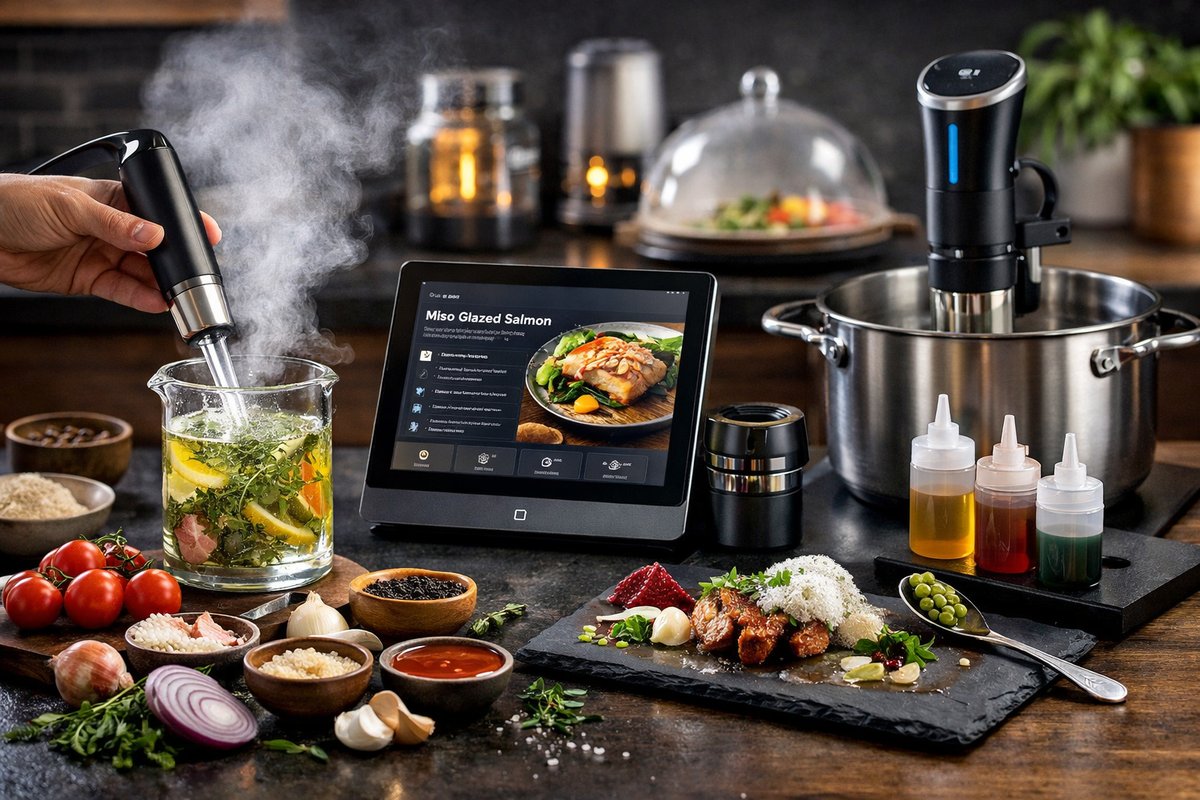
From ultrasonic infusion wands to AI-powered recipe companions, the new wave of kitchen technology is reshaping how we explore flavor. Discover the tools, ingredients, and rituals that promise to make every dinner a voyage into the unknown.
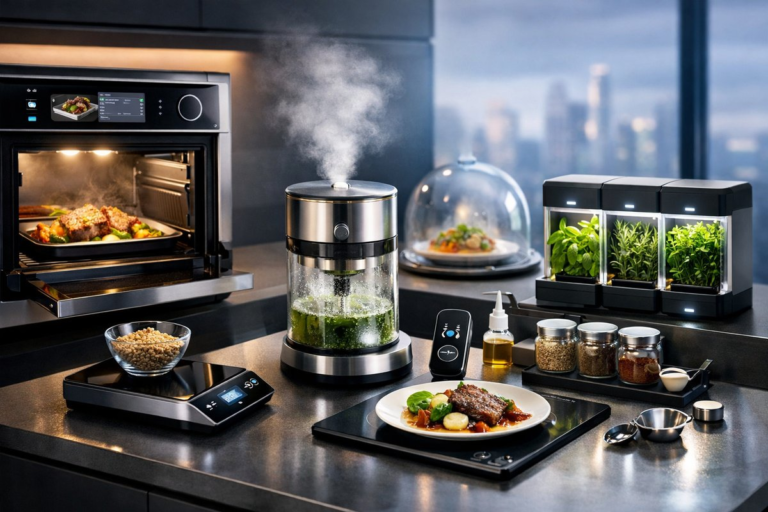
The modern kitchen is no longer just a place to follow old family recipes. It has become a launchpad for culinary exploration, where high-tech tools intersect with age-old rituals to spark creativity. Adventurous cooks are transforming ordinary ingredients into sensory experiences, guided by gadgets that measure, analyze, and enhance flavor in real time.
A quiet revolution is happening at countertops around the world. Imagine an infusion wand that uses ultrasonic waves to drive flavor compounds deep into meats, cheeses, or even cocktails in seconds. No longer must you wait hours for a marinade to work its magic. Instead, microscopic bubbles carry herbs and spices straight to the molecule, creating uniform seasoning and opening up entirely new flavor profiles. That kind of precision can coax out nuances in a simple chicken breast-perhaps a hint of lemongrass from an exotic marinade or a whisper of smoked paprika without needing a full smoker.
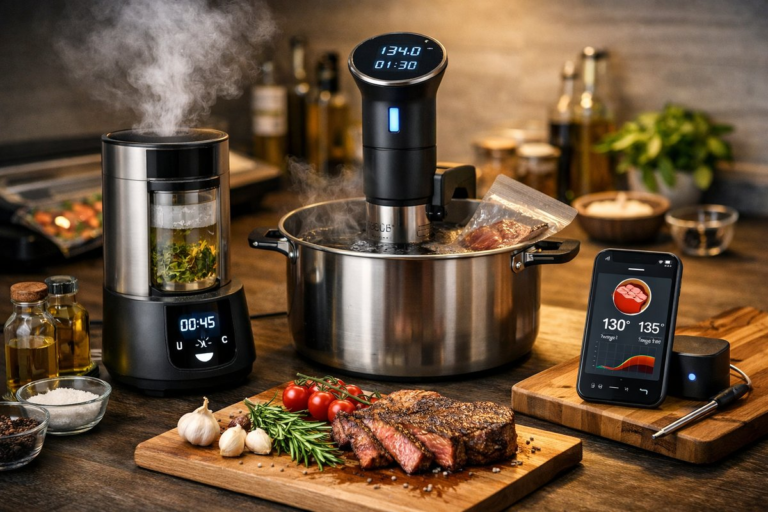
At the same time, smart temperature probes connected to your phone are turning meat cooking into a data-driven art. These wireless thermometers stream real-time readings to an app that charts temperature curves, predicts resting times, and ensures that rack of lamb or salmon fillet emerges perfectly medium-rare every time. For anyone who has battled overcooked chicken or an underdone roast, this marriage of wireless sensors and mobile notifications is nothing short of transformative.
But beyond tracking heat, some systems now analyze moisture content, texture, and even aroma compounds as food cooks. By gathering multiple data streams, these devices offer an empirical view of what’s happening inside your dish. They can prompt you to add butter at just the right moment, recommend a finishing glaze when crispness dips, or remind you to stir that savory stew before the flavors plateau.
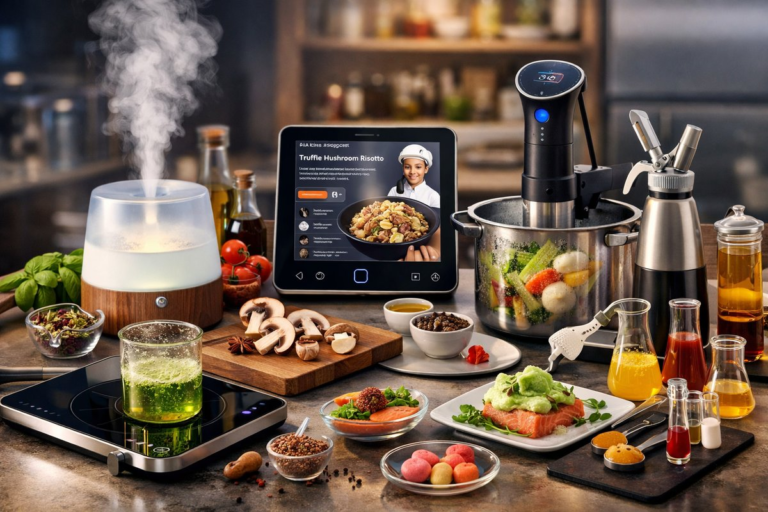
The rise of AI-driven recipe assistants has further expanded the kitchen frontier. Picture a tablet perched on your counter, listening as you describe the ingredients you have on hand. It suggests recipes that match your pantry and dietary preferences, adjusting measurements to account for the specific produce you’ve purchased. Over time, it learns whether you like sharper garlic notes or a touch more salt, then tailors future suggestions to your palate. This kind of adaptive cooking companion makes spontaneous meal planning not only feasible but thrilling.
In more experimental kitchens, 3D food printers are beginning to add a visual and textural dimension to flavor adventures. By layering pureed ingredients with pinpoint accuracy, these machines can create intricate candy sculptures or custom pasta shapes that hold sauce in novel ways. While still in its infancy for home use, this technology hints at a future where form and function fuse, letting you print a delicate lattice that crisps perfectly in a skillet or extrude vegetable-based snacks shaped like coral reefs.
Ingredient innovation marches on in parallel with gadgetry. Sustainable flours made from roasted chickpeas or crickets are finding their way into baking blends that taste remarkably like whole wheat, yet pack a protein punch. Seaweed powders and algae extracts deliver natural umami and vibrant color, from emerald-green noodles to golden crackers. And fermentation kits equipped with digital pH sensors make it easy to cultivate kimchi, kombucha, or wild yeast starters, monitoring acidity levels to ensure consistent tang and fizz.
These new ingredients don’t just boost nutrition-they invite cooks to become flavor chemists. With a small scale and measured droppers, you can test how a pinch of mushroom extract alters a gravy’s savoriness or how a dab of citrus powder heightens a fruit compote’s brightness. It’s a playful, experimental mindset that shifts cooking from rote repetition to dynamic discovery.
Yet the real magic happens when these tools and ingredients intersect with everyday rituals. Picture a Sunday morning ritual where you load a smart fermentation crock with cabbage, spices, and probiotic culture. An app reminds you to press the vegetables down, logs temperature and pH, and celebrates on Day 14 when your tangy kimchi is ready. That dialogue between cook and gadget transforms fermentation from a murky mystery into an accessible craft.
Or consider a dinner party where an ultrasonic infusion wand circulates through wine glasses, subtly adding botanicals to each pour. Guests watch as rosemary, lavender, or citrus peel mingles with tannins, then compare flavor notes in real time. It becomes a multisensory experiment-an edible performance piece that elevates communal dining.
Some home chefs are even exploring augmented reality overlays that project visual cues onto cutting boards, indicating where to slice, how much salt to sprinkle, or exactly when to flip a steak. Though still nascent, these systems promise to demystify complex techniques like confit or sous-vide searing by guiding hands and eyes together.
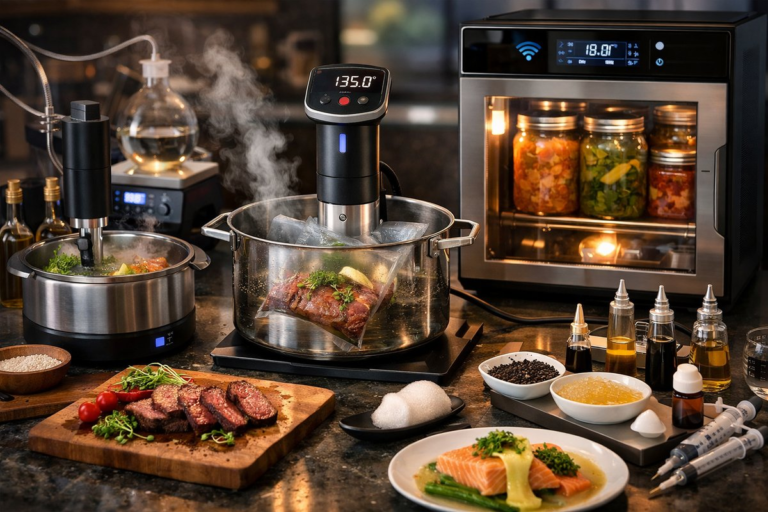
Underlying all of this is a shared value of sustainability. Many of these gadgets are designed for energy efficiency and minimal waste. Immersion circulators use low-power heaters to maintain water baths for sous-vide cooking, while smart compost bins track kitchen scraps, alerting you when to empty them into your garden. Ingredient innovations often center on upcycling byproducts-spent grain from brewing, pulp from juicing-to create flours, crackers, or nutrient-dense baking mixes.
Emotional intelligence also plays a role. Some smart kitchen assistants recognize stress in your voice and suggest a simple comfort recipe or a mindful breathing exercise before tackling a complicated soufflé. Others invite family members to collaborate remotely, syncing cooking steps across households so grandparents and grandchildren can bake bread in tandem, no matter the distance.
As these tools become more affordable and intuitive, they open the door for novice cooks to explore techniques once reserved for professionals. Enthusiasts can experiment with controlled smoking modules that clamp onto a wok or small box smokers fueled by wood chips, bringing campfire aromas indoors without a full-size smoker. Others adopt precision blenders and vacuum sealers to craft zero-waste stocks and sauces in hours rather than days.
Even pantry staples are getting a tech-driven makeover. Intelligent spice grinders let you program coarseness levels and blend multiple spices on the fly, creating custom rubs without manual measuring. Some fridges now feature built-in cameras to track expiration dates and suggest recipes to prevent food waste. Paired with meal-planning apps, they nudge cooks to use leftover veggies in stir-fries or smoothie packs within their optimal window.
All of this points toward a future where cooking is not a chore but an interactive playground. Cooks become creators, wielding ultrasonic wands like paintbrushes and digital scales like compasses. Ingredients-some ancient, others lab-grown-serve as new building blocks. And routines once passed down silently from generation to generation gain transparency through apps, sensors, and shared online communities.
For anyone intrigued by flavor as adventure, now is an electrifying moment to explore. Whether you’re drawn to the precise dance of sous-vide bubbles or the experimental thrill of printing a chocolate geode, these new tools invite you to rethink what’s possible on your home stove. The only limit is your curiosity-and perhaps the size of your countertop.
Ready to embark? Start small: try an infusion wand on cocktails or a smart thermometer on a Sunday roast. Then graduate to fermentation kits or precision cookers. Soon you’ll discover that every meal can tell a story, one measured in ultrasonic pulses, pH readings, and layers of 3D-printed delight.