Location
Mount Vernon, WA 98274
Location
Mount Vernon, WA 98274

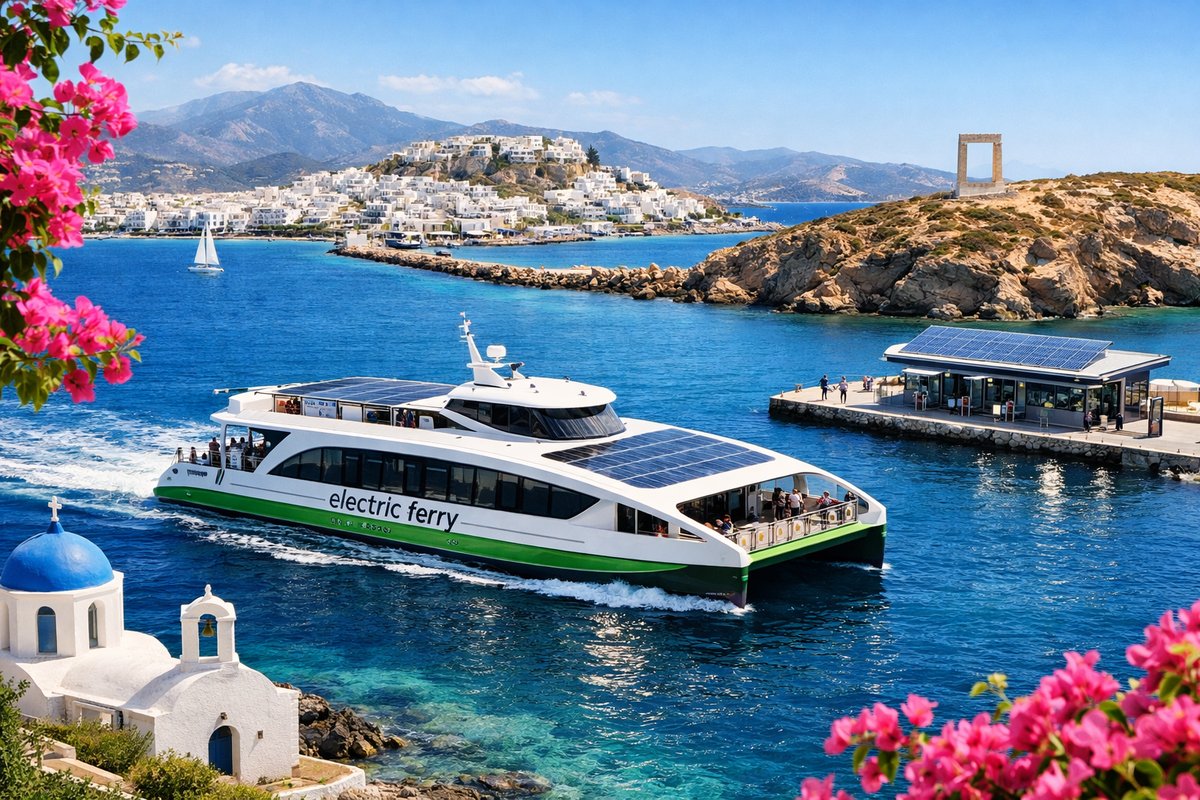
A pilot electric ferry service linking Paros and Naxos is now charting a greener course across the Cyclades. Reduced noise, zero emissions and solar-charged terminals invite travelers to glide between islands with minimal footprint, forging deeper connections between sea, culture, and community.
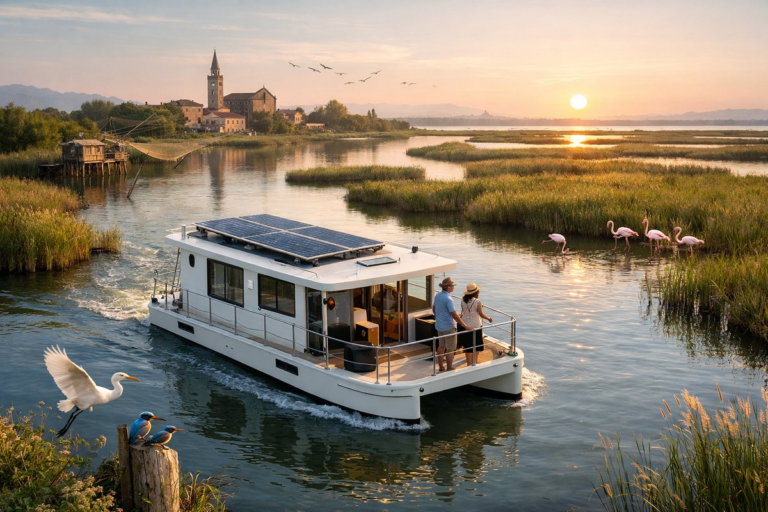
On a misty dawn off the northwest coast of Paros, travelers gather at a newly installed boarding ramp beneath banks of photovoltaic panels. Ahead lies a sleek, low-profile vessel, its hull painted pale blue and white. The engines are silent. Ghostly ripples spread across the bay as this first fully electric ferry prepares to slip from its berth, a symbol of how technology and tradition can coexist in one of Greece s most storied archipelagos.
Earlier this spring, regional authorities and a private operator launched a pilot route between Paros and neighboring Naxos, covering 12 nautical miles in just under an hour. Powered by a series of rechargeable battery banks and topped off mid-day by solar canopies on both docks, this ferry cuts local carbon emissions by an estimated 85 percent compared to conventional diesel vessels. Passengers document the near-quiet crossing with sketchbooks, headphones or simply quiet reflection, trading the usual engine rumble for the sound of seabirds and the soft hum of electric motors.
For travelers stepping off the deck at Naxos, the shift in atmosphere is palpable. Shore winds carry the scent of salt, herbs and sea-smoothed stones rather than exhaust fumes. Coastal tavernas that line the harbor spill savory aromas of grilled octopus and local cheese. A new network of shared bicycles, many outfitted with small electric assist motors, stands ready beneath the station canopy. Overnight stays are available at a recently reopened guesthouse that runs entirely on rooftop solar and rainwater catchment.
A few kilometers inland, olive groves slope toward terraced fields of wild oregano and thyme. Rented e-bikes whisk riders up narrow lanes where accordion music drifts from stone courtyards. Hosts pour chilled carafe after carafe of island wine, handing out fresh figs and honeyed goat cheese. Bike shares are integrated into a smart payment system that also links to the ferry booking portal, so riders glide seamlessly from deck to pedal without fumbling for separate tickets or cash.
I slip into the solar-paneled lounge at the quay before departure, where local guides share maps printed on waterproof paper and highlight off-grid hiking trails that skirt marble caves and hidden bays. A small installation details marine-conservation efforts under way in protected coves, complete with underwater photography of native seahorse species and schools of silver fish. The emphasis here is as much on preserving quiet moments as it is on opening new transport corridors.
The ferry pilot is part of a broader investment in low-impact travel across the Cyclades. Nearby islands are evaluating similar installations, from electric catamarans linking Ios and Santorini to solar shelters shading dockside benches in Mykonos. Regional officers cite tourism figures that grew 15 percent last year while pledging that any future expansion would honor strict noise and emission limits. Surveys indicate more than 70 percent of visitors support initiatives that maintain the tranquility and natural beauty of island life.
As the hull cuts through gentle waves, wildlife often congregates near the vessel. Flocks of slender shearwaters wheel overhead. Playful pods of dolphins sometimes race ahead of the bow, as though drawn by the vessel s silent efficiency. Local divers have reported clearer waters along the route, attributing the improvement partly to reduced diesel runoff. In one cove, a small rewilding project is testing native seagrass beds that provide habitat for juvenile fish and help trap carbon in the seabed.
For communities that once felt isolated except by noisy day-runners and large ferries, the electric service offers new possibilities. Farmers can ship fresh produce daily, instead of in bulk once a week, reducing spoilage. Artisans from remote villages can display their wares at rotating pop-up markets at each dock, giving visitors a rotating showcase of textiles, ceramics and seasonal delicacies. Emergency responders can dispatch crews more quickly in calm conditions, enhancing safety for medical evacuations and urgent supply runs.
With reduced engine noise, conversation becomes part of the journey again. Passengers swap reading recommendations: a novel set in the Aegean, a travel memoir about local island traditions, a field guide to seaside wildflowers. Small children lean over railings to watch schools of fish shimmer below the waterline. Sporadic announcements describe passing landmarks, ancient ruins perched on limestone ridges, or the silhouette of a wind valve atop the next headland.
Those who seek deeper stories often extend their stays. A multi-day ticket unlocks e-bike tours of sunken quarries, where locals once extracted faces of marble for classical sculpture. A farm-to-table evening invites guests to pull fresh asparagus on remote slopes, then join a chef for a hands-on cooking lesson. Workshop sessions in traditional basket-weaving or boat repair keep centuries-old skills alive, foster cultural exchange and invite travelers to leave with more than just snapshots.
Island hopping has long been a rite of passage for wandering souls, but this emerging network reframes it as a conversation between travelers, technology and tradition. By hooking up ports with photovoltaic canopies, battery-swap stations and silent hulls, operators are inviting a new generation to experience the Cyclades through a cleaner, quieter lens. Early adopters report a sense of calm that resonates even after the journey ends, as if the islands whisper secrets best heard without diesel thunder drowning out the subtle details.
So what does this mean for the wider world of travel and destinations? It offers a model for regions where short-haul maritime links form the backbone of mobility. It suggests that sustainability and authenticity need not be at odds. And perhaps most importantly, it reminds us that the act of going-across landscapes, cultures and inner terrain-can carry a different cadence when we slow down, listen and let the journey itself become part of the story.
Practical details for prospective travelers include online reservation portals that bundle ferry rides, bike rentals and eco-lodge stays into a single booking. Off-season months from April to mid-June or September to October often bring mild weather and fewer crowds. Local ports now accept e-passes and contactless payment, making it easy to adjust itineraries on the fly. For those venturing deeper, traditional inns on interior lanes accept advance requests for packed lunch boxes, local grape must and freshly pressed olive oil, all served in recyclable containers to reduce waste.
From solar-charged docks to silent hulls, the pilot electric ferry has become more than a headline. It is a reminder that the routes we carve across water do more than link points on a map. They shape how we see islands, connect to communities and carry stories home. In the Cyclades, the future of island travel is unfolding at a gentle hum, and those who answer its call may find their own journeys transformed in the process.