Location
Mount Vernon, WA 98274
Location
Mount Vernon, WA 98274


From circadian lighting that mimics natural dawn to modular furniture that responds to shifting needs, today's homes blend intelligent systems with handcrafted textures. This article explores how sustainable materials and adaptive technology are converging to create living spaces designed with purpose, comfort and well-being in mind.
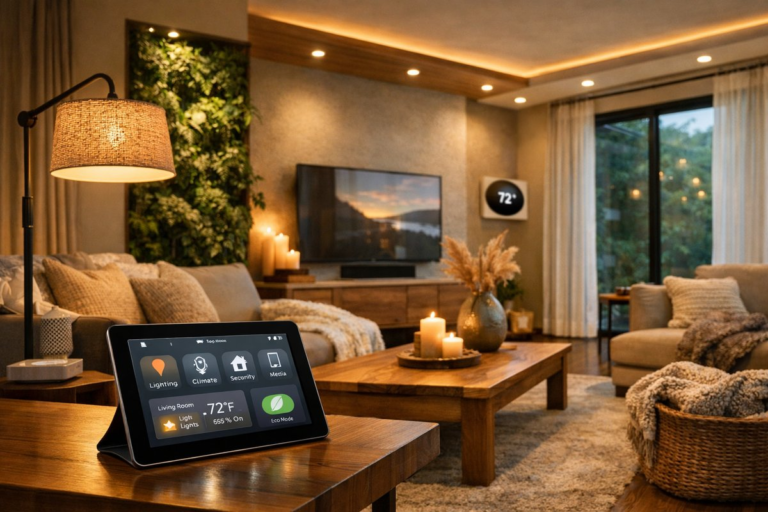
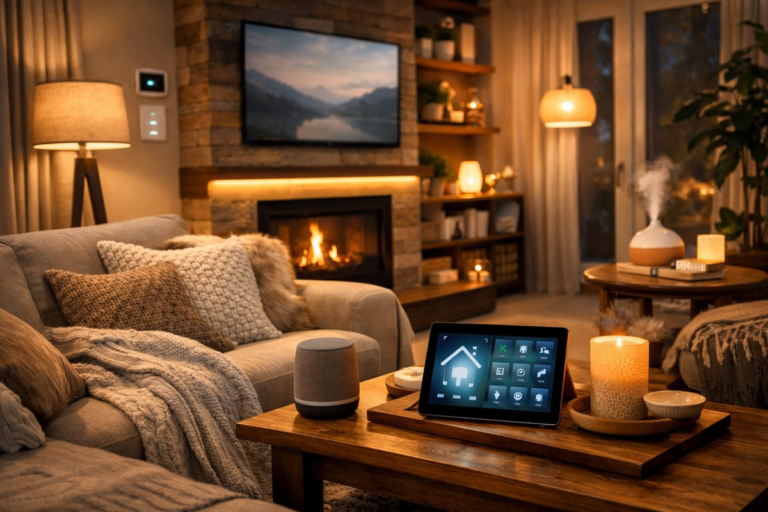
In recent years, the line between technology and tactile comfort has blurred in home design. No longer is a modern residence defined solely by sleek glass panels or voice-activated appliances; instead, it’s the thoughtful integration of smart systems with natural materials and hand-woven textiles that creates truly intentional living spaces. As homeowners look beyond mere automation to solutions that enhance emotional well-being, a new wave of products and design philosophies has emerged. From circadian lighting systems that sync with the body’s internal clock to artisanal rugs woven from sustainable fibers, each element is chosen with purpose, creating a home environment that feels both high-tech and heartwarming.
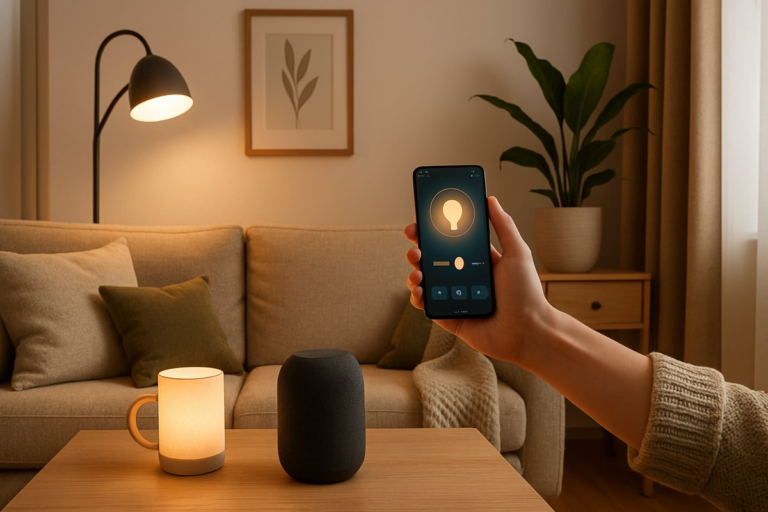
Early adopters of smart home technology quickly discovered that adding a single voice-controlled speaker or a Wi-Fi-enabled thermostat was only the beginning. What followed was often a disjointed assemblage of gadgets that failed to enhance daily life. Today’s approach rejects one-off upgrades in favor of cohesive ecosystems designed around human needs. Lighting kits with tunable color temperature now adjust automatically to mimic the gradual shift from sunrise to sunset, helping regulate sleep patterns and boost daytime alertness. Thermostats with adaptive algorithms learn household routines and make incremental adjustments to maintain comfort without energy waste. Meanwhile, air-sampling sensors quietly monitor volatile organic compounds and airborne particles, alerting residents when windows should be opened or filters replaced. These technologies aren’t just bells and whistles; they respond to real physiological cues, weaving data into the fabric of daily living.
But a home built purely from glass and steel can feel cold. That’s why interior designers and DIY enthusiasts alike are marrying smart features with warm, textural counterpoints. Sustainable hardwood floors give way to plush area rugs hand-loomed from natural wool or plant-based yarns. Stone countertops pair with matte-finish cabinetry whose soft edges invite touch. In place of sterile metal frames, picture rails and shelving brackets come crafted in wrought iron and reclaimed wood, each bearing subtle imprints of the craftsman’s hand. These materials each tell a story: the timber from a local forest restoration project, the clay tiles shaped by community artisans. When layered into a coherent aesthetic, the result is a home that feels rooted, alive and intimately human, even as it adapts to the digital age.
Well-being extends beyond physical comfort to the health of the indoor environment-and that has spurred a fresh surge in plant integration and air filtration. Vertical living walls, once reserved for commercial lobbies, now grace residential perches from urban lofts to suburban dens. Carefully chosen plant species filter formaldehyde and benzene, while a calibrated mist system maintains humidity at an optimal range. Complementary smart diffusers can release microbursts of natural essential oil blends at scheduled intervals to promote relaxation or focus. For individuals with seasonal allergies or chemical sensitivities, these systems can be paired with HEPA-grade air purifiers that silently cycle room air, tracking particulate levels and adjusting fan speeds in real time.
Culinary spaces have also seen a blend of connectivity and craft. Smart induction cooktops recognize cookware diameters and heat zones, providing notifications when pots reach desired temperatures. Integrated voice assistants can queue up recipe steps as hands flip through pages of a cooking guide. Yet these cutting-edge surfaces are offset by butcher blocks reclaimed from heritage barns and pantry storage rendered in handcrafted ceramic jars. The intentional juxtaposition of machine-precise controls with time-honored textiles and ceramics imbues kitchen routines with a sense of ceremony, turning breakfast prep and dinner plating into sensory rituals rather than chores.
Spatial flexibility is another hallmark of today’s intentional homes. As remote work and hybrid schooling have become mainstays, multifunctional zones must transition seamlessly between office, classroom and relaxation hub. Modular shelving units on silent-glide rails can expand to reveal hidden desks. Fold-away tables double as conference workstations or crafting benches; acoustic partition panels snap into slotted channels to dampen noise when concentration is required. Lighting fixtures with adjustable arms and dimmable bulbs allow a single space to host focus sessions at full illumination or movie nights under a gentle glow. By incorporating furniture systems designed for adaptation, homeowners can make the most of limited square footage while preserving aesthetic harmony.
Sustainability is woven through each aspect of this movement. Low-VOC paints fortified with mineral pigments ensure walls breathe without off-gassing. Countertops made from recycled glass and resin composites divert waste from landfills. Even smart devices themselves are arriving with tools for extended life cycles: modular components can be swapped out rather than replaced, and firmware updates add features rather than forcing hardware obsolescence. Energy-storage solutions, including compact battery units paired with rooftop solar arrays, can store excess power generated on sunny days, offering backup during outages and reducing reliance on the grid. In combining mindful sourcing with circular-economy design, these homes reflect a broader cultural shift toward responsible consumption.
Designers emphasize that intentionality is as much about planning as it is about execution. Before selecting a single light fixture or sofa, a holistic needs assessment clarifies lifestyle patterns, family rhythms and wellness priorities. Do evening workouts in the living room call for balanced bright light that won’t interfere with melatonin production later? Is daily mindfulness practice better supported by a water feature to mask household noise? Are aging-in-place features needed, such as hands-free faucets, wide doorways and slip-resistant floor surfaces? By mapping these considerations onto a digital rendering of the home, clients can visualize how each element interacts-technologically and tactually-before any purchase or installation.
The intersection of intentional tech and cozy essentials also brings community benefits. Neighborhood sensor networks have been piloted to track temperature swings and air quality across adjacent homes, enabling collaborative climate-adaptive measures such as shared microgrids or group bulk-purchases of retrofit materials. Co-working lounges integrated into condo complexes offer residents access to premium ergonomic chairs, adjustable desks and high-resolution video conferencing units-without each person having to buy private setups. Community gardens and seed-exchange programs often partner with indoor hydroponics systems, teaching residents how to grow microgreens and herbs year-round. Such joint initiatives reduce individual resource burdens and foster shared stewardship of living spaces.
Looking ahead, the promise of machine-learning environments could further refine home atmospheres. Imagine sensors that identify subtle shifts in a resident’s vocal tone or movement patterns, then suggest restorative lighting scenes or gentle soundscapes. Ceramic wall panels could become heated to an optimal comfort point while repelling stains through engineered surface treatments. Robotic furniture modules might self-reconfigure in response to household schedules, assembling a morning yoga studio by day and a movie lounge by night-then folding themselves away at dawn.
Yet technological ambition is best tempered by an unwavering focus on human experience. It’s the buttery softness of a wool throw, the patina of an antique table, the quiet confidence that a home has been shaped around the people who live there. When smart thermostats meet organic textiles, and when AI-driven lighting syncs with hand-crafted lanterns, the result is more than a showcase of innovation-it’s the embodiment of intentional living. In a world where screens and notifications compete for attention, the modern home can be a sanctuary defined by warmth, purpose and thoughtful design.
As homeowners seek to create spaces that nurture mind, body and community, the most resonant upgrades will be those that merge adaptive technology with soulful craft. Whether you’re embarking on a full-scale renovation or simply swapping out a few fixtures, ask yourself: Does this element respond to my daily routines? Does it invite touch, sight and scent? Is it built to endure, both materially and emotionally? By weaving together smart systems and cozy essentials, you’ll not only elevate your home’s performance but also craft an environment that feels truly alive.
Let this convergence of innovation and intention guide your next design choice. From circadian lighting modules to reclaimed-wood shelving brackets, each curated piece is a chance to align form with function and technology with tradition. In doing so, you’ll help usher in a new era of home living-one defined by thoughtful integration, lasting beauty and the quiet joy of spaces designed with purpose.