Location
Mount Vernon, WA 98274
Location
Mount Vernon, WA 98274

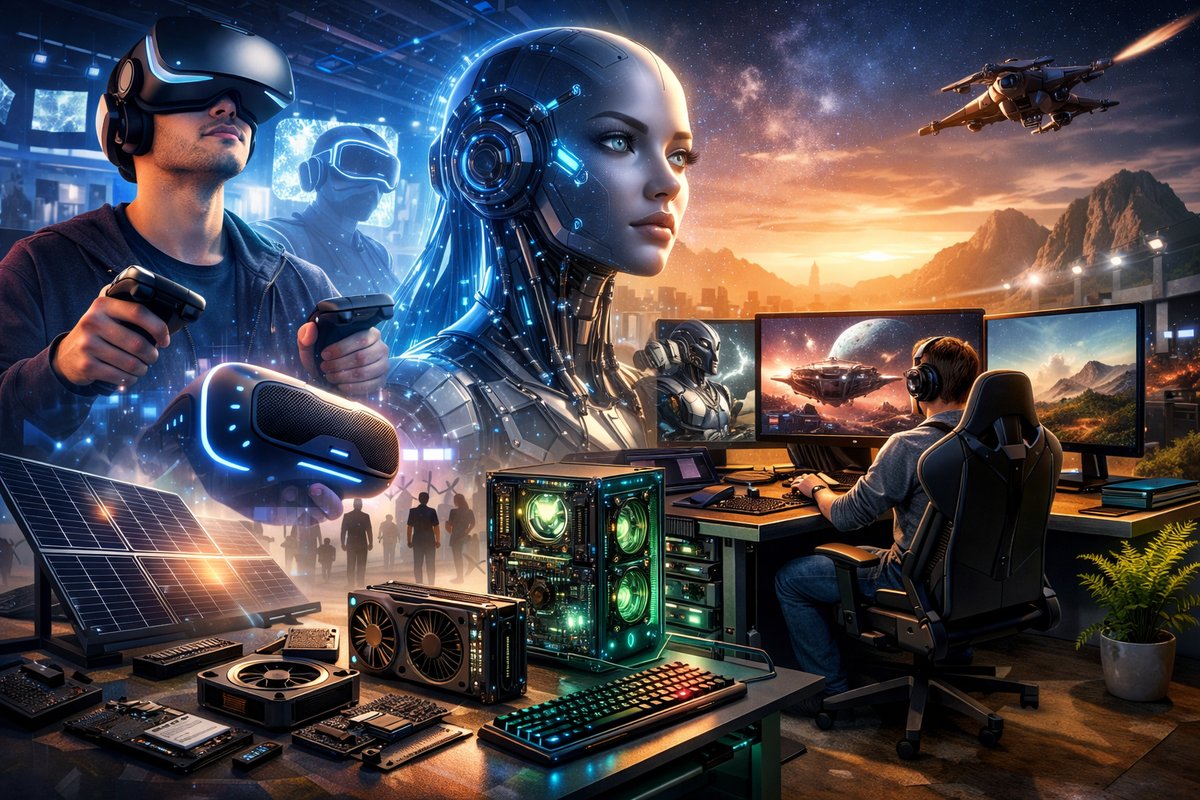
From the latest reveal of next-generation VR kits at global expos to breakthroughs in AI-driven NPCs, the gaming industry is evolving faster than ever. With modular hardware, immersive software and a renewed focus on sustainability, players are gaining unprecedented control over their setups and experiences.
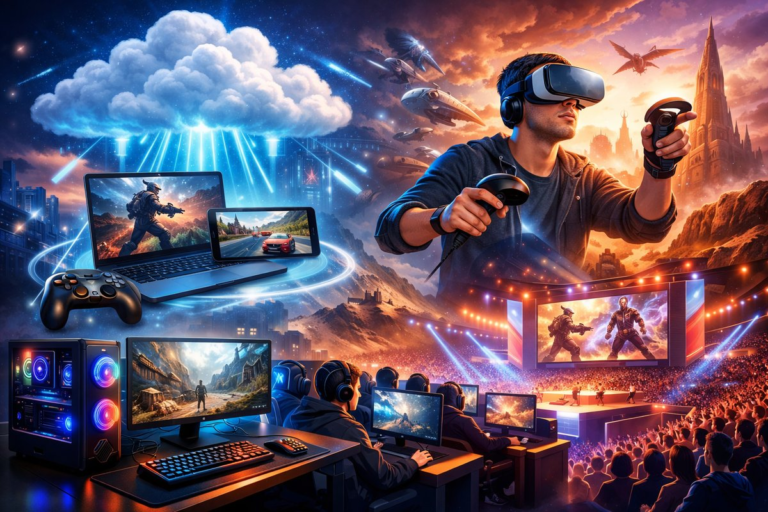
A wave of announcements at recent tech gatherings has ushered in a new era for interactive entertainment. Across stages at both the Game Developers Conference and the annual consumer electronics fair, manufacturers and studios showcased tools designed to break down the boundaries between player and world. The buzz centered on modular hardware systems, AI-enabled storytelling engines and cloud-driven services that promise seamless access to vast libraries. For enthusiasts and newcomers alike, the message is clear: play has entered a realm where customization, immersion and social connectivity converge.
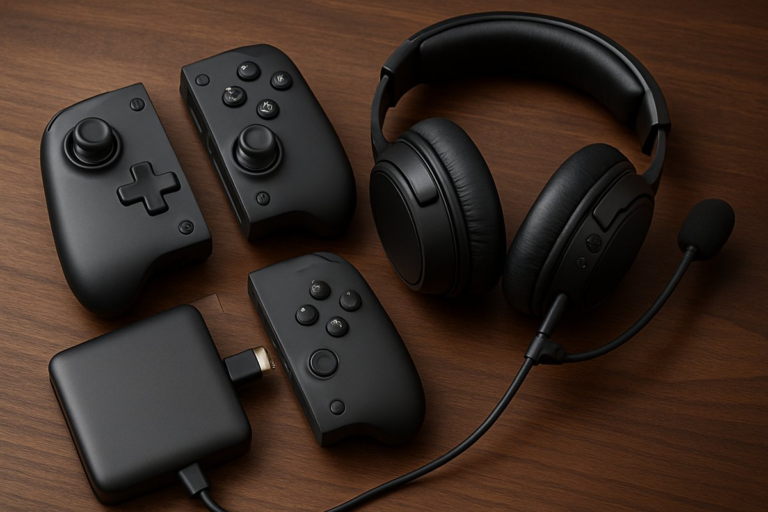
Behind the shiny prototypes and cinematic demos lies a trend toward adaptability. Gone are the days when a single console or a fixed desktop rig dominated the landscape. Instead, open architecture now powers controllers with swappable modules-letting players swap thumbsticks for trackballs, or swap in haptic triggers for precision feedback. Designers demonstrated how a single base unit can host motion-sensing grips, finger-tracking attachments and programmable buttons, all interchangeable on the fly. This approach not only extends the lifespan of a device but also taps into a broader ethos: a gamer’s sanctuary should grow and change with them, avoiding waste while fueling fresh experiences.
In software, AI is taking center stage in ways that transcend simple visual enhancements. Developers are integrating dynamic storytelling systems that adapt narrative arcs based on player emotion, measured through biometric feedback or input patterns. During a stealth sequence, an AI director might notice a player’s heart rate spike and dial down enemy encounters, preserving flow rather than inducing frustration. In exploration-focused titles, procedural narrative engines can surface side quests aligned with a player’s past choices, effectively making every journey unique. Early trials show small but meaningful gains in player retention, suggesting this dynamic approach could redefine how stories unfold.
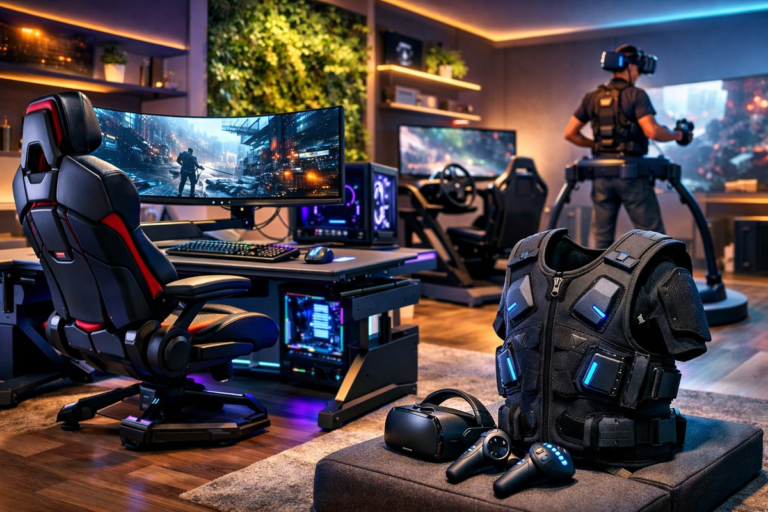
At the heart of the immersive push sits virtual and mixed reality. New headsets unveiled at trade shows boast lighter frames, improved field of view and custom optics designed to cut down on eye strain. Customers can now pick from a library of modular face pads, lens inserts and extension kits that adapt to different head shapes and even prescription lenses. Third-party developers also highlighted spatial audio attachments that clip onto headphone rails, delivering richer positional cues. Taken together, these upgrades promise to reduce the physical barriers that once prevented long sessions, inviting players to linger in simulated environments for hours with minimal discomfort.
This surge of hardware ingenuity raises questions about sustainability. Several manufacturers have pledged to bring recycled metals, bio-based plastics and energy-efficient chipsets into production. At one booth, engineers displayed an open-frame prototype built entirely from post-consumer plastics, rigged to accommodate expansion cards and off-the-shelf components. Another team highlighted how a future firmware update could repurpose underutilized graphics cores for distributed computing tasks when the rig sits idle, effectively turning it into a small-scale data farm. While these features remain in pilot phases, the underlying focus on reducing e-waste reflects an industry eager to address its environmental footprint.
Accessibility also received a spotlight. Beyond the familiar custom-button layouts and text-to-speech plug-ins, some controllers now incorporate adaptive resistive triggers to assist players with limited hand strength. In a live demonstration, a developer calibrated a spring-loaded mechanism that adjusts tension based on the user’s input history-lightening pulls for those who struggle or stiffening them to prevent accidental presses. Voice-driven navigation menus, eye-tracking utilities and on-screen sign-language avatars further indicate a push to make worlds of play available to everyone, regardless of physical or sensory constraints.
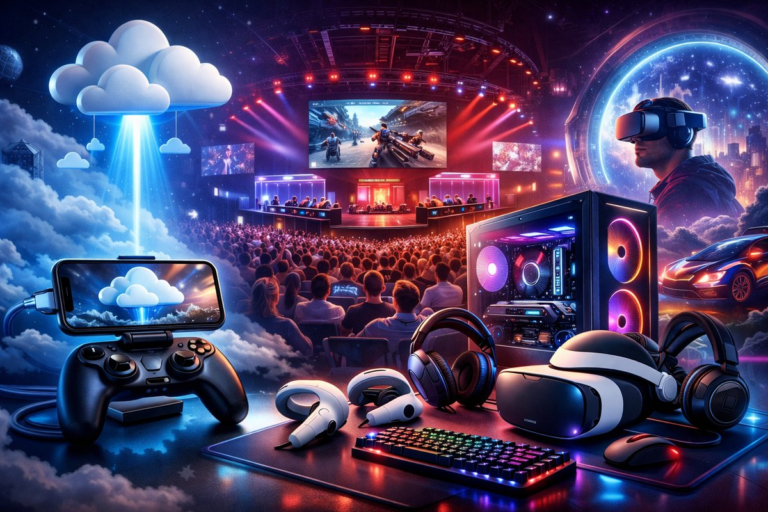
No discussion of modern gaming gear is complete without addressing the rise of cloud services. Major platform operators have expanded game-streaming offerings, bolstering data centers with specialized chips to decode high-fidelity streams at sub-20-millisecond latencies. Players logging in from diverse geographies can now tap into remote servers that handle ray-tracing calculations, all while using lightweight clients at home. This allows mobile devices and older hardware to access blockbuster titles previously out of reach. Equally noteworthy, subscription tiers now bundle online social lounges, co-watch party features and cross-platform voice chat, blurring the lines between solo play and global community gathering.
For developers, these shifts carry both promise and challenge. On one side, modular hardware and AI-driven frameworks reduce barriers to entry-smaller teams can license adaptive storytelling engines or plug into unified peripheral standards instead of reinventing the wheel. Conversely, supporting a growing matrix of configurations demands rigorous testing. A new title might have to validate dozens of controller layouts, two dozen visual-adjustment profiles and a range of streaming bitrates. Studios that invest early in automated compatibility suites are likely to outpace competitors who rely on fragmented user reports.
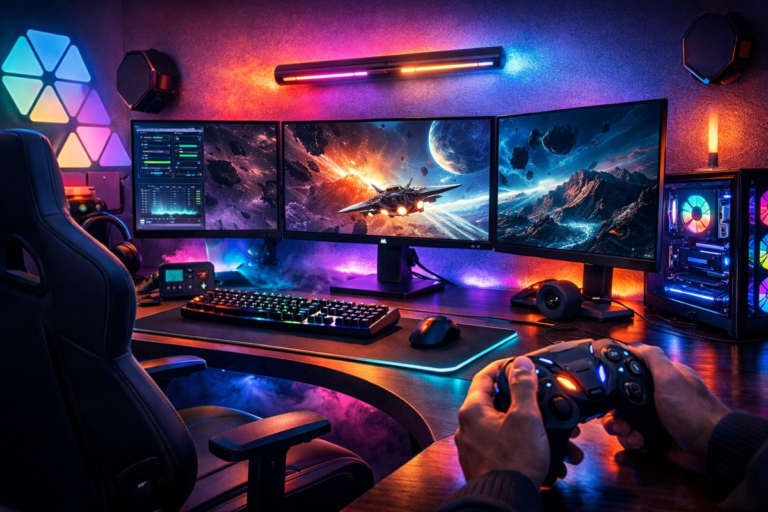
Professional content creators have been quick to embrace the wave. Streamers showcased modular desk mounts that house cameras, lights and microphones on a single rail, enabling rapid repositioning between broadcasting sessions and gameplay. Multi-input capture cards now support both analog and digital signals concurrently, letting creators intermingle vintage consoles and PC titles in real time. Even keyboard designs have evolved: hot-swappable switches, multi-layer backlighting and custom key-cap profiles give channels a signature look and feel, reinforcing personal brands while aiding late-night sessions.
Gaming cafes and venues are retooling too. Community hubs now offer tiered memberships that grant access to VR pods, collaboration studios for local multiplayer tournaments and seats at cloud-linked tournament arenas. These spaces emphasize hybrid social experiences, where visitors can compete in immersive leagues or simply test the latest modular gear before purchasing. Some operators have even integrated indoor air quality sensors and adjustable lighting presets-sliders labeled “focus mode,” “social chill,” and “eSports pro”-to tailor ambiance based on foot traffic and event type.
On the consumer side, budget-conscious enthusiasts need not feel left behind. Several manufacturers introduced entry-level modular kits that arrive unassembled and DIY-friendly. Users unlock expansion slots, plug-and-play ports and open-source firmware with a screwdriver and minimal software downloads. This do-it-yourself culture harkens back to earlier eras of personal computing but benefits from contemporary manufacturing precision, making it easier to swap in higher-spec modules as funds allow.
The merging of physical and digital commerce also stands out. Online stores now let customers visualize how a new peripheral will pair with their existing desk layout using augmented-reality previews. Some retailers even offer trade-in programs: ship back outdated modules and receive credits toward your next upgrade. Early adopters report that this circular model can shave upgrade costs by up to 30 percent over two hardware generations, a significant perk for dedicated players who invest heavily in gear over time.
Community feedback remains a driving force. Open hardware initiatives invite players to propose module designs or firmware tweaks on public portals. Several prototype attachments featured at expos started as fan-submitted ideas, ranging from minimalistic dial controllers for audio mixing to specialized grips tailored for rhythm games. This participatory approach blends crowdsourcing with professional manufacturing, granting niche creators a path to legit distribution without upfront capital barriers.
Looking ahead, trends point toward deeper convergence between gaming and broader wellness. Biometric sensors embedded in wearable accessories can now track posture, stress levels and even hydration-nudging users to take breaks or adjust seating. Some titles have begun offering adaptive gameplay loops: when sensors detect fatigue or diminished focus, challenges shift from high-intensity combat to puzzle-solving or narrative exploration. By integrating health data into the entertainment cycle, developers hope to foster healthier habits rather than endless binge sessions.
In the realm of audio, spatial soundscapes are getting a boost from machine-learning filters that optimize speaker placement and acoustics in real time. Home theater setups can calibrate echo cancellation and virtual surround angles automatically, based on microphone sweeps and your room’s shape. Gamers who prize accurate directional cues in competitive shooters or immersive sims stand to gain a measurable advantage, as repositioned bass frequencies and refined high-frequency attenuation sharpen enemy detection.
With all these innovations at play, the fundamental goal remains constant: empower players to craft their ideal experience. Whether that means slicing down loading times with SSD-linked cloud nodes, sculpting a living narrative shaped by your moods, or building a gaming station that evolves as you level up, the industry is leaning into modularity, immersion and responsibility. As hardware designers, software architects and community visionaries collaborate more closely, the boundary between prototype and product shrinks.
For anyone with a keyboard, controller or headset in hand, this period feels like the dawn of an entirely interactive ecosystem. No longer must gamers settle for one-size-fits-all consoles or one-tone story beats. Instead, they can mix and match components, fine-tune experiences through biofeedback and tap into global data centers for boundless processing power. From the living room or a local community hub to cloud streamers spanning continents, play is both more accessible and more personalized than ever before.
As the dust settles on this wave of reveals, a few questions remain: How swiftly will open standards take hold? Which emergent AI tools will become indispensable authoring platforms? And can sustainable manufacturing keep pace with the appetite for ever-greener solutions? Enthusiasts and industry observers alike will be watching carefully, but one thing is certain: the next frontier of play hinges on the delicate dance between modular freedom and shared innovation. For players who crave both creative control and communal connection, it’s a thrilling time to be at the table-or inside the headset.
For those ready to upgrade their personal setup and dive into these immersive worlds, consider starting with gear that aligns with the modular, sustainable and performance-driven spirit of today’s landscape. Below are a handful of products that can serve as the foundation for a next-level play environment.