Location
Mount Vernon, WA 98274
Location
Mount Vernon, WA 98274

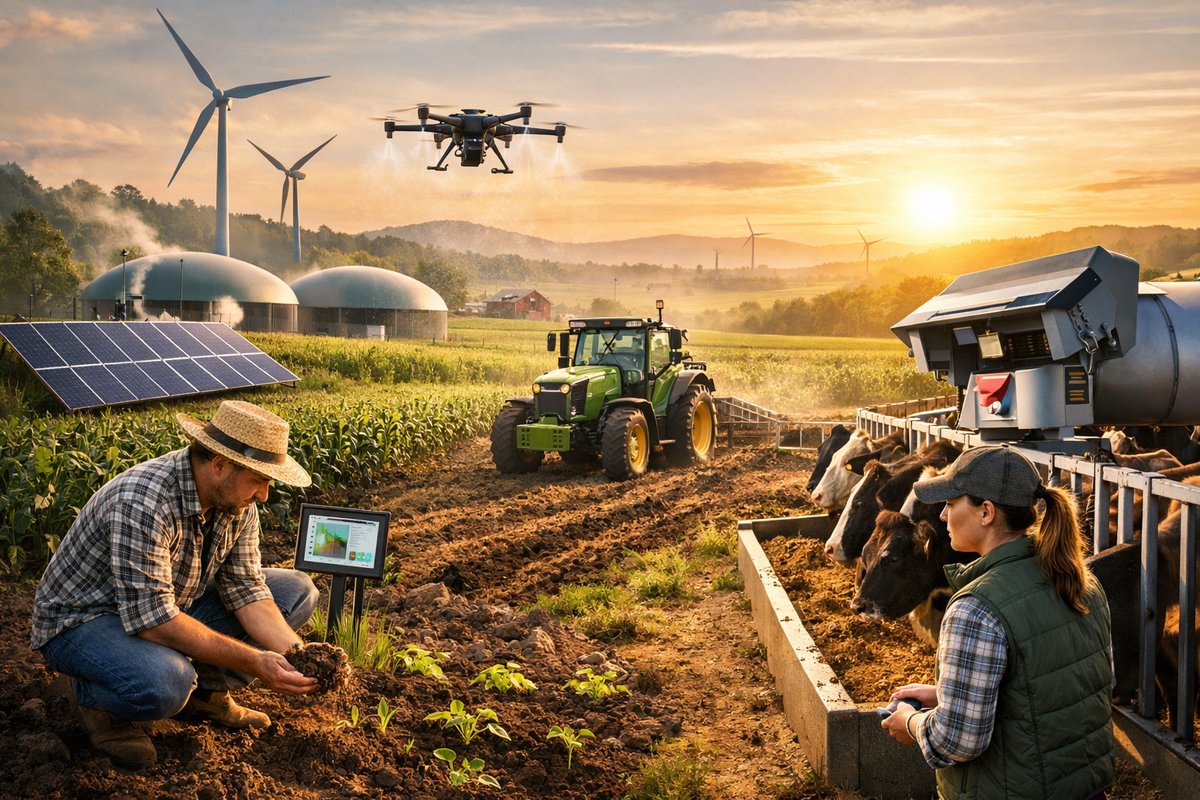
From soil regeneration to precision feeding and renewable energy, rural communities are embracing new methods that balance productivity with environmental stewardship. This article delves into the technologies, practices, and collaborative efforts driving a quieter revolution on farms and ranches.
Across rolling fields and open pastures, a wave of innovation is reshaping the way farms operate and livestock are cared for. Faced with unpredictable weather patterns, rising input costs, and growing consumer demand for ethically produced food, many farmers are moving beyond conventional methods. They are experimenting with data-driven approaches, regenerative grazing, and renewable energy solutions that promise to enhance yields and wellbeing while reducing ecological footprints. What emerges is a portrait of rural landscapes energized by both tradition and technology, where old wisdom meets new tools in service of healthier soils, happier animals, and more resilient communities.
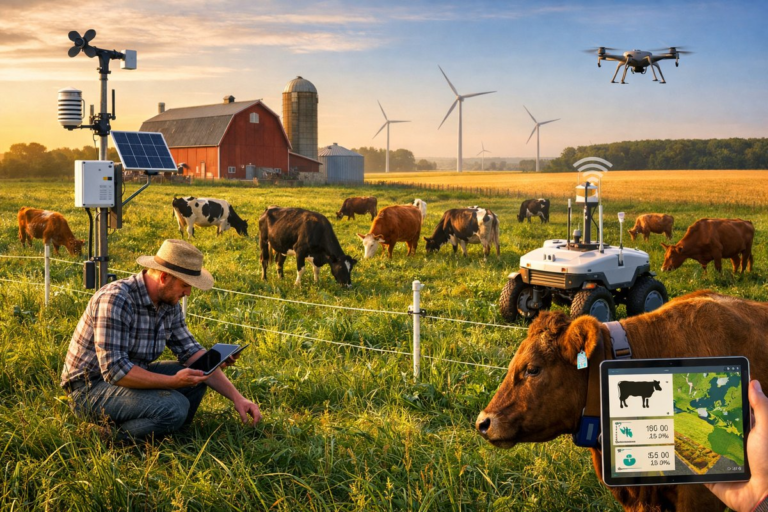
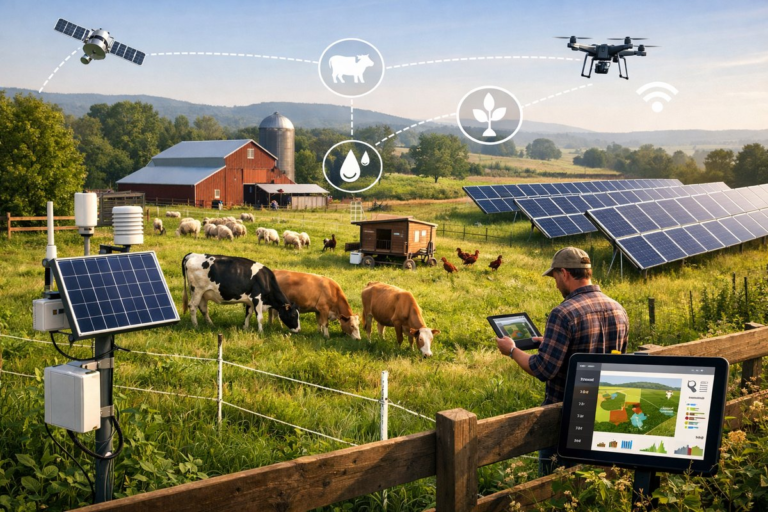
At the heart of this transformation lies precision agriculture. Small sensor nodes placed throughout crop fields now track soil moisture, temperature, pH and nutrient levels in real time. Drone-mounted cameras capture multispectral imagery that reveals plant stress before it’s visible to the naked eye. Smart irrigation systems respond automatically, delivering water only where and when it’s needed. In tandem, digital platforms collect and analyze this wealth of data, guiding decisions on planting dates, fertilizer rates, and pest interventions. By tailoring inputs to the actual demands of the land, farmers reduce waste, cut costs and safeguard natural resources.
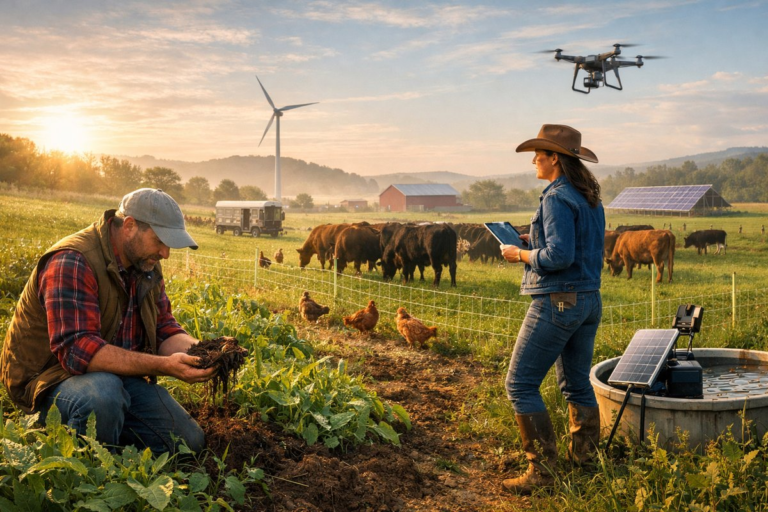
Regenerative farming has taken root as a complementary philosophy. Rather than merely sustaining yields, practitioners aim to restore soil structure and biodiversity. Techniques such as cover cropping, no-till planting and diversified crop rotations build organic matter and support beneficial microorganisms. Integrating livestock into cropping systems through rotational grazing further enriches the earth: as herds move between paddocks, they deposit manure, trample residue and stimulate plant regrowth. Over time, this living network of plants and animals stores more carbon underground and fosters healthier ecosystems that can better withstand drought or flooding.
Animal care is evolving in parallel. Beyond providing sufficient feed and shelter, many ranchers are adopting precision feeding regimens that balance nutrients to optimize growth and health while minimizing waste. Automated feeders dispense customized rations based on each animal’s age, weight and activity levels. Wearable sensors and RFID tags track vital signs and movement patterns, alerting farmers to early signs of illness or injury. This granular monitoring not only improves wellbeing but also reduces the need for blanket antibiotic treatments, aligning with consumer expectations for responsible husbandry.
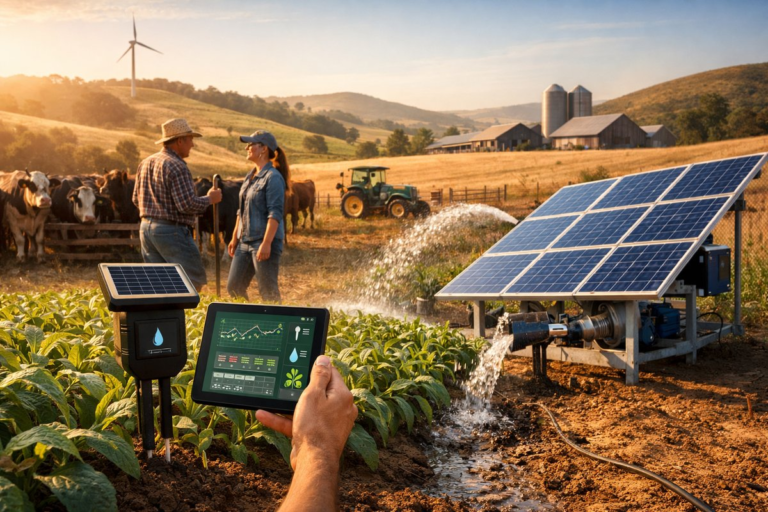
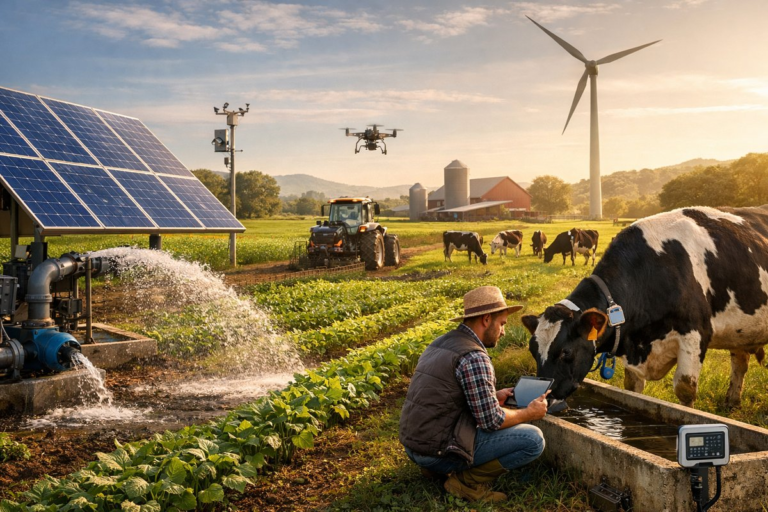
Energy demands on farms can be substantial, particularly for water pumping, climate control in barns and processing operations. Here, renewable options are proving both practical and cost-effective. Solar panels mounted on barn roofs or integrated into field fencing power water pumps for livestock troughs and drip irrigation lines. Small-scale wind turbines complement solar arrays in windy regions, supplying electricity for milking machines or cold storage units. These microgrids enhance reliability in remote areas and cut reliance on diesel generators. Net metering arrangements even allow excess power to be sold back to the grid, providing an additional income stream.
Water management itself has become more strategic. In dry regions, farmers are installing smart irrigation controllers linked to weather forecasts, soil sensors and satellite data. These systems calculate evapotranspiration rates and schedule watering cycles to match crop demand. Rainwater harvesting structures funnel runoff into ponds or underground cisterns, reducing dependence on wells and municipal supplies. On livestock operations, solar-powered pumps draw from these reservoirs, keeping troughs full without manual hauling. The result is improved conservation, lower utility bills and greater peace of mind during droughts.
Innovation, however, thrives on collaboration. Farmer cooperatives and regional networks have formed around shared interests in sustainable practices. Through workshops and field days, participants exchange insights on everything from compost tea recipes to drone flight paths. Cooperative bulk purchasing programs make it easier to invest in expensive equipment-soil sensors, seeding robots or anaerobic digesters-by spreading costs. Virtual forums and group messaging apps enable peer support and troubleshooting in real time, breaking down the isolation that can accompany farm life.
Financing these green transitions can be a hurdle, especially for small and mid-sized operations. Targeted loan programs, often backed by agricultural development agencies or impact investors, now offer favorable terms for projects that demonstrate environmental benefits. Carbon credit initiatives reward farmers who sequester carbon through regenerative practices or methane capture from manure digesters. Government cost-share programs reimburse a portion of expenses for fencing, water conservation measures or renewable energy installations. By blending public and private resources, these models reduce the barrier to entry and accelerate adoption.
One compelling example comes from a small dairy farm in the upper Midwest. Facing steep energy bills to cool milking parlor equipment, the owner installed a biogas digester that processes cow manure into methane. The gas fuels a generator, cutting utility costs by more than half, while the nutrient-rich effluent is pumped back as a liquid fertilizer for hayfields. Alongside this, a network of moisture sensors under pastureland ensures that forage crops receive just enough water, maximizing yields with minimal irrigation. These integrated systems have revitalized the farm’s bottom line and lowered its carbon footprint.
The ripple effects extend beyond individual homesteads. As rural economies diversify, local businesses offering installation, maintenance and data services spring up. Young people drawn by the prospect of high-tech farming are returning to family lands or launching new ventures in agritech. Educational institutions have responded with certificate programs in precision agriculture and regenerative livestock management, preparing the next generation of stewards. The synergy of economic opportunity and environmental responsibility is reshaping perceptions of rural life, making it an attractive career path.
Still, challenges remain. Upfront capital can deter adoption among under-resourced farms. Limited broadband connectivity in remote areas hampers data transfer and real-time monitoring. Digital literacy gaps make some technologies intimidating for those accustomed to analog methods. To bridge these divides, extension services and nonprofits are conducting on-site training and providing low-cost connectivity solutions. Open-source software tools and modular hardware kits also lower technical barriers, allowing farmers to customize systems at their own pace.
Looking ahead, the convergence of artificial intelligence, robotics and renewable energy promises yet more advances. Autonomous field robots could handle seeding, weeding and targeted spraying with a fraction of the labor. Machine-learning algorithms will refine nutrient management recommendations by integrating multisource data streams. Low-cost sensors embedded in livestock feed troughs will track intake and growth performance without manual weighing. Even blockchain-based traceability systems may emerge, enabling transparent farm-to-table supply chains that verify sustainable credentials.
The path forward is neither linear nor uniform. Each farm and ranch faces its own set of environmental, economic and social conditions. Yet the common thread is a spirit of experimentation and resilience. By blending time-honored practices with emerging tools, rural innovators are crafting systems that honor the land, support animal welfare and strengthen community ties. Their efforts illuminate a future in which agriculture is not just a source of sustenance but a dynamic engine for sustainable development and rural vitality.