Location
Mount Vernon, WA 98274
Location
Mount Vernon, WA 98274

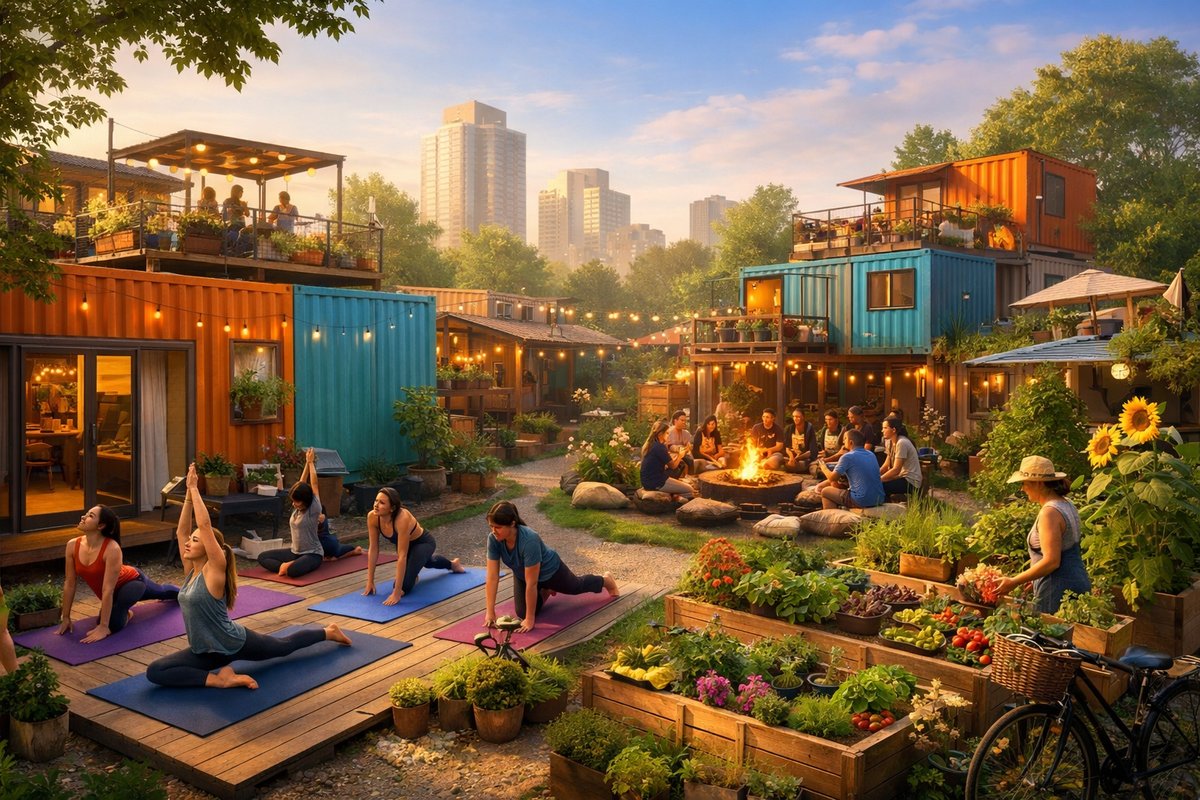
In a once-forgotten corner of the city, a handful of families transformed a cluster of neglected shipping containers into a thriving shared neighborhood. Through morning yoga, community gardening, and evening storytelling circles, they discovered that resilience grows best when roots intertwine.
When the sun rises over the high-rises on the city’s east side, the shipping containers don’t look like much to the untrained eye. Graffiti has been scrubbed away, fresh coats of paint catch the dawn light, and potted herbs spill over makeshift windowsills. Inside, neighbors lean into rolling yoga mats to greet the day. Elsewhere, you’ll find someone turning the pages of a leather-bound journal by the kettle, preparing a cup of chamomile tea. This once-forgotten lot has become a living testament to how small gestures and shared rituals can rebuild not only walls but also hearts.
It all began three years ago, when a group of single parents and recent retirees pooled their savings to lease the empty containers. Each unit was no bigger than a studio apartment, but that constraint became the spark for collaboration. One resident bought a stack of extra notebooks for everyone. Another brought in a dozen yoga mats salvaged from a closing studio. A third donated a cheap hand trowel and a packet of sunflower seeds. In time, that trio of items-journals, yoga mats, and garden tools-wove itself into the community’s daily lifesource.
The mornings start quietly, with a soft voice calling out “Good morning” in three different languages. Mats unfold on concrete pads, and a volunteer instructor leads a practice that focuses less on flexibility and more on gentle grounding. “I had a hard time getting up,” admits Marcos, a former warehouse worker who lost his job in a plant shutdown. “At first I thought, ‘Yoga? That’s not for me.’ But when you’re struggling to pay rent, to feed your kids, you learn that even a few deep breaths can feel like a life raft.”
Across the way, tea fogs the air. A communal electric kettle hisses, and neighbors dip porcelain infusers into steaming mugs. The ritual of brewing herbal blends-mint for digestion, chamomile for calm-creates pockets of peace before the day’s demands take hold. Some pass around the kettle to chat about job leads or childcare swaps. Others scribble in their journals, using ink to capture both gratitude and frustration.
“Writing has been the best therapy,” says Aisha, a single mother of two who once found words stuck behind a wall of fear. “The first time I opened that notebook, it was like meeting a stranger. I poured out every worry: my debts, my heartbreaks, my regrets. And then I realized that I could also write about hope.” She flips to a page filled with bullet points: “Plant more beans, call my sister, go to the park tomorrow.” The notebook becomes a ledger of resilience.
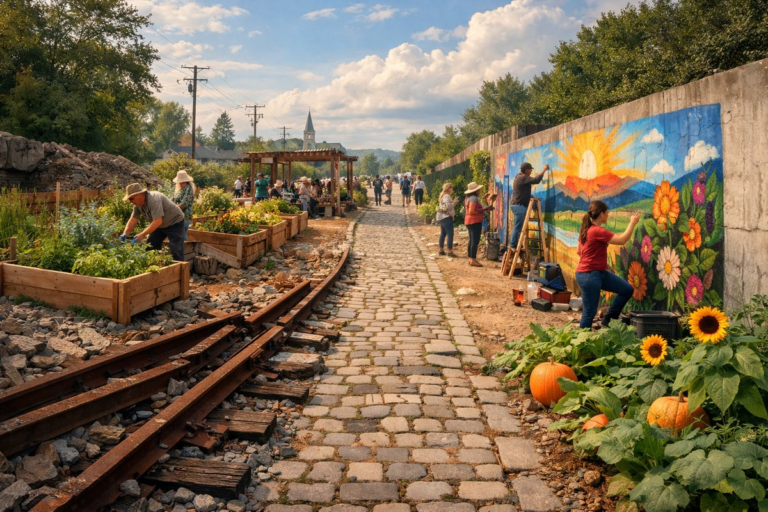
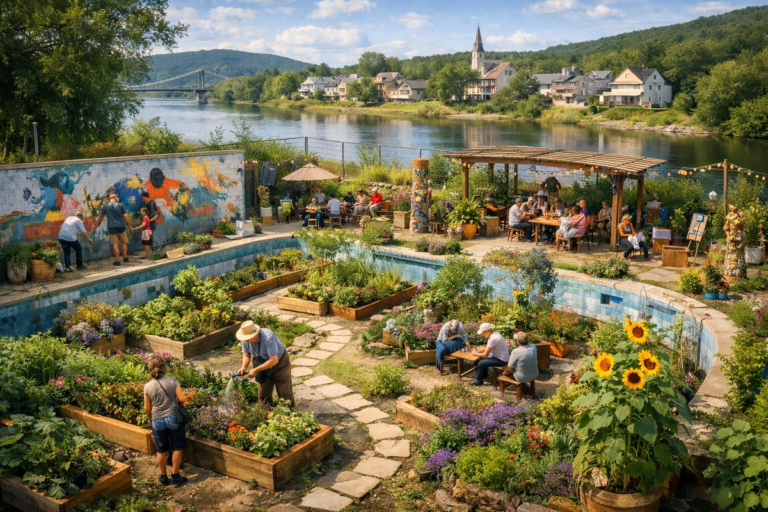
Each afternoon, the shared garden buzzes with purpose. Wooden raised beds stand side by side in a formerly barren patch of dirt. Neighbors take turns watering seedlings, pulling weeds, and harvesting fresh tomatoes for supper. Little hands help pack cherry tomatoes into cloth bags, while older residents recall the tastes of garden produce from their childhoods. The season’s success hinges on a simple toolkit-hand trowel, pruning shears, and sturdy gloves-but the real magic comes from the conversations that bloom beside the tomato vines.
Stories surface among the tomato leaves. There’s Fatima, who escaped political unrest and found asylum here, teaching others how to cook labneh on a portable induction plate. There’s Jacob, a retired schoolteacher who organizes impromptu reading circles under string lights as dusk settles. His small LED bulbs-strung between the container rooftops-cast a golden glow over pages in old hardcover books. He refuses payment; his reward is the sight of neighbors leaning in to catch every word.
Evenings hold the richest dialogues. People gather around low tables, sipping tea or cocoa from insulated bottles. Someone always pulls out a deck of mindfulness cards or a booklet of simple sketch prompts. By drawing or reflecting aloud, they give voice to past failures and future dreams. The hobby of coloring-and the laughter that follows over smeared crayons-becomes a balm to wounds you can’t see.
Yet the path hasn’t been without stumbles. Last summer brought a flash flood that swept through the site, bending steel frames and washing away fresh mulch. The group lost an entire season’s work in a single storm. But when the skies cleared, they reassembled under a borrowed tarp and replanted their beds. Donations of seeds and new garden gloves arrived the next week, sometimes delivered by strangers who had read about the community online. “That was the moment I knew we were part of something bigger,” says Marisol, a former nurse who now coordinates the food-sharing table.
Beyond the garden gates, neighbors have learned to trust one another with more than vegetable beds. There’s a lending library of power tools for small repairs. A low-cost clothing swap box sits beside the entrance. A whiteboard in the communal kitchen lists urgent needs: someone to volunteer for childcare, a driver for a medical appointment. Each request is met with an email alert, a text chain, and soon a volunteer on the doorstep.
This container village now counts more than 30 households. Yet it feels smaller than ever, because the bonds are tighter. Every breath taken in a shared morning stretch, every page turned by the kettle at dusk, every seed planted in hope has stitched a patchwork of stories into a living tapestry. Residents say they feel buoyed by the simple fact that someone out there cares about their next chapter.
Purpose, they’ve discovered, is often born in a circle of hands passing a journal around. It grows in the hush before everyone folds out their yoga mats. It ripens under community lights where bedtime stories merge with adult conversations about failure, redemption, and love. The ache of old scars softens when hands pull a ripe tomato from the vine. And when the long workday ends, the kettle still hisses, inviting strangers to become family over a quiet cup of tea.
In that corner of the city where forgotten containers once stood, lives now overflow with motion. Here, hope is measured not in grand gestures but in daily acts: tending a garden bed, writing down a fleeting idea, guiding a child’s hand in the coloring book. Their story reminds us that resilience isn’t an individual feat but a shared journey-one yoga breath, one page, one tomato at a time.