Location
Mount Vernon, WA 98274
Location
Mount Vernon, WA 98274

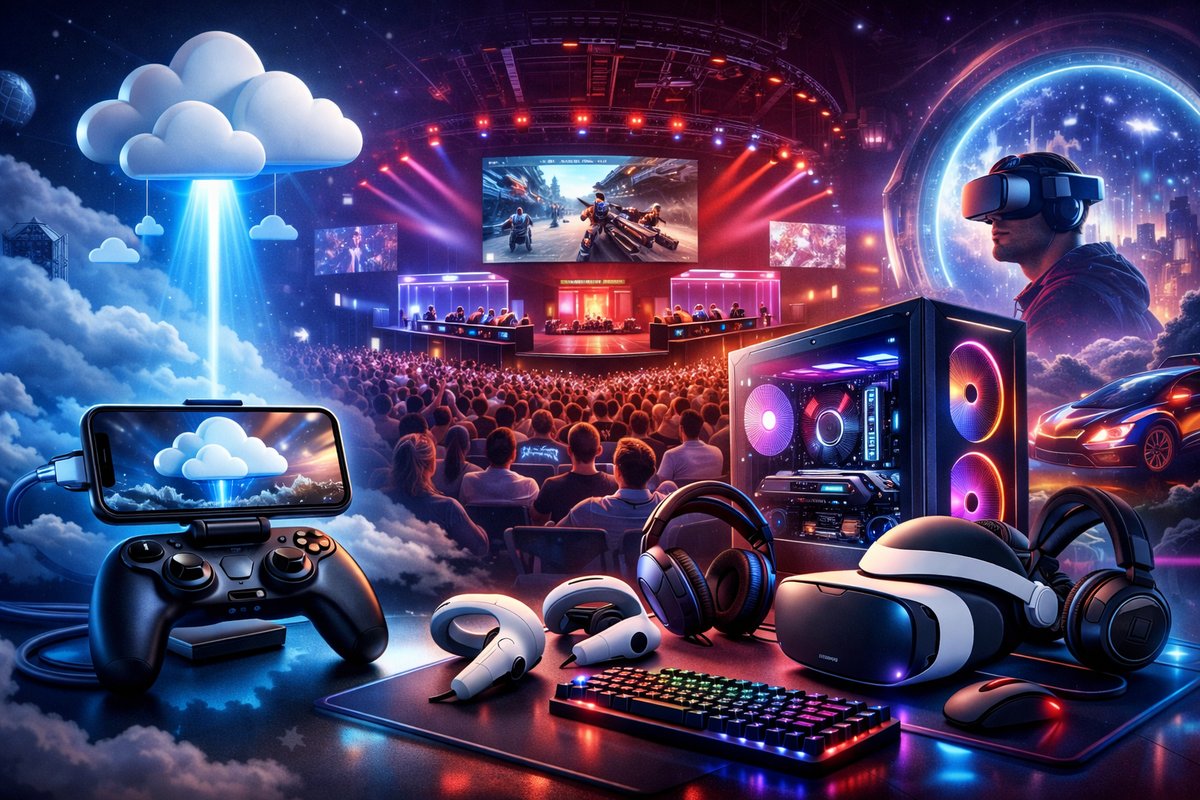
From jaw-dropping cloud gaming rollouts to record-shattering eSports viewership, the gaming world is charging ahead at full speed. Discover the latest hardware trends and immersive experiences that promise to redefine how we play, connect, and live within digital realms.
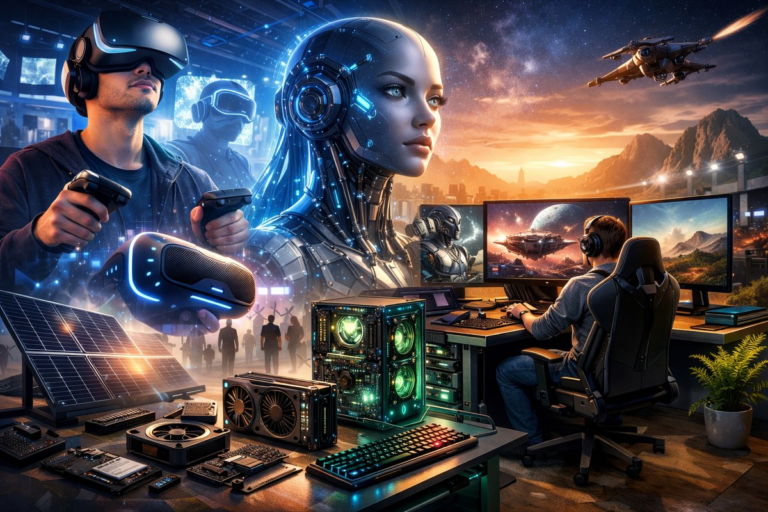
The global gaming landscape has never looked more dynamic. At the latest international Game Expo, announcements ranged from massive cloud-streaming expansions to entirely new virtual reality hubs. Game developers and technology providers are scrambling to deliver seamless cross-platform play, cinematic storytelling, and hardware that blurs the line between fantasy and reality. This convergence of software, online services, and physical gear underscores one truth: play has become serious business, and the tools we choose can make or break the next level of immersion.
One of the most talked-about reveals at the Expo was a new cloud gaming service extending into dozens more countries. Players no longer need top-tier hardware at home to run blockbuster titles at high fidelity-low-latency servers handle the heavy lifting, streaming crisp images and responsive input over high-speed internet. This shift promises to democratize access: anyone with a stable connection and a compatible controller can dive into the latest AAA releases. Industry analysts predict that this expansion will drive a 25 percent jump in cloud-gaming subscriptions within the next year, signaling a profound change in how games are distributed and consumed.
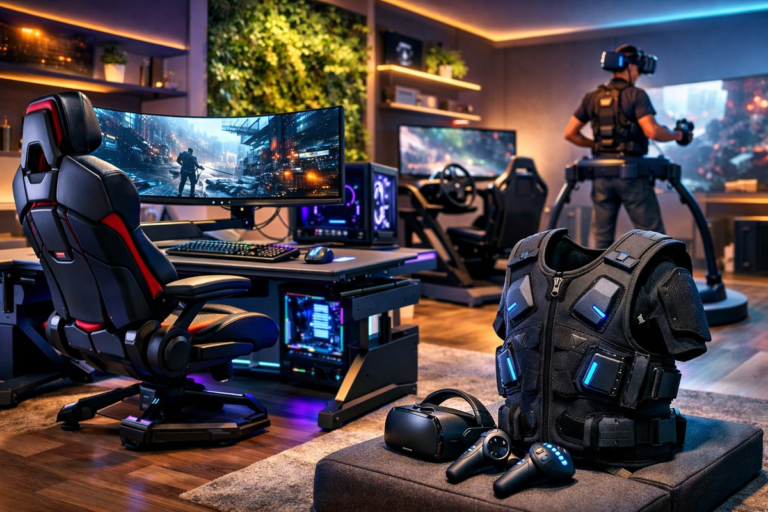
Alongside cloud announcements, several studios showcased their newest VR experiences. One booth featured a cooperative survival thriller set on an abandoned research station, where atmospheric sound design and motion-capture avatars heighten tension in every corridor. Another demo transported players to a vibrant fantasy kingdom, complete with dynamic weather and interactive NPCs that react naturally to voice commands. This next wave of virtual reality is less about gimmicks and more about emotional storytelling and deep social engagement. With headset prices inching downward and wireless options proliferating, VR is fast staking its claim as a mainstream entertainment platform.
Esports continues its meteoric rise. Last quarter’s major international tournament broke viewership records, drawing more than 45 million unique streams across multiple platforms. Sponsors from energy drinks to global automotive brands are lining up to reach a coveted young audience that values competition, spectacle, and community. Behind the scenes, organizers are deploying advanced broadcast tools-real-time analytics overlays, multi-angle spectator cams, and integrated chat features-to keep viewers glued to the action. This professionalization is elevating competitive gaming to the same league as traditional sports, with dedicated arenas, season-long leagues, and franchising deals that carry seven-figure price tags.
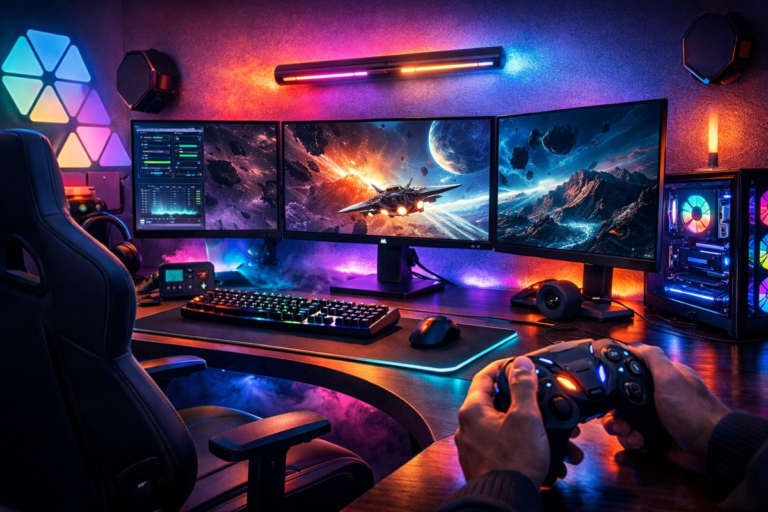
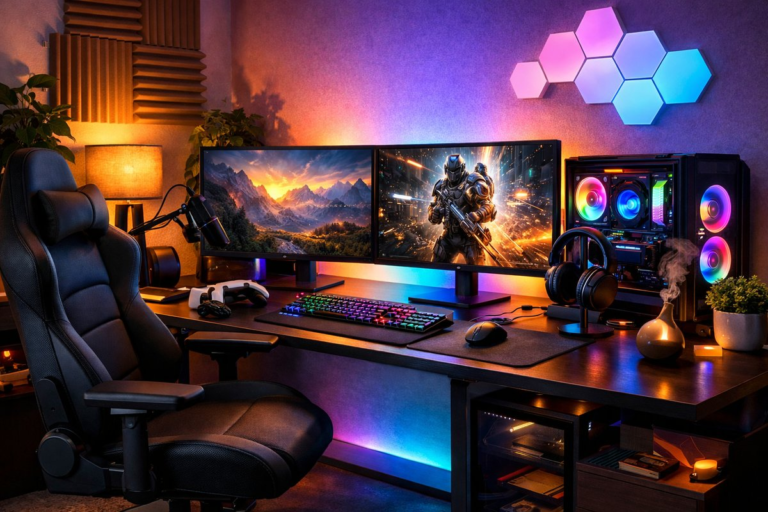
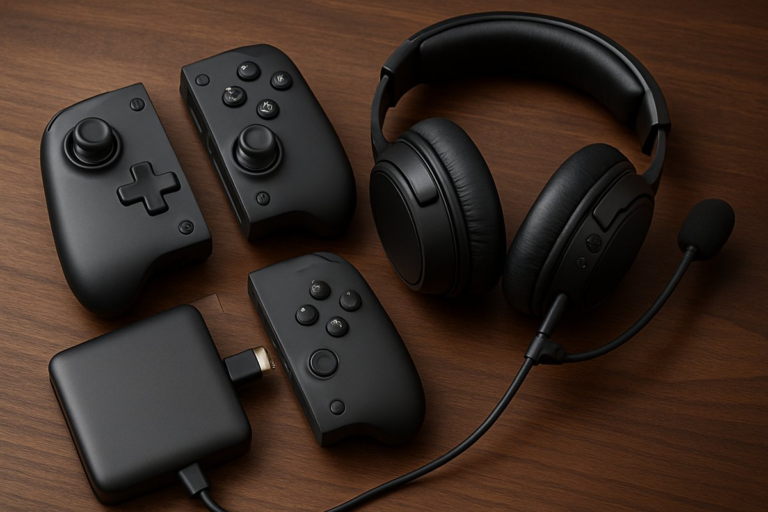
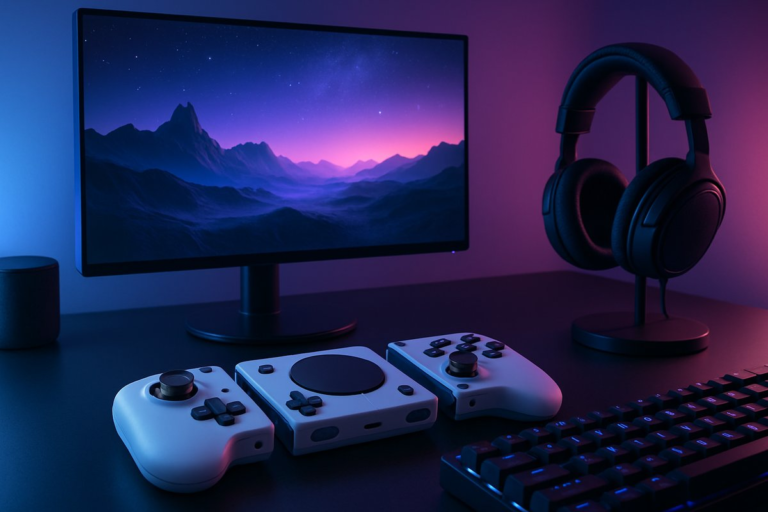
Meanwhile, front-room setups are seeing an upgrade renaissance. Gamers are investing in customizable controllers with modular thumbsticks, programmable paddles, and adjustable tension triggers. Mechanical keyboards with hot-swappable switches let players fine-tune every keystroke, balancing speed, feedback, and durability. On the audio side, surround-sound headsets with noise-cancelling microphones have become essential for both immersion and team communication. Lighting desks now often feature integrated RGB ecosystem panels, syncing in real time with on-screen events to heighten atmosphere and signal low health or incoming danger. These tools not only boost performance but also transform a bedroom corner into a full-blown gaming den.
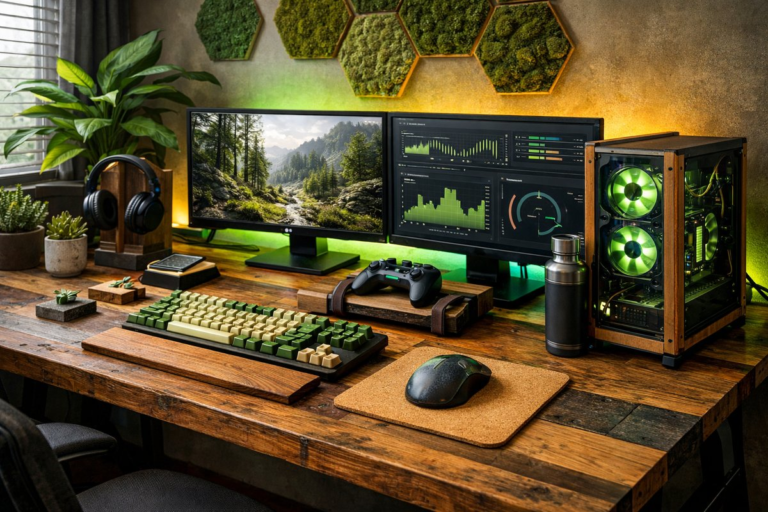
The push for sustainability has also reached gaming hardware. Some manufacturers are building peripherals with recycled plastics and low-power electronics. Packaging is slimming down, with clamshell designs that eliminate excess foam and single-use plastics. Even game studios are exploring digital-only releases to reduce disc production emissions. As consumers become more environmentally conscious, brands that demonstrate a genuine commitment to a greener footprint are gaining loyalty among eco-minded gamers and streamers.
Software trends are equally compelling. Adaptive difficulty algorithms powered by machine learning are tailoring game challenges in real time, so novices aren’t overwhelmed and veterans aren’t bored. Voice-driven interfaces are emerging, allowing players to issue tactical orders to squad members or solve environmental puzzles with verbal commands. AI-generated content-procedurally built worlds, character dialogue, and quests-offers near-infinite replay value. Of course, these advances raise questions about authorship, quality control, and the preservation of creative vision in an industry that has historically prized handcrafted experiences.
Social features remain a high priority. Developers are embedding streaming tools directly into game clients, making it easier than ever to broadcast sessions or clip highlight moments with one click. In-game hubs serve as meeting grounds, where friends can schedule matches, share custom cosmetic items, or co-design new levels. Cross-play compatibility continues to expand, breaking down walls between platforms so that console, PC, and handheld players can interact seamlessly. This emphasis on connection underscores a growing recognition that for many, gaming is as much about community as it is about the gameplay itself.
Education and wellness are finding their place in the gaming ecosystem, too. Serious titles built for training simulations are being adopted in fields from aviation to healthcare, using realistic physics and scenario-based scenarios to prepare professionals for high-stakes environments. On the mental health front, guided meditation apps are incorporating game-style reward loops, while fitness games track full-body motion and offer virtual personal training. This intersection of play and purposeful activity highlights how game engines and interactive design can drive positive real-world outcomes.
Looking ahead, analysts believe the biggest disruptor may be mixed reality headsets that combine transparent lenses with powerful graphics chips. These devices will overlay digital characters onto physical spaces, allowing players to battle holographic foes in their living rooms or collaborate on virtual projects in shared office environments. Early adopters predict a cultural shift as profound as the smartphone era; anyone from casual gamers to remote workers could find new ways to blend online content with everyday surroundings.
To thrive in this fast-moving arena, players and content creators alike need to invest wisely in their setups. A stable internet connection and a comfortable seating arrangement are foundational. Beyond that, consider peripherals that suit your personal style of play-precision tools for competitive shooters, tactile feedback surfaces for strategy titles, or immersive audio for narrative adventures. With so many options on the market, the key is balancing performance, ergonomics, and budget.
The story of today’s gaming industry is one of convergence: cloud-powered delivery meets bleeding-edge hardware meets social engagement and beyond. Whether you’re streaming the latest global tournament, exploring a hand-crafted open world, or fine-tuning your battlestation, the future of play is about choice and customization. As technology continues to evolve, so too will the ways we connect, compete, and create. For lifelong learners and weekend warriors alike, the next level of immersion is just around the corner-and it’s waiting for everyone to take part.