Location
Mount Vernon, WA 98274
Location
Mount Vernon, WA 98274

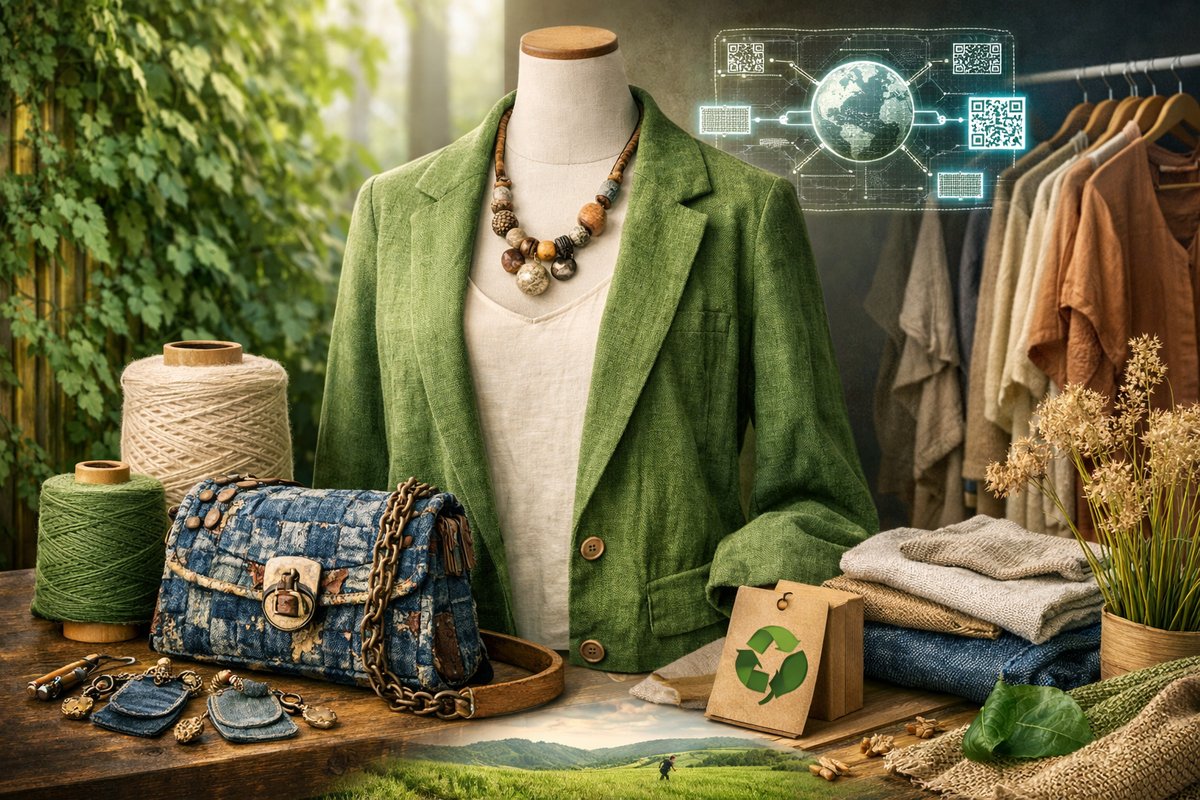
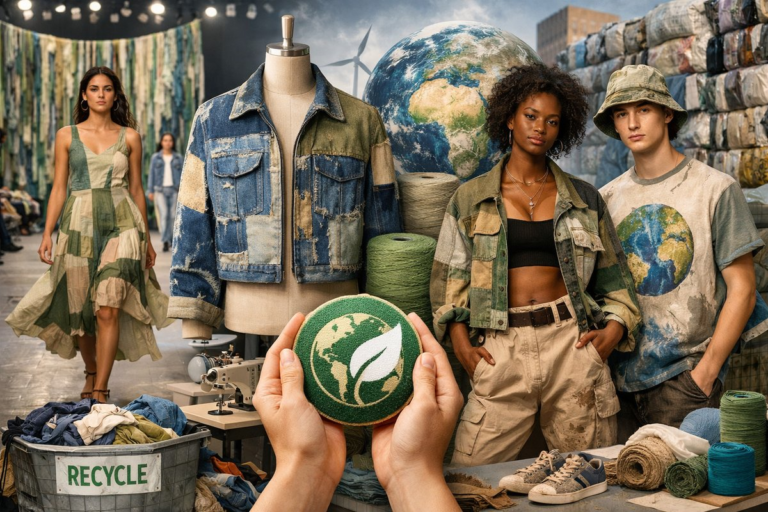
As consumers demand more transparency and eco-friendly materials, fashion is undergoing a profound shift from mass-produced basics to sustainable threads and bold, upcycled accessories. From regenerative fibers to blockchain-backed supply chains, the apparel sector is weaving together style, story, and social impact.
The apparel industry has reached a tipping point. Once driven by fast-fashion cycles and low-cost labor, brands and retailers are now racing to adopt sustainable materials, transparent processes, and circular business models. A recent industry report shows that more than half of global consumers now factor environmental and ethical considerations into their clothing purchases. This momentum has ignited innovation across the supply chain, giving rise to greener fibers, traceable sourcing platforms, and accessories crafted from reclaimed waste.
From plant-based leathers made with agricultural byproducts to regenerated nylon spun from discarded fishing nets, material science is rewriting the playbook for what we wear. Tech-driven startups are scaling up production of fibers like Tencel™ Lyocell-derived from responsibly harvested wood pulp-and recycled polyester sourced from plastic bottles. Meanwhile, regenerative agriculture initiatives are planting cover crops and rotating grazing animals to rehabilitate soil and capture carbon, creating natural fibers that carry a lower climate footprint than conventional cotton.
In the workshops of small-batch designers, Piñatex® pineapple leaf fiber is being woven into sneaker uppers, while experimental mushroom leather offers a cruelty-free alternative for handbags. Recycled denim programs have transformed post-consumer jeans into new indigo blends, closing a loop that once sent millions of garments to landfills each year. Even the dye stage is evolving: waterless dye reactors and natural pigment extraction methods are reducing chemical runoff and conserving billions of liters of freshwater annually.
Consumer behavior is shifting in tandem. Digital platforms now empower shoppers to scan QR codes on hangtags and trace a garment’s entire journey-from the farm where the cotton was grown to the factory floor where it was sewn. Social media challenges around clothing swaps and repair tutorials have gone viral, elevating mending skills and secondhand styling as acts of personal expression. Young shoppers in urban centers are no longer content with disposable wardrobes; they want garments that reflect their values and built-in stories to share.
To satisfy this demand for accountability, a new wave of transparency tools has emerged. Blockchain-enabled certificates can authenticate raw-material origins, while distributed ledger technology ensures that each transaction-fiber purchase, shipping milestone, factory audit-is immutably recorded. Several major retailers have launched digital “fashion passports” that aggregate certifications from organic-cotton bodies, fair-trade auditors, and carbon-offset registries, offering a unified view of a product’s credentials.
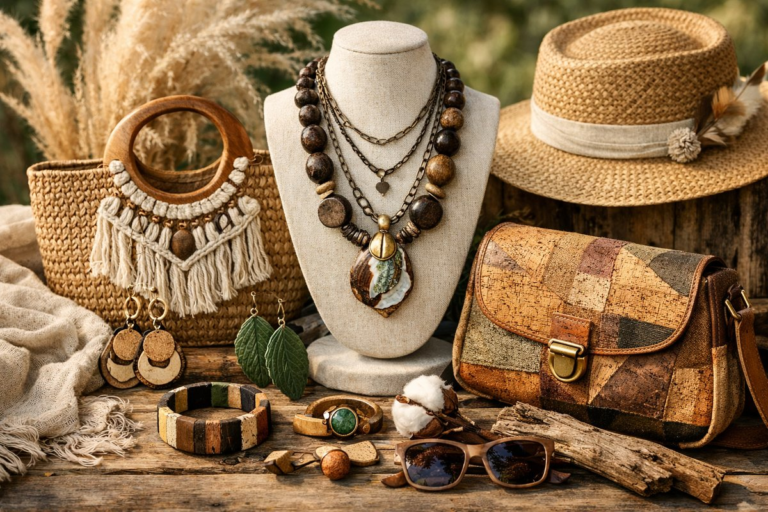
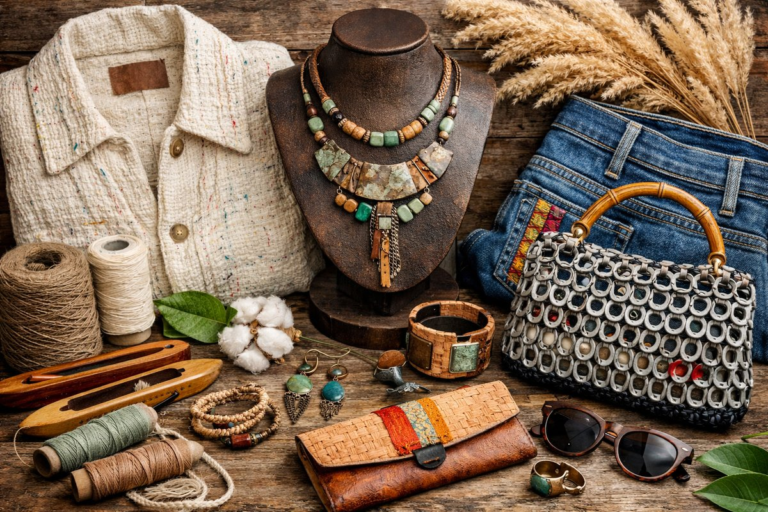
Bold accessories are riding this sustainable wave, too. Upcycled metal’s rough-hewn texture has become a signature for statement jewelry, and 3D-printed acrylics are being recast into sculptural earrings without any additional waste. Recycled ocean plastics have washed up on shorelines and are now being remolded into chunky belt buckles and sandal soles. Each piece is an opportunity to spark conversation about pollution, consumer habits, and the possibilities of material reuse.
Beyond the products themselves, business models are evolving. Peer-to-peer resale marketplaces now rival fast-fashion giants in monthly traffic, enabling wardrobes to change hands dozens of times before a final recycling stage. Rental services are catering to event dressing and office attire alike, unlocking high-end pieces for a fraction of their retail price and ensuring that no item spends more time hanging unworn than in rotation.
Technology is also seeping into the very fabrics we wear. Smart textiles that monitor body temperature, track posture, or even harvest solar energy are making headway in both activewear and streetwear. Researchers have developed conductive fibers that can bend and stretch without losing connectivity, paving the way for garments that charge your devices as you move through sunlight. These innovations hint at a future where clothing is not just passive cover but an interactive, energy-generating surface.
Yet challenges remain. Critics warn of greenwashing-marketing claims that outpace real impact-and the persistent cost gap between eco-materials and conventional alternatives. Scaling regenerative farms and low-impact dye facilities requires capital investment and months of certification processes. And while blockchain offers traceability, it does not guarantee labor rights compliance without rigorous on-the-ground audits.
Still, momentum builds as stakeholders from cotton growers to consumers align around circularity. Collaborative coalitions are forming to share best practices on waste reduction, livestock integration, and microfactory deployment. Even municipal governments are exploring textiles take-back laws, mandating that brands collect used clothing for recycling or refurbishment rather than sending it to incinerators.
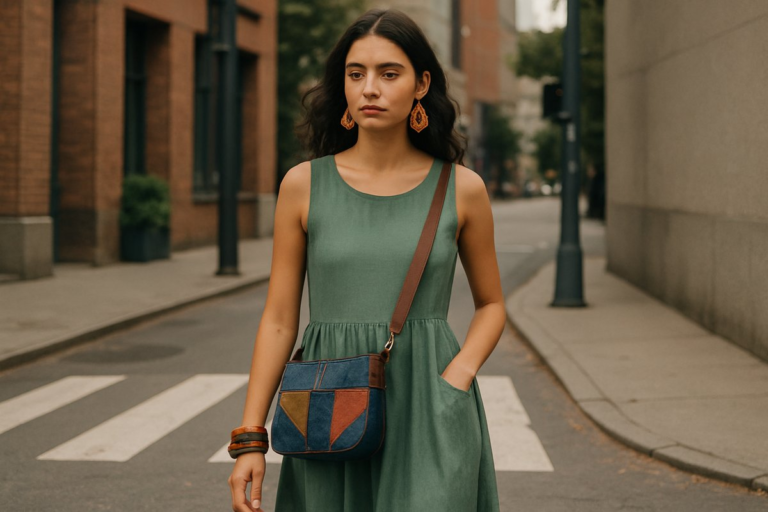
The next chapter of apparel will be written by those who insist that style and stewardship go hand in hand. Whether it’s choosing a crew-neck tee made from regenerated fibers, investing in a pair of sandals cast from recycled beach plastics, or simply patching and restyling a favorite garment, every action sends a signal. Fashion has always been a reflection of culture; now, more than ever, it’s a vehicle for change.
In a world of rapid trends and fleeting novelties, wearing your values has become the ultimate form of self-expression. The pieces you choose tell a story beyond aesthetics-about your place in the planet’s future, your commitment to community, and your belief in a circular economy. Step into this new era of apparel and let your wardrobe speak for you.