Location
Mount Vernon, WA 98274
Location
Mount Vernon, WA 98274

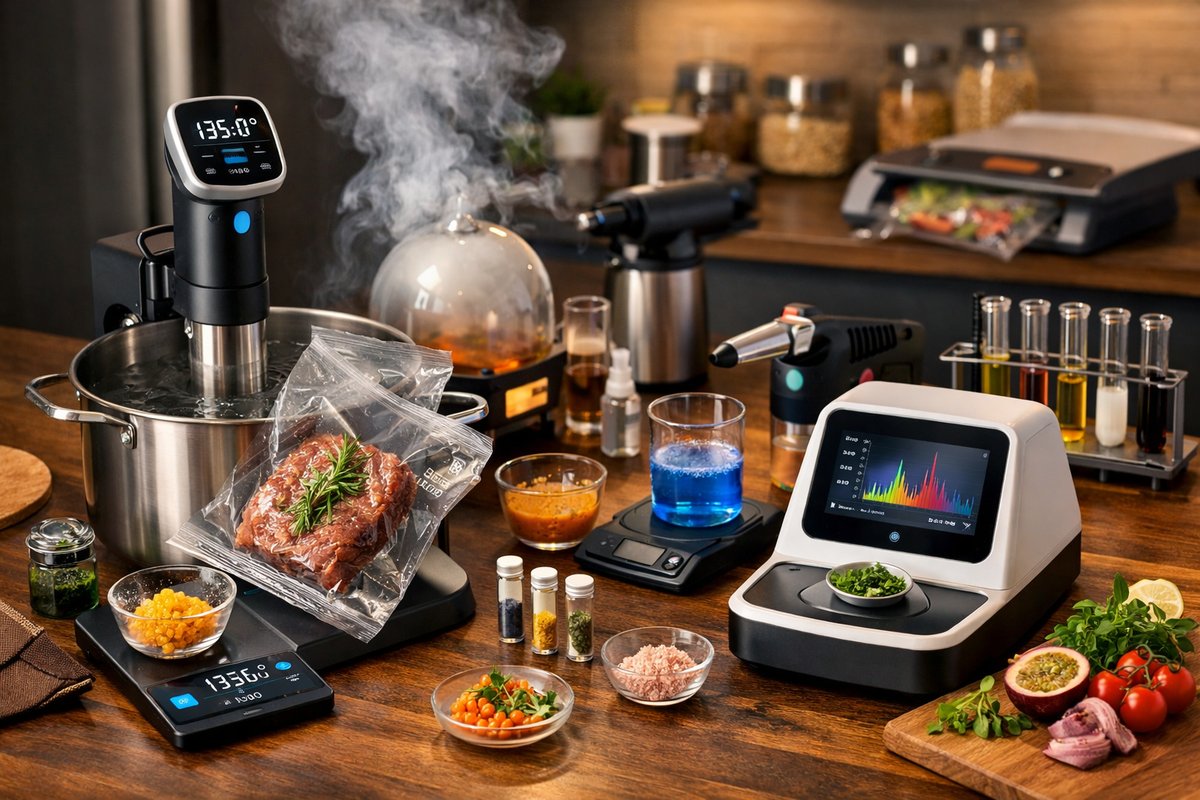
A wave of smart devices, precision tools, and experimental ingredients is transforming home cooking into a high-tech playground. From app-connected sous vide immersions to countertop spectral analyzers, curious cooks are rediscovering flavor through playful gadgets and rituals.
In kitchens around the world, a quiet revolution is underway. High-tech sensors and precision instruments once reserved for professional test kitchens are finding their way into home countertops, changing the way we shop, prep, cook, and savor every bite. What was once a niche pursuit-combining data-driven insights with age-old cooking rituals-is now a mainstream adventure in flavor.
Early adopters rave about the rise of app-connected scales that track nutrient profiles in real time, while weekend chefs compare vacuum-sealed cuts in online forums. The global connected kitchen appliances market has grown by over 12 percent annually in recent years, according to a leading industry report. Meanwhile, trade shows are showcasing countertop spectral analyzers once confined to laboratories: devices that measure color intensity and chemical markers to guide pairing decisions or reveal hidden freshness. This is not just about gadgets; it’s about a shift in mindset. Curious cooks are embracing modular tools and playful ingredients to turn every meal into a moment of discovery.
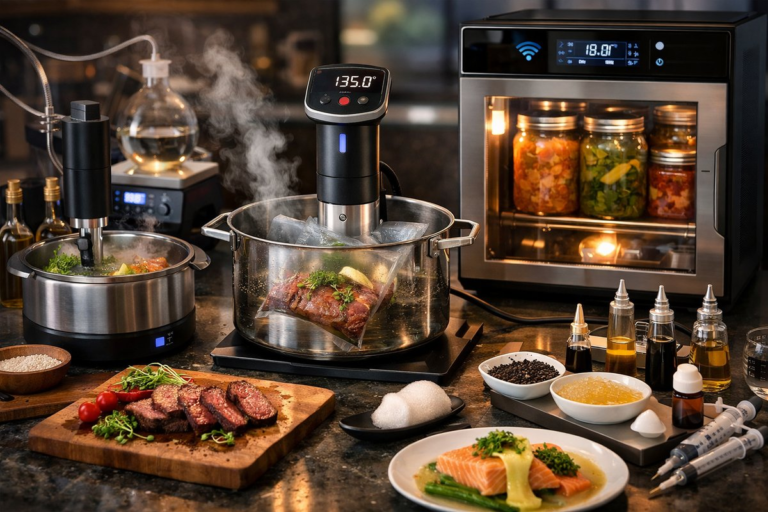
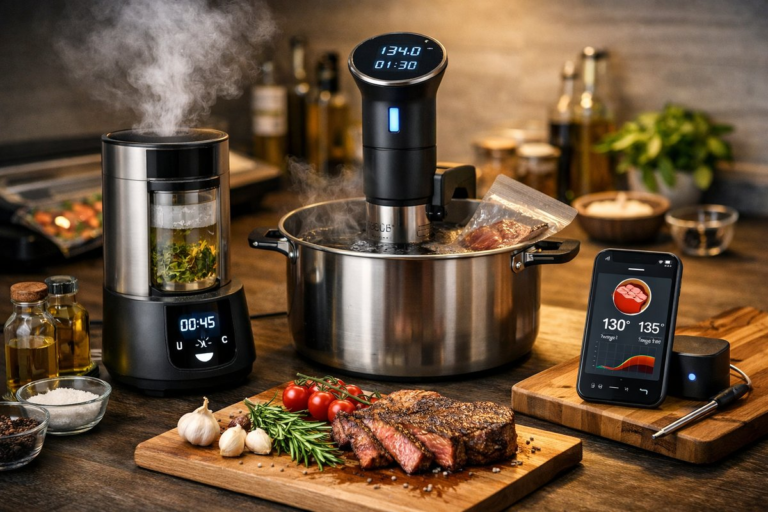
One recent demonstration at a major food technology expo featured a high-precision sous vide immersion system calibrated through a companion app. Attendees watched as a chef dropped a seasoned cut of protein into a water bath, monitored the temperature in 0.1-degree increments, and finished the steak on a multi-zone infrared sear plate. Sensors logged internal doneness, while the app suggested a citrus-garlic foam to complement the umami-rich juices. Such seamless integration of hardware, software, and molecular garnish is becoming more accessible to home cooks who crave restaurant-level consistency.
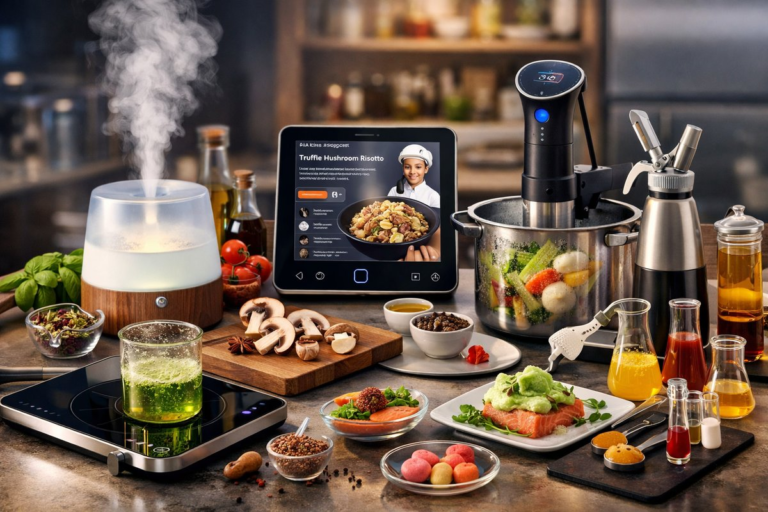
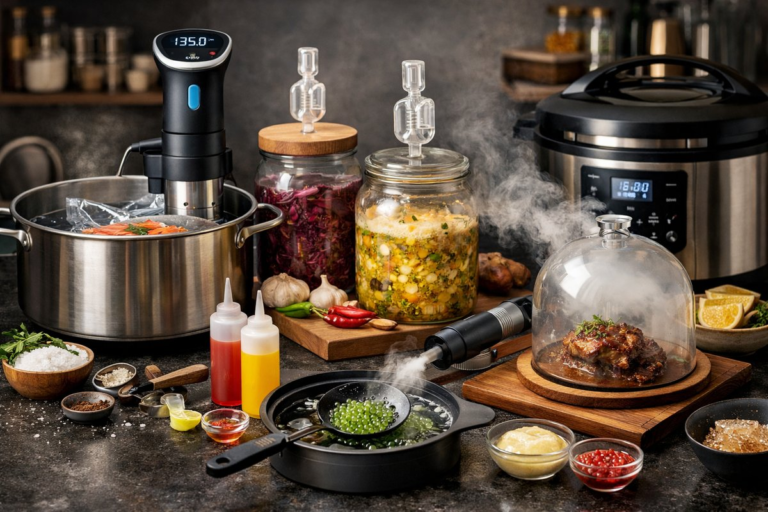
The popularity of molecular-inspired kits has also surged. Spherification trays, edible gels, and flavored foams once confined to sous chef playbooks are now packaged for at-home experimentation. Enthusiastic communities share recipes and troubleshoot techniques, turning the kitchen into a lab bench. One online forum recently celebrated a user’s seaweed-infused pearls suspended in chilled dashi broth-an homage to classic Japanese presentation with a modern twist. These playful ingredients invite everyone, from novices to seasoned hobbyists, to question conventions of texture and temperature.
At the heart of this movement lies precision. Smart kitchen scales that sync with recipe apps help cooks maintain consistent ratios, whether they’re balancing a spice blend or adjusting hydration in sourdough starters. Portable spectrometers-no larger than a smartphone-scan the surface of fruits and vegetables, quantifying sugar, moisture, and chill-chain integrity. Professional chefs praise these as tools for reducing waste: one study found that targeted data on ripeness and storage conditions can cut spoilage by up to 30 percent. For the home cook, that means less drawer-rot and more perfectly ripe avocados ready for guacamole.
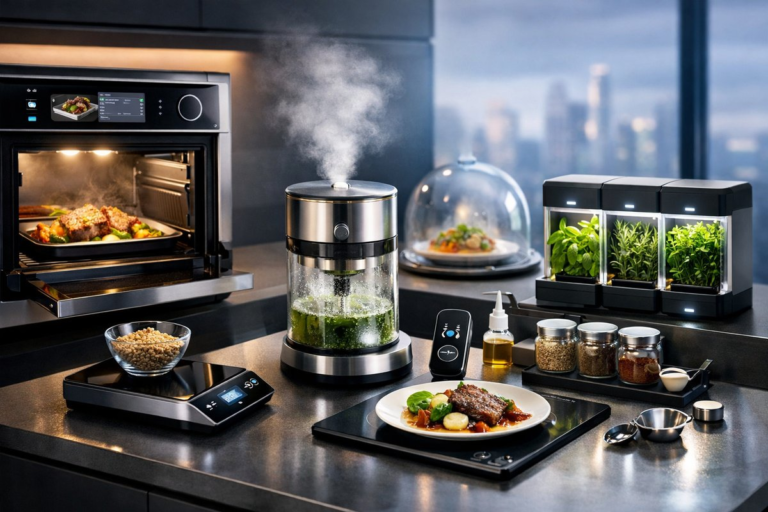
Another trend weaving through modern kitchens is the rise of multi-function countertop appliances. Pressure-steaming, air-crisping, and slow-cooking in a single sealed chamber offers speed and versatility without claiming extra countertop real estate. Programmable convection ovens now feature built-in humidity sensors, ensuring a dutch-oven style crust inside a draft-free cavity. Users can save custom profiles-one for fluffy rice, another for caramelized vegetables-eliminating guesswork on busy weeknights. The result is an ecosystem of interconnected tools that do more with less manual oversight.
Beyond hardware, ingredient innovation fuels the sensory journey. Fermentation kits for kombucha, kefir, and miso tap into centuries-old traditions. Transparent crocks with removable airlocks and temperature gauges allow users to track lactic acid development and experiment with custom spice blends. Artisanal finishing salts infused with smoked tea leaves or Pacific seaweed are packaged in clear glass canisters, calling attention to texture as much as taste. Even pantry staples like rice and lentils are reimagined through heirloom heir varieties, each boasting distinct amylose levels and nutritional profiles.
These developments aren’t only about novelty; they’re about forging emotional connections around food. At community pop-ups, home cooks set up demonstration stations, swapping tips on peel thickness for citrus zest or the ideal stir interval for emulsified sauces. Families host tasting nights where everyone contributes a slice of flavored ice tested with a handheld refractometer. The kitchen table transforms into a laboratory, a classroom, and a gallery of flavors.
Smart speakers and voice assistants have chipped in by reading recipes aloud, adjusting timers, and even offering substitution suggestions when pantry staples run low. Ask for a gluten-free swap, and a connected recipe app adjusts ingredient weights on the smart scale, displaying alternative measurement prompts on a countertop display. These assistants act as supportive sous chefs, guiding amateur cooks through complex techniques step by step.
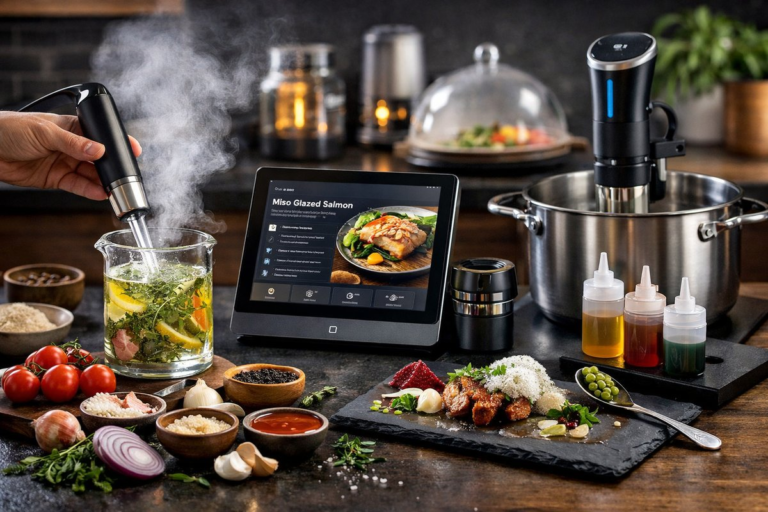
Amid rising interest in sustainability, chefs and home cooks alike are turning to upcycled ingredients. On the smart induction hob, a simmer of vegetable trimmings extracts micronutrients for broths, guided by pH sensors that signal when flavors peak. One sustainable dinner featured a drizzle of oil made from sprouted chickpea pulp, pressed in a small cold-press juicer. The result was a kitchen practice that minimized waste and maximized flavor compounds.
But it’s not just gadgets and gizmos. Ritual remains central. The act of feeding a starter culture, of hearing the hiss of hot oil in a well-calibrated pan, or of pressing fresh herbs with a microplane grater connects us to ancient practices even as we embrace future tech. Today’s cooks alternate between touchscreen interfaces and worn wooden spoons, weaving together the tactile and the digital.
Looking ahead, the horizon is bright. Advances in AI-powered recipe generation may soon offer custom flavor profiles based on genetic taste preferences or dietary needs. Virtual reality cooking classes could let you shadow a master chef in a digital kitchen, manipulating ingredients with hand-tracking gloves. Meanwhile, emerging materials like self-healing nonstick coatings and graphene-infused cookware promise durability and improved heat distribution.
What remains constant is curiosity. Whether you’re measuring salt concentration with an optical sensor or twisting a vintage pepper mill, the kitchen is a playground for discovery. In the coming years, expect to see more devices blur the line between culinary art and scientific inquiry. But through it all, the goal is simple: to transform everyday meals into moments worth savoring.
Flavor, after all, is an adventure that begins with a single ingredient and unfolds through technique, tool, and ritual. As kitchen technology continues to evolve, it invites us all to taste more deeply, experiment more boldly, and cook with more intention.
Long after the gadgets themselves become nostalgic relics, the joy of a perfectly seasoned bite will endure-and that, perhaps, is the sweetest innovation of all.