Location
Mount Vernon, WA 98274
Location
Mount Vernon, WA 98274

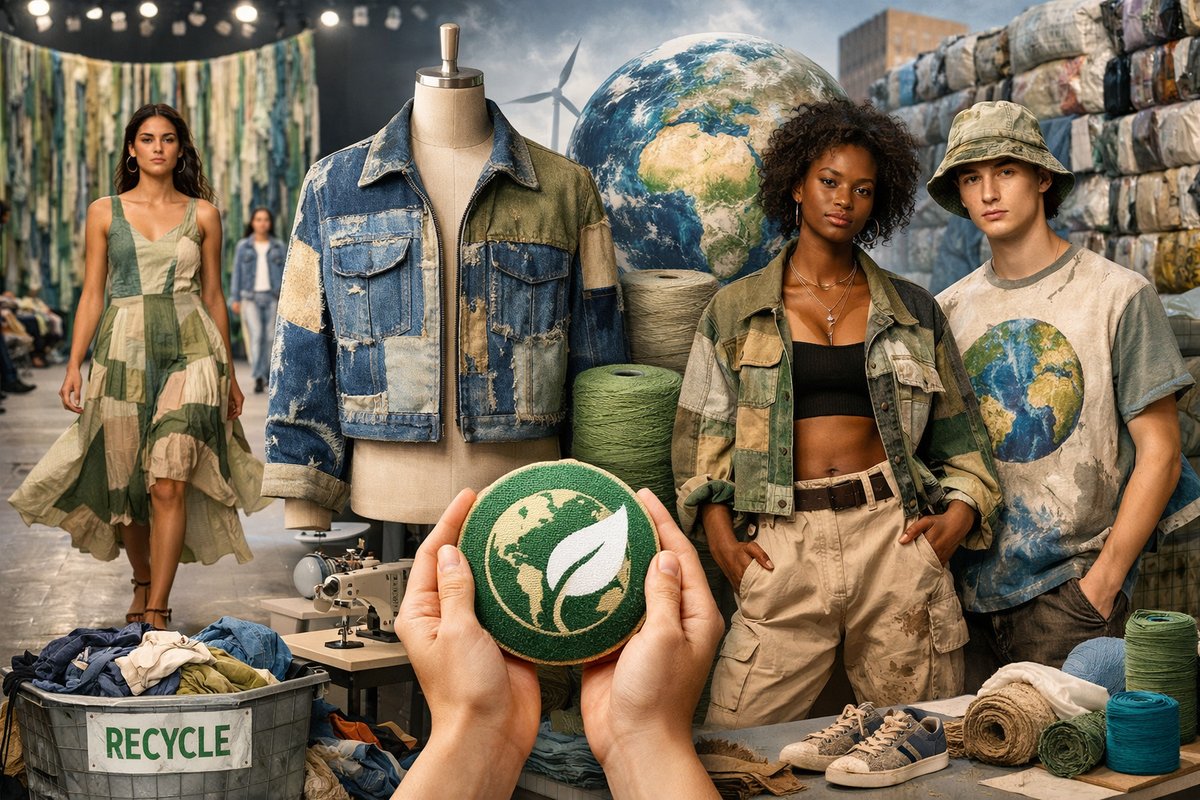
A wave of conscientious consumers is reshaping wardrobes around the globe, demanding transparency, eco-friendly materials and bold narratives from their clothing. From runways that spotlight recycled textiles to streetwear brands championing upcycling, the movement proves that fashion can be as ethical as it is expressive.
In a bright loft-turned-runway on the outskirts of a major metropolis, the latest wave of fashion pioneers showcased a lineup that read more like an environmental manifesto than a seasonal collection. Models stepped out in garments crafted from regenerated ocean plastics, organic hemp blends and naturally dyed linens. Complemented by sculptural accessories made of reclaimed metal and plant-based bioplastics, the presentation underscored a clear message: style and sustainability don’t have to compete-they can propel each other.
For years, sustainability has hovered at the margins of mainstream fashion reporting, relegated to niche brands and offbeat pop-ups. But in the past twelve months, an unexpected confluence of social media influencers, environmental campaigns and shifting consumer values has pushed eco-conscious apparel to center stage. Major retailers have begun carving out dedicated sections to certified organic cotton tees and recycled polyester windbreakers. Independent designers are securing prime real estate for plant-based leather satchels alongside the big names at high-end department stores. Even fast-fashion chains are experimenting with clothing rental platforms and take-back recycling programs.
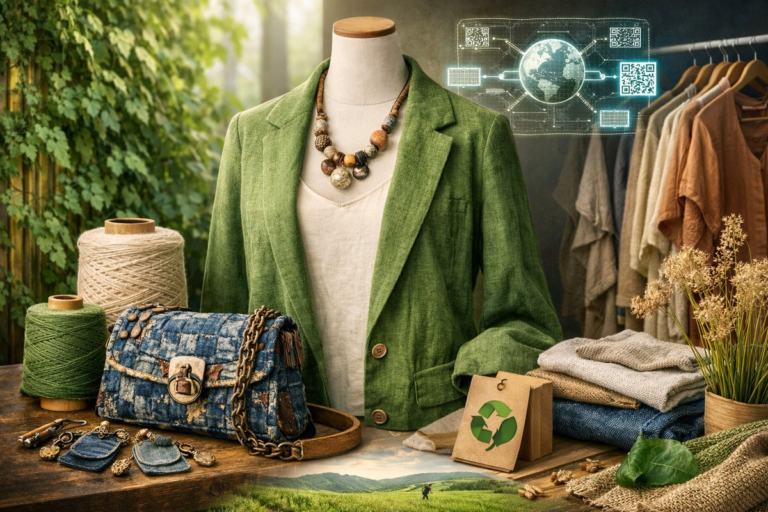
At the heart of this transformation is a renewed focus on supply-chain transparency. Shoppers today want to know exactly where a garment began its journey-whether its fibers were grown without pesticides in Central America or spun from post-consumer bottles in Southeast Asia. A handful of tech-enabled brands are issuing blockchain-backed digital IDs for each item, allowing customers to scan a garment’s tag and trace every dye bath, fiber origin and factory floor inspection. This granular data has become a selling point, empowering consumers to vote with their wallets for workers’ rights, reduced water usage and lower carbon footprints.
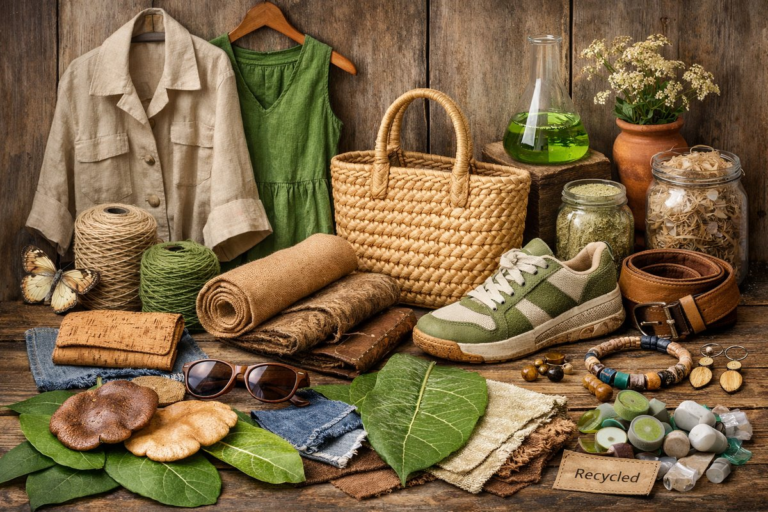
Material innovation is another defining feature of the movement. Traditionally touted as the gold standard for sustainability, organic cotton has been joined by lesser-known alternatives: mushroom-based leather substitutes, nettle fiber knits and seaweed-sourced dyes. A recent pilot project in Northern Europe spun a biodegradable yarn from algae biomass, which delivers a soft handfeel and neutral tones without any chemical treatments. Meanwhile, recycled polyester-once criticized for microplastic pollution-has been refined through new filtration technology that captures residues and allows for multiple loops of repurposing.
But sustainability alone does not sell out runway shows. Attendees at a recent eco-fashion event praised designers for marrying environmental integrity with compelling aesthetics. Oversized utilitarian jackets made from lightweight recycled nylon featured angular pleats and true-blue maritime hues. A gown woven from hand-dyed bamboo slub jersey glided across the stage, its irregular texture echoing artisanal techniques. Accessories struck an equally bold tone: geometric resin earrings embedded with wildflower petals, sculptural purses carved from reclaimed skateboard decks.
This fusion of craft and cause has profound implications for smaller labels. In neighborhoods known for vintage markets and independent boutiques, pop-ups are transforming into dynamic galleries where each piece tells a story. A handcrafted scarf dyed with coffee husks becomes a conversation starter about agricultural waste. A pair of recycled metal hoop earrings reveals its past life as discarded fishing gear. By sharing these narratives on social media and through in-store tagging, small brands are building a direct connection between consumer curiosity and creative purpose.
Yet challenges remain as the industry scales. Some critics point to the rise of “greenhushing,” where companies highlight sustainability initiatives in private reports but remain silent in marketing to avoid accusations of greenwashing. Others note that the price premium for certified eco-fabrics can still put them out of reach for budget-conscious shoppers. And transparency tools like blockchain IDs face adoption hurdles-smaller suppliers may lack the tech infrastructure to participate, leaving gaps in the story.
To address these issues, a growing consortium of designers, fabric mills and non-profit auditors has formed a collaborative network. The group hosts quarterly workshops on regenerative farming practices, hosts pop-up dye labs in partnership with local universities and provides microgrants for emerging talent in low-income communities. Early reports suggest these investments are paying off: small brands receiving support have seen a 30 percent uptick in wholesale orders, while mills adopting better water management protocols report up to 40 percent reductions in consumption.
Consumers are also stepping up. A recent survey found that 72 percent of respondents are willing to pay more for clothing with verifiable social and environmental credentials. Far from a millennial-centric trend, willingness climbed across age brackets, indicating that the desire to “wear your values” is permeating broader demographics. Online forums dedicated to sustainable swaps are flourishing, with members trading location-based recommendations for local thrift stores, repair cafes and zero-waste markets.
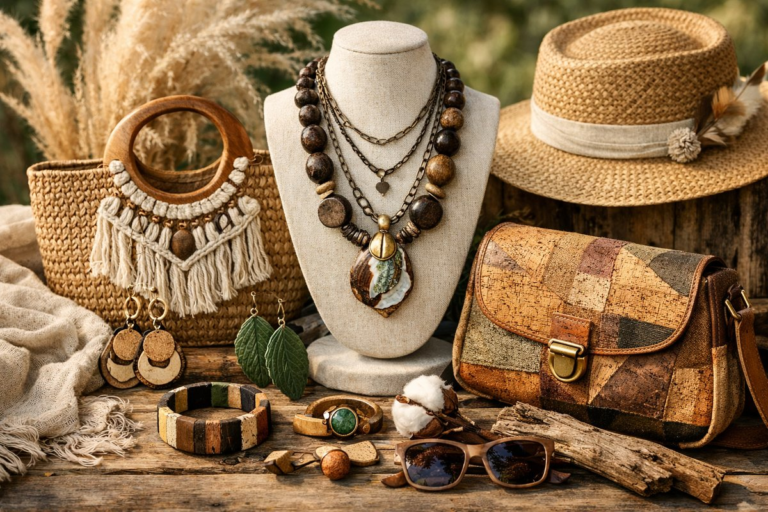
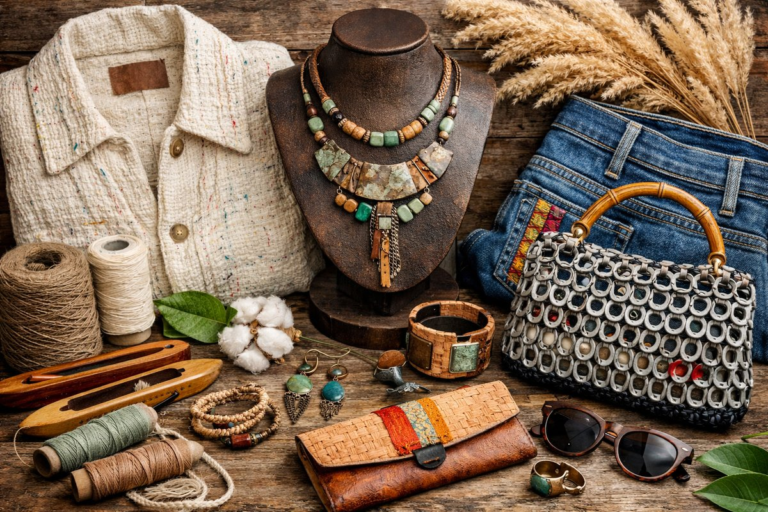
On the accessory front, ingenuity abounds. In coastal communities, artisans are weaving thatch hats from seagrass and adorning them with driftwood beads. Urban makers are turning waste leather scraps into mosaic mosaics of tote bags. Even jewelry has entered the circular economy: chains forged from recycled silver and glass pendants cast from melted beverage bottles have become best-sellers in both physical shops and curated online platforms.
Ultimately, the momentum of wear-your-values fashion speaks to a deeper shift in consumer expectations. Shoppers no longer view their wardrobe as a passive transaction; they seek active participation in broader social and environmental solutions. Every purchase becomes a statement-about labor practices, agricultural stewardship, wildlife conservation or cultural heritage. Retailers and designers recognize that message, embedding QR codes in hangtags that link to photo essays of cotton fields, worker cooperatives and zero-waste dye houses.
Even as high-tech innovations like lab-grown textiles and AI-driven design tools capture headlines, there’s a humbler current running in parallel: the revival of traditional crafts. Communities once overlooked by the global supply chain are regaining agency, reviving indigo dyeing, palm-leaf weaving and hand block printing. These methods not only produce unique textures and colorways, but also foster resilient economic ecosystems in remote villages. Fashion weeks now feature panels on “craft corridors,” exploring how small-scale artisans can integrate selectively with international brands while retaining creative control.
As the industry continues to evolve, one thing is clear: the story behind each garment is as important as its silhouette. Whether it’s a tech-enabled jacket that tracks GPS coordinates of the recycled bottles in its lining, or a statement necklace that once shimmered on coastal fishing nets, wear-your-values fashion offers depth beyond fabric. In a marketplace overcrowded with fleeting trends, this enduring narrative approach may be the most fashionable statement of all.
In a world chasing speed and novelty, the resurgence of mindful craftsmanship delivers a welcome pause-a moment to ask where our clothes come from and where they might go next. By weaving together innovation, transparency and authenticity, the new wave of apparel reminds us that every piece we choose can carry a purpose, a provenance and a promise of better tomorrows. And with that, style finds its substance.