Location
Mount Vernon, WA 98274
Location
Mount Vernon, WA 98274

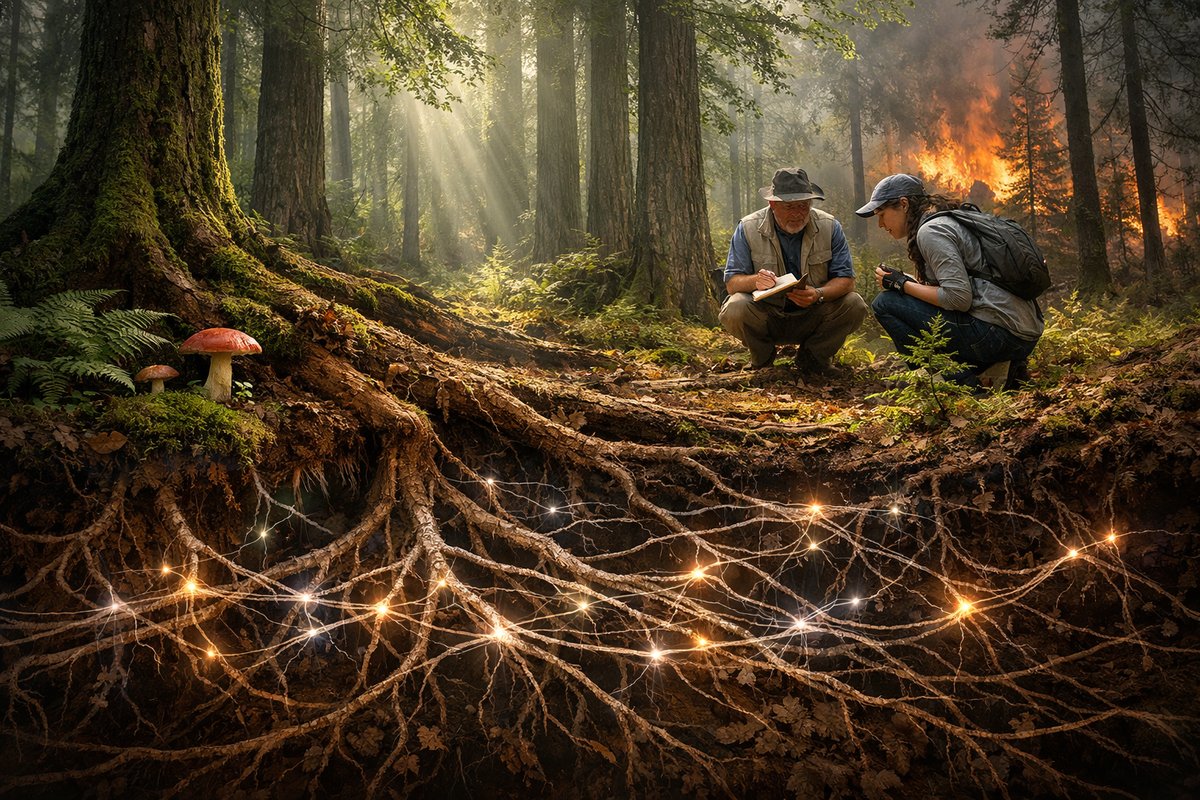
Beneath the towering canopy of old-growth woodlands, a hidden network of fungal threads knits tree roots together in an ancient alliance. New research reveals how these mycorrhizal connections boost forest resilience against drought, pests, and fire-and how community scientists can join the effort to protect these vital ecosystems.
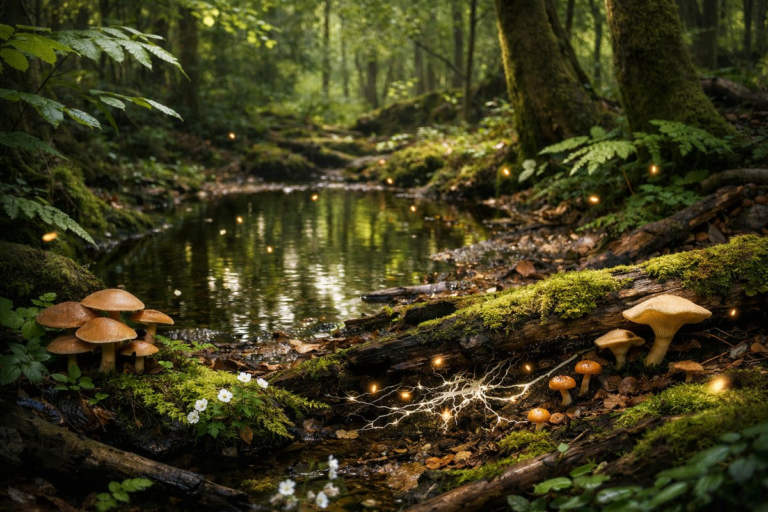
On a misty morning in a coastal temperate forest, beams of soft light filter through emerald leaves, illuminating a labyrinth of mossy logs and fern carpets. Here, away from the roar of highways and the glare of urban lights, life unfolds in quiet collaboration. Recent studies of mycorrhizal fungi-microscopic filaments that entwine with tree roots-have shed fresh light on the unseen alliances holding forests together in the face of climate upheaval.
These underground networks, often called the “wood wide web,” transport water, nutrients, and chemical signals among trees and understory plants, knitting individuals into a community that shares resources. In a comprehensive survey published late last spring, ecologists mapped fungal connections across a 500-acre old-growth preserve. Using soil DNA sequencing and thousands of moisture probes, they found that interconnected trees suffered 30 percent less drought stress than isolated specimens during an unusually dry season.
“We’ve known that fungi are important partners for plants, but the extent of their support in real-world forests took us by surprise,” says one of the lead researchers. When a drought stalled new leaf growth throughout the region, patches with stronger fungal connectivity retained lush foliage weeks longer than other stands. That extra time can mean the difference between stunted regeneration and a robust canopy that continues to sequester carbon.
Across the academic community, there’s growing excitement about how these findings could inform forest restoration and fire management. In Mediterranean-climate woodlands of California and southern Europe, researchers are experimenting with inoculating young seedlings with local mycorrhizal strains before planting. Early trials show higher survival rates and faster root development, reducing the need for supplemental irrigation-an important advantage where water is scarce.
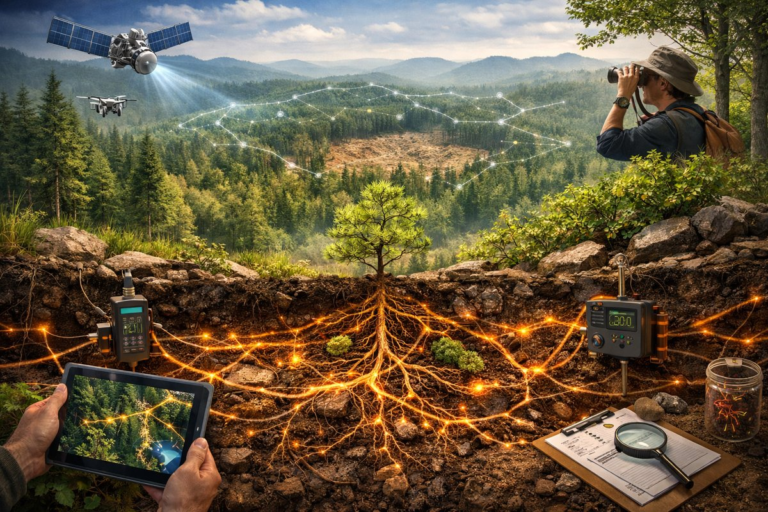
Meanwhile, satellite imagery and field sensors are painting a grander picture of how fungal networks respond to heat waves and wildfires. After a severe fire season two years ago, ecologists returned to charred landscapes to test soil health. Even in burn zones, some fungal strains persisted deep underground, poised to reconnect with new saplings. These resilient lineages are now under scrutiny as candidates for targeted restoration efforts, aiming to jump-start degraded soils and help forests regenerate more rapidly.
Yet the challenge extends beyond fire and drought. In northern boreal forests, rising temperatures have invited bark beetles to outbreak levels once checked by colder winters. As infested stands collapse, the fungal web can offer a lifeline to survivors, routing nutrients from healthy trees to those weakened by pests. But if beetle-driven mortality accelerates, the network itself risks fragmentation, leaving patches disconnected and more vulnerable to further stress.
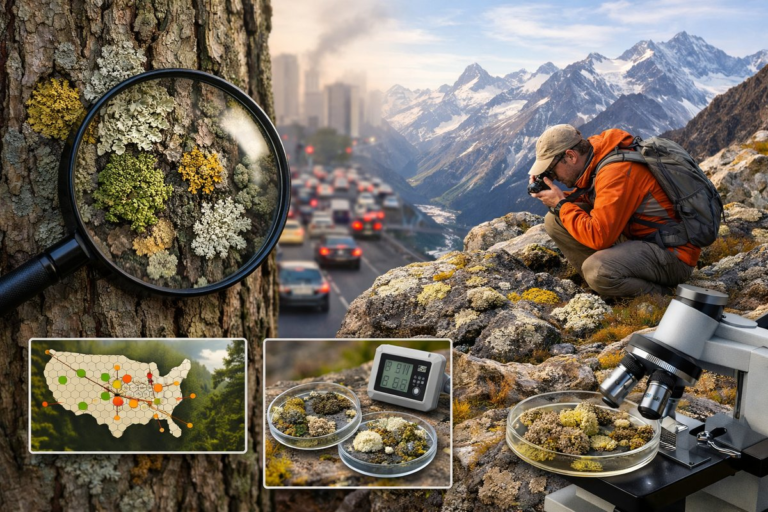
In Canada’s Yukon Territory, a community science project has sprung up to monitor fungal diversity and forest health. Volunteers learn to collect small soil cores, press leaf litter onto petri dishes, and identify fungal species under field microscopes. These data feed into a national database that tracks changes over time, flagging areas where intervention may be needed before forest decline sets in.
“Joining the effort transformed how I see the woods around me,” shares one participant. “Collecting samples taught me to notice subtle shifts in soil moisture and plant color, clues that the community is under pressure.” Such local engagement is proving essential. Researchers simply can’t cover every hectare of threatened forest, especially in rugged or remote terrain. Citizen contributions multiply the reach of formal studies, offering early warning of ecological stressors.
Beyond data collection, these projects cultivate a sense of belonging. For many volunteers, the act of documenting fungal partners fosters emotional ties to the land. In turn, that connection fuels advocacy and sustainable stewardship-key ingredients in any long-term conservation strategy.
Of course, protecting fungal networks isn’t just about planting inoculated seedlings or uploading data points. It requires broader policies that curb deforestation, reduce greenhouse gas emissions, and preserve soil integrity. Agroforestry systems, where farmers integrate trees into crop fields, can maintain mycorrhizal connectivity across working landscapes. Low-impact logging practices that leave fallen logs and root mats intact help preserve belowground communities even in managed stands.
One fascinating case comes from mixed-production forests in northern Europe. Harvest rotations are now planned around fungal life cycles, staggering cut blocks so that intact refuges seed recolonization in newly logged areas. Managers also restrict heavy machinery during wet seasons to prevent soil compaction, ensuring that the delicate network of filaments isn’t crushed beneath tire treads.
Looking ahead, scientists are developing remote sensors capable of detecting fungal activity through subtle shifts in soil temperature and moisture conductivity. These devices could allow year-round monitoring of underground networks, alerting managers to severed connections long before aboveground symptoms emerge. Coupled with real-time weather data and machine learning models, forest managers could predict vulnerability hotspots and deploy targeted interventions-whether replanting, controlled burns, or pest controls-more efficiently than ever before.
At the same time, advocates emphasize that preserving forest resilience must be a global effort. Fungal partnerships in tropical rainforests differ from those in temperate zones or boreal regions. Each biome hosts unique species adapted to local soils and climates. International collaboration on mycological research is crucial to build a diverse toolkit of fungal strains for restoration worldwide.
As you lace up your boots and step into the cathedral of trees, remember that what you see is only half the story. Underfoot, millions of microscopic threads pulse with life, weaving a silent symphony of survival. In an era of unprecedented change, these alliances offer a blueprint for resilience-teaching us that thriving ecosystems depend not on individual strength, but on cooperation, connectivity, and care.
Whether you’re a forest manager planning the next restoration project or a weekend hiker tracking local species, there’s a role for everyone in this unfolding story. By observing, recording, or simply marveling at the hidden world beneath your feet, you become part of a larger circle that spans continents, climates, and generations. After all, tending to these underground alliances may be one of our best hopes for ensuring forests continue to breathe, grow, and sustain life in the centuries to come.