Location
Mount Vernon, WA 98274
Location
Mount Vernon, WA 98274

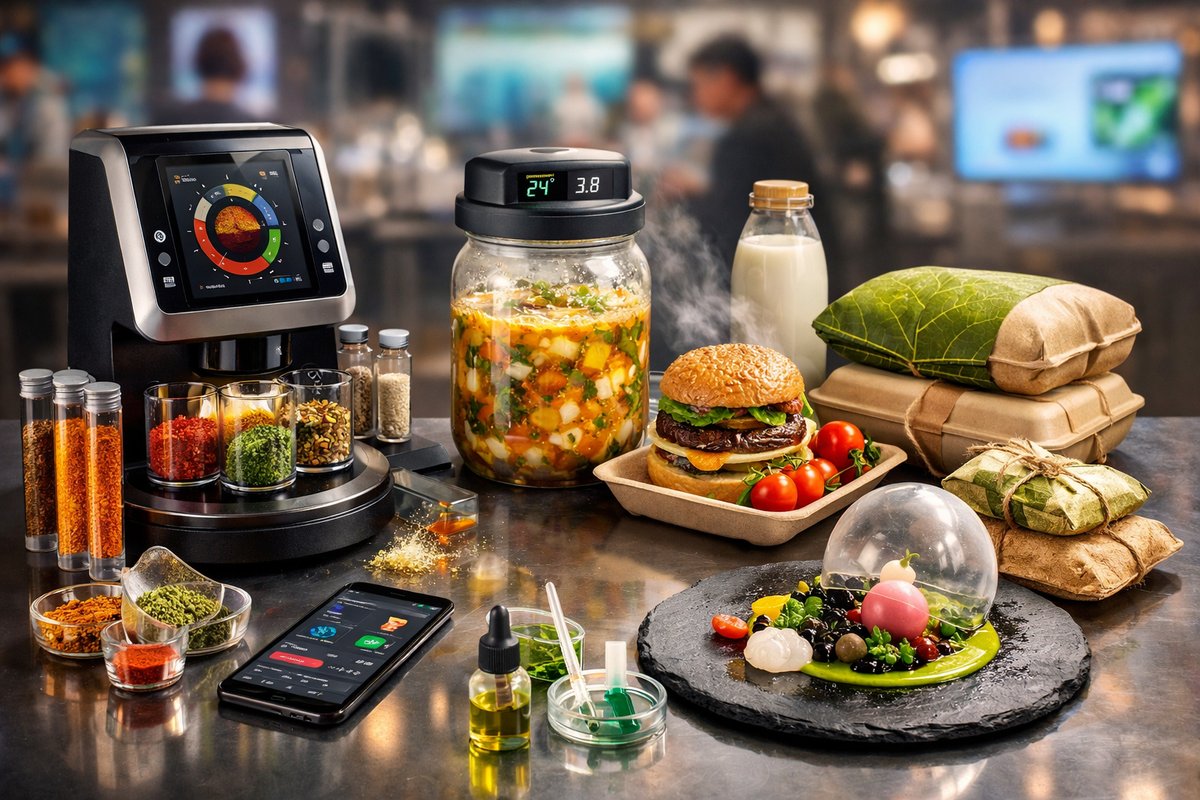
At a recent international food technology summit, innovators unveiled a wave of gadgets and ingredients designed to turn every home meal into a sensory adventure. From AI-driven spice blending to smart fermentation sensors and eco-friendly packaging alternatives, these breakthroughs promise to reshape how we cook, savor, and share food.
When the doors opened at the Global FoodTech Summit in Berlin last month, attendees quickly realized they weren’t just encountering prototypes bound for industrial kitchens. Instead, an array of consumer-focused tools and ingredients teased a future where playful palates and sustainable values drive every recipe. For curious cooks piecing together family-style feasts or experimenting with fermentation for the first time, this gathering provided a real-world glimpse at how technology and tradition can converge in the heart of our homes.
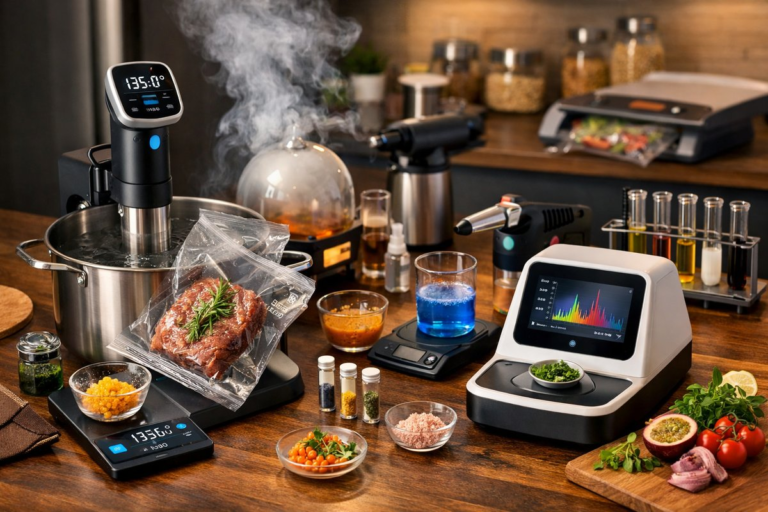
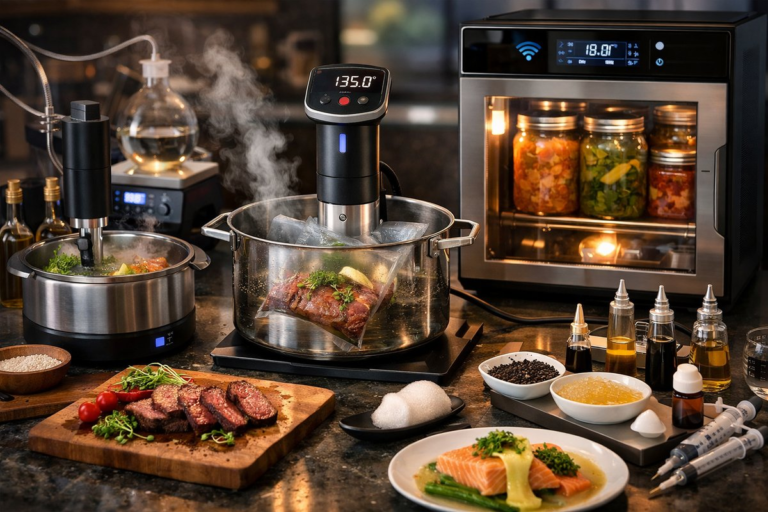
Throughout the expo’s demonstration kitchen, the scent of freshly milled grains mingled with the hum of precision cooking equipment. A wall of heritage heirloom grains sat next to a sleek countertop device that uses near-infrared spectroscopy to gauge moisture levels and nutrient content-allowing bakers to tweak hydration ratios on the fly. Nearby, a batch of kimchi gently bubbled inside a transparent fermentation jar equipped with pH and temperature sensors, streaming real-time data to a smartphone app. No longer reserved for high-end restaurants or hardcore hobbyists, these fermentation helpers are designed to guide first-timers through the quirks of wild cultures, helping them avoid off-flavors while building confidence in the kitchen.
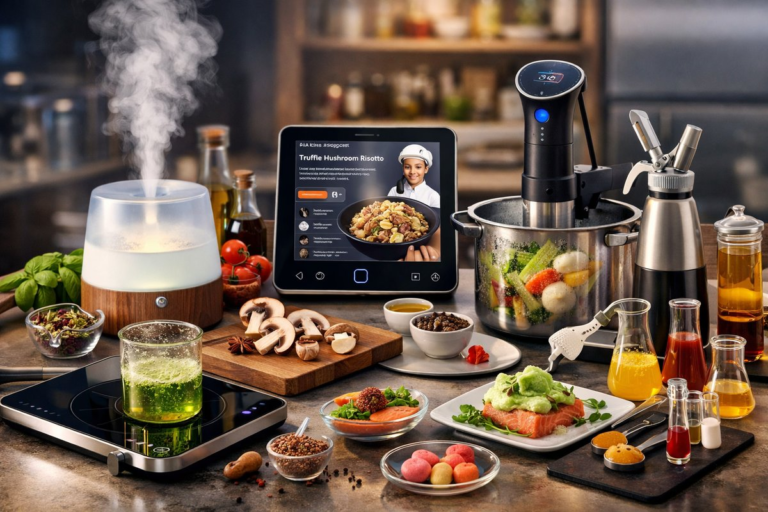
Across the aisle, an AI-powered spice blender whirred into action, custom-mixing paprika, cardamom, and fenugreek based on user-entered flavor preferences and recipe contexts. A cook simply selects “heat level,” “aromatic intensity,” and “cuisine style” on a touchscreen interface, and the machine dispenses a perfectly balanced blend in under 30 seconds. This system draws from a database of more than 200 spice pairings, with machine-learning algorithms fine-tuning ratios based on community feedback. The result: personalized seasoning that can adapt to dietary restrictions or highlight unusual flavor profiles, inviting home cooks to think of raw spices as tools in an evolving flavor toolbox.
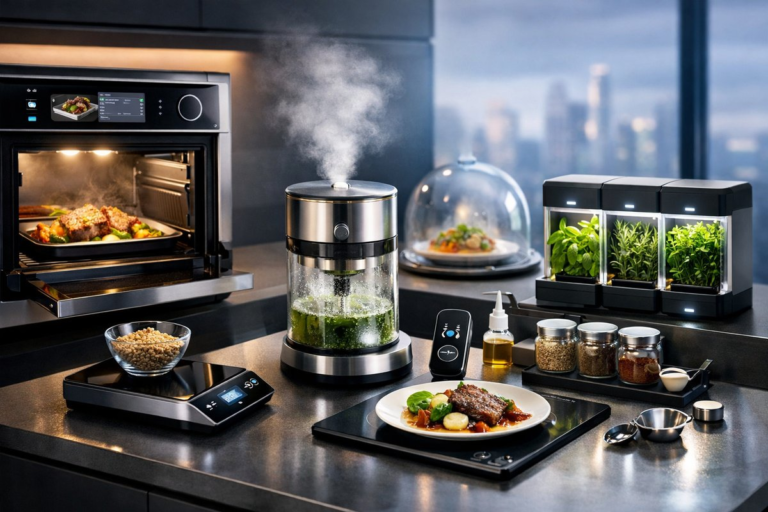
Perhaps the most buzzed-about reveal was a modular smart oven that marries convection, steam, and infrared broiling in a single countertop unit. Instead of toggling settings by guesswork, the oven’s internal camera and humidity sensor track crust development and moisture retention throughout the cooking cycle, automatically adjusting heat distribution. A voice-activated assistant suggests finishing techniques-“try a 30-second broil at 500°F to crisp that salmon skin”-and syncs with smartphone calendars to coordinate meal timing. For busy households juggling work, school, and social commitments, this level of automation offers a chance to reclaim dinner prep without sacrificing precision.
On the ingredients side, venture-backed startups showcased plant-based protein isolates pressed into porous patty forms that mimic the mouthfeel of ground meat. Unlike earlier iterations that relied on soy or pea proteins alone, these blends incorporate legume fractions, mushroom-derived umami compounds, and sunflower seed isolates for richer texture and depth. Sampling stations demonstrated how these proteins absorb marinades and char on indoor grills, challenging skeptics to distinguish them from animal counterparts. With sustainability front of mind, ingredient labels boasted carbon footprints 70% lower than conventional beef, a statistic certified by an independent life-cycle analysis.
Yet not all breakthroughs demanded electricity or code. Several booths highlighted biodegradable film wraps infused with edible oils and rosemary extract, designed to seal in freshness for produce and deli items without relying on single-use plastics. When discarded, these wraps degrade into organic matter within six weeks under home-compost conditions. Beyond reducing landfill waste, the scents released by the films can delay oxidation in fruits, extending pantry life and reducing food spoilage.
In a nod to local food cultures, an interactive exhibit invited visitors to explore “digital terroir” maps. By scanning a QR code on a package of heirloom citrus zest, cooks could see satellite imagery of the orchard’s terrain, climate data, and soil profiles-all paired with recipe suggestions from regional chefs. This melding of geospatial technology and culinary heritage offers a fresh way to trace flavor back to its origin, fostering a deeper emotional connection between consumer and crop.
The summit also shone a light on inclusive design. One demonstration featured a voice-guided kitchen assistant tailored for low-vision users, describing step-by-step instructions and providing real-time auditory feedback on chopping speed, pot temperature, and simmer recognition. Another startup showcased a set of magnetized, color-contrasting cookware handles and measuring cups designed to improve grip and visibility for cooks with limited dexterity or sight.
While many products seemed poised for premium price tags, a few exhibitors stressed affordability. A compact induction cooktop-roughly the size of a baking sheet-offered rapid heating and a simple control knob interface for under $100 retail. Paired with a modular nonstick pan set, this duo aimed to democratize speed-cooking and energy efficiency in small apartments and student housing.
Beyond gadgets and packaging, experts led panels on sustainable ingredient sourcing, ethical supply chains, and the cultural implications of algorithmic flavor creation. One data scientist warned of potential biases baked into AI recipe makers if databases overrepresent Western spice traditions. Meanwhile, a food anthropologist argued that preserving regional cooking rituals-like hand-rolling dumplings or pounding grains with mortar and pestle-remains vital for passing on culinary heritage and human connection.
Industry analysts estimate that global investment in consumer kitchen tech reached $3.8 billion last year, with venture funding accelerating for devices that blend digital convenience with green credentials. As home cooking regained momentum after years of pandemic restrictions, markets have shown a hunger for innovation that feels both accessible and responsible.
For readers eager to explore these trends without waiting for next year’s expo, several of the highlighted tools are already available online. Smart fermentation jars now retail for under $200, while precision spice blenders can be found in specialty cookware stores. Even modular countertop ovens with built-in sensors have begun shipping in limited batches, often paired with recipe subscription services that deliver curated ingredients alongside digital guidance.
As technology continues to weave itself into every aspect of meal preparation, the core mission remains constant: transforming daily routines into memorable sensory journeys. Whether you’re nurturing your first sourdough starter or dialing in the perfect sear on a plant-based burger, these new tools invite home cooks to embrace experimentation, honor sustainability, and celebrate the simple joy of sharing food. After all, flavor isn’t just a matter of taste-it’s an adventure that unfolds at every chop, stir, and digital prompt.