Location
Mount Vernon, WA 98274
Location
Mount Vernon, WA 98274

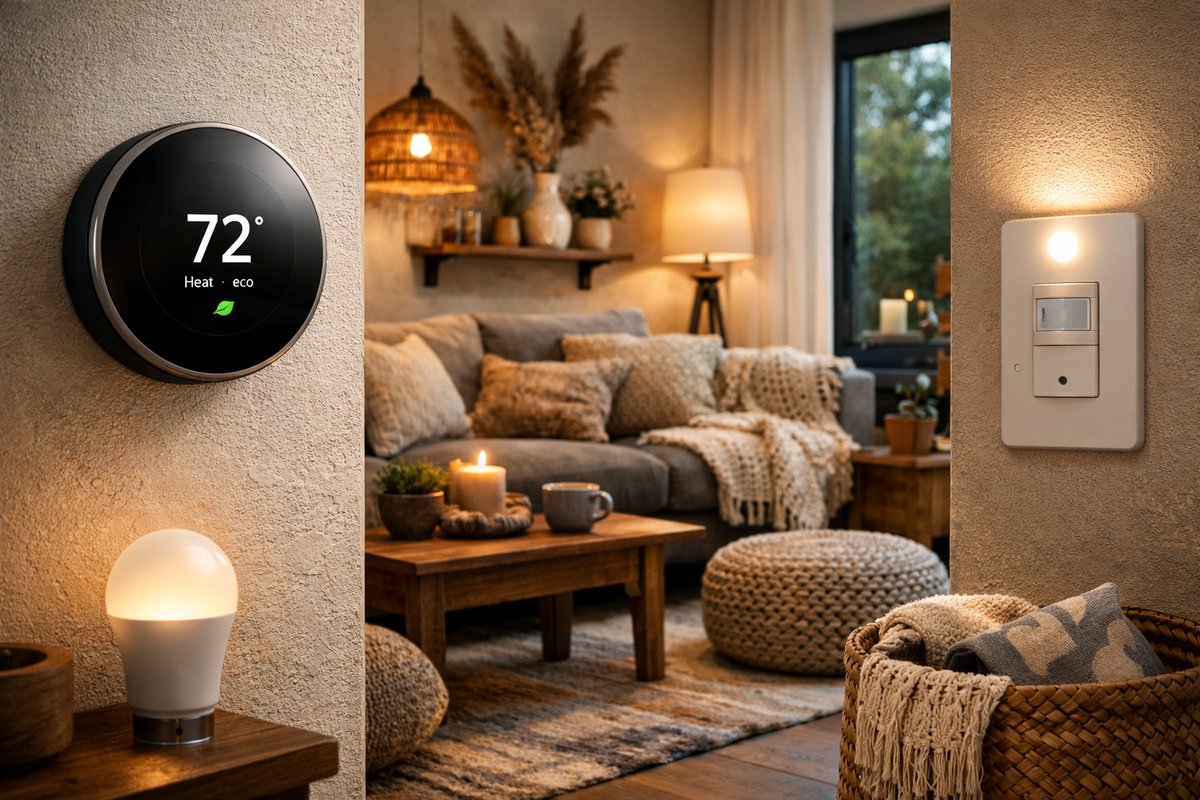
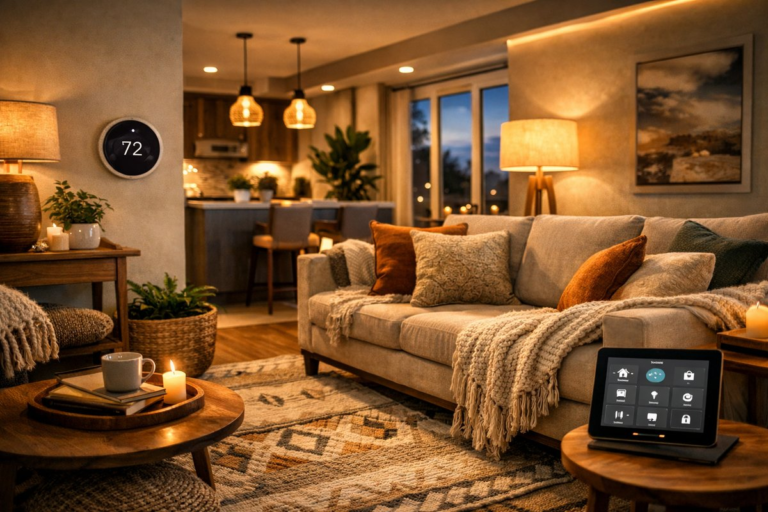
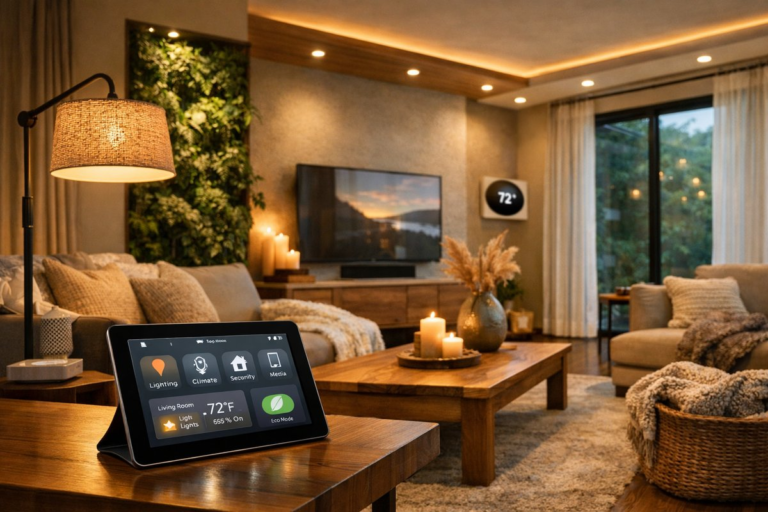
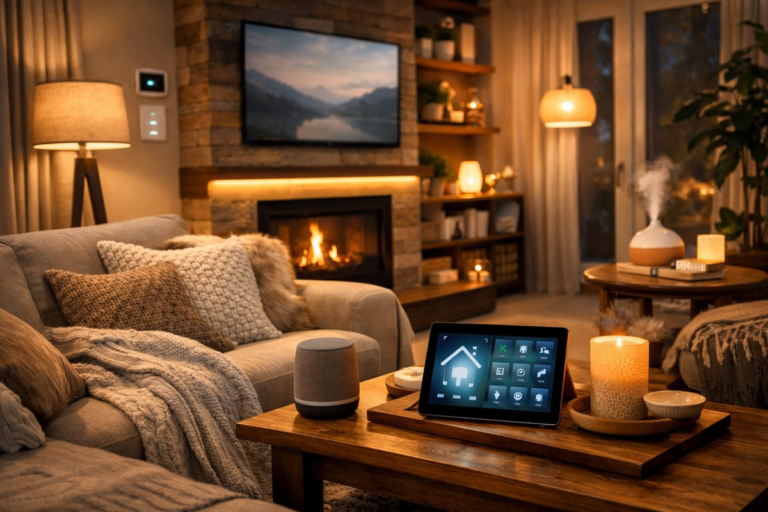
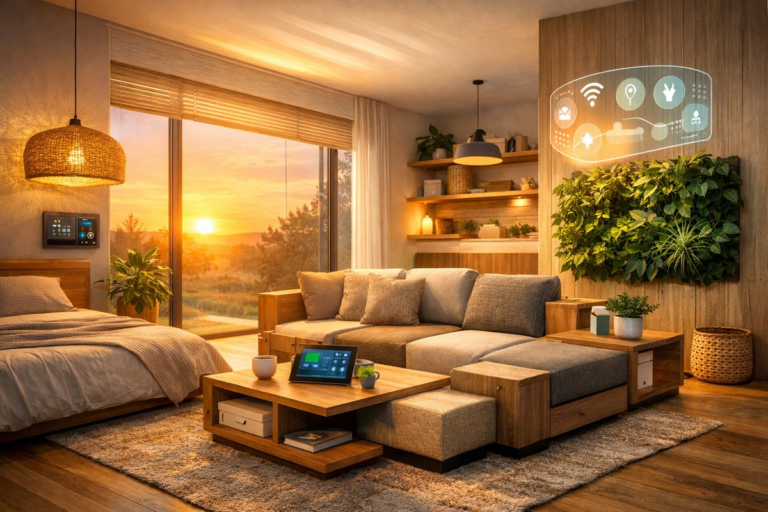
Homeowners are merging smart technologies with artisanal textures to craft intentional living spaces that deliver both energy savings and sensory appeal. Recent surveys show investments in programmable thermostats and motion-activated lighting rising alongside demand for cozy textiles and tactile accents. The result is a new blueprint for domestic comfort, where automation and aesthetic merge seamlessly.
In cities and suburbs alike, a quiet revolution is unfolding as more homeowners treat their living rooms, kitchens, and bedrooms not just as shelter but as canvases for innovation and comfort. A recent report from a leading home design institute shows that investments in both smart devices and cozy essentials rose by nearly 40 percent over the past year. This surge reflects a shift in priorities: people seek intentional spaces that blend high-tech convenience with sensory appeal. The trend is especially pronounced among first-time homeowners and renters looking to personalize long-term leases. As consumer appetite for technology merges with a renewed focus on tactile comforts, the line between function and feeling has never been blurrier.
Smart thermostats, motion-activated LED bulbs, and voice-controlled assistants dominate wish lists, but the story goes deeper than gadgetry. Integration platforms now allow homeowners to program routines that adjust temperature, lighting, and even window coverings with a single tap or voice cue. In a demonstration at a recent housing expo, visitors watched as a single “movie night” command lowered the lights to 20 percent, closed blackout curtains, and set the thermostat to an optimal movie-watching temperature-all within seconds. This level of synchronization was unheard of less than a decade ago, and it speaks to how rapidly connected ecosystems have matured.
Energy savings lie at the heart of the smart home conversation, and for good reason. According to government energy data, programmable heating and cooling systems can cut utility bills by 10 to 15 percent per year when configured properly. Coupled with smart plugs that turn off idle appliances and sensor-driven fans that run only when movement is detected, these upgrades deliver real impact. Some municipalities are even offering rebates on qualifying installations, turning automation from a luxury into a financially savvy investment. The environmental benefit is twofold: reduced carbon emissions and a lower demand on aging power grids during peak hours.
Yet technology alone does not define a home. The tactile warmth of a thick-knit throw, the subtle shimmer of woven jute rugs, and the gentle glow of wax candles remain powerful antidotes to screen fatigue. In the same trade show where the automation demo took place, booths showcasing artisanal pottery vases and textured wall panels drew crowds eager for a break from glossy interfaces. Design workshops offered tips on combining neutral palettes with pops of ochre and forest green to create spaces that feel both modern and grounded. It seems that even in an era of bytes and bots, humans crave surfaces that invite touch and visual variation.
Bridging the gap between tech and textiles requires intentional planning. Concealed cable channels, recessed power outlets, and under-cabinet lighting strips make devices recede into the background, letting furniture and decor take center stage. Mounting a sleek wireless charging pad in an end table or embedding a slim media console into a floating shelf can preserve clean lines while delivering convenience. For those less comfortable with wiring, plug-and-play options like stick-on sensors and battery-powered puck lights offer a no-drill solution. The goal is to ensure that smart elements enhance rather than clutter the visual rhythm of the room.
In one recent renovation, a family turned a formerly dark den into a multifunctional hub for remote work and relaxation. They installed a programmable radiator thermostat to maintain consistent warmth during afternoon virtual meetings, while a pair of wireless dimmable sconces provided adjustable task lighting. The homeowners layered in a weighted throw blanket and a set of cork-backed area mats to reduce echo and add softness underfoot. Finally, a bowl of decorative river stones and a potted low-light plant introduced organic texture without demanding constant attention. The result was a space that feels equally suited for late-night brainstorming sessions and early-morning coffee breaks.
DIY enthusiasts are finding that a few basic tools can power dramatic results. A laser distance measurer takes the guesswork out of spacing art and shelves, while a rechargeable multi-head screwdriver speeds up bracket and hinge installations. Peel-and-stick wallpaper offers bold pattern transformations without the labor of traditional paste work, and accent walls painted in muted jewel tones add depth without overwhelming smaller rooms. For renters or those on a tight budget, removable wall decals and modular pegboard systems create flexible storage for books, cables, and decorative accents-no permission slips or expensive contractors required.
Interior designers note that personal storytelling drives the best outcomes. Rather than chasing every new gadget, they advise clients to begin with a core vision-be it a sunlit reading nook or a minimalist home office-and layer in elements that support it. A “smart hub” can be tucked inside a drawer until needed, while a custom slipcover can breathe new life into an inherited sofa. Designers also emphasize the importance of scale: a single oversized pendant light can define a dining area, just as a cluster of small potted succulents can unify an otherwise stark windowsill. Thoughtful choices lead to spaces that resonate on an emotional level.
There are challenges to be mindful of. Upfront costs for high-end automated systems can run into the thousands, and compatibility issues sometimes arise when mixing products from different manufacturers. Privacy concerns also linger, especially with voice-activated devices that remain in standby listening mode. Experts recommend isolating smart devices on a dedicated network and reviewing data usage policies before setup. For many, the peace of mind that comes from local processing and manual override options outweighs the slight inconvenience of additional configuration steps.
Looking ahead, the next wave of home living innovations promises even deeper immersion. Wireless sensor networks may handle humidity adjustments and indoor air quality monitoring, while self-programming light fixtures could learn daily patterns to optimize circadian rhythms. Advances in materials science could bring stain-resistant, compostable textiles to everyday upholstery, blending the lines between eco-consciousness and everyday wear. Whether one’s focus is practical or poetic, the drive to create spaces that reflect individual values shows no signs of slowing. Smart or simple, the homes of tomorrow will be shaped by intention as much as invention.