Location
Mount Vernon, WA 98274
Location
Mount Vernon, WA 98274

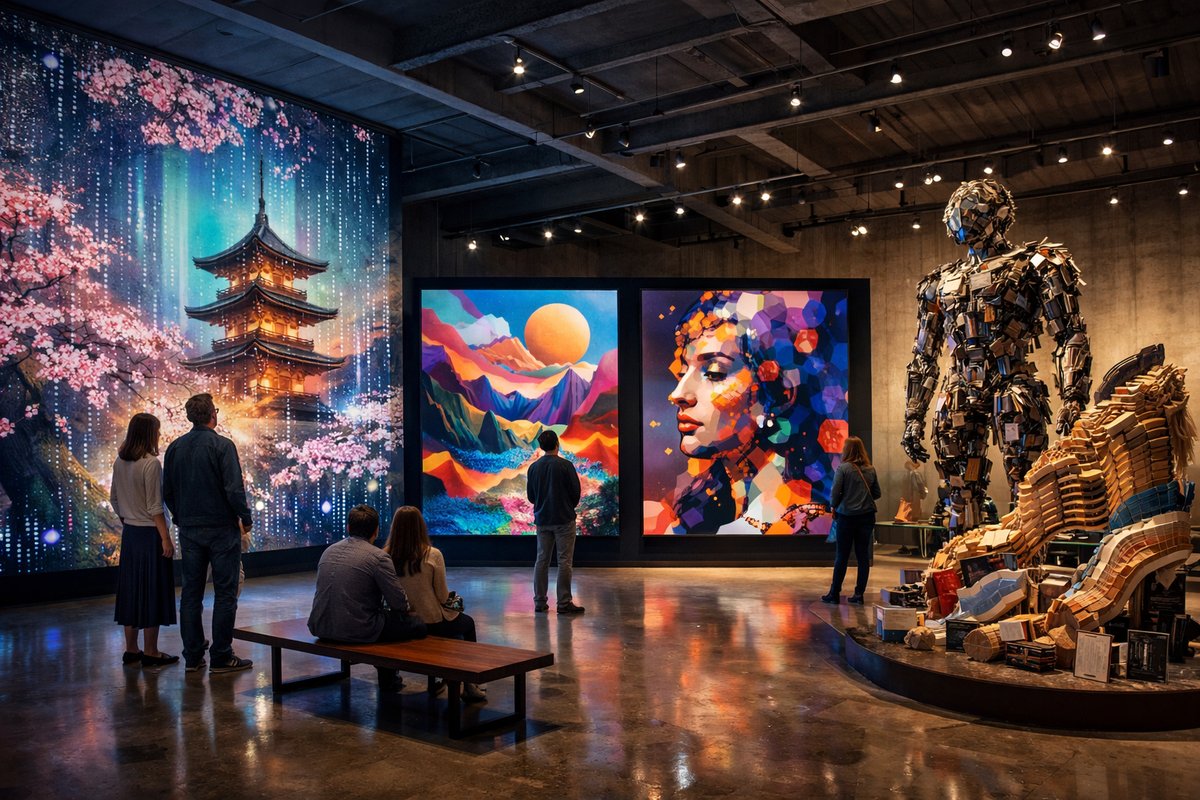
A recently unveiled contemporary art center is redefining the boundaries between technology and traditional craftsmanship. Through projection mapping, generative AI canvases, and recycled-material sculptures, the space invites visitors to consider the future of creativity.
A groundbreaking contemporary art center opened its doors downtown last weekend, inviting visitors into a world where digital innovation and sustainability coalesce. The newly renovated former warehouse now hosts an array of immersive installations, each exploring how emerging technologies and eco-conscious practices can reshape creative expression. From rooms bathed in interactive projection mapping to workshops that transform discarded materials into vibrant art, the center positions itself at the forefront of the evolving art and design landscape.
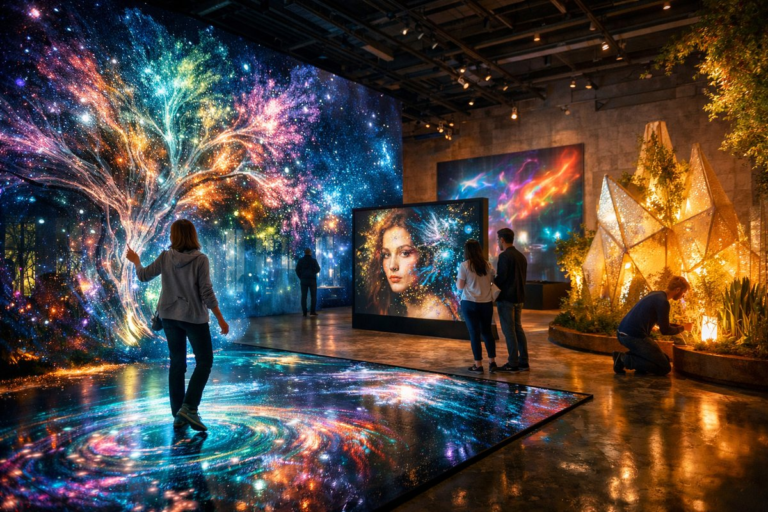
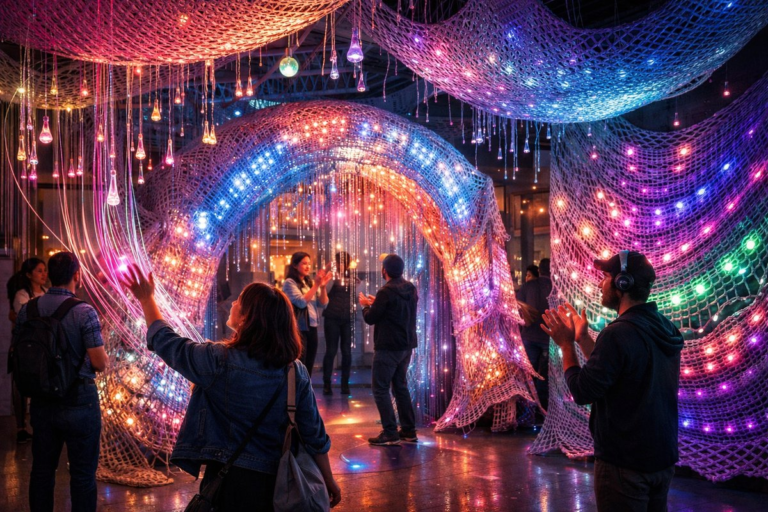
Upon entering the main hall, guests are greeted by a large-scale projection mapping installation that responds to movement. Sensors embedded in the floor detect footsteps, triggering dynamic patterns that ripple across the walls. The effect is at once organic and futuristic: abstract forms bloom like digital flowers, petals scattering as visitors move through the space. This piece exemplifies the center’s embrace of interactive technology, allowing audiences to become active participants rather than passive observers.
Adjacent to the projection area, a series of large-format canvases explores the potential of generative AI in visual art. Each canvas displays evolving compositions created by algorithms trained on diverse datasets spanning classical paintings, street art, and photography. As the AI system processes new data feeds-such as weather patterns and local traffic information-its output shifts in real time, producing an ever-changing gallery of color and form. This intersection of machine learning and aesthetic discovery challenges traditional notions of authorship and invites dialogue around the evolving role of artists in a data-driven era.
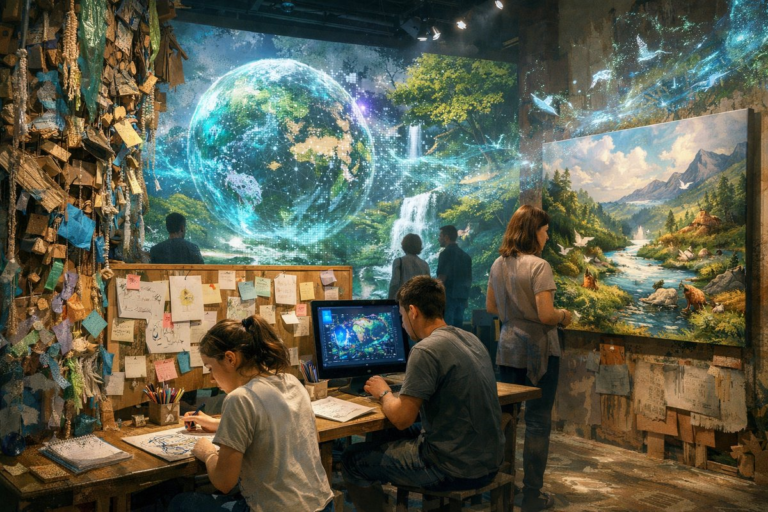
A quieter room down the corridor offers a contrasting experience: sculptural works crafted almost entirely from recycled plastics and found objects. Discarded containers, bottle caps, and fragments of signage have been meticulously assembled into intricate figures that blend whimsy with critique. One assemblage features hundreds of plastic shards arranged to resemble a blooming flower, a nod to nature’s resilience amid pollution. Another sculpture constructs an abstract cityscape from flattened metal cans and wire, commenting on urban expansion and waste. These installations underscore the center’s commitment to sustainable art practices and highlight the creative potential in repurposing materials.
Visitors can also engage in hands-on workshops led by local artists and designers. One session invites participants to learn digital painting using drawing tablets paired with stylus pens, while another focuses on traditional screen printing techniques. Attendees have the opportunity to experiment with acrylic paints on recycled paper and textiles, guided by instructors who emphasize low-impact materials. By offering these practical experiences, the center bridges the gap between observation and creation, nurturing a community of makers who value both innovation and environmental responsibility.
In the interactive lab, a VR painting station offers a glimpse into the future of studio practice. Wearing a VR headset and using motion-tracked controllers, participants can sculpt and paint in three-dimensional space, layering virtual pigments that react to simulated light and texture. The resulting artworks can be rendered into digital files for projection or 3D printing, opening new avenues for artists to share and preserve their creations. This fusion of virtual reality and fine art illustrates how technology can expand the boundaries of medium and form.
Lighting plays a pivotal role throughout the exhibition, with adjustable LED track lights accentuating textures and colors. Curators have configured programmable fixtures to shift from warm to cool tones, altering the mood of each installation over the course of an evening. In one gallery, a series of monochromatic ink drawings transitions from stark black-and-white contrasts to deep indigo under alternating light settings, revealing hidden details and encouraging multiple viewings.
The center’s leadership emphasizes that the venue is more than a showcase for completed works. A central commons area serves as a co-working and discussion space where artists, designers, and technologists can converge. Open mic nights, panel discussions, and collaborative design sprints take place here regularly, fostering an interdisciplinary dialogue. Recent events have included debates on the ethics of AI-generated imagery and brainstorming sessions on biodegradable materials for large-scale sculpture.
Education is woven into the fabric of the institution. Partnerships with local universities and art schools supply students with access to high-end tools often out of reach in traditional campuses-such as laser cutters, vinyl printers, and large-format projectors. Visiting classes can reserve time in fully equipped studios to prototype product designs or create digital murals. The center’s residency program supports emerging practitioners by providing stipends, workspace, and mentorship focused on sustainable methodologies.
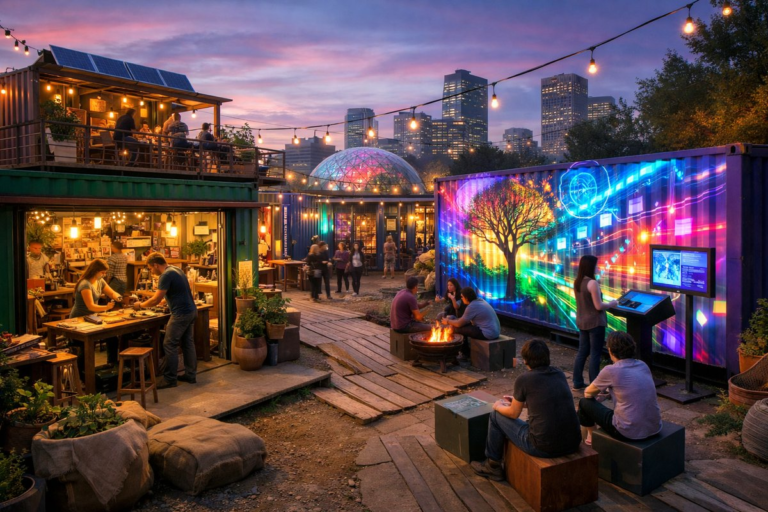
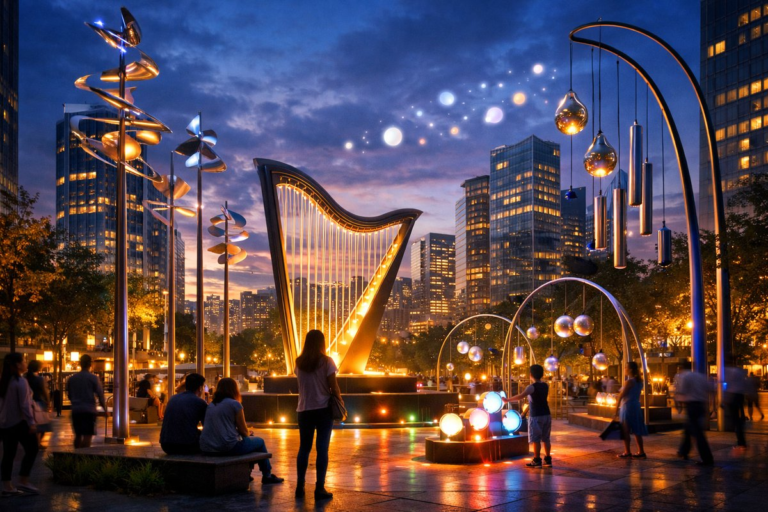
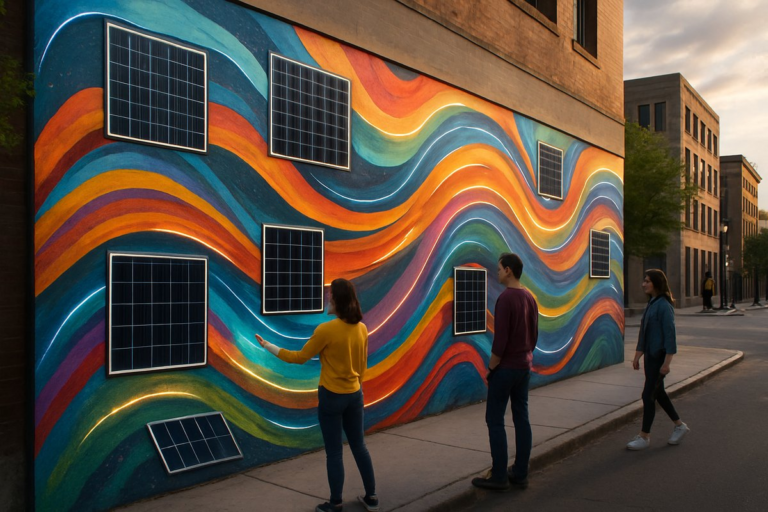
Community engagement extends beyond the building as well. Collaborations with neighborhood organizations have led to public art projects in nearby parks and courtyards. A recent mural initiative invited residents to co-design imagery reflecting local history, which professional artists then translated into vibrant street-scale compositions. Similarly, pop-up exhibitions in empty lots have showcased smaller installations, encouraging passersby to pause and reflect on the role of creativity in everyday spaces.
Critics have applauded the center’s holistic approach. Rather than isolating cutting-edge technology in its own silo, the programming weaves digital and analog techniques throughout, demonstrating that neither exists in a vacuum. By foregrounding sustainability alongside innovation, the institution challenges artists and audiences to consider the environmental footprint of creative practice. In a time when many cultural organizations struggle to adapt to rapid technological change and shifting ecological realities, this center sets a compelling example of responsive curation.
Looking ahead, the team plans to expand its focus on virtual residencies, where artists from around the globe can collaborate remotely on digital and mixed-media projects. Upcoming exhibitions will delve into topics such as augmented reality in public art, biodegradable pigments derived from algae, and data visualization installations that track climate change indicators. Each new project promises to interrogate how evolving materials and methods can foster a more reflective and resilient art ecosystem.
As the doors stay open late into the evening, adorned with shifting projections and the hum of creative machinery, the center feels less like a static museum and more like a living organism. Visitors depart with fresh perspectives on how art and design can drive social and environmental progress. In an era defined by rapid innovation and ecological urgency, this immersive space offers a compelling vision: that creativity, when guided by curiosity and compassion, can illuminate new pathways forward.
Certainly, the fusion of technology, sustainability, and hands-on engagement has struck a chord with local and visiting audiences alike. By presenting an integrated model-where projection mapping, generative AI, recycled-material sculpture, and community workshops coexist-the center demonstrates how the next chapter of art and design will be written not by purists but by practitioners eager to blend mediums and mindsets. It is in this spirit of experimentation and inclusion that the contemporary art center has positioned itself as a catalyst for both creative reinvention and ecological stewardship.