Location
Mount Vernon, WA 98274
Location
Mount Vernon, WA 98274

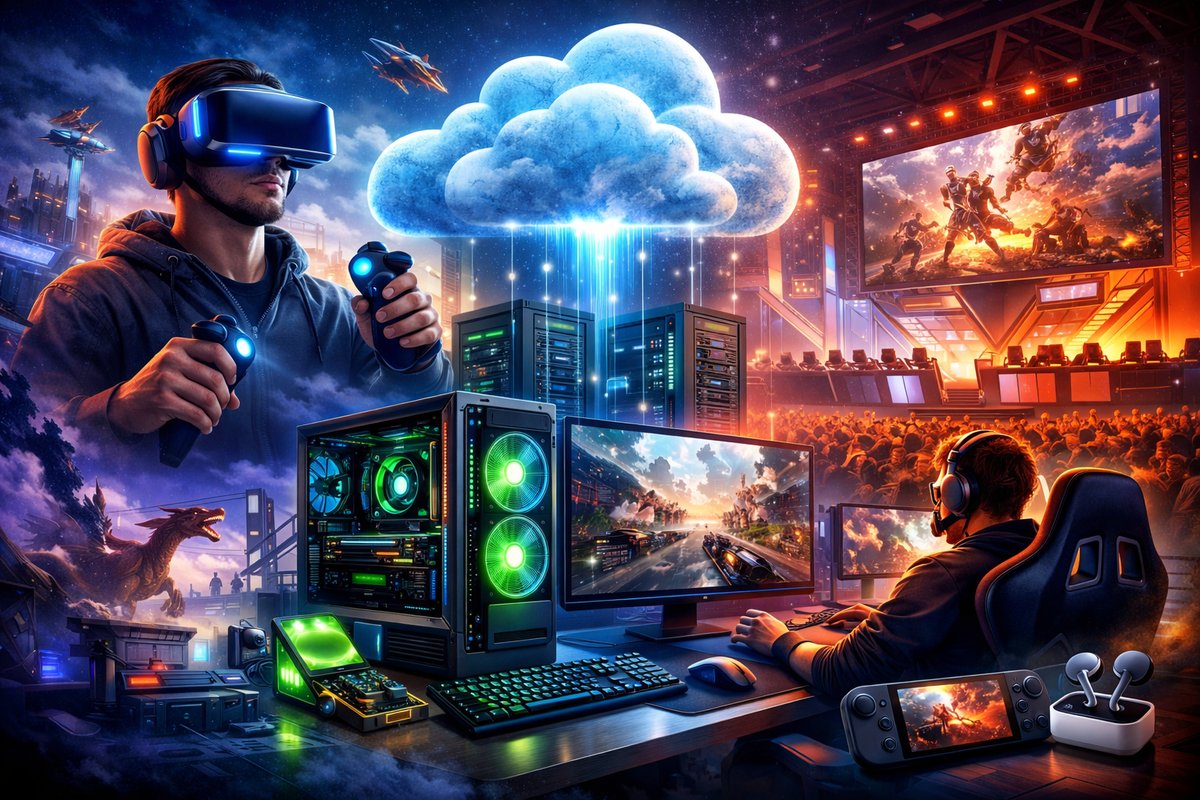
Gaming is rapidly reshaping itself into a powerhouse of innovation, blending cloud services, immersive hardware, and community-driven experiences. From cutting-edge VR headsets to energy-efficient PC upgrades, the industry is proving that play is serious business-fueling both creativity and competition alike.
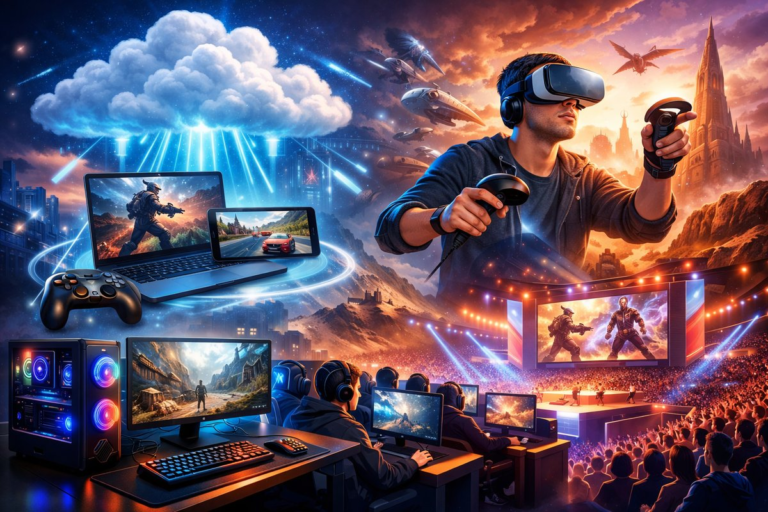
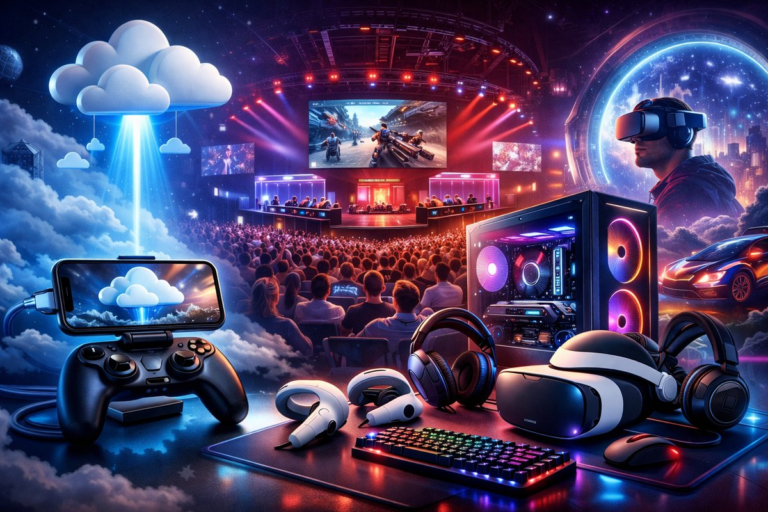
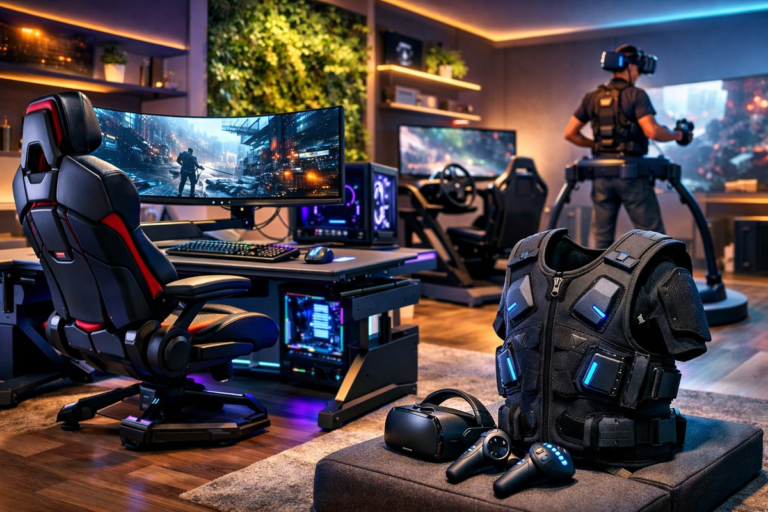
In recent months, the gaming world has accelerated its transformation, driven by advances in cloud computing, virtual reality, and sustainable hardware design. Through strategic partnerships and service expansions, cloud gaming platforms are breaking down barriers to entry, allowing more players to dive into graphically intensive titles without the need for high-end local machines. Meanwhile, virtual reality headsets have launched with sharper displays and ergonomic designs, creating more comfortable and engaging experiences for prolonged sessions. As developers continue to push immersive mechanics-haptic feedback gloves, spatial audio, and adaptive lighting-gamers are discovering that their living rooms can morph into sprawling battlefields, alien planets, or cooperative social hubs at the flick of a switch.
Industry analysts note that revenue from cloud gaming subscriptions grew by more than 45 percent over the past year, an unprecedented leap that signals a major shift in how titles are distributed and consumed. This rapid growth has prompted providers to invest in new data centers closer to key markets, reducing latency and improving frame rates in regions previously underserved by high-speed internet. Major service rollouts in Latin America, Southeast Asia, and parts of Eastern Europe have ignited local developer communities, who now test and release games that cater to diverse cultural tastes. As cross-play functionality becomes standard, players on consoles, PCs, and mobile devices converge in the same virtual arenas, leveling the competitive field and forging friendships across borders.
Virtual reality continues its steady ascent, bolstered by headsets that pack higher-resolution lenses into lighter, more comfortable frames. The latest models boast display panels exceeding 4K equivalent per eye, low-persistence screens that minimize motion blur, and modular face seals suitable for varying face shapes and eyewear. Alongside these improvements, motion-tracking controllers have evolved to deliver richer haptic pulses, enabling nuances like the snap of a bowstring or the tremor of an alien heartbeat to resonate in the palm. Developers are integrating eye-tracking sensors to enhance gaze-based interactions, letting players highlight objects or navigate menus with a glance. Such breakthroughs have opened doors for applications beyond entertainment, including remote collaboration, physical rehabilitation, and virtual classrooms-underscoring gaming’s expanding role in daily life.
Consoles haven’t been left behind in this drive toward immersive realism. The latest units offer up to triple the graphical performance of the previous generation, packing hardware-accelerated ray tracing, real-time physics simulations, and SSD solutions that slash load times to mere seconds. Early adopters report frame rates that stay locked even during chaotic on-screen battles, thanks to dynamic resolution scaling and smart caching of geometry data. This next-gen ecosystem also emphasizes user-friendly interfaces, seamless cloud saves, and auto-updates that install patches in the background. Social features have been overhauled too-cross-platform friend lists, built-in voice transcription, and in-game clipping tools ensure that memorable moments can be shared instantly across streaming services or social feeds.
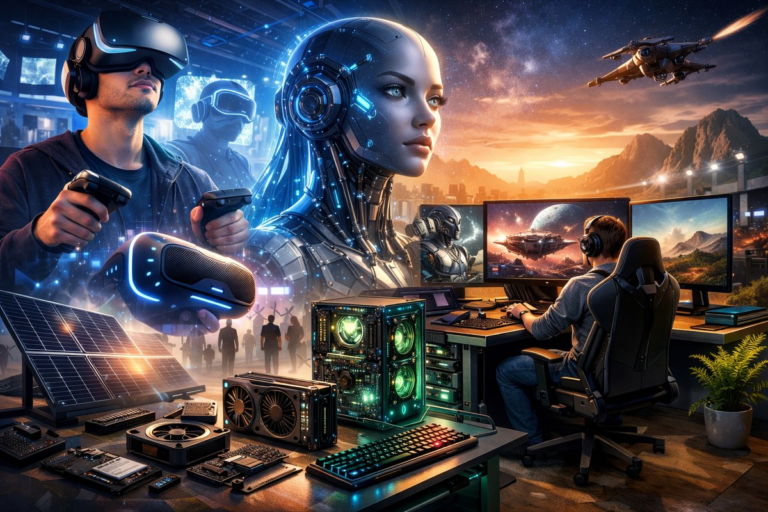
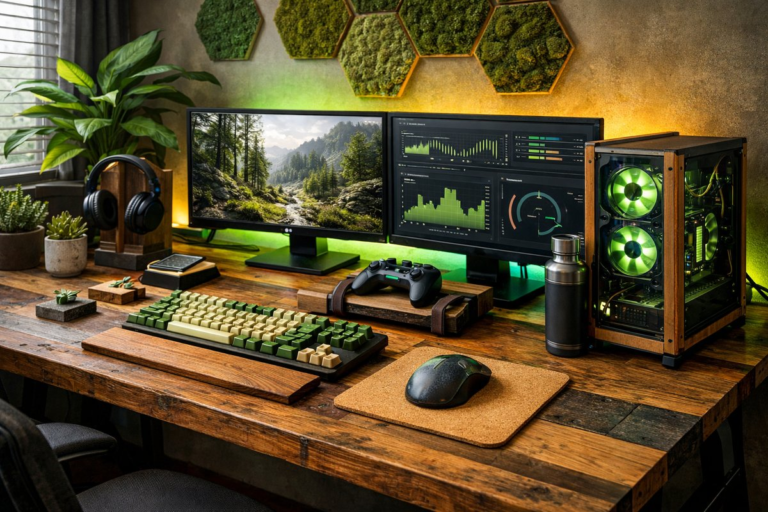
On the PC front, hardware manufacturers have placed a spotlight on energy efficiency and modular design. The latest graphics processing units boast intelligent power profiles that dial back wattage when frame rates remain high, or turbo up under heavy workloads. Motherboard makers emphasize tool-less expansion bays, allowing builders to swap out storage or add network cards without a screwdriver. Solid state drives now utilize advanced NAND chips to deliver read and write speeds approaching 8,000 megabytes per second, reducing texture pop-in and accelerating content creation workflows. This ongoing arms race for raw performance has prompted a parallel concern for sustainability: several vendors have introduced refurbished component programs, recyclable packaging, and even trade-in credits to encourage circular economies. Some leading studios pledge carbon-neutral game development by offsetting server emissions or adopting virtualized testing environments for early builds.
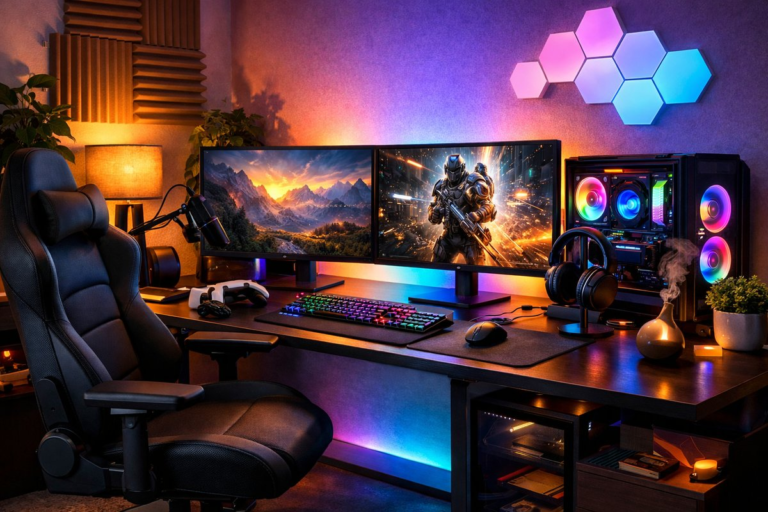
Streamers and content creators have also upped the ante in recent quarters. Interactive live broadcasts now support real-time polls, viewer-triggered game events, and integrated tutorials, blurring the lines between spectatorship and participation. Advanced capture cards with hardware encoding chips allow streamers to maintain maximum frame rates on their primary displays while broadcasting in high resolution. Microphone arrays with built-in noise suppression have become critical for preserving audio clarity in environments prone to ambient sounds-whether it’s a household pausing for dinner or the hum of a nearby appliance. Meanwhile, the explosion of themed streaming studios-complete with customizable RGB lighting rigs and acoustically treated walls-speaks to a growing professionalism among online performers.
A core focus across all these developments is user well-being. Ergonomic furniture designed specifically for long gaming sessions has surged in popularity, with adjustable lumbar support, breathable materials, and recline functions that encourage microbreaks. Blue-light-filtered displays and software-driven reminder systems prompt users to stretch or hydrate, helping mitigate the physical toll of extended play. Mental health advocates within the industry collaborate with developers to integrate in-game prompts that offer support resources or mood-check mechanics. Some competitive leagues now require players to complete mindfulness exercises or screen time audits before tournaments, recognizing that peak performance demands more than raw reflexes.
Community-driven game development continues to thrive, too. Crowdfunding platforms and public test servers enable passionate hobbyists to propose features, share feedback, and even submit custom assets for potential inclusion in official releases. Open-ended sandbox titles have become laboratories for user-generated content-players create intricate storylines, build virtual economies, and stage in-world events that rival small-scale productions. These initiatives cultivate a sense of ownership and pride, as contributors see their designs incorporated globally. Even major publishers have begun tapping mod communities to source innovative mechanics and narrative expansions, formalizing a symbiotic relationship between professionals and grassroots creators.
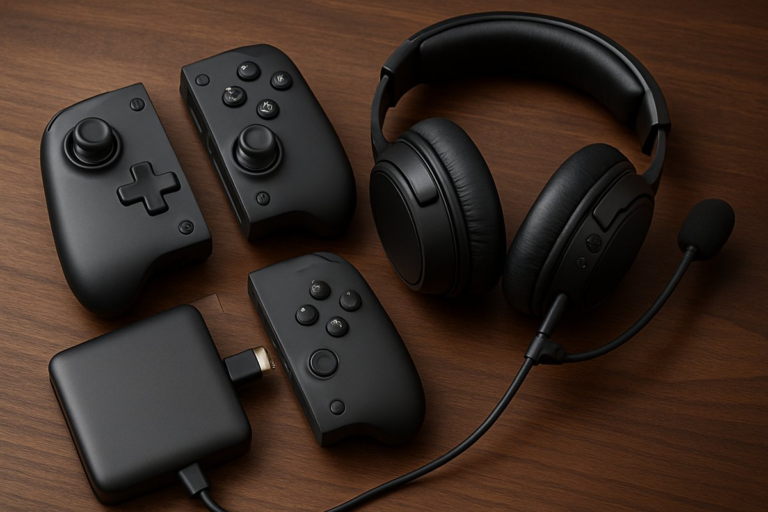
Audio has emerged as one of the most potent tools for immersion. The shift toward object-based audio processing allows sound designers to position noises precisely in three-dimensional space-be it the distant roar of an engine, the quiet drip of water in a cavern, or the shifting footsteps of a stealthy opponent. Over-ear and in-ear solutions with adaptive noise cancellation let players tune out the physical world without losing awareness of critical in-game cues. Integrated surround-sound emulation technologies add depth to cinematic cutscenes and multiplayer sessions, giving competitors the directional accuracy they need in fast-paced scenarios. As 5.1 and 7.1 speaker arrays become more accessible, home theater configurations are doubling as battle stations, offering both ambient room audio and headset-optimized sound.
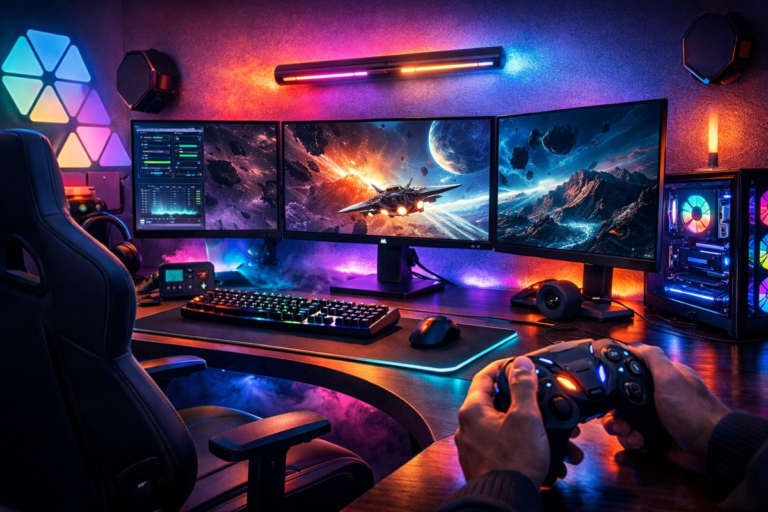
Across these trends, one principle remains clear: play is serious business. As hardware and software ecosystems evolve side by side, gamers are rewarded with experiences that are not only more visually arresting but also more socially connective and emotionally resonant. Whether you’re joining a global raid, producing a live tutorial, or simply inviting friends to explore a handcrafted virtual world, the right combination of gear and community can transform casual pastime into a collaborative journey. It’s a reminder that every LED-lit desk, every ergonomic chair, and every responsive controller contributes to a larger cycle of creativity and discovery.
For anyone looking to level up, the path forward involves thoughtful choices-from choosing peripherals built for comfort and speed to embracing cloud platforms that remove hardware barriers. As we gaze into an era defined by seamless cross-play, real-time ray tracing, and fully wireless VR, one thing is certain: the lines between work and play will continue to blur. And in that convergence, we’ll find new opportunities for connection, expression, and collective triumph.