Location
Mount Vernon, WA 98274
Location
Mount Vernon, WA 98274

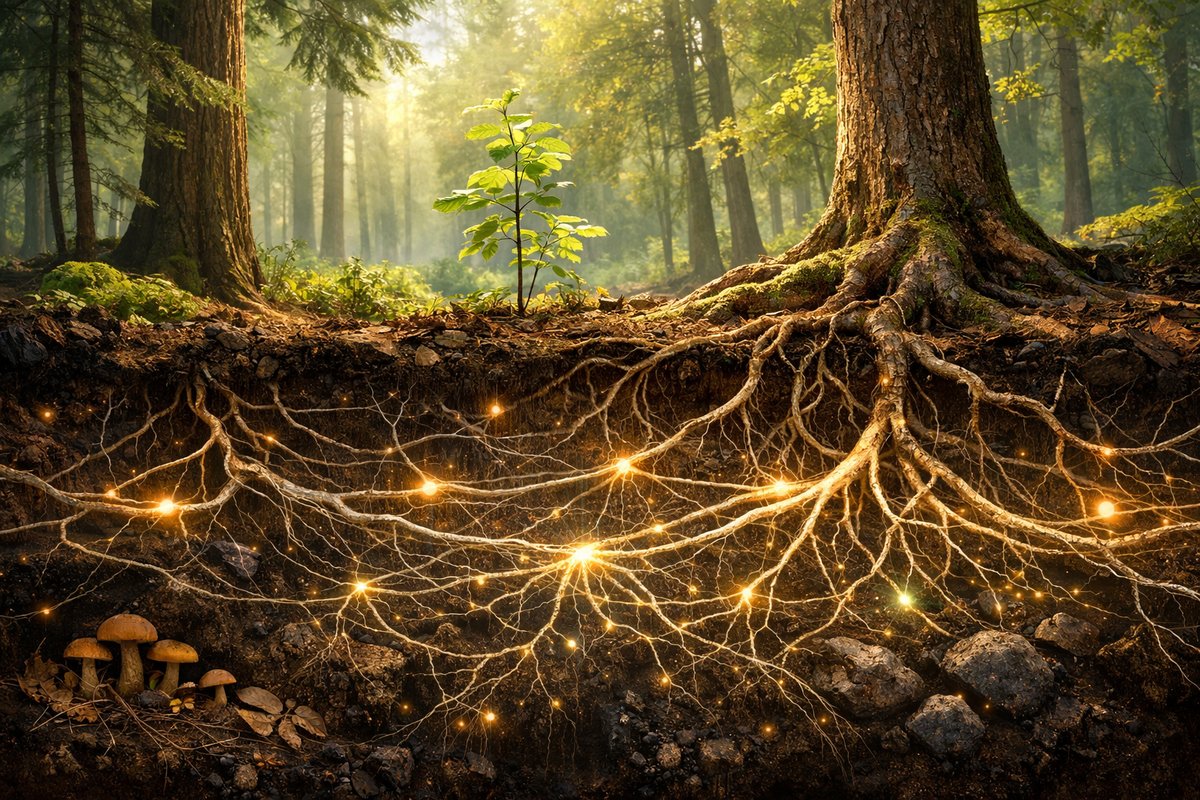
Deep beneath the forest floor, vast fungal networks connect trees in a subtle symphony of nutrient exchange and communication. Recent research reveals that these mycelial highways boost forest resilience in the face of climate stress, offering new insights into ecosystem recovery and carbon cycling.
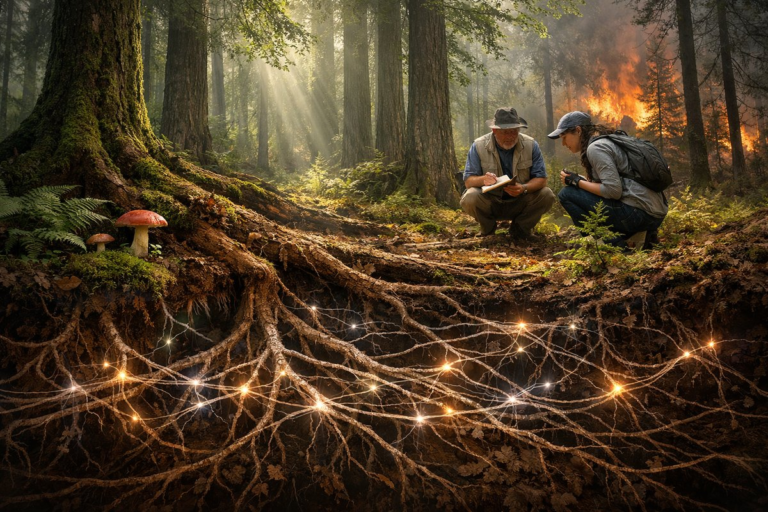
A mist drifts through a grove of towering pines just as dawn light filters between needles, casting patterns of gold and green across the forest floor. Underfoot, hidden from casual view, lies a labyrinth of slender white threads-mycelium-linking roots of conifers, maples, and birches in an underground web. Over the past year, scientists have begun to grasp just how crucial this intricate fungal network is for forest health, climate resilience, and biodiversity.
In a study published in a leading ecological journal, researchers deployed soil sensors and isotopic tracing in temperate woodlands across North America to track the flow of nutrients through fungal networks. They found that when one tree experienced drought stress, neighboring trees boosted carbohydrate production and shared the surplus via interconnected mycelium. This emergency food delivery not only prevented isolated die-offs but also redistributed resources so that vulnerable seedlings gained support during critical growth windows.
“What we’re seeing is a cooperative community beneath our feet,” says a forest ecologist involved in the project. “Instead of each tree fending for itself, the mycelial network mediates resource sharing, balancing the load when conditions are harsh.” These findings carry implications for how we manage forests amid rising temperatures and shifting precipitation patterns.
Beyond nutrient exchange, fungal networks are emerging as major players in carbon storage. Mycelium contributes to soil structure and organic matter accumulation by breaking down leaf litter and woody debris. In one section of the same study, researchers compared soil samples from networked areas with those from patches where fungal connections had been intentionally limited. The networked soils held up to 20 percent more carbon, suggesting that healthy fungal communities could amplify forests’ capacity as carbon sinks.
The resilience of fungal networks also extends to biodiversity. Hundreds of species of insects, small mammals, and other fungi rely on the byproducts of mycelial activity-from simple sugars released during decomposition to specialized minerals liberated from rocks. Field surveys reported a 30 percent increase in invertebrate diversity in plots with robust mycelial carpets, highlighting how underground interactions influence life above ground.
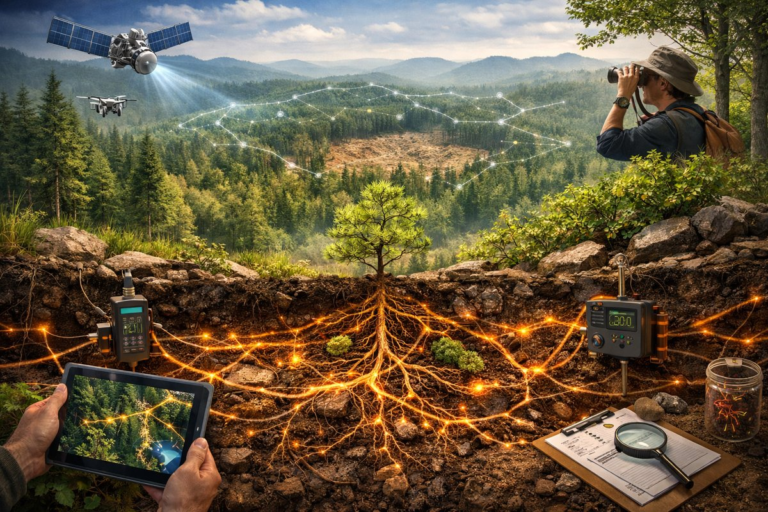
Citizen science initiatives have embraced these discoveries by inviting volunteers to monitor fungal fruiting and soil moisture in local woodlands. Equipped with basic tools-a soil moisture meter, a hand lens, and a field notebook-participants record daily changes in soil humidity, map clusters of mushrooms, and photograph mycelial mats. These grassroots observations feed into regional databases that scientists use to model fungal dynamics under future climate scenarios.
In one coastal redwood preserve, a team of volunteers documented an early flush of chanterelles and oyster mushrooms following an unusually warm winter. Laboratory analysis later confirmed that the associated mycelial networks had remained active during dormancy, drawing moisture from deep soil layers. This unexpected activity helped preserve carbon in place rather than releasing it as microbes consumed organic matter during warmer spells.
As awareness of fungal networks grows, conservationists are exploring ways to foster their development in reforestation projects. Traditional tree-planting efforts often involve clearing understory vegetation and tilling soils, actions that can sever existing mycelial connections. New protocols advocate minimal disturbance and emphasize planting tree saplings near nurse logs-fallen trunks that serve as organic highways for fungal colonization. By respecting the underground architecture, reforested areas show faster canopy closure and fewer invasive weeds.
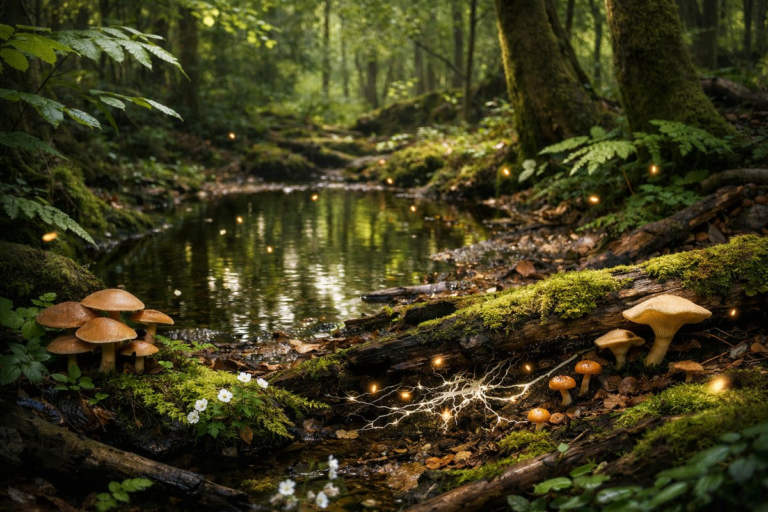
Alongside these practical shifts, the aesthetics of fungal networks invite a deeper sense of belonging and wonder. Many forest visitors now pause to observe the lace-like patterns under fallen bark or gently brush apart soil to reveal mats of intersecting threads. Field guides featuring time-lapse photography illuminate how mycelium pulses with growth, expanding outward centimeter by centimeter each day.
In remote corners of the boreal zone, aerial surveys detect subtle topographical changes correlated with extensive mycelial mats. Where networks radiate from a living pine cluster, soil moisture retention is higher, and young saplings show greater leaf area. Such remote sensing approaches promise to scale up our understanding, linking on-the-ground measurements with satellite imagery so we can map fungal terrain across continents.
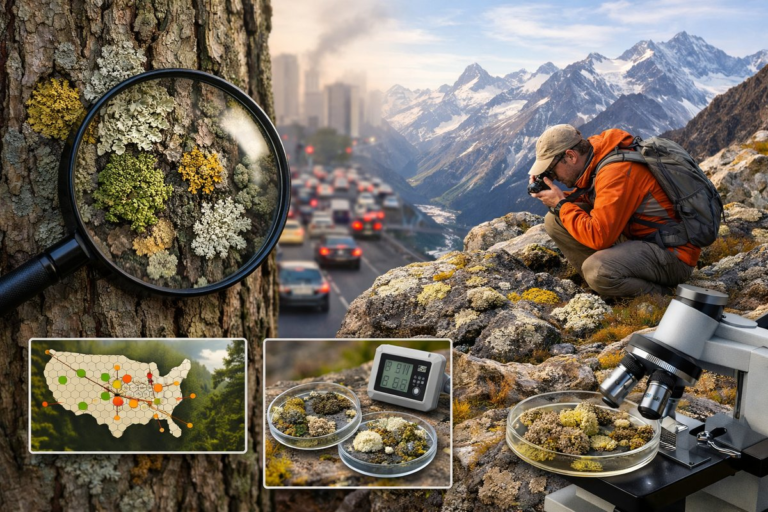
Recent collaborations between forest ecologists and data scientists have produced predictive models indicating that fungal networks could offset up to 10 percent of carbon emissions from deforestation by enhancing soil sequestration. While reforestation remains a high priority, bolstering fungal health presents a complementary strategy. Scientists caution, however, that pollutants such as nitrogen oxides from industry can alter fungal community composition, favoring fast-growing species that provide fewer mutual benefits to trees.
In northern Europe, where air quality regulations have tightened, long-term studies show a resurgence of slow-growing mycorrhizal fungi renowned for deep carbon burial and stress mitigation. Healthy networks in spruces and birches have rebounded, with correspondingly stable forest floor temperatures and reduced susceptibility to drought episodes. These findings underscore the interconnectedness of air policy, fungal ecology, and climate resilience.
The living world offers endless lessons in pattern and collaboration. Fungal networks remind us that resilience often emerges from interdependence rather than solitary strength. As we navigate accelerating environmental change, listening to the silent conversations in the soil can guide more regenerative stewardship of woodlands.
Whether you wander beneath ancient oaks or along newly reclaimed pine plantations, take a moment to kneel and peer into the humus. Notice the filamentous lacework that knits tree and shrub into a community of exchange. In every thread lies a story of survival, cooperation, and transformation. The next time you pass through the woods, know that you’re traversing a living tapestry-one woven by organisms older than the trees themselves, holding together the delicate web of life.