Location
Mount Vernon, WA 98274
Location
Mount Vernon, WA 98274

In the aftermath of economic upheaval and personal tragedy, a small town has come together to forge paths toward purpose and connection. Through shared meals, group journaling sessions, and a newly opened community center, residents find the quiet courage to move beyond failure and embrace a future built on compassion and resilience.
In Oak Ridge, a town once defined by shuttered factories and long commutes, a new spirit is taking hold. Last year’s factory closure left dozens without steady work and tested the resolve of families who saw their routines upended overnight. Yet in community halls and school gyms, neighbors have embraced an unspoken pact: no one will face hardship alone.
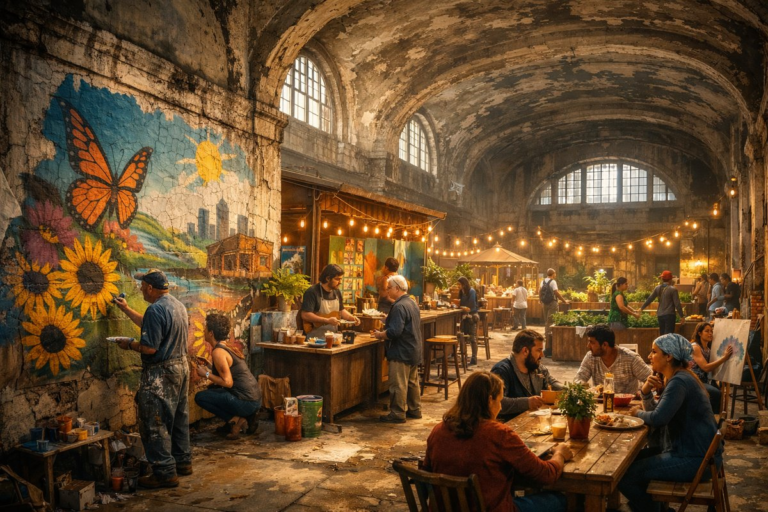
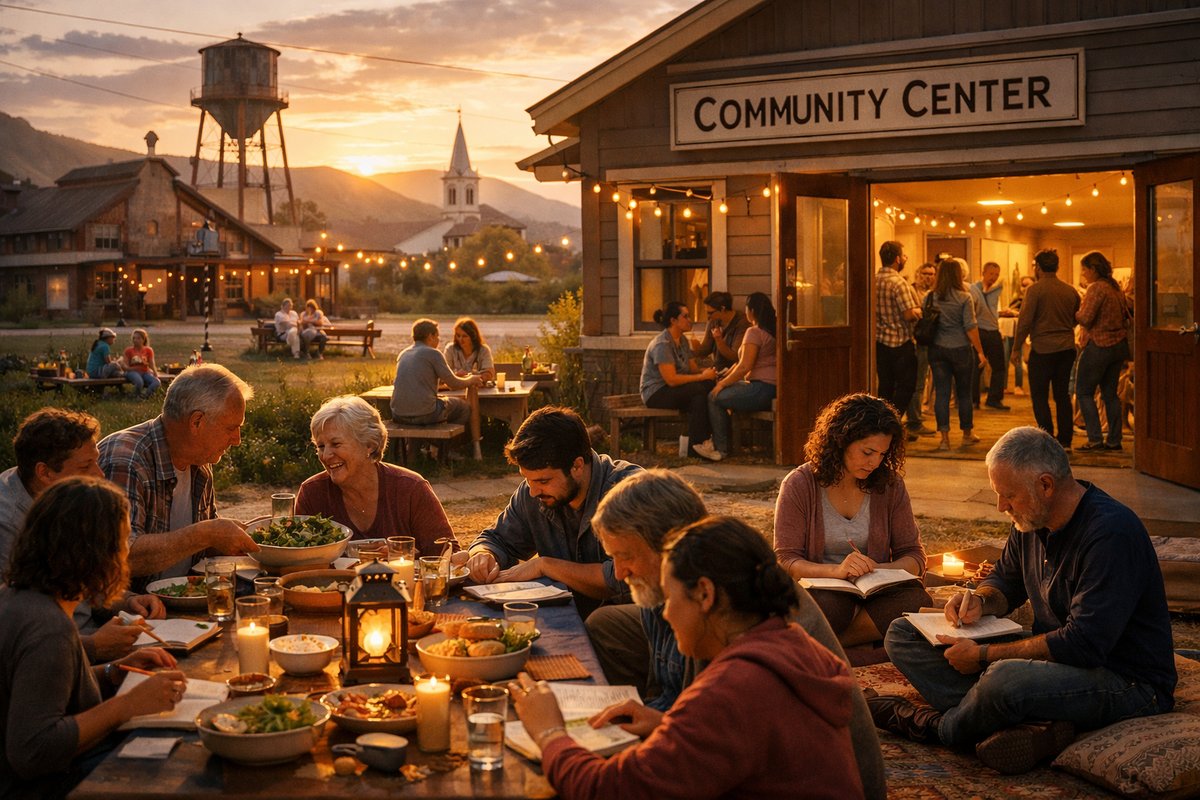
On a crisp autumn morning, the windows of the newly opened Hearthside Community Center cast a warm glow over the quiet street. Inside, folding tables host plates of homemade bread, steaming bowls of vegetable stew and fresh fruit donated by local farms. Volunteers greet newcomers with gentle smiles, handing out name tags before inviting them to settle on mismatched chairs. This is where personal stories of loss, failure and hope converge.
Maria Alvarez, a single mother of two, arrives with her youngest daughter in tow. She lost both her job and her sense of direction when the factory shut down. “Some days I felt like giving up,” she admits, voice wavering. “We were barely making rent, and I didn’t know how to explain to my kids why everything changed.” Here, in the circle of folding chairs, Maria discovered something unexpected: a safe place to share her fears, weigh her options and draw strength from others who had walked similar paths.
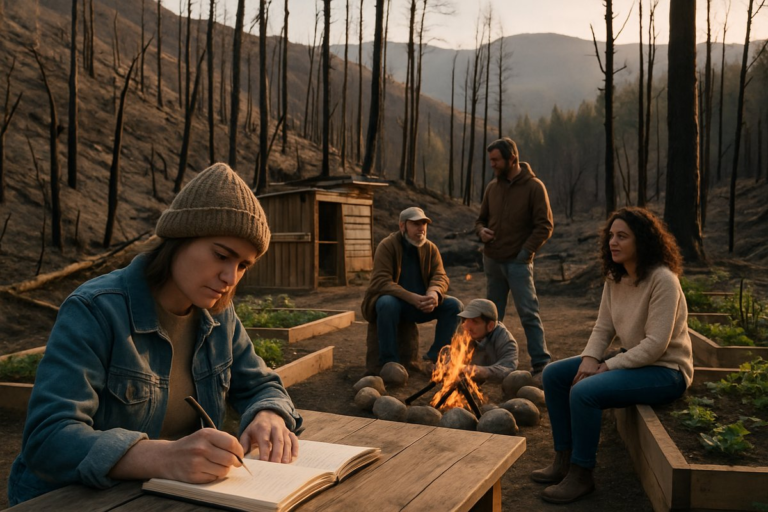
Meanwhile, retired teacher James Holt steers the weekly journaling workshop, where ink-smudged pages become maps of emotion. “Writing is a form of therapy,” he says, flipping through a participant’s notebook filled with reflections on a first lost love, a dream job that slipped away and the resolve to try again. Surveys distributed last month by the town council found that 68 percent of residents who joined these sessions reported a noticeable lift in mood and a stronger sense of control over daily challenges.
In a corner of the same room, a small kiosk invites attendees to pick up free mental health resources: pamphlets on mindfulness exercises, information about low-cost counseling and local peer-support groups. Aisha Malik, an immigrant who arrived three years ago, volunteers here. She recalls arriving with little more than a suitcase and a phrasebook. Now, she’s fluent in English and mentors others learning the language. “Resilience isn’t about toughness alone,” she says. “It’s about community, listening, and knowing you belong.”
On weekends, residents don hiking boots and lead guided walks along the riverbank. The town mapped a two-mile trail last spring, cutting through stands of birch and oak that blaze with color each fall. A group of seniors, once isolated by age and mobility issues, now picks their way along these paths with walking poles and sturdy shoes borrowed from the center’s free lending library of outdoor gear. For many, the simple act of breathing crisp air and watching migrating birds has become a ritual of healing.
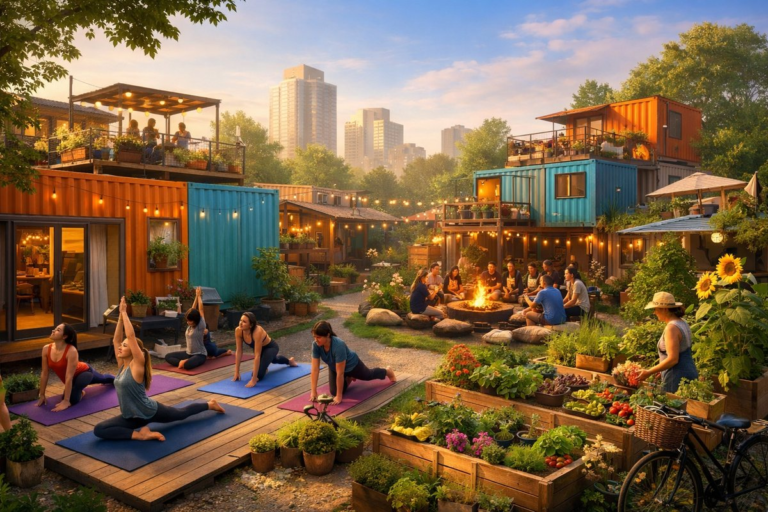
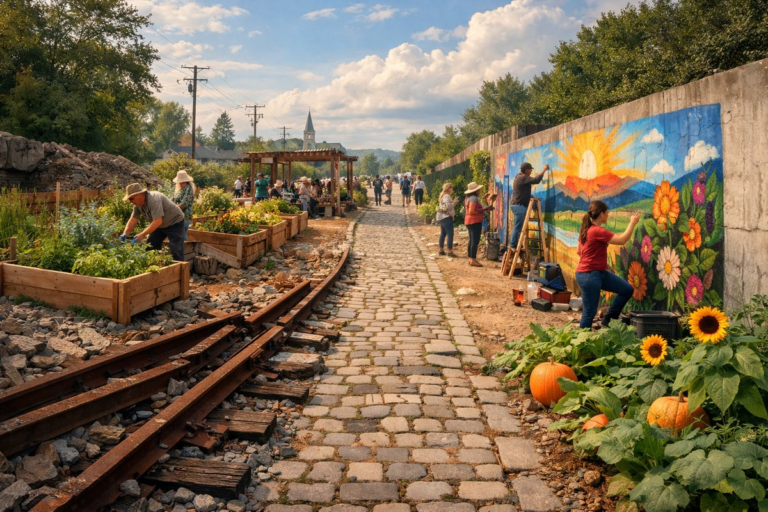
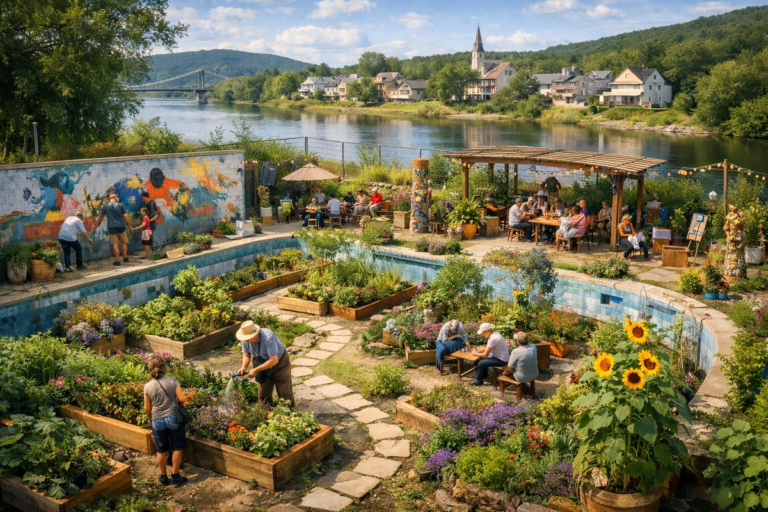
In recent months, the community garden planted next to the center has yielded colorful rows of kale, tomatoes and sunflowers. Vegetable gluts are channeled into communal soup pots, making the Thursday night meal a celebration of the season’s harvest. Volunteer chef Connor Lee, a firefighter by day, says cooking alongside neighbors becomes another form of storytelling. “When we chop onions or stir a big pot,” he notes, “people swap recipes, memories of family gatherings, even advice about parenting. It’s nourishment for body and soul.”
Behind these efforts is a town council resolution passed last summer to allocate modest taxpayer funds for social innovation. Rather than build a costly new recreation complex, the council chose to repurpose an old elementary school. The resulting space-modular rooms for art, fitness, education and social services-reflects a belief that resilience emerges when people have multiple ways to connect and express themselves.
For families like the Millers, who sold off their trailer to cover medical expenses, the center offers free after-school tutoring in math and reading. Their 10-year-old son, Ethan, struggled with concentration soon after his mother’s cancer diagnosis. Through one-on-one support and group activities, he’s regained confidence and now leads a chess club for peers.
Local data analysts partnered with a nearby university to track indicators of well-being. Preliminary figures show a 15 percent drop in calls to the crisis hotline and a 22 percent increase in employment referrals since the community center opened. While it’s too early to declare total transformation, these metrics suggest that even small investments in human connection can yield measurable shifts.
Yet success isn’t linear. Older residents confess to skepticism at first. “I thought this was just another fad,” says Henry Taft, who spent 40 years working on the old mill floor before retiring. “But when I saw my granddaughter laughing in art therapy and my neighbor finding a job through a networking event here, I changed my mind.” Over time, Henry began volunteering for the woodworking cooperative tucked into an unused wing of the building. He now teaches basic carpentry skills to aspiring makers.
Experts in social well-being say Oak Ridge is far from unique. Across the country, towns and neighborhoods are experimenting with community hubs, guided nature therapy and peer-led support networks. A 2022 study in the Journal of Community Health found that municipalities investing in social infrastructure-places where people can gather and build trust-see improved mental health outcomes and stronger civic engagement.
Still, the heart of Oak Ridge’s story is deeply personal. It’s found in the overnight letter Maria penned to her teenage daughter, explaining that failure isn’t final but the start of something new. It’s in James’s quiet nod as he watches a page filled with doodles and honest reflections. It’s in Aisha’s careful proofreading of an immigrant mother’s job application. It’s in the steady hammer strokes of Henry teaching a young volunteer how to measure and cut a board.
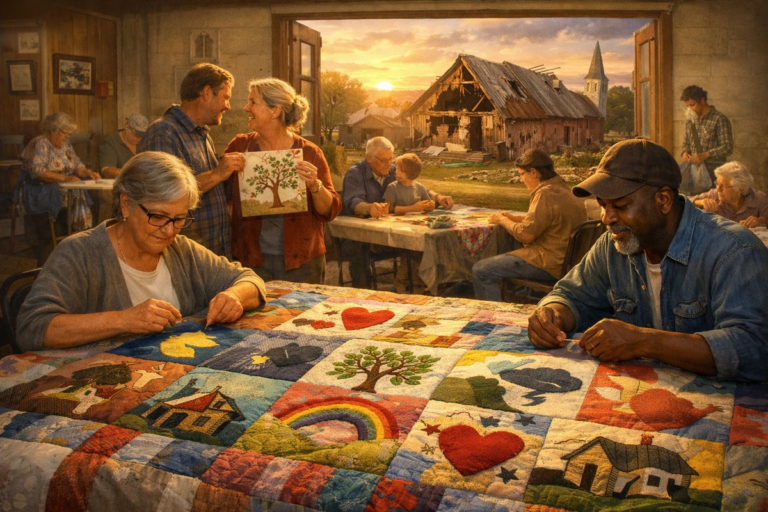
At a recent celebration marking the center’s one-year anniversary, the mayor handed out certificates recognizing volunteers, donors and participants who became champions of resilience. Cameras captured tearful embraces, laughter over shared desserts and the simple act of cutting a ribbon made from braided yarn donated by local seniors. The moment felt less like a grand opening and more like the continuation of an unfolding story-one written by countless hands.
As dusk settled, a group gathered by the garden fountain, candles flickering on stone ledges. Someone softly strummed a guitar while others hummed along. In that hush, you could feel the weight of past struggles easing, replaced by a gentle commitment to keep moving forward together.
This is the ache of failure met by the resilience of the human spirit. It’s a reminder that purpose often emerges in the unlikeliest of places-amid the smell of fresh stew, the scratch of pen on paper, and the chorus of voices offering unwavering support. Here, people learn that loving unconditionally and rising again are not just acts of bravery, but invitations to discover who we truly are when we stand side by side.