Location
Mount Vernon, WA 98274

Location
Mount Vernon, WA 98274
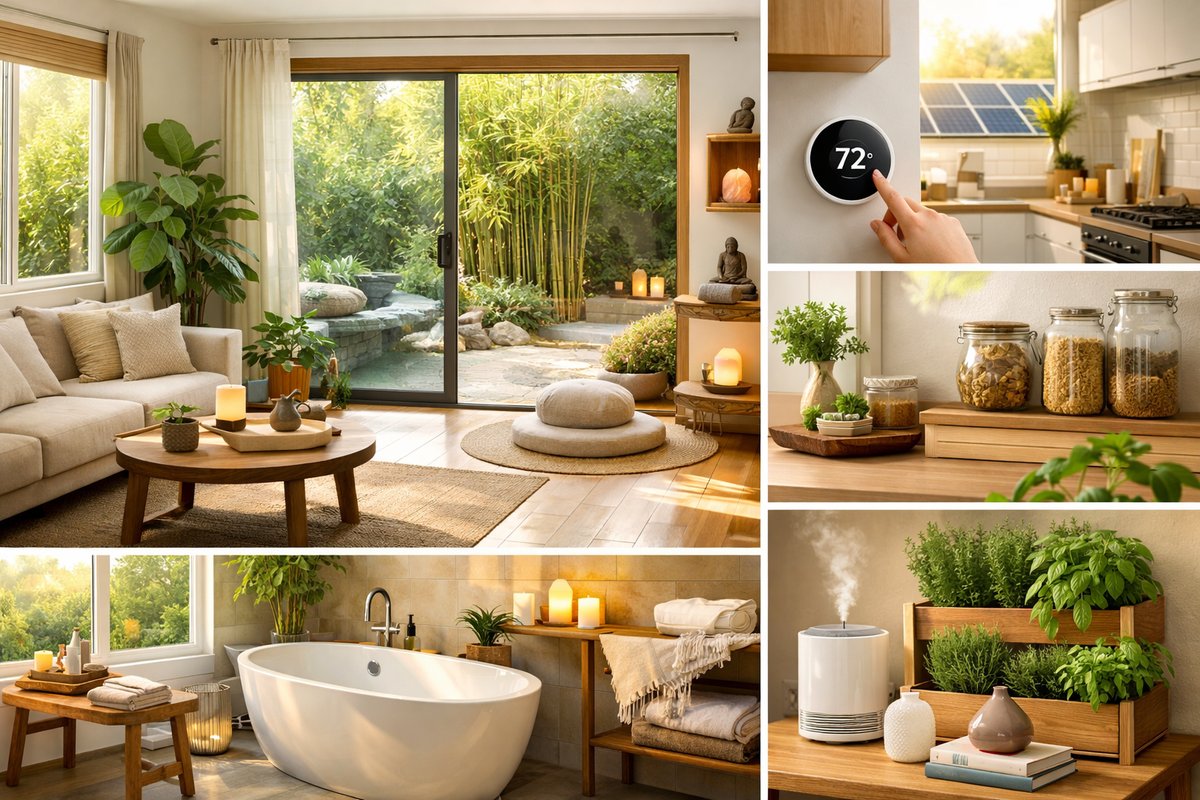
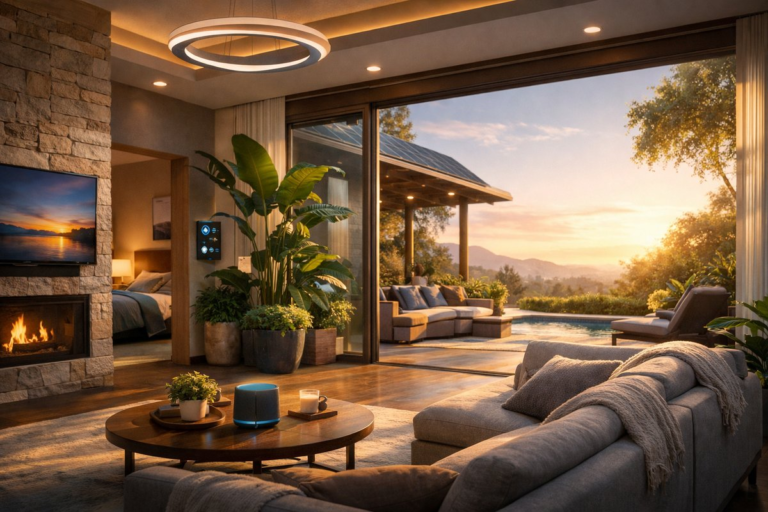
As the quest for homes that nurture both body and mind intensifies, intentional living has taken center stage in home design. This article explores how simple yet thoughtful upgrades can transform everyday spaces into sanctuaries of comfort, sustainability, and smart efficiency.
In recent years, a subtle but powerful shift has emerged in how we conceive of our living spaces. No longer mere backdrops for daily routines, homes are becoming active participants in wellbeing and sustainability. This evolution is driven by a growing desire for intentional living-where every corner, texture, and technology serves a purpose beyond aesthetics or convenience. The focus is on crafting environments that promote calm, foster connection, and respect the planet. This article delves into practical approaches to reimagine your home through mindful upgrades that marry innovation with warmth and care.
The foundation of intentional living begins with awareness-recognizing how spaces influence mood, productivity, and health. Natural light remains one of the most potent tools in this regard. Maximizing daylight exposure not only reduces energy consumption but also supports circadian rhythms, improving sleep and mental clarity. Simple interventions such as installing light-diffusing window treatments or strategically placing mirrors can amplify natural illumination without sacrificing privacy.
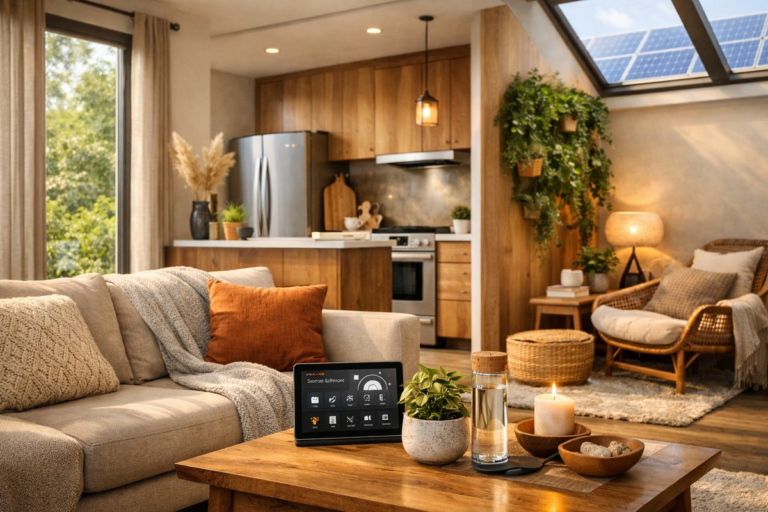
Texture and materiality play a crucial role in shaping a home’s emotional resonance. Incorporating tactile, natural materials like sustainably sourced wood, organic cotton, or recycled glass invites a sensory richness that synthetic surfaces often lack. These choices also align with eco-conscious values, reducing reliance on plastics and chemicals. For example, choosing handwoven rugs or upholstery made from upcycled fibers adds character while minimizing environmental impact.
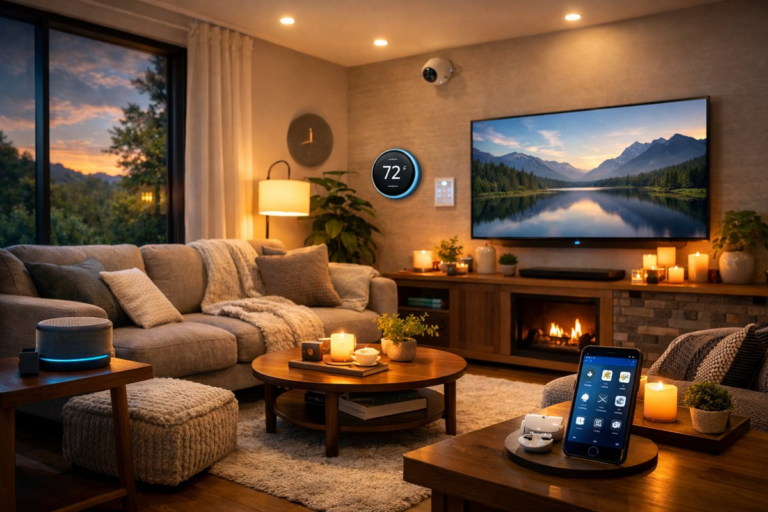
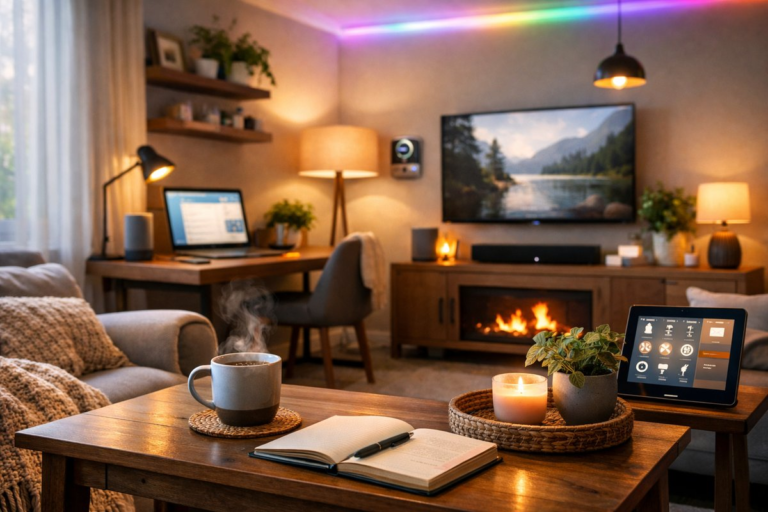
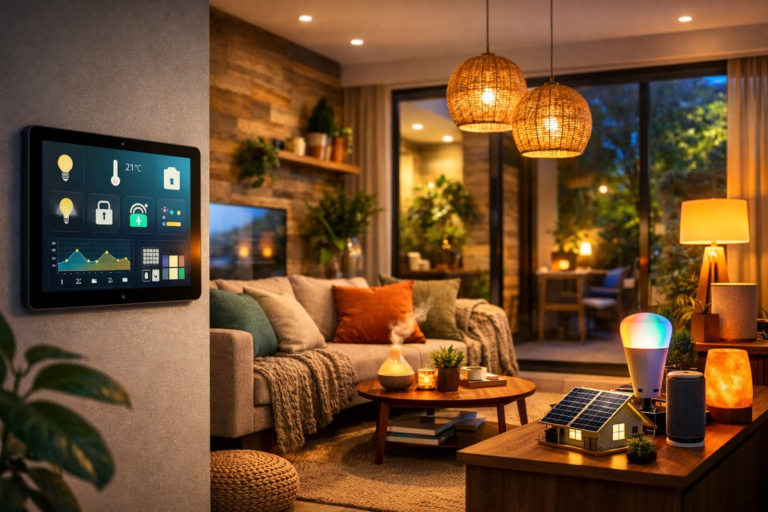
Beyond aesthetics, technology is being thoughtfully integrated to enhance comfort and sustainability without overwhelming the senses. Smart thermostats that learn household patterns optimize heating and cooling, significantly cutting energy waste. Likewise, sensor-driven lighting systems adjust brightness and color temperature in response to time of day or activity, subtly supporting wellbeing. Importantly, these systems prioritize privacy by processing data locally and offering transparent user controls, respecting residents’ autonomy.
Water conservation is another vital aspect of mindful home upgrades. Low-flow fixtures, dual-flush toilets, and rainwater harvesting systems reduce consumption without compromising functionality. Paired with drought-resistant indoor plants, these measures foster a connection to nature’s cycles and encourage stewardship of finite resources.
Furniture and layout also deserve intentional consideration. Flexible, multi-functional pieces accommodate changing needs and reduce clutter, which is linked to stress. Modular shelving, fold-away desks, and convertible seating promote adaptability in smaller spaces, empowering residents to curate environments that reflect evolving lifestyles.
Acoustic comfort is often overlooked but deeply affects quality of life. Incorporating sound-absorbing materials like cork panels, heavy curtains, or area rugs can create serene interiors that buffer urban noise pollution. Thoughtful placement of these elements near workspaces or relaxation zones helps sustain focus and calm.
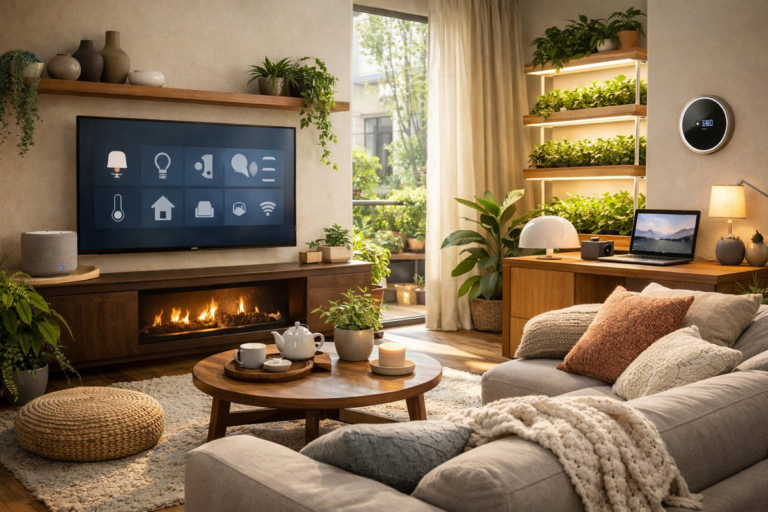
Intentional living also embraces biophilic design principles, which reconnect humans with nature. Indoor plants not only purify air but provide visual and emotional relief. Living walls or green corners bring vibrant life indoors, while natural scents from essential oils or fresh herbs enhance mood and cognitive function.
Finally, cultivating a mindful home involves rituals and habits that transform spaces into sanctuaries. Decluttering regularly, choosing meaningful decor, and dedicating areas for meditation or creative expression nurture presence and balance. Technology supports these practices when used with intention-such as ambient sound machines that aid relaxation or timers that encourage screen breaks.
In sum, the journey toward an intentional home is an evolving process that invites curiosity, experimentation, and care. By integrating natural materials, smart yet unobtrusive technologies, and thoughtful design choices, residents can create spaces that sustain wellbeing and honor the environment. This mindful approach transcends trends, fostering homes that truly nurture those who live within them.