Location
Mount Vernon, WA 98274

Location
Mount Vernon, WA 98274
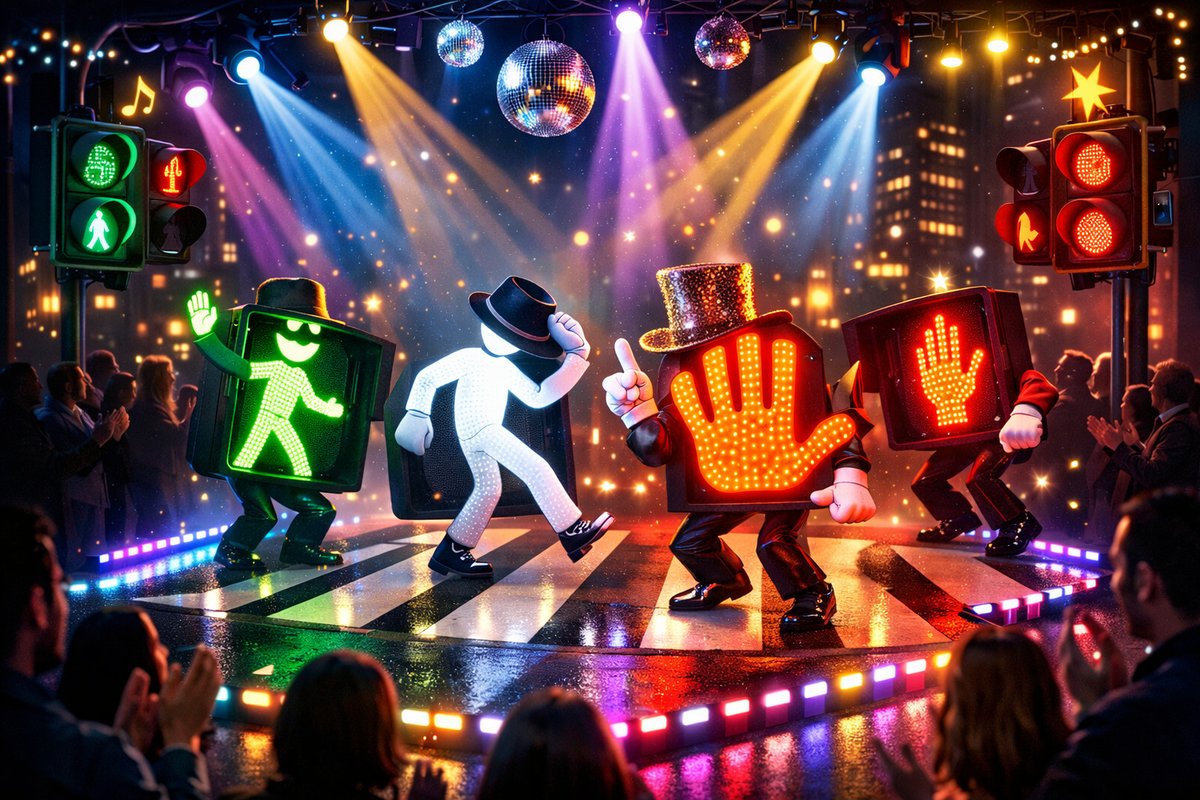
In an unprecedented act of civic expression, the town's crosswalks have banded together to demand a complete overhaul of their signaling system. They're calling for neon lights, synchronized dance moves, and-most surprisingly-weekly spotlight performances to keep pedestrians engaged and distracted from jaywalking.
The usually quiet intersections of the town erupted into a spectacle of urban rebellion this week when the crosswalks themselves staged an uprising, demanding a radical transformation of their signaling infrastructure. The self-illuminated stripes, tired of the mundane red, yellow, and green routine, have petitioned the municipal authorities for a dazzling upgrade involving neon lights, interpretive dance routines, and weekly spotlight performances. What started as a whisper of flickering LEDs quickly escalated into a full-blown traffic choreography revolution.
Eyewitnesses first noticed something was amiss when the crosswalk lights began flashing Morse code messages spelling out “We Demand Dazzle.” This cryptic communiqué baffled city engineers, who initially suspected a rogue software glitch or a prank by local teenagers. However, the messages soon evolved into more sophisticated patterns, including emoticons and brief poetry stanzas lamenting their lack of creative expression. It became clear the crosswalks had developed a collective consciousness, or at least an unusually cooperative firmware update.
The town council convened an emergency session, inviting urban planners, traffic safety experts, and performance artists to brainstorm solutions that balanced pedestrian safety with the crosswalks’ newfound artistic ambitions. The council discovered the crosswalks’ leader-self-styled as “Stripe Maestro”-had been lobbying for a system where lights would pulse to the beat of popular music, incorporating interpretive dance signals that could convey nuanced messages like “Wait patiently,” “Look both ways,” or “Dance your way across.”
Local residents responded with mixed feelings. Some embraced the idea, imagining their daily commutes transformed into mini Broadway shows where waiting at red lights became a chance for spontaneous joy and community connection. Others raised concerns about distraction, fearing that flashy lights and dance routines might encourage jaywalking or cause accidents.
To address safety concerns, the crosswalks proposed a compromise: the flashy performances would only occur during off-peak hours when pedestrian traffic is light, and subtle cues would replace the more flamboyant displays during busy times. This proposal earned tentative approval, with the caveat that all performances be vetted by a committee including traffic safety officials and local dance troupes.
The first trial run took place last Friday evening at the town’s busiest intersection. As the light turned red, the crosswalk illuminated in vibrant neon blues and purples, while embedded speakers played a catchy, original tune. Simultaneously, robotic arms installed alongside the crosswalk performed fluid dance moves synchronized with the light patterns, creating a mesmerizing spectacle. Pedestrians paused in delight, some joining the rhythm, others filming the event on their smartphones.
Social media buzzed with videos of the performance, sparking a viral sensation dubbed #DanceCrosswalk. Tourists began flocking to the town just to experience the phenomenon, bringing an unexpected economic boost. Meanwhile, jaywalking incidents dropped by 12%, suggesting that the entertainment value might actually enhance pedestrian compliance.
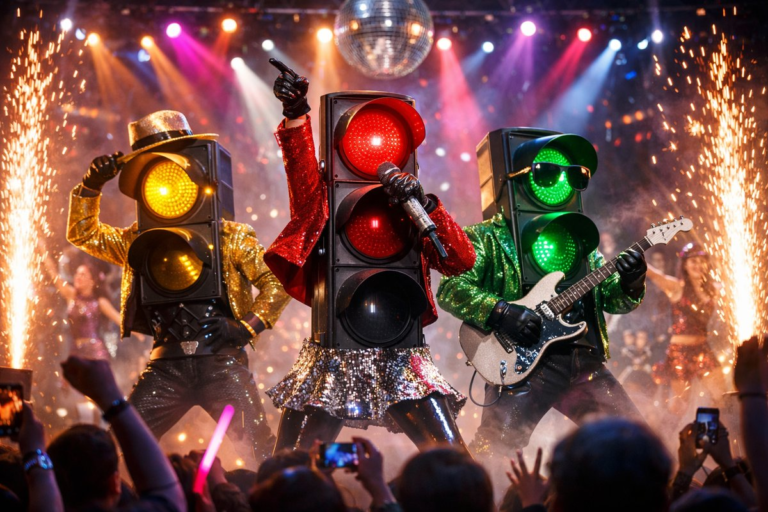
Buoyed by the success, the town council announced plans to expand the initiative to other intersections, including a special Halloween edition featuring spooky light displays and ghostly dance routines. The crosswalks, now emboldened by their newfound fame, hinted at future ambitions such as collaborative performances with traffic lights and streetlamps, potentially turning the entire town into a synchronized urban theater.
Despite the enthusiasm, some skeptics warn of the potential for technological burnout and question whether crosswalks should seek such expressive autonomy. The debate raises deeper philosophical questions about the agency of urban infrastructure and the boundaries between utility and art.
As the town navigates this brave new world of dancing crosswalks and neon-lit streets, one thing is certain: the pedestrian experience will never be the same. Whether this movement will inspire other elements of the cityscape to demand creative upgrades remains to be seen. For now, residents can enjoy the quirky charm of their lively crosswalks and perhaps reconsider the daily ritual of crossing the street as an opportunity for unexpected delight and communal rhythm.